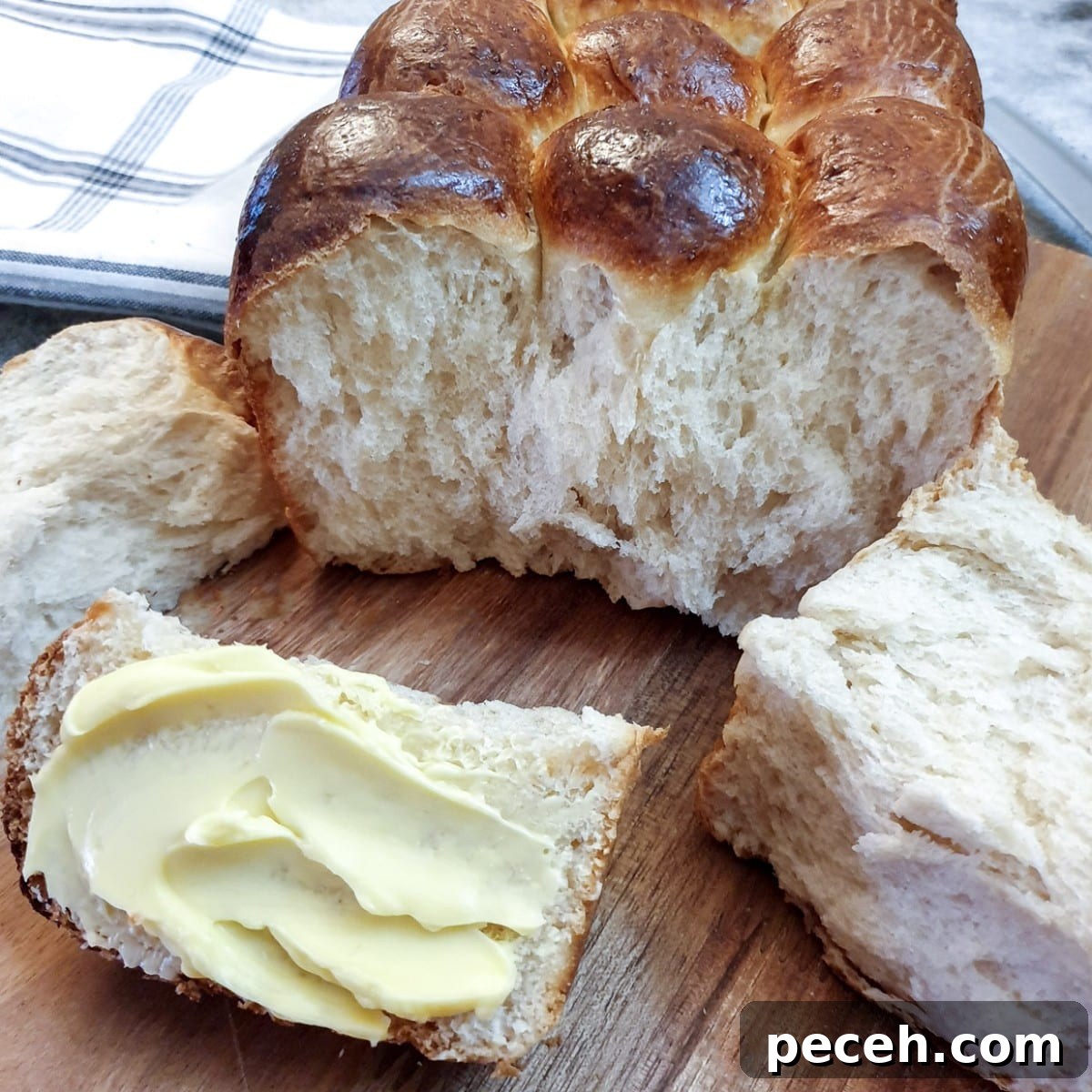
This condensed milk rusks recipe is my take on the classic South African mosbolletjies. Enjoy them warm and soft straight from the oven, spread with butter, or dry them into crisp, dunkable rusks for tea or coffee. Either way they’re delicious.
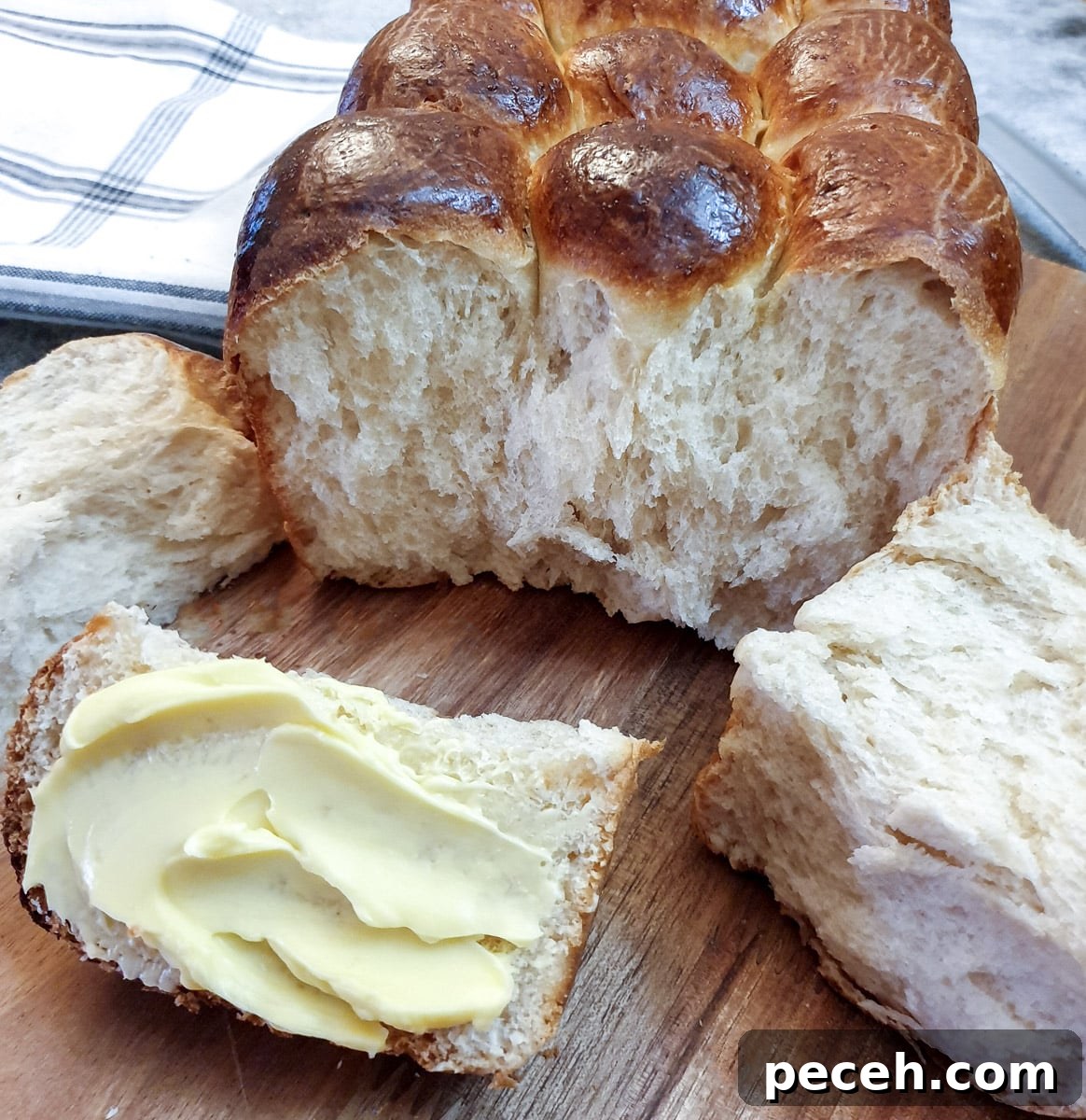
What are mosbolletjies (and what does it mean)?
Mosbolletjies (pronounced moss-boli-keys) are traditional South African rusks. They can be eaten soft and warm straight from the oven, or dried until crisp and dunked in tea or coffee as a light breakfast or snack.
The recipe traces back to French Huguenots who settled in South Africa in the late 1600s. The soft version resembles a brioche-like bun, while the dried version evolved as a way to preserve bread.
When dried they remain light and crispy, so a quick dunk lets tea or coffee soak in without falling apart.
The name comes from Afrikaans: “mos” refers to must, the semi-fermented grape skins left from winemaking (their natural yeasts were used for leavening), and “bolletjies” means little balls, describing the shape of the dough. Dried mosbolletjies are also called mosbeskuit (beskuit = rusks).
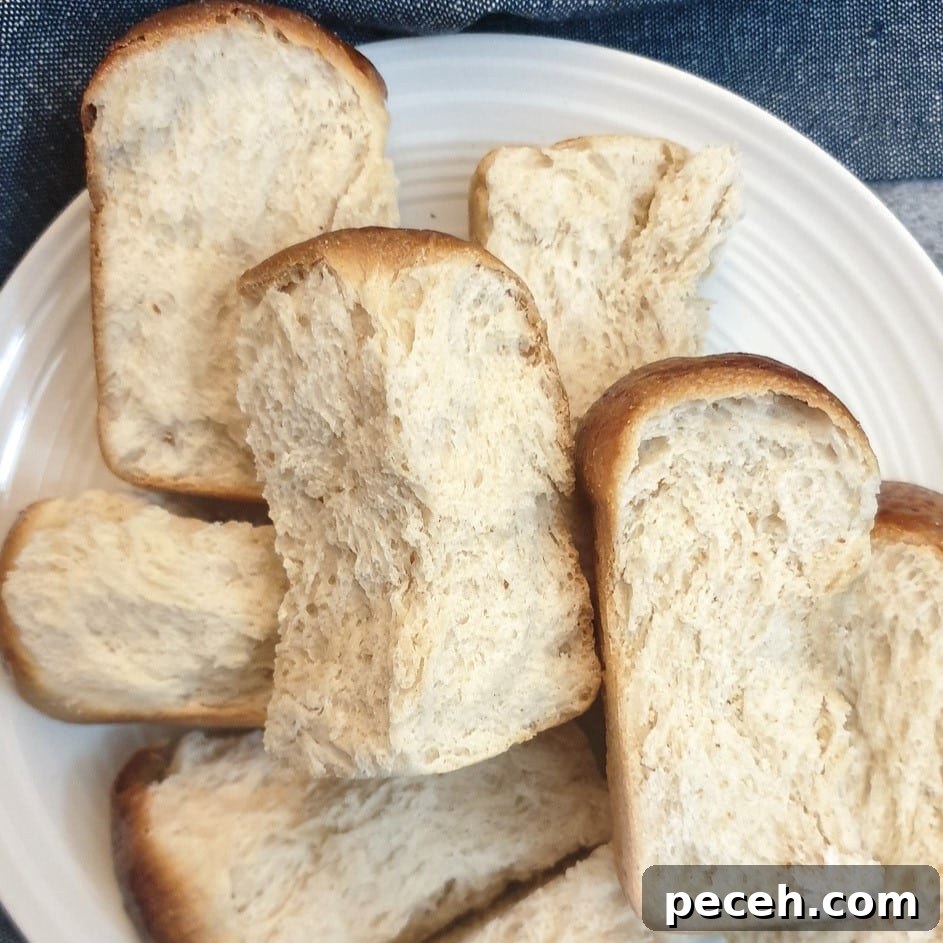
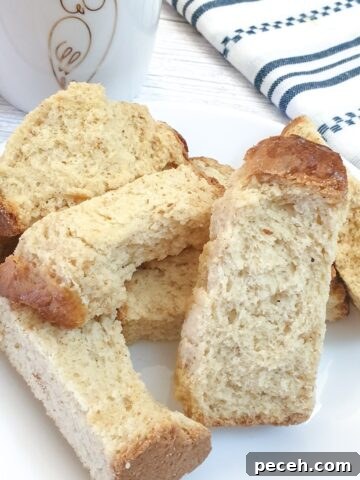
This is how the rusks look once they’ve been dried.
I learned this recipe from my late mother-in-law decades ago. Today a stand mixer makes the process much easier, but hand-kneading still works perfectly.
Over the years I adapted the recipe to include condensed milk for extra sweetness — a modern twist that I love.
Here’s how to make my condensed milk mosbolletjies.
What you will need
Equipment
A stand mixer with a dough hook is highly recommended. It kneads the dough quickly and consistently. You can knead by hand, but expect 15–20 minutes of effort.
If you don’t have a stand mixer, use a large mixing bowl and a floured surface for hand kneading.
You will also need large loaf tins for baking. An air-fryer oven or dehydrator is handy for faster drying but an oven will do the job too.
Ingredients
This batch makes about 25 soft rolls, which can be cut into three pieces each to yield around 75 dried rusks (actual yield depends on how many rolls you enjoy before drying!).
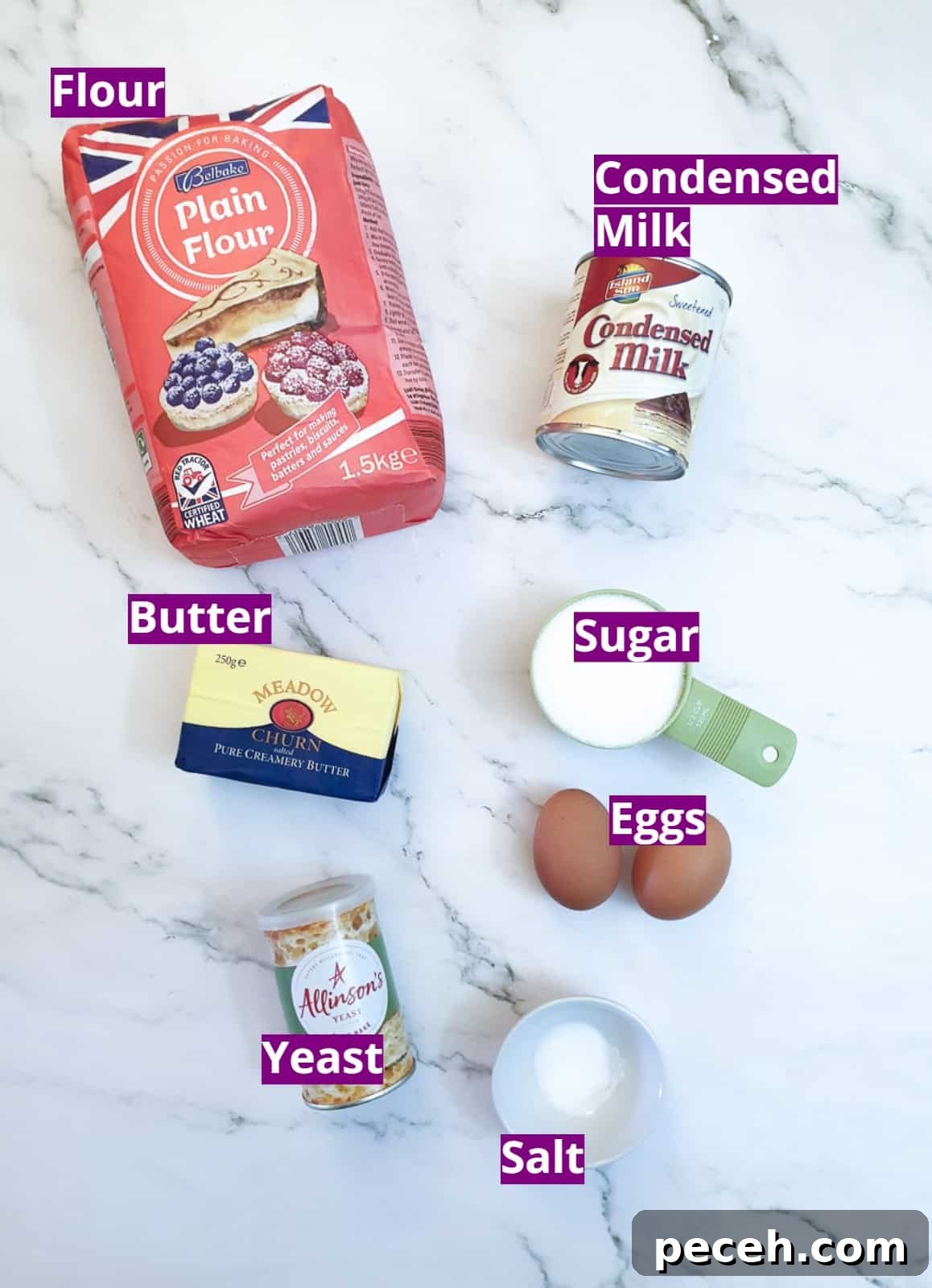
Flour – plain all-purpose flour. Use cake flour if you want a lighter texture; bread flour will be too heavy.
Condensed milk – about 200 g (7 oz), roughly half a standard 397 g can.
Butter – 125 g (4½ oz), softened to room temperature.
Sugar – 125 g (4½ oz) granulated or caster sugar.
Eggs – 2 medium eggs.
Yeast – 2 tsp (7 g) instant yeast. Use double the weight if using fresh yeast.
Salt – ½ tsp or to taste.
Water – about 480 ml (2 cups) lukewarm water.
What to do
These are yeast doughs, so allow time for proofing. Most of the time is hands-off.
- Test the yeast (optional): 5 minutes
- Knead the dough: 10 minutes with a stand mixer, 15–20 minutes by hand
- First rise: about 2 hours
- Shape into balls and place in loaf tins: 10 minutes
- Second rise: 1–2 hours (or longer if convenient)
- Bake: 30–35 minutes at 175°C / 350°F until golden
- Dry: 3–4 hours in a dehydrator or overnight in a cool oven
I like to test yeast before use: mix a teaspoon of sugar, the yeast and a little lukewarm water and wait until it becomes frothy. If it doesn’t, the yeast may be inactive.
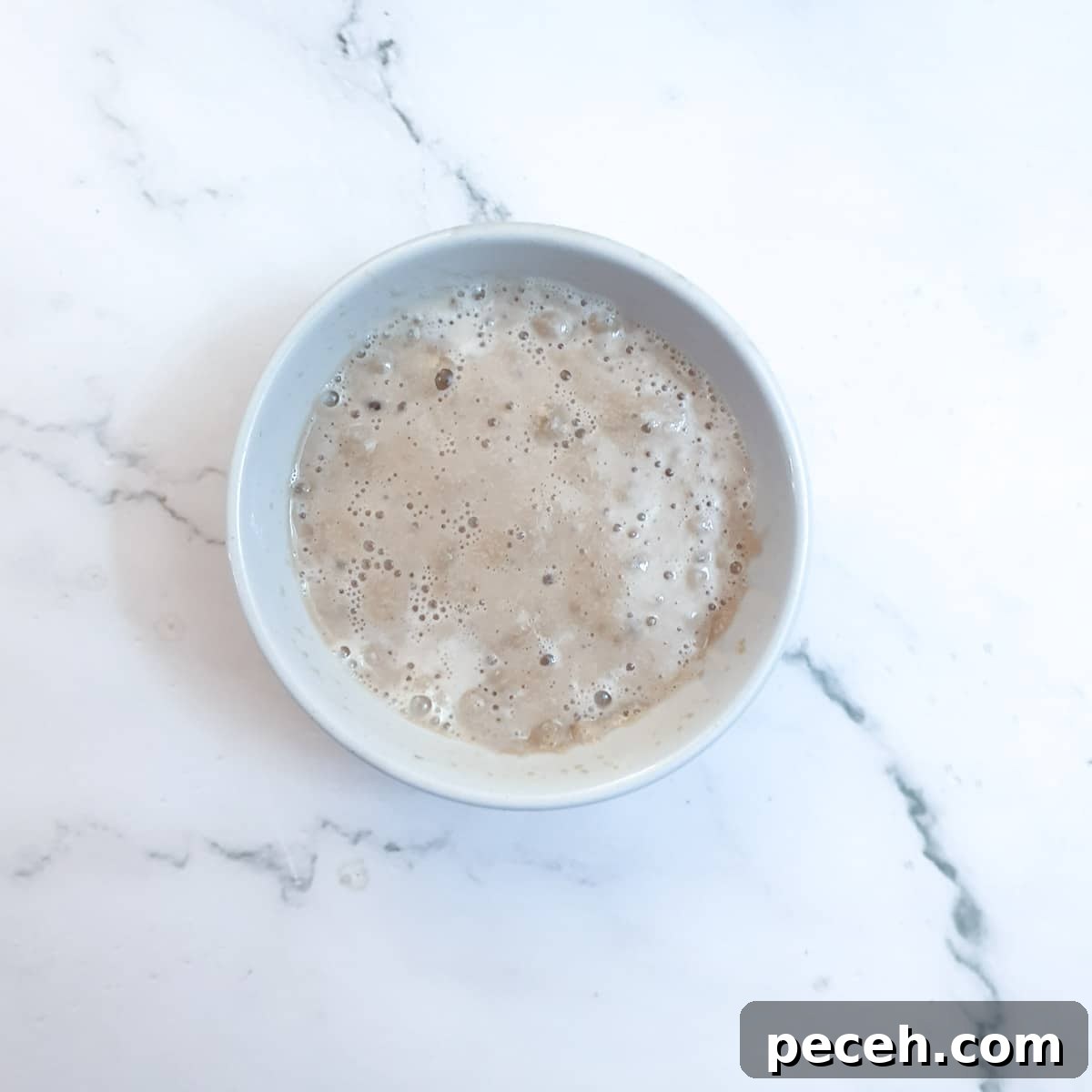
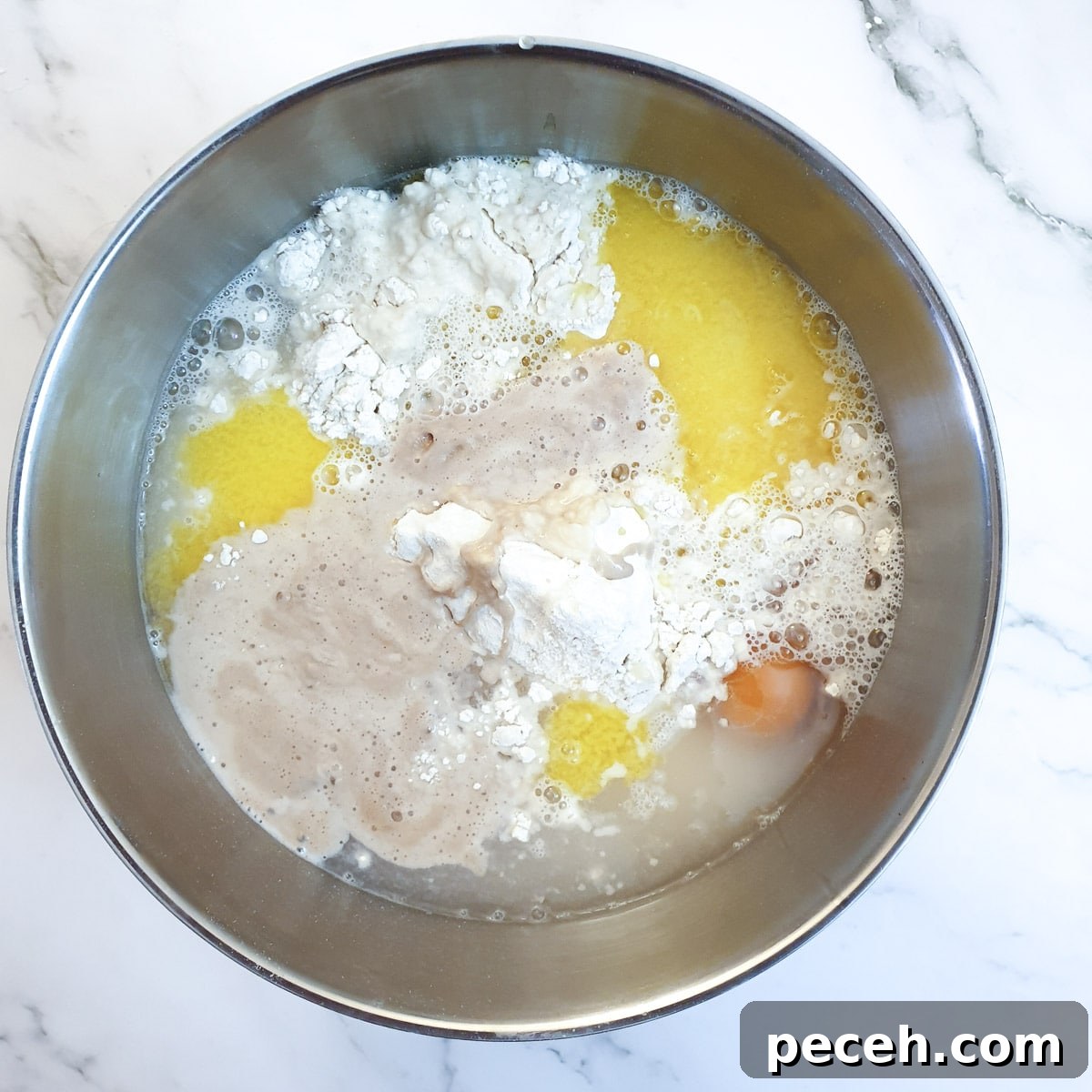
Place all ingredients (including the yeast) and most of the water into the bowl of your stand mixer or a large mixing bowl. Add the rest of the water only if the dough seems dry; flour strength affects how much liquid is needed.
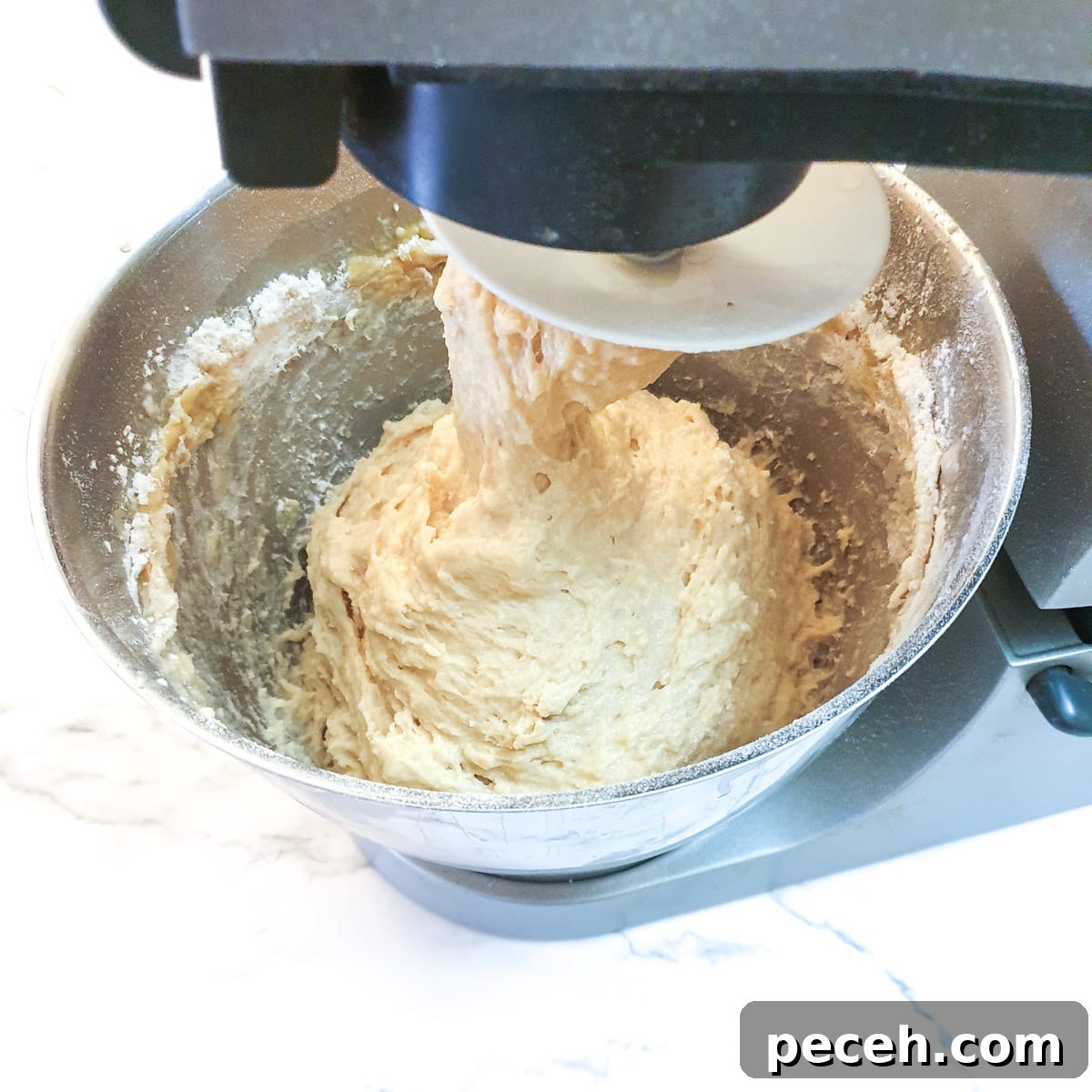
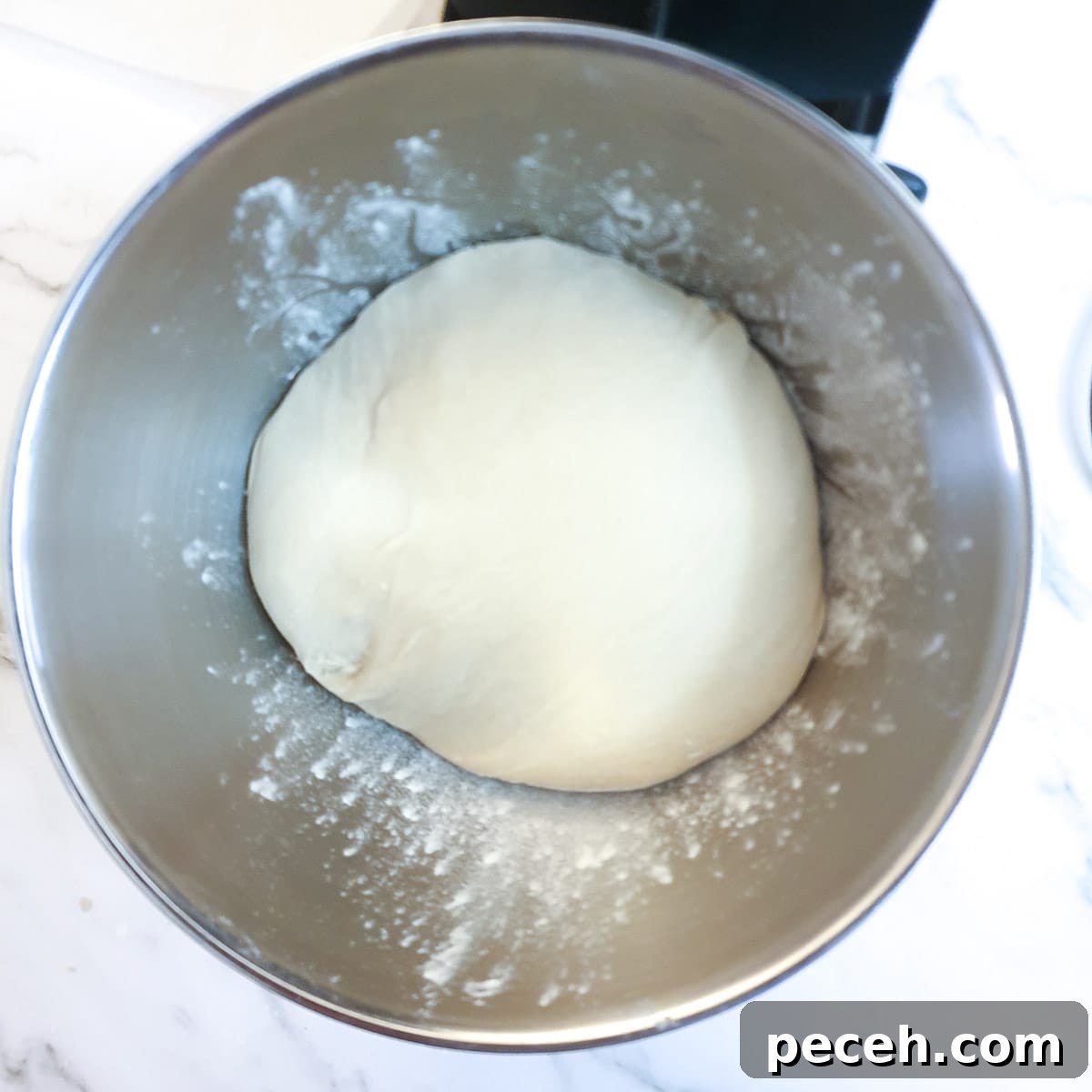
Fit the dough hook and knead on low for 2 minutes to combine, then on high for 7–8 minutes until the dough is smooth and elastic. If kneading by hand, follow the instructions below.
Shape the dough into a smooth ball, place in a lightly floured bowl, cover and leave in a warm draught-free place for about 2 hours until doubled in size.
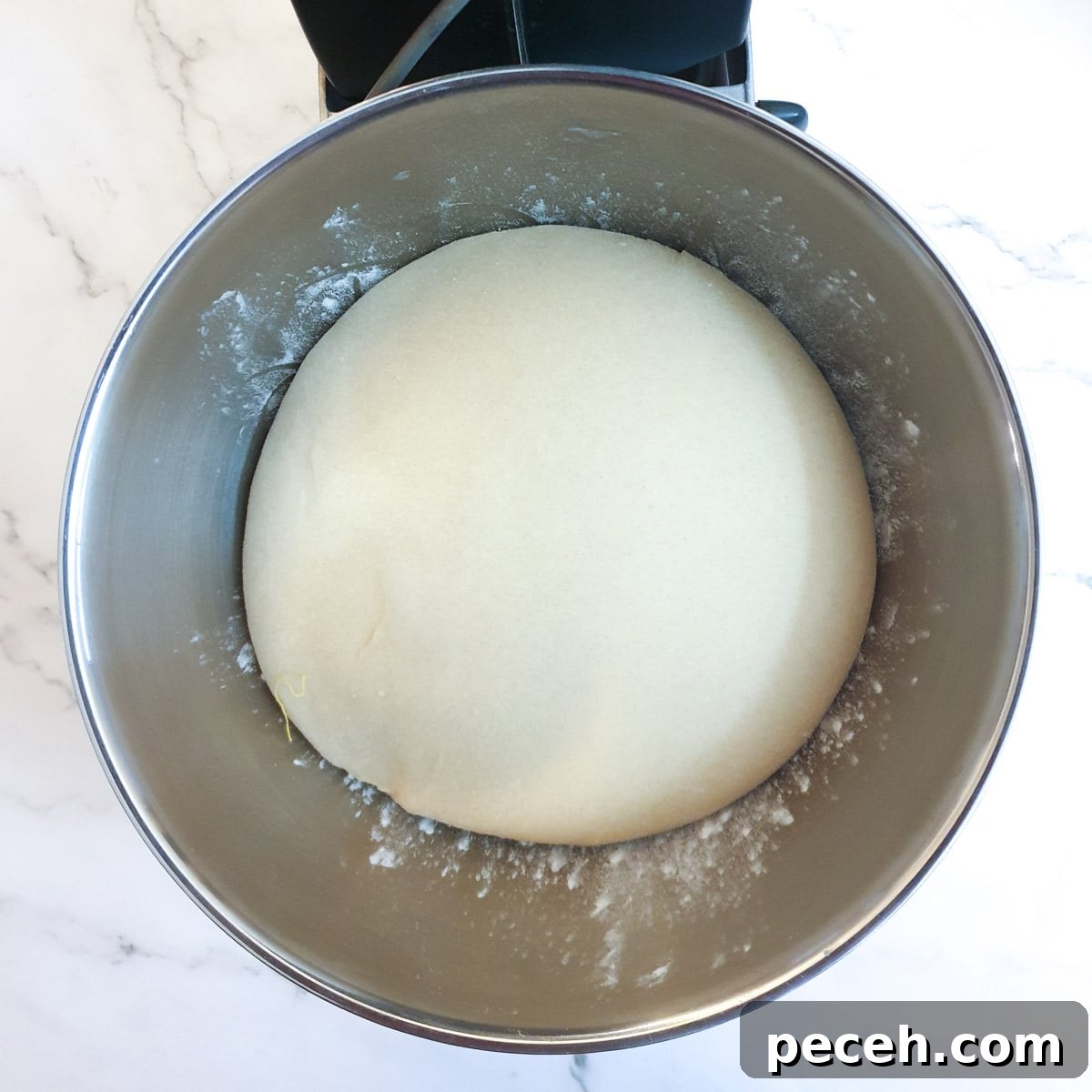
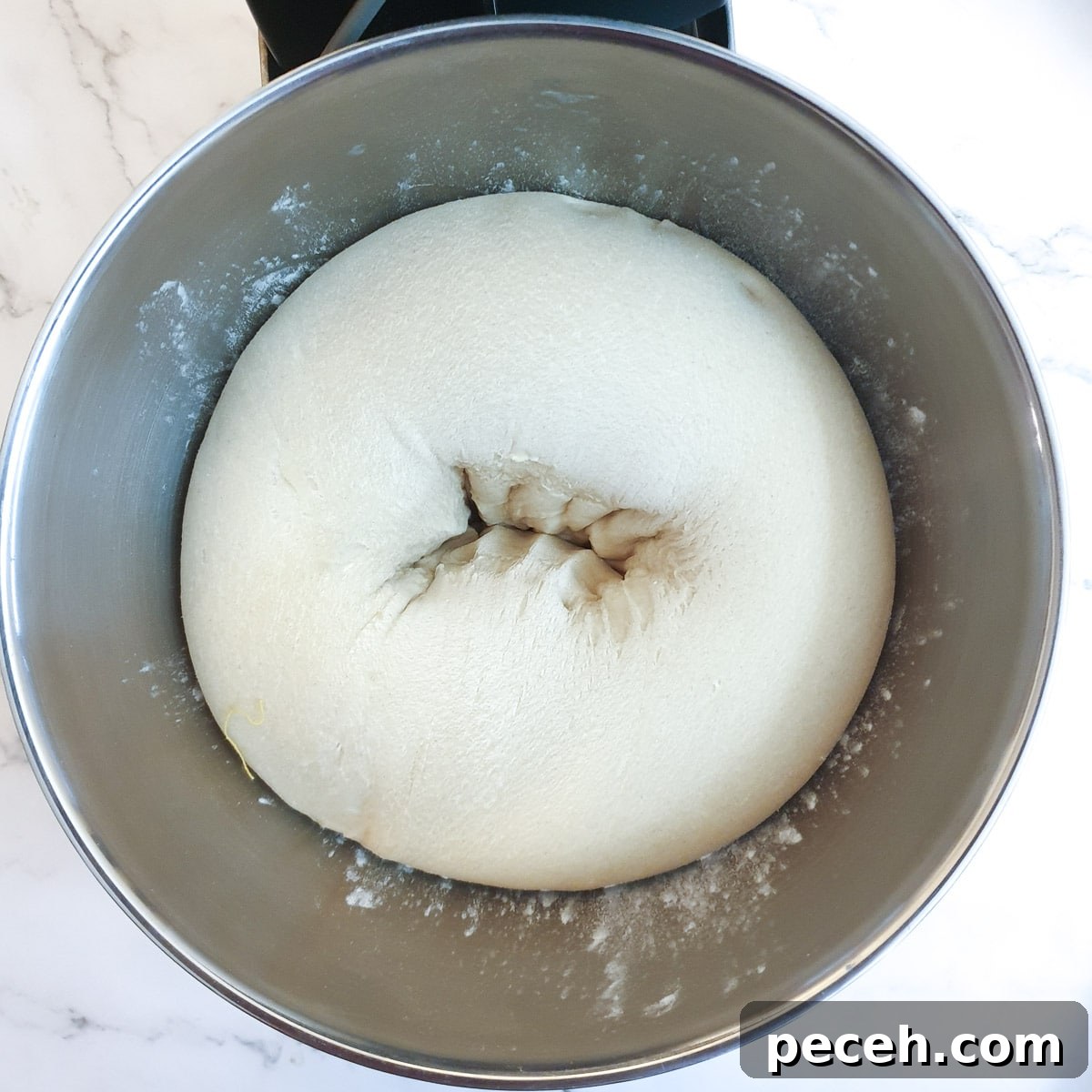
Punch the dough down with your fist to deflate, then knead lightly. Divide into 25–30 even balls (bigger than golf balls but smaller than tennis balls) and pack them tightly into lightly greased loaf tins — two tins usually work well.
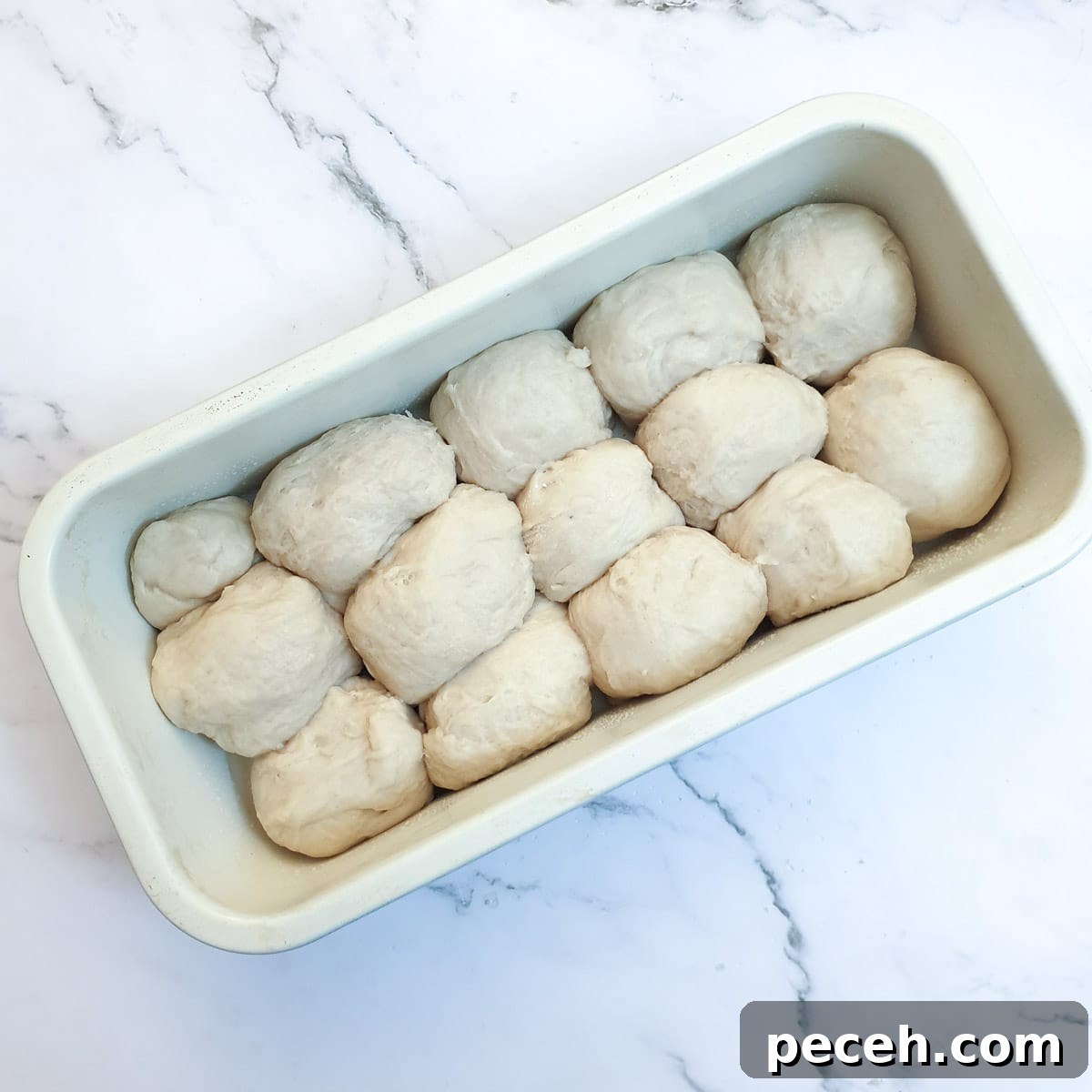
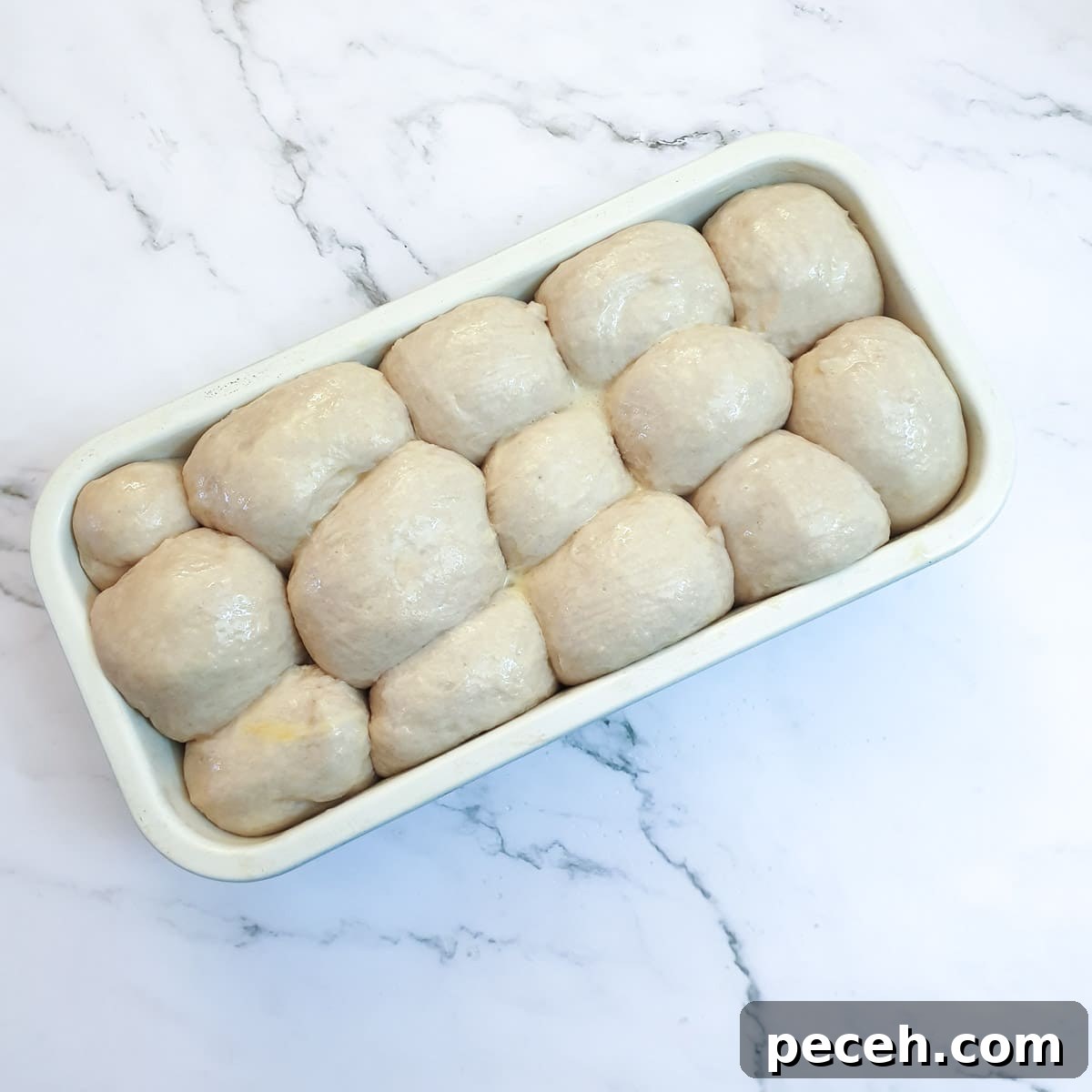
Cover the tins with a clean towel and leave in a warm place to rise for at least another 2 hours until roughly doubled in size. Brush the tops with lightly beaten egg for a golden finish.
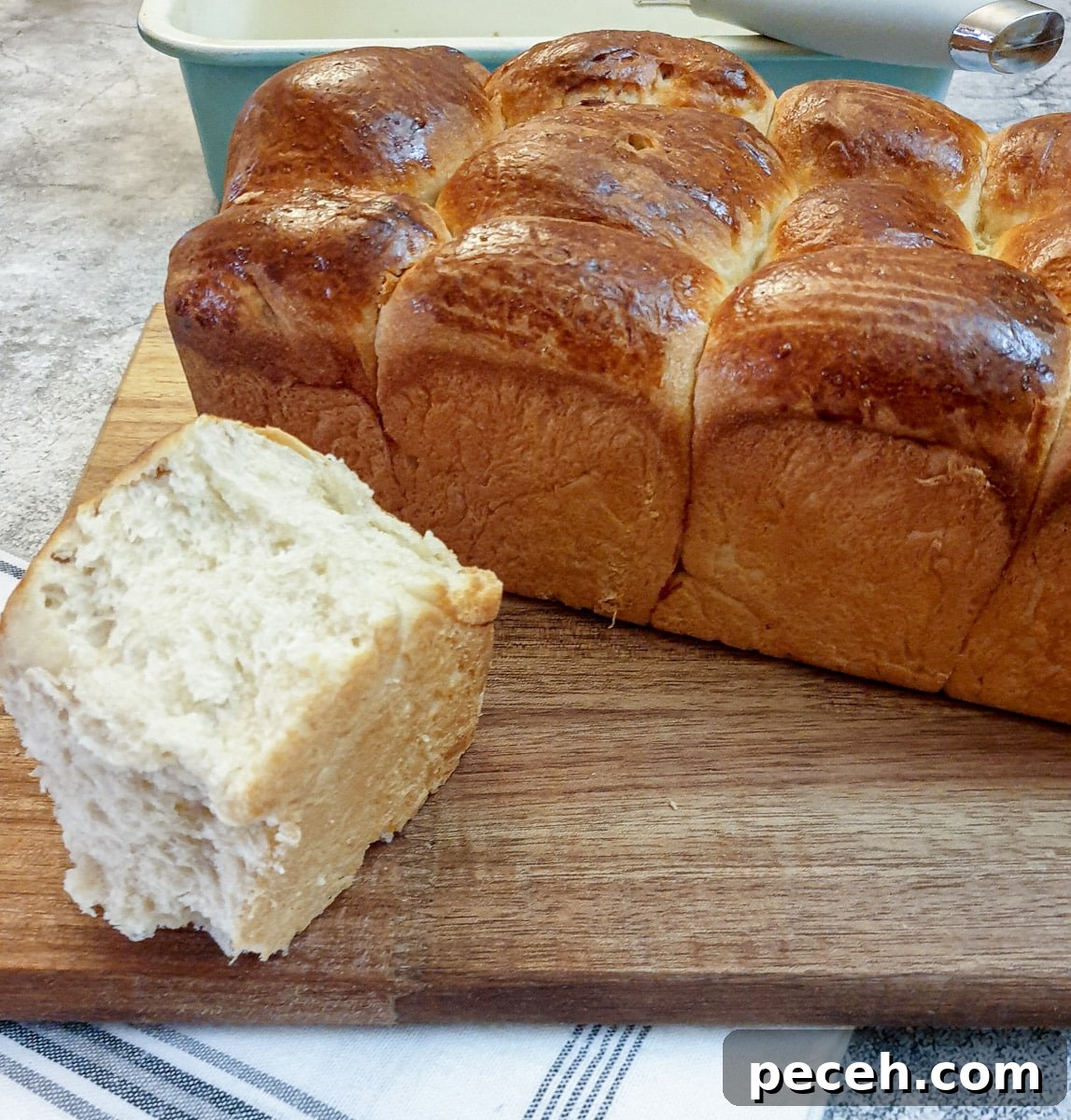
Bake at 175°C / 350°F for 30–35 minutes, until the rusks are golden brown. Remove from tins once cool enough to handle and transfer to a wire rack to finish cooling — this prevents sweating in the tin.
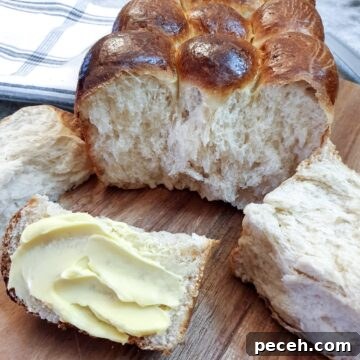
Enjoy soft mosbolletjies warm with butter, jam or honey. To make traditional dunkable rusks, follow the drying instructions below.
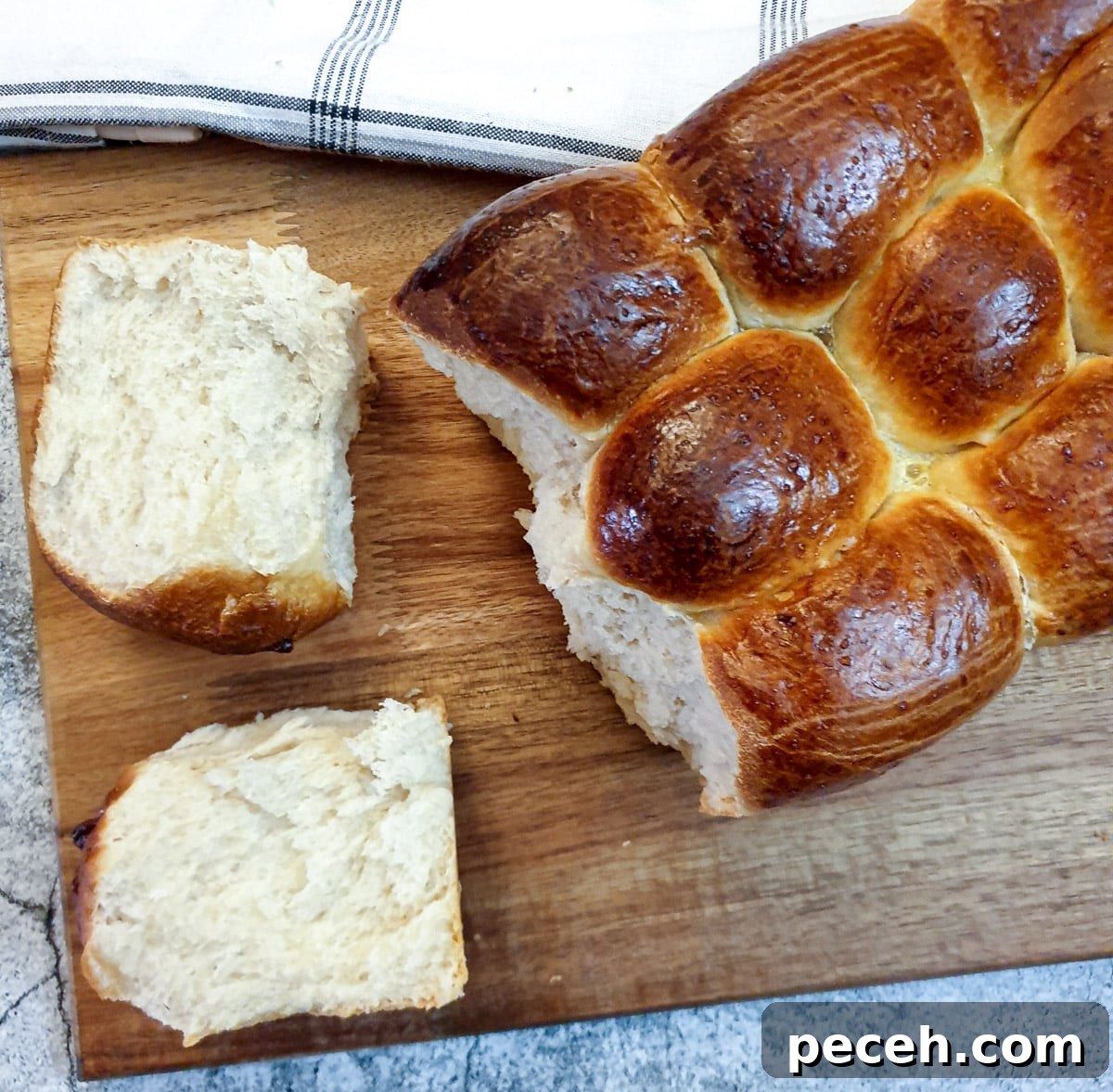
How to dry the mosbolletjies
To dry for dunking, you can use a dehydrator, an air-fryer with a dehydrate function, or your oven. The preparation is the same regardless of method.
- Cut the cooled rolls into slices. I break them along the joins between the balls.
- Slice off roughly one-third of the ball, then cut the remainder in half to yield three rusks per ball; larger balls can be cut into four pieces.
- Small rolls can be dried whole if you prefer.
I used the dehydrate function on an air-fryer oven. Set it to 80°C / 175°F and dry for about 4 hours. The rusks are ready when completely firm with no give when pressed; if still soft, dry longer in 30-minute increments.
To dry in a conventional oven: arrange slices on wire racks so air circulates and dry overnight at 70°C / 160°F. Lining the oven floor with foil helps catch crumbs.
Store dried rusks in an airtight tin — they keep for several weeks.
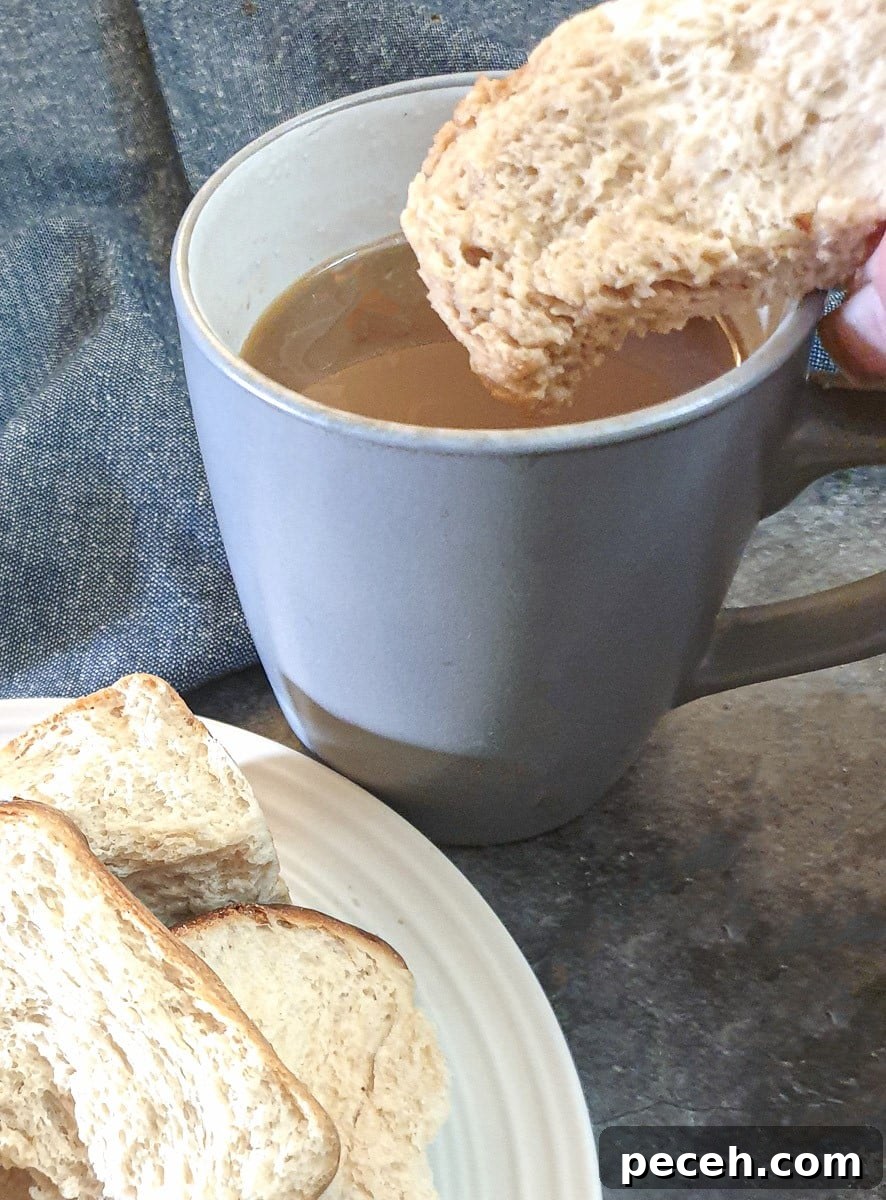
A dried rusk dunked into a cup of coffee is one of my favourite breakfasts.
Condensed milk rusks FAQ
You can brush a glaze of 1 tablespoon sugar dissolved in 3 tablespoons warm water onto the rusks as soon as they come out of the oven if you want a glossy, slightly sweet finish.
Traditional mosbolletjies often include aniseed, but I omitted it because I don’t enjoy the flavour. If you like aniseed, add about 3 tablespoons at the mixing stage.
I don’t recommend freezing dried rusks — they keep well in an airtight tin. If you want soft rolls later, freeze the shaped, risen dough in the tins wrapped in foil and cling film for up to 6 months. Defrost in the fridge overnight and bake as directed.
On a floured surface, press with the heel of your hand and push the dough away from you, then fold it back and turn a quarter turn. Repeat until the dough is smooth, elastic and pliable — about 15–20 minutes.
Save for later
If you want to try these condensed milk rusks later, save this page or pin the recipe image for easy reference.
Related recipes
If you enjoy this recipe, you might like these other easy South African bakes and treats.
-
Buttermilk rusks
-
Traditional South African milk tart
-
Easy Koeksisters with 2-ingredient dough
-
Homemade Romany Creams (Gypsy Creams)


📋The recipe
Condensed milk rusks (mosbolletjies)
Equipment
- Stand mixer (or)
- Large mixing bowl
- Large loaf tins
- Air-fryer oven to dehydrate (optional)
Ingredients
- 8 cups / 1120 g plain all-purpose flour
- 7 oz / 200 g condensed milk
- 4½ oz / 125 g butter (room temperature)
- 4½ oz / 125 g sugar
- 2 medium eggs
- 2 teaspoons / 7 g instant yeast
- ½ teaspoon salt (or to taste)
- 2 cups / 480 ml lukewarm water
Instructions
- Preheat the oven to 175°C / 350°F, but only when you are close to baking time.
- Optional: test yeast by mixing a teaspoon sugar with the yeast and a tablespoon or two of lukewarm water; wait until frothy.
- Place all ingredients (including yeast) and most of the water in a large bowl or mixer. Add the remaining water only if the dough seems dry.
- Knead with a dough hook: low speed 2 minutes, then high speed 7–8 minutes until smooth and elastic. By hand, knead 15–20 minutes.
- Shape into a ball, place in a floured bowl, cover and let rise in a warm draught-free place for about 2 hours until doubled.
- Punch down, knead lightly and divide into 25–30 balls. Pack tightly into lightly greased loaf tins.
- Cover and let rise again for at least 2 hours until doubled in the tins.
- Brush tops with lightly beaten egg and bake at 175°C / 350°F for 30–35 minutes until golden brown.
- Cool on a wire rack. To make dunkable rusks, cut and dry as described in the drying section above.
Notes
How to knead by hand: On a floured surface press the heel of your hand and push the dough away, fold it back, turn and repeat until the dough is smooth and elastic.
Variations: Brush with a sugar glaze (1 tbsp sugar dissolved in 3 tbsp warm water) when warm, or add 3 tbsp aniseed for a traditional flavour.
Storage: Store dried rusks in an airtight tin for several weeks.
Nutrition: Calories calculated per dried piece assuming 60 pieces; soft larger pieces will have more calories.