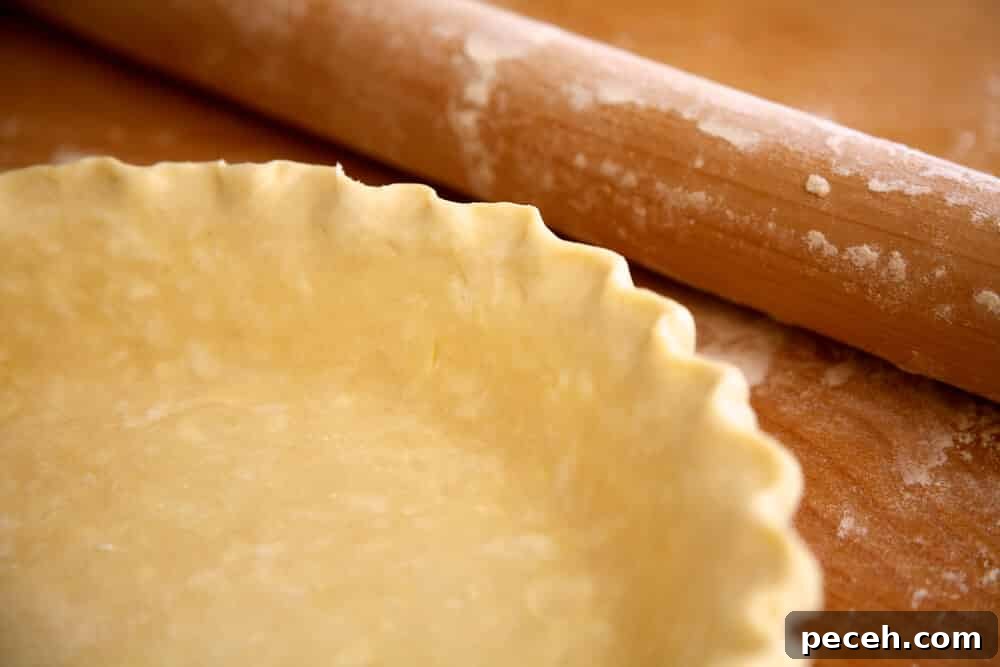
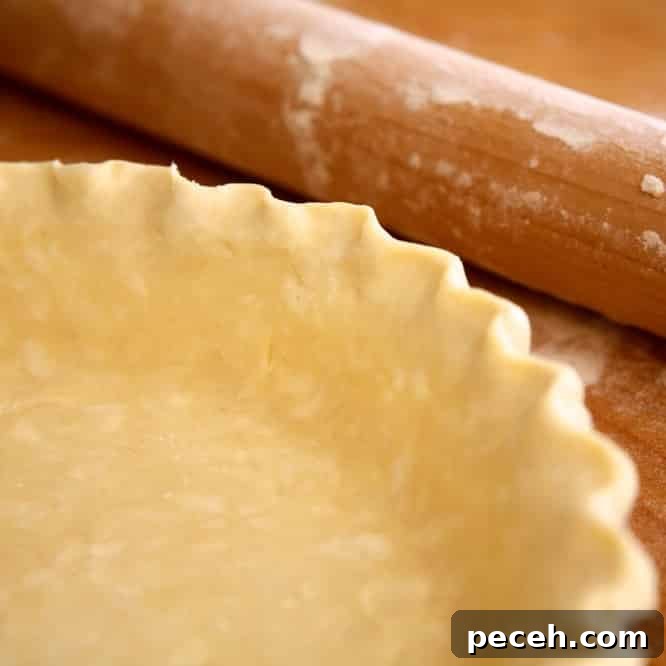
🎥 Quick Video
🎥 Enjoy the quick video above (on some mobile devices you may need to tap play twice). For more recipe videos and baking tips, check my social channels listed below.
- TikTok
- YouTube
About This Recipe
Homemade pie crusts can be intimidating, but with a few simple techniques you can consistently make a tender, flaky crust that rolls without cracking. After years of testing versions using only butter, only shortening, and combinations of both, this egg-and-vinegar crust became my dependable favorite. It requires no special equipment beyond bowls and a pastry cutter, and it produces a flexible, easy-to-roll dough that bakes to a golden, flaky finish.
This recipe delivers the qualities I look for in a pie crust: tender texture, flaky layers, ease of handling while rolling, and reliability—so it won’t crumble or tear when you lift it into the pan.
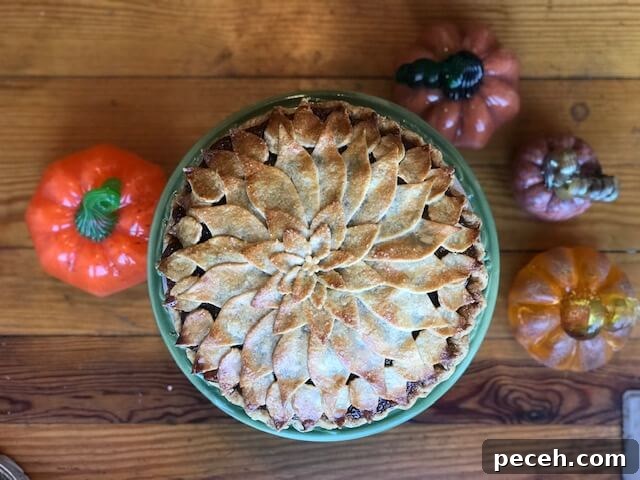
Egg and Vinegar Pie Crust Ingredients
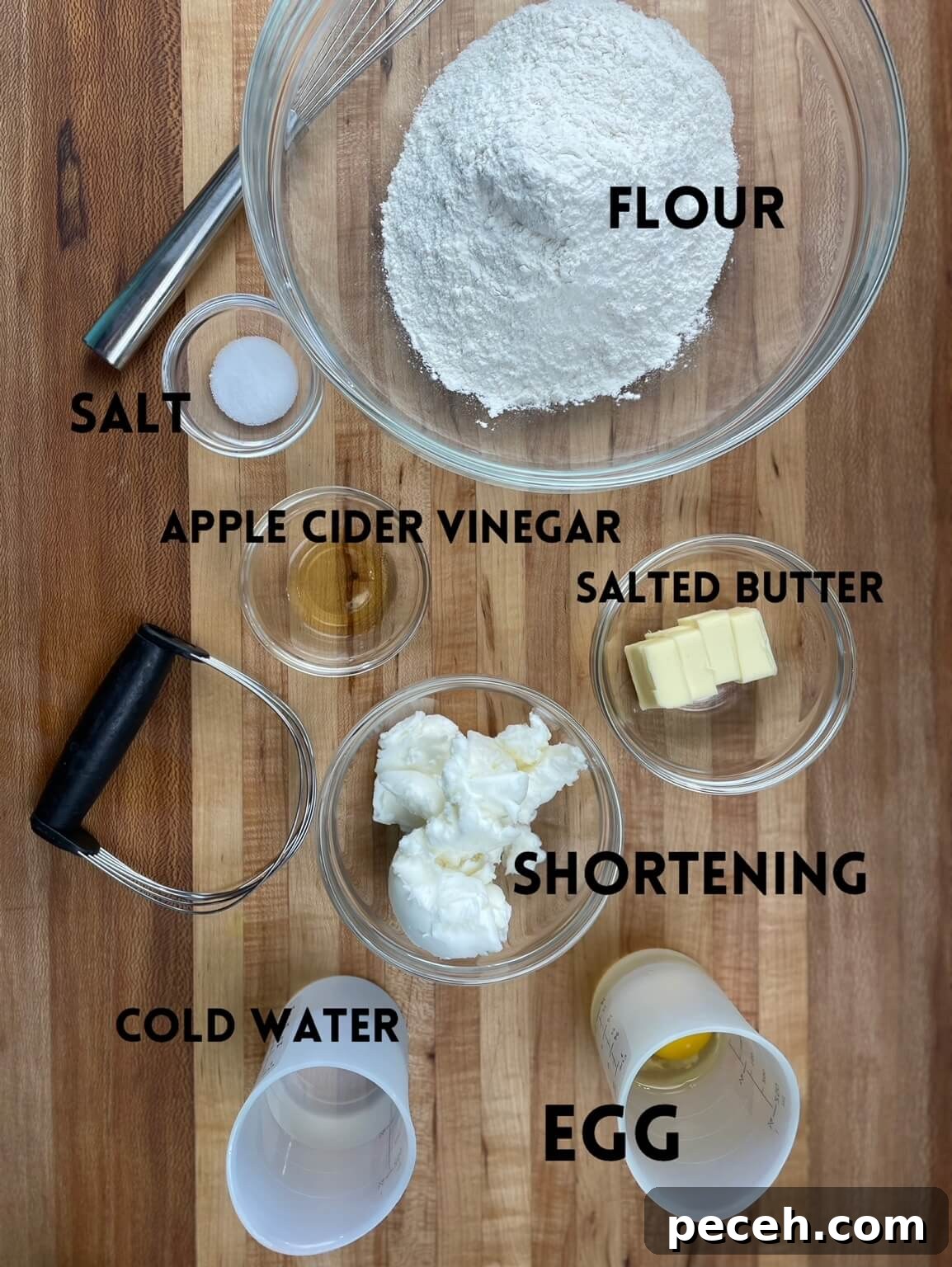
- All-Purpose Flour: Use a reliable brand with typical all-purpose protein levels. Avoid adding excess flour at mixing—this dough should feel slightly tacky before chilling.
- Salt: Enhances the crust’s flavor and balances any sweet filling.
- Melted Salted Butter: Adds flavor, richness, and color. Use melted butter cooled to lukewarm so it blends without melting the shortening.
- Shortening: Adds flakiness and structure and helps the dough roll without cracking. The combination of butter and shortening balances flavor and workability.
- Egg: Acts as a binder for a tender, pliable dough that holds together when rolling.
- Apple Cider Vinegar: Tenderizes the dough by relaxing gluten; the vinegar taste disappears during baking. White vinegar can be substituted equally.
- Cold Water: Keeps the shortening cold and preserves flakiness—add only as much as needed and avoid warm liquids.
Make Your Pie Crust in Advance
For best results, make the dough the day before and chill it in a covered bowl overnight, or refrigerate at least two hours. You can also freeze the dough and thaw it overnight in the refrigerator before rolling. Alternatively, roll the crust into pie tins, freeze until firm, wrap well, and store for up to three months. Thawed shells only need about 10–15 minutes at room temperature before baking but should remain cold to the touch when they go into the oven.
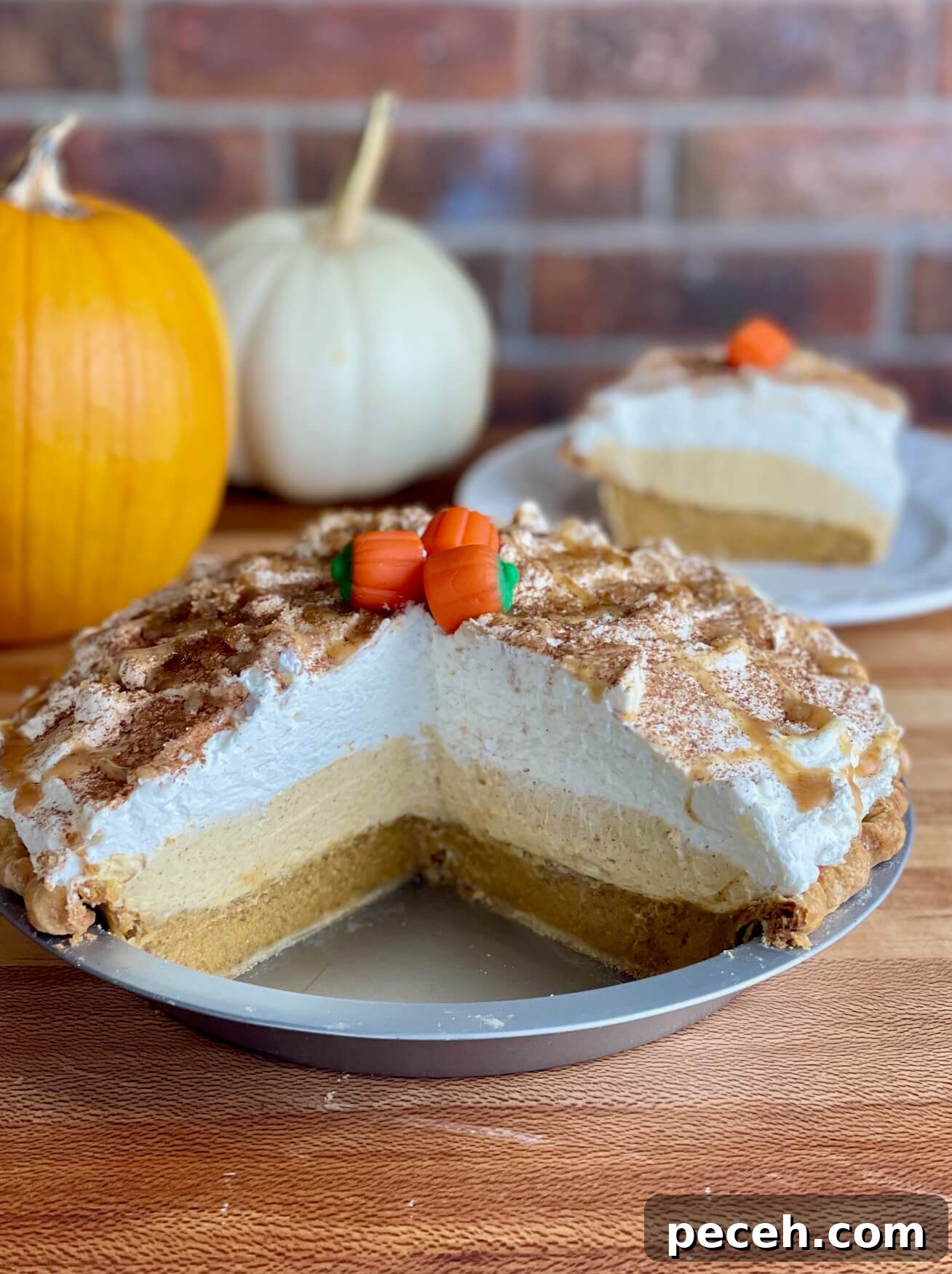
Tips for a Perfectly Rolled Out Pie Crust
- Choose a sturdy pie tin. Thin, flexible foil pans increase the chance of cracking and shrinkage. Heavy-duty or reusable metal pans give more consistent results.
- Use flour liberally when rolling. Generous dusting prevents sticking to the counter or rolling pin and helps you maintain an even circle.
- Lift and rotate the dough frequently while rolling. This prevents sticking and helps you add flour where needed to keep the dough smooth and round.
- Roll the dough so the circle is about 4 inches larger than the pie pan. This gives enough overhang for crimping and reduces edge shrinkage when baking.
- Use pie weights or unbaked dried beans and a pie shield when blind-baking. Weights keep the shell from collapsing and a shield prevents the crust edge from over-browning during the long bake.
This versatile crust pairs well with fruit pies, cream pies, and many seasonal recipes. Watch the full step-by-step video for rolling and shaping tips if you need a visual guide.
Thanks for reading. ❤️

📖 Recipe & Step-by-Step Instructions

Pie Crust with Egg and Vinegar
Equipment




Ingredients
- 2 ounces (½ stick) salted butter, melted and slightly cooled
- 1 large egg, lightly beaten
- Up to ½ cup cold water, divided
- 2 teaspoons apple cider vinegar
- 341 grams (2 ½ cups + 3 Tablespoons) all-purpose flour
- 1 ½ teaspoons salt
- 170 grams (¾ cup + 2 Tablespoons) shortening
Instructions
- Whisk the lightly beaten egg, ¼ cup + 2 tablespoons cold water, apple cider vinegar, and the cooled melted butter together. Chill this liquid briefly so it stays very cold while you prepare the dry ingredients.
- In a large bowl, whisk the flour and salt. Cut the shortening into the flour with a pastry cutter until pieces are about pea-sized or smaller.
- Retrieve the cold egg mixture and whisk briefly. If butter has begun to set, whisk it so the mixture is uniform and cold.
- Pour the cold liquid over the flour and shortening. Fold with a spatula just until the dough comes together and no dry flour remains. Do not overwork. Add the remaining up to 2 tablespoons cold water, 1 tablespoon at a time, only if needed. Dough should be moist but not wet.
- Refrigerate covered overnight for best results or at least 2 hours. Divide the dough in half and roll each piece to about 1/8″ thickness to make two 9″ crusts. Aim for circles about 4″ larger than your pie pan for ample overhang.
- Wrap and freeze pie shells until ready to bake, or refrigerate at least 30 minutes before baking.
How to Blind Bake (partial bake) the Crust
- Preheat oven to 350°F (175°C).
- Bake the crust from cold—if frozen, let it sit at room temperature 10–15 minutes to loosen slightly.
- Crumple a square of parchment and press it into the pie shell. Fill the shell to the top with pie weights or unbaked dried beans.
- Bake on the bottom rack for 10 minutes, then place a pie shield around the rim to prevent over-browning.
- Keep weights in place and continue baking 15–20 more minutes until the crust is nearly fully baked. Some under-baked spots on the bottom are acceptable if you will bake again with filling; use a pie shield during the second bake as well.
Fully Bake a Pie Shell (for cream pies)
- Follow the blind-bake steps, but continue 5–10 minutes longer until the bottom is fully baked and lightly golden. Keep pie weights in place to reduce shrinkage and use a pie shield to protect the edges.
Notes
*Recipe revision advised starting with 2 tablespoons less water and adding only as needed for initial dough consistency.
Calories are estimated with a nutrition calculator and do not include additional recipes linked elsewhere.
Mention @amycakesbakes or leave a comment—I’d love to hear how it turned out for you!