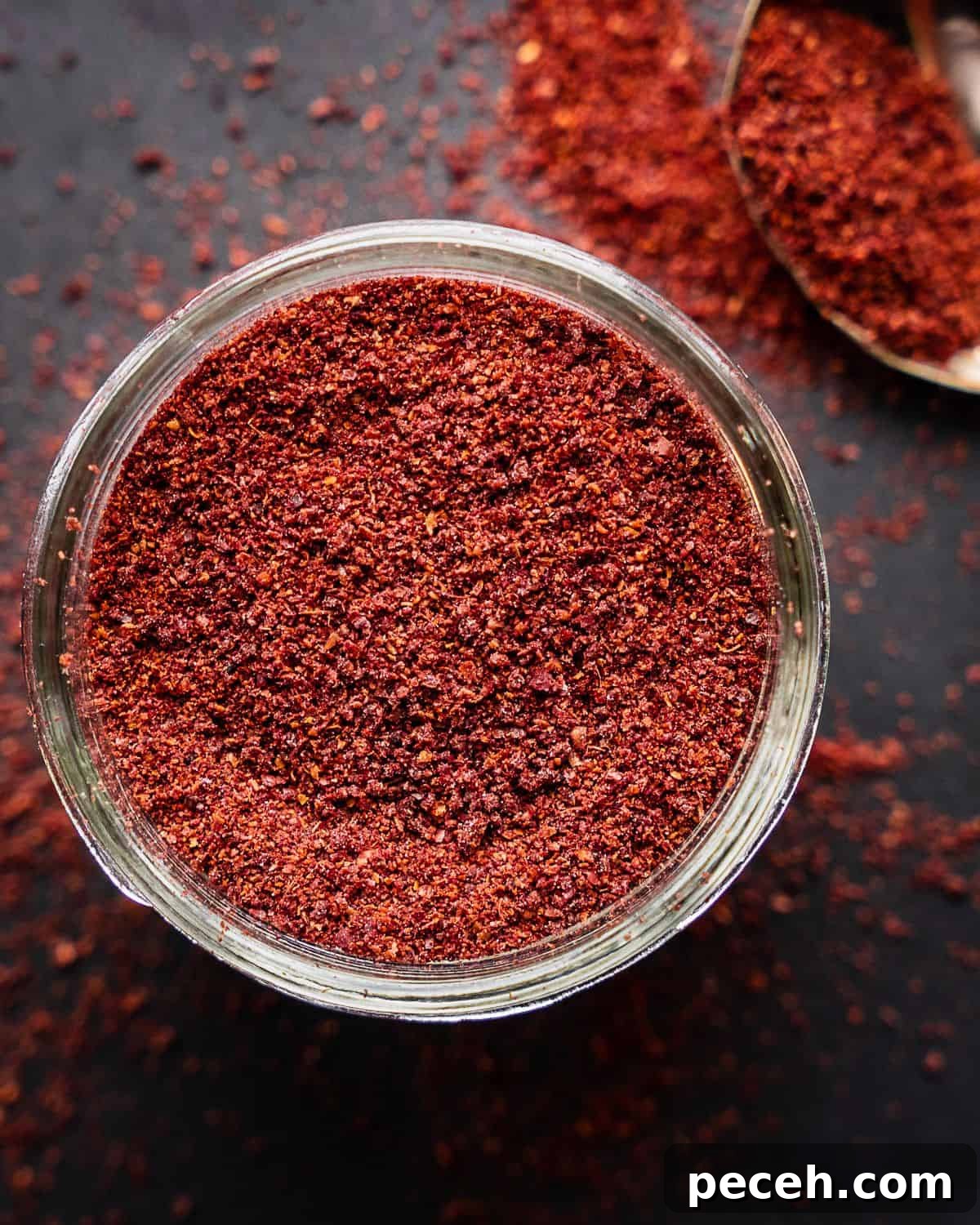
Sumac is a versatile, tangy spice long prized across the Middle East. With a bright, citrus-like acidity and deep red color, ground sumac is a staple in many regional dishes and a key component of za’atar. Though less familiar outside its native region, it is gaining popularity worldwide for its unique flavor and culinary flexibility.
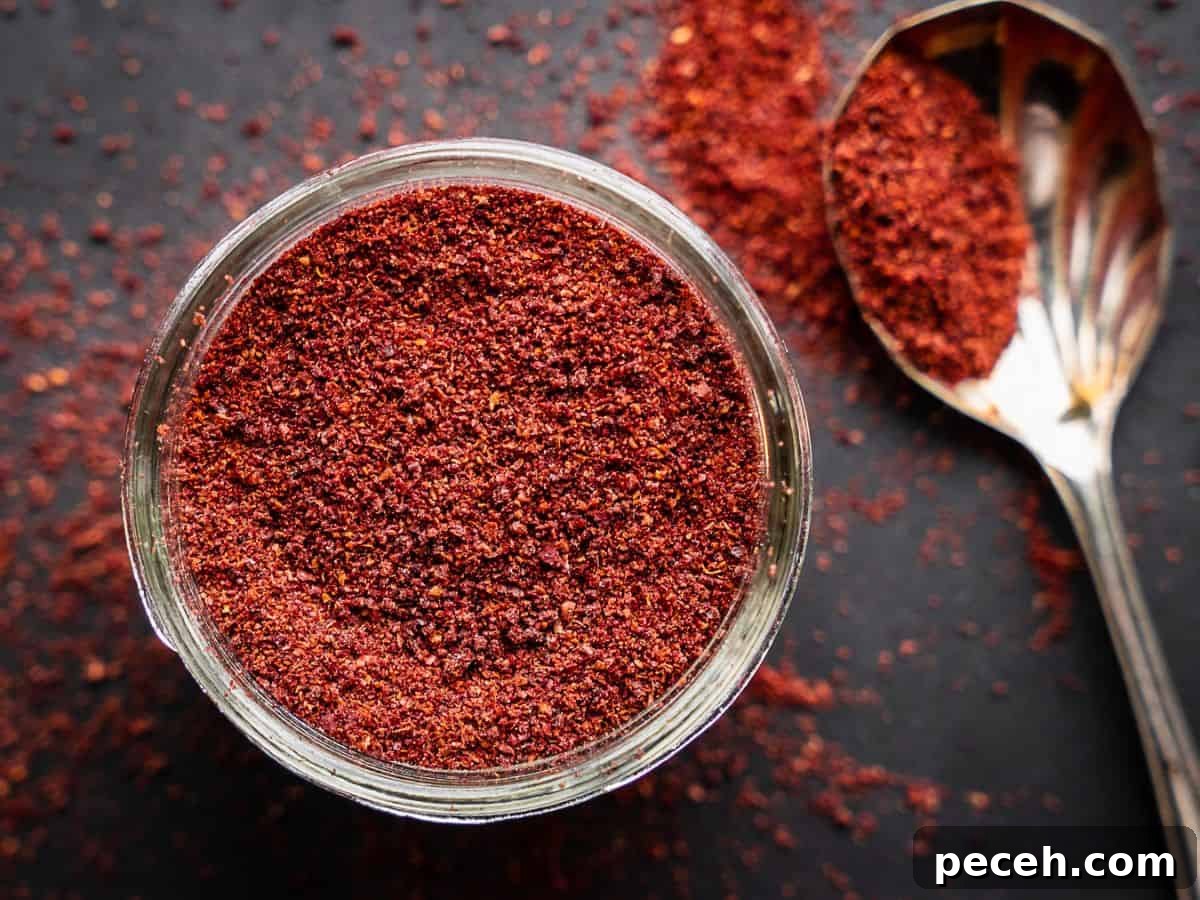
Table of Contents
- Plant information and history
- How to use Sumac
- Recipes that feature Sumac
- Other uses
- Nutritional information
- Where to buy
- How to Store
- Poison Sumac
This article covers the plant’s background, culinary uses, common preparations, storage recommendations, and safety considerations so you can start using sumac with confidence.
This guide includes information on the spice’s history, botanical background, culinary applications, suggested recipes, and practical tips for purchase and storage.
Plant information and history
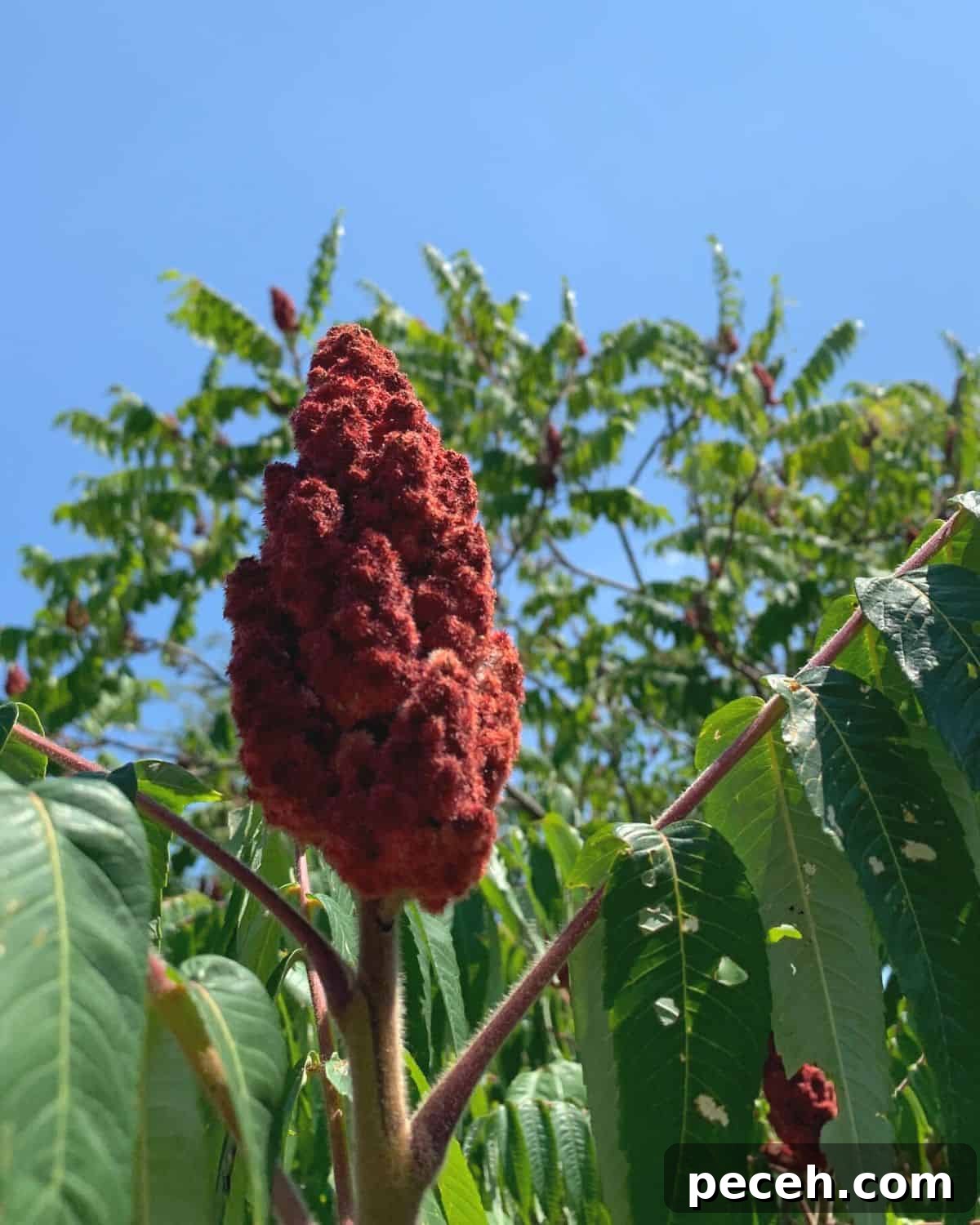
Sumac (Rhus) belongs to the Anacardiaceae family, which includes cashews, mangoes and other related species. Native to the Mediterranean and the Middle East, cultivated varieties thrive in warm, dry climates across Turkey, Syria, Iran and neighboring regions. The shrub can reach up to 20 feet and typically forms a spreading, shrubby habit.
Known in Arabic as سماق (sumāq), meaning dark red, the plant produces dense clusters of small red berries. These berries are harvested, sun-dried and ground to create the familiar ruby-colored spice. In some temperate regions, related sumac species grow wild along roadsides, in parks and in ravines.
Ground sumac offers a concentrated tartness often used as a dry citrus substitute; it brightens dishes without adding liquid. Traditional processing can be as simple as cleaning, drying and milling the berries; larger producers use temperature-controlled grinding to preserve flavor.
In Middle Eastern markets, sumac appears alongside other spices such as cumin, coriander and regional blends, where it is sold in jars, sacks or bulk bins.
How to use Sumac
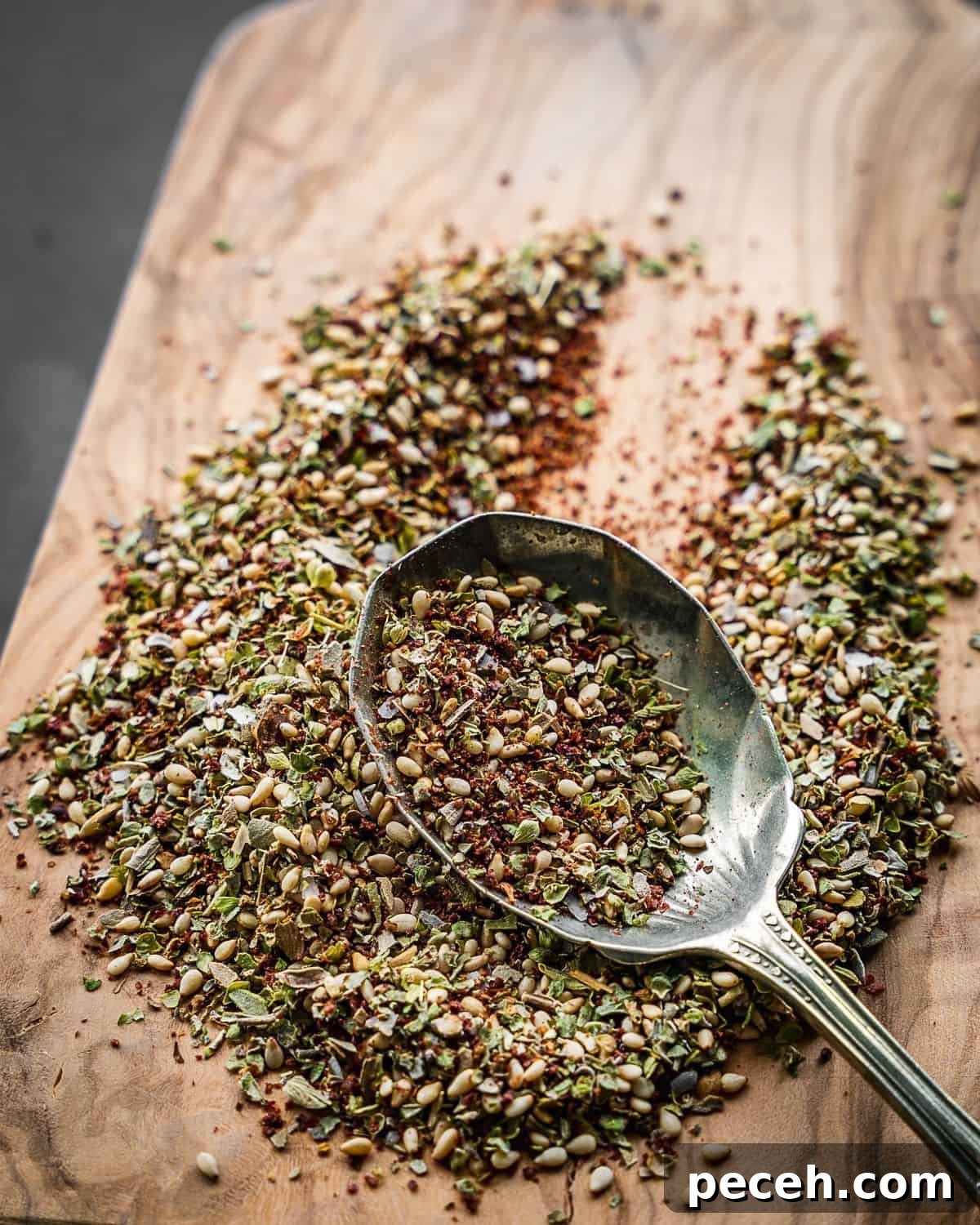
Sumac is widely used across the Levant and surrounding regions. It adds a bright, lemony note to salads, grilled meats and vegetable dishes. Common uses include seasoning kebabs, sprinkling over fattoush salad, mixing into dressings and marinades, and folding into dips like mutabal or hummus variants. It is also a component of the classic za’atar blend and pairs well with labneh and other yogurt-based preparations.
Unlike some herbs that release their aroma best when cooked, sumac delivers its tart, aromatic character both raw and cooked. Use it to finish grilled fish, roast meats, sprinkle on vegetables, or fold into grain salads. Its punchy citrus note complements spices such as cumin, coriander and sesame, and it pairs beautifully with olive oil, garlic and fresh herbs.
Classic dishes that showcase sumac include fattoush, musakhan (sumac chicken), za’atar chicken, grilled vegetables, and various mezzes. It also features in simple preparations like sumac onions—thinly sliced onions tossed with sumac, salt and lemon—that make a bright accompaniment to many Middle Eastern meals.
Recipes that feature Sumac
Here are some recipe ideas that highlight sumac’s flavor:
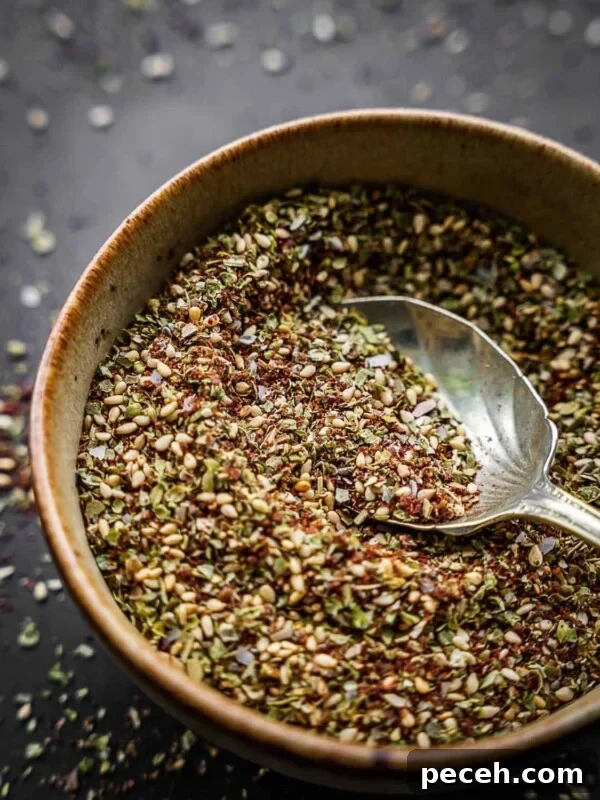
Recipes
Za’atar Spice Blend
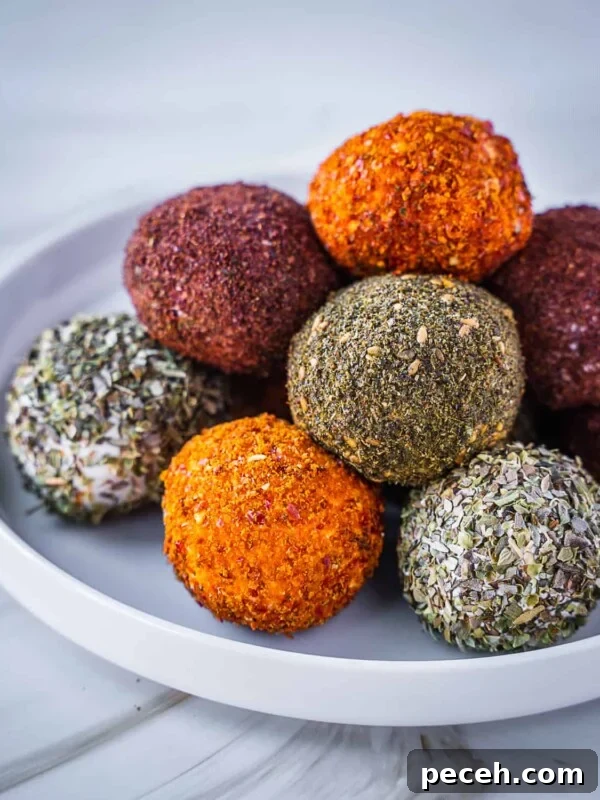
Levantine Recipes
Labneh Balls (Shanklish)
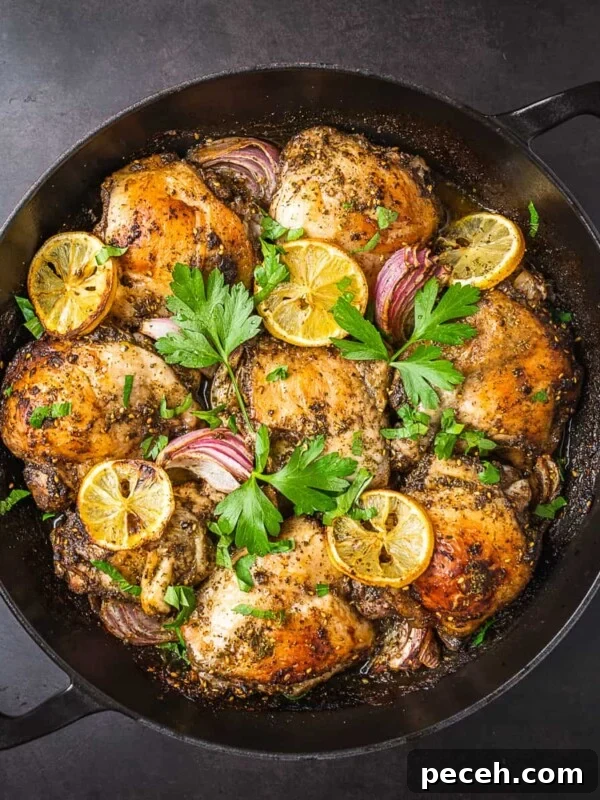
Main Dishes
Za’atar Chicken Thighs
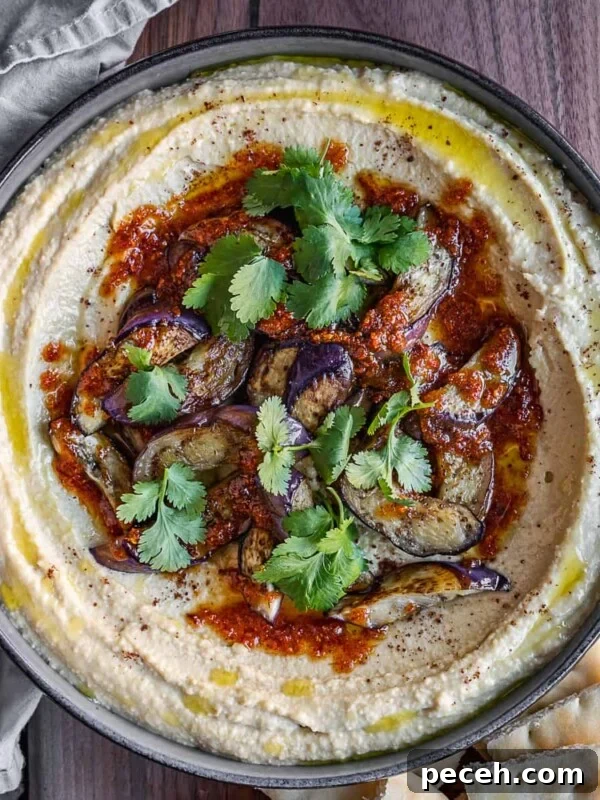
Levantine Recipes
Caramelized Eggplant Hummus
Other uses
Beyond the kitchen, sumac has a history of traditional medicinal use for digestive complaints, infections and skin issues. Some research indicates antioxidant and anti-inflammatory properties, though more study is needed to confirm therapeutic benefits. Historically, sumac has also been employed as a natural dye and as a tanning agent in leather production.
As with any traditional remedy, consult a qualified professional before using sumac for health purposes.
Nutritional information
Sumac contains modest amounts of vitamins and minerals, including vitamin C, vitamin E, iron and potassium. While typically used in small quantities as a spice, it can contribute antioxidant compounds and micronutrients to the diet when used regularly.
Where to buy
Ground sumac and whole berries are available at Middle Eastern grocery stores, specialty spice shops and many international markets. As demand grows, you may also find it in larger supermarkets and selected natural-food retailers. It is sold in both small jars and bulk packaging—choose what fits your usage so the spice stays fresh.
How to Store
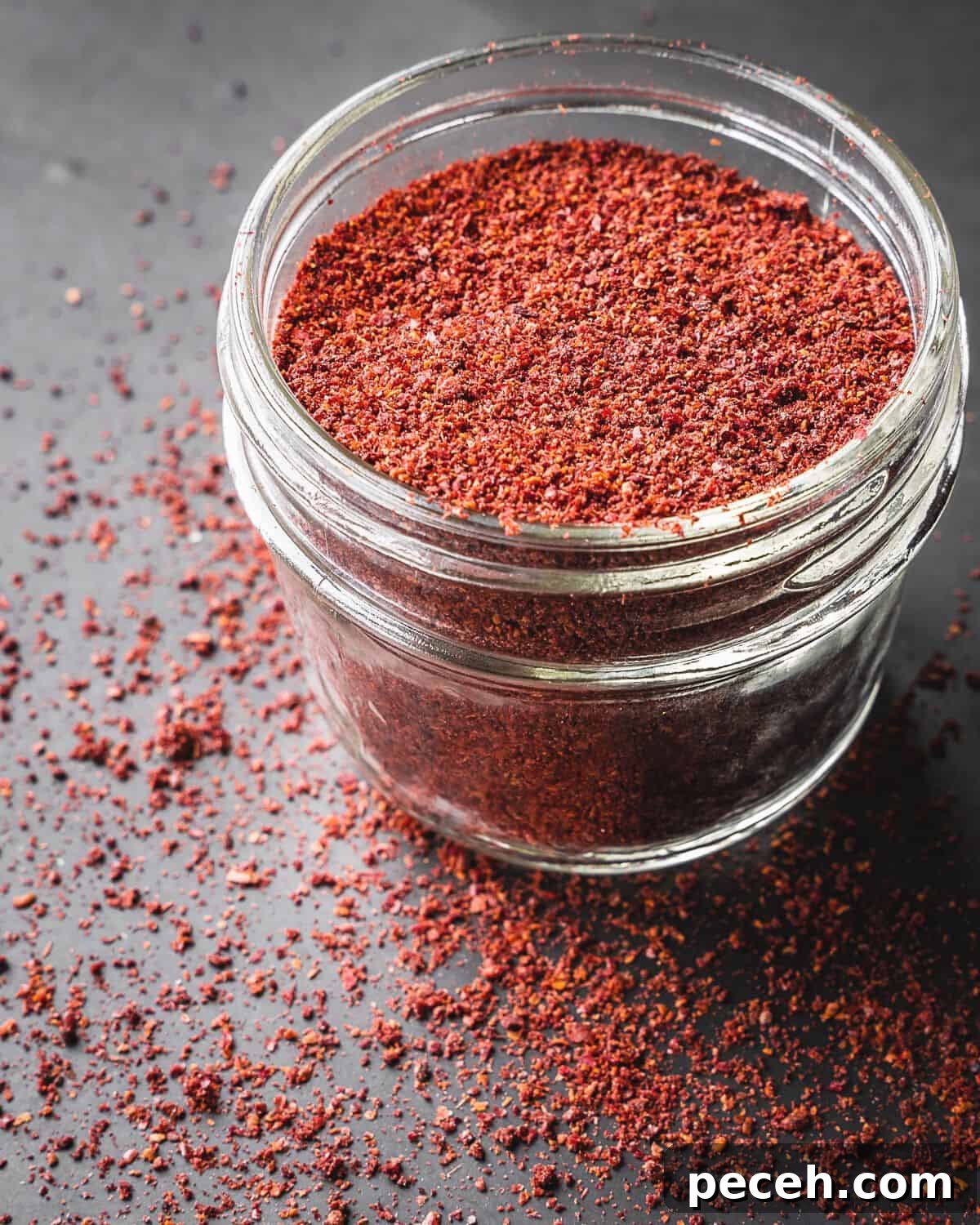
Store sumac in an airtight container in a cool, dark pantry away from heat, light and moisture. It does not require refrigeration. For best flavor, use ground sumac within about six months; if you use it infrequently, buy smaller amounts or whole berries that keep longer and grind as needed.
Poison Sumac
Poison sumac (Toxicodendron vernix) is a different species that grows in wet areas and contains the allergen urushiol, which can cause severe skin reactions. It typically has red stems and pale berries, and its foliage differs from culinary sumac. If you plan to forage, use reliable identification guides and exercise caution to avoid contact with poisonous species.
If you are not foraging and buy sumac from reputable suppliers, the risk of confusing edible and poisonous plants is minimal. When in doubt, consult a local foraging expert or guidebook.