What’s Eating You? is a weekly advice column where I answer readers’ cooking questions. Today’s column explains how to avoid burning garlic when frying or sautéing it.

I have to admit it: I still burn garlic occasionally. Even confident cooks find garlic tricky because it goes from golden and fragrant to bitter and burnt very quickly. If you’re browning garlic at the start of a recipe and it keeps turning dark, you’re not alone. You may be adding it too soon, using garlic that’s been overly crushed, or cooking at too high a temperature. Here’s how to prevent that bitter, burnt flavor and get evenly developed garlic taste instead.

Start with how you prepare your garlic. A common method to peel cloves is to smash them with the flat side of a knife. That’s quick and satisfying, but it crushes the clove and releases the natural sugars and juices. Those exposed sugars brown and then burn faster when they hit hot oil. The same is true if you finely pulverize garlic with a press or very rough chopping: the more crushed and juicy the garlic, the faster it will scorch.
If you prefer to smash the cloves, adjust when you add them to the pan. Introduce smashed or finely chopped garlic later in the sautéing process—after onions, carrots, or other aromatic vegetables have already softened and released some moisture. Those vegetables create a gentler pan environment and help prevent the garlic from hitting super-hot oil alone. Sauté smashed garlic only briefly, until it becomes fragrant—about a minute—then add liquids or more vegetables so it doesn’t continue to cook in dry, hot oil.
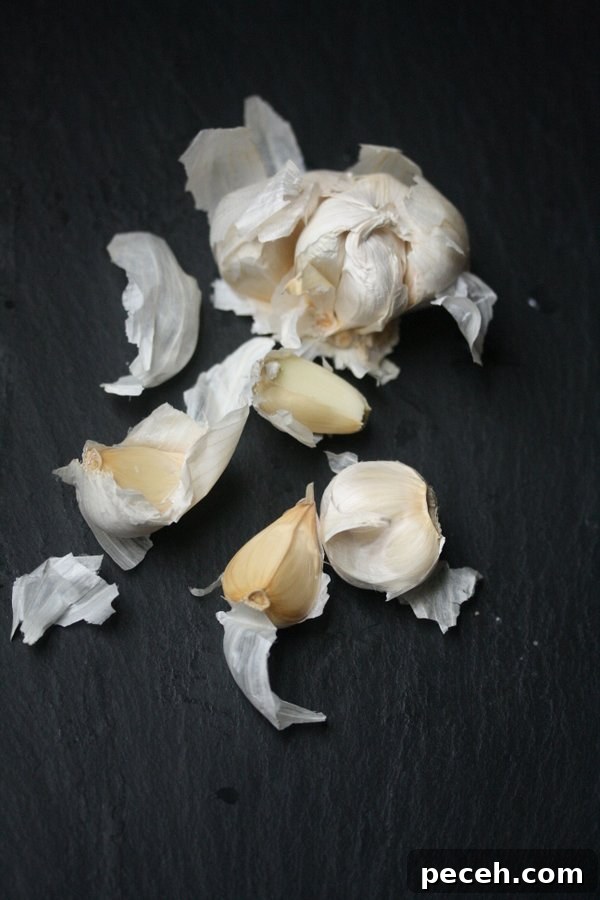
If you prefer to start garlic in oil with nothing else in the pan, prepare the cloves so they won’t burn as quickly: peel them first, then slice or dice uniformly. A simple method is to trim the stem end, slice the clove in half to remove the skin, then thinly slice or dice by making horizontal and vertical cuts. Intact slices or small dice will brown more evenly than a crushed or pulpy clove.
Control the heat. Keep the flame at medium when frying garlic in oil. Watch carefully and when the garlic edges begin to turn pale gold, immediately lower the heat or remove the pan from the burner. Heavy pans and cast-iron skillets retain heat long after you lower the flame, so if the garlic is moving too quickly, shift the pan to a cooler burner or briefly off the heat to slow the cooking. Have your next ingredient ready to add, because garlic can darken in a flash. After the garlic is safe—either submerged in sauce or combined with other ingredients—you can raise the heat again if needed.
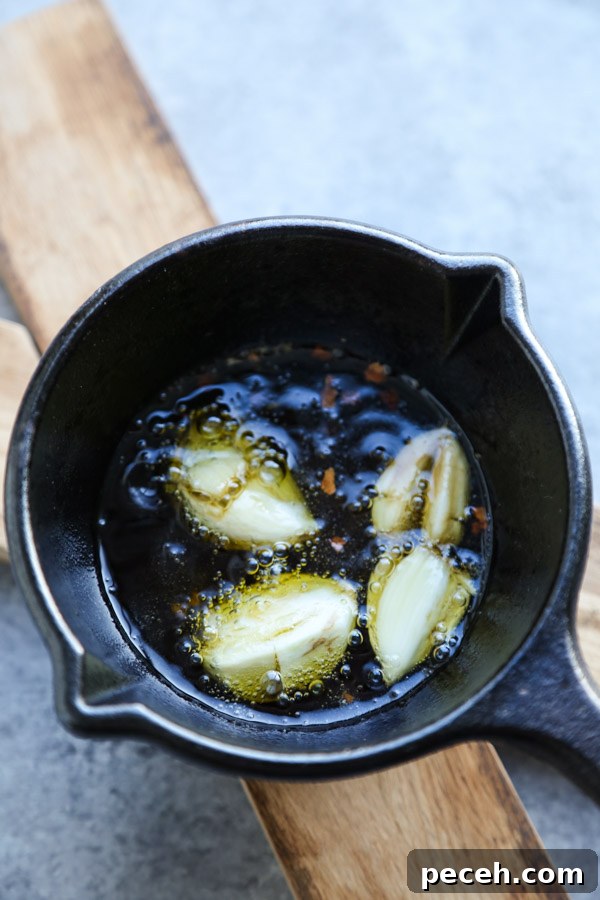
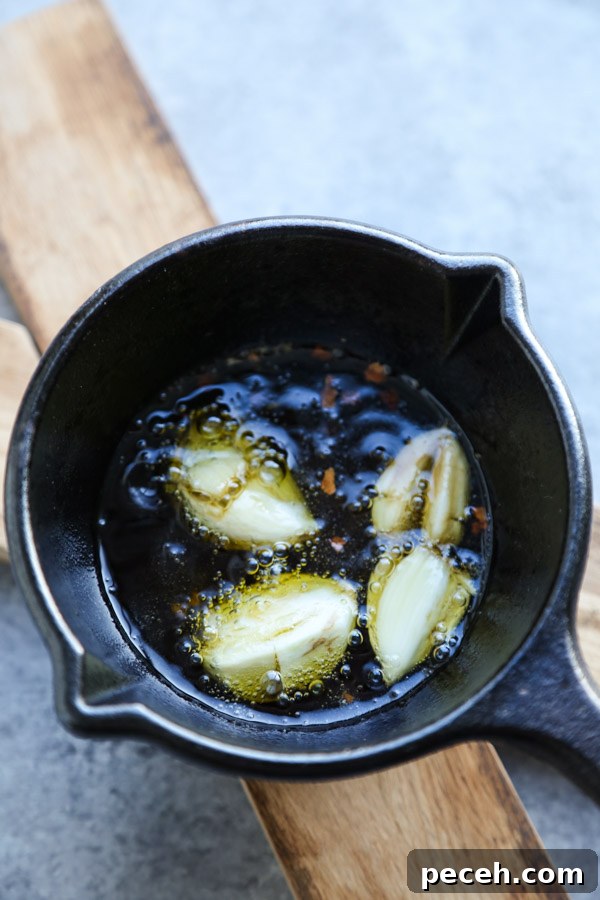
An easy technique to get garlic flavor without the risk of burning is to brown whole peeled cloves in oil, then remove them once they’re golden. Continue the recipe, and add the cloves back later while simmering so they infuse flavor without scorching. For a low-FODMAP option, garlic-infused oil can add garlic aroma without the fructans some people avoid.
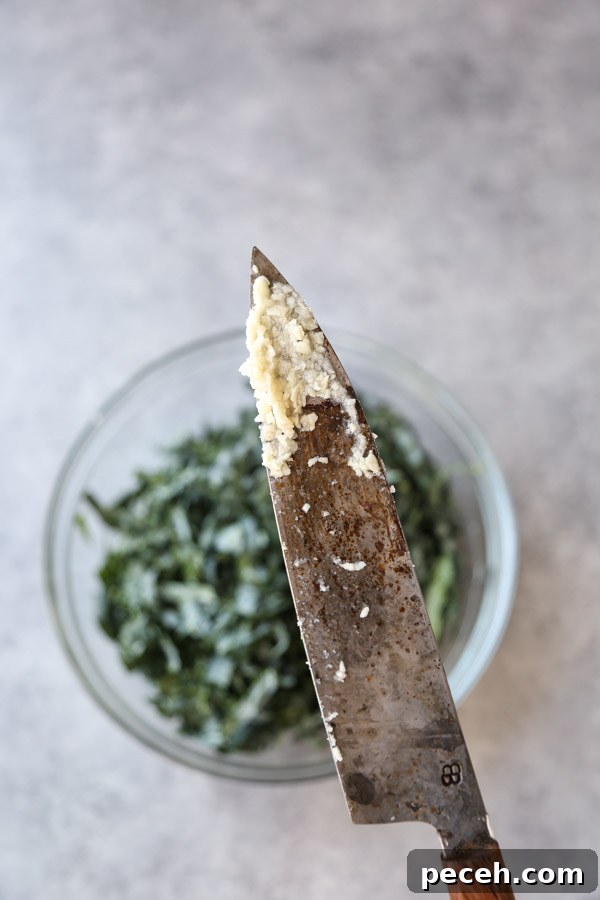
Avoid using a garlic press when you plan to cook the garlic in hot oil. A press pulverizes the clove, producing a pulpy, juice-rich paste that browns and burns very quickly. Garlic pressed like that is best used raw or added later in cooking where it won’t be exposed to direct high heat for long.
In short: prep garlic according to how you’ll cook it, control the heat, and add it at the right time. If you slice or dice whole cloves, cook on medium and watch for pale gold, then lower the heat or move the pan. If you’ve crushed garlic, add it later once other aromatics have released moisture. Or brown whole cloves and remove them to flavor the oil, returning them when the dish is simmering. With attention and a few small adjustments, you can keep garlic flavorful without the bitterness of burning.
Let me know how these tips work for you.
With health and hedonism,
Phoebe
EASY RECIPES FOR NOT BURNING YOUR GARLIC
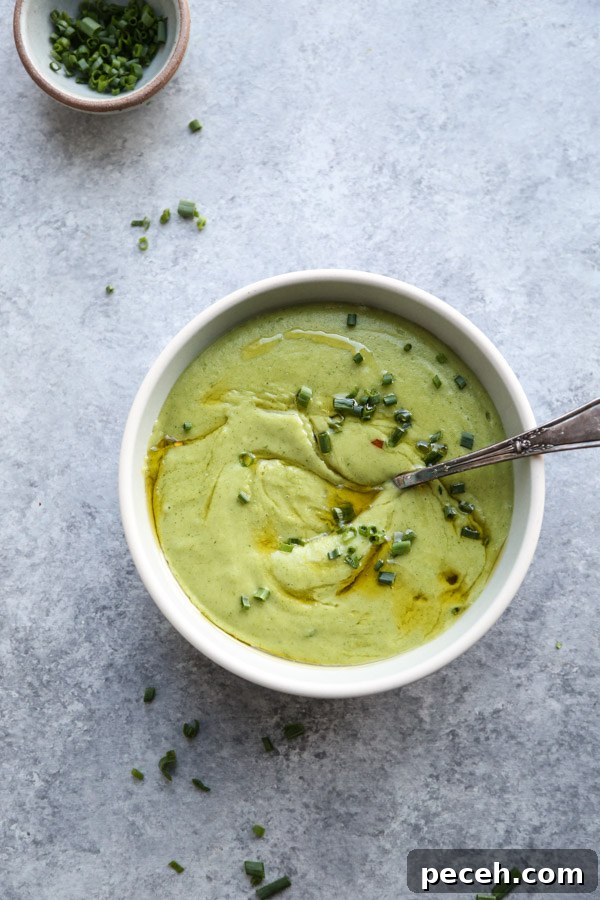
Creamy Parsnip Soup with Garlic Oil
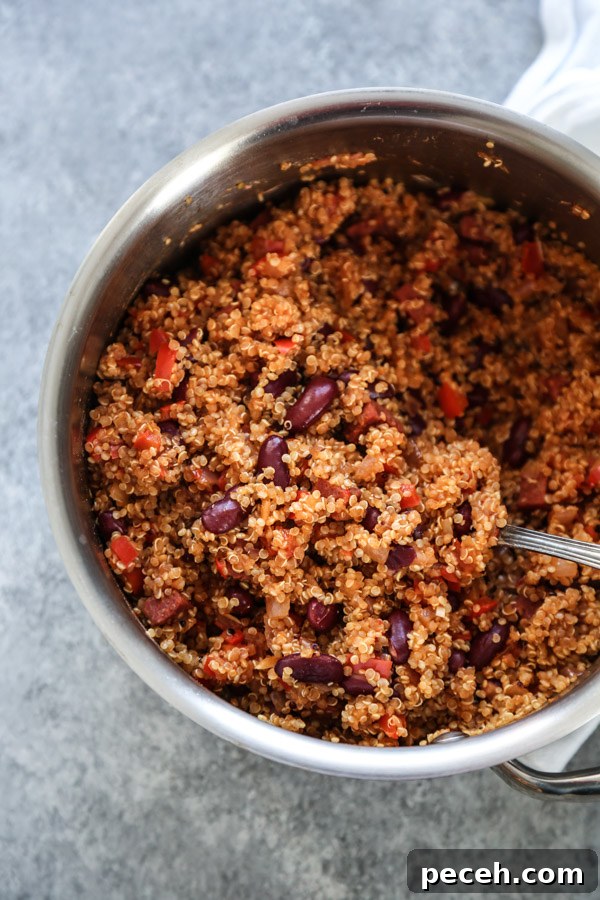
Quinoa Chorizo Pilaf with Peppers and Kidney Beans
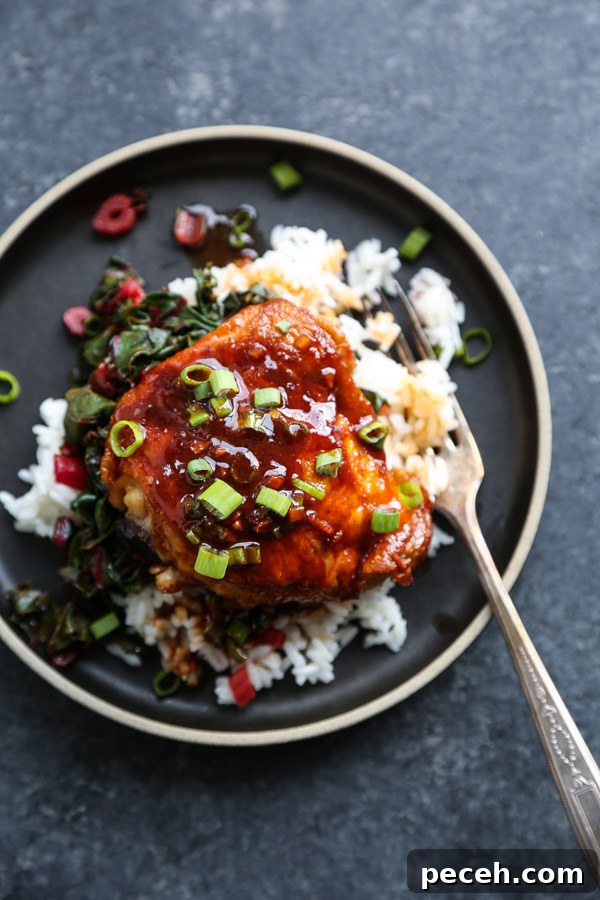
Korean Spicy Chicken Thighs
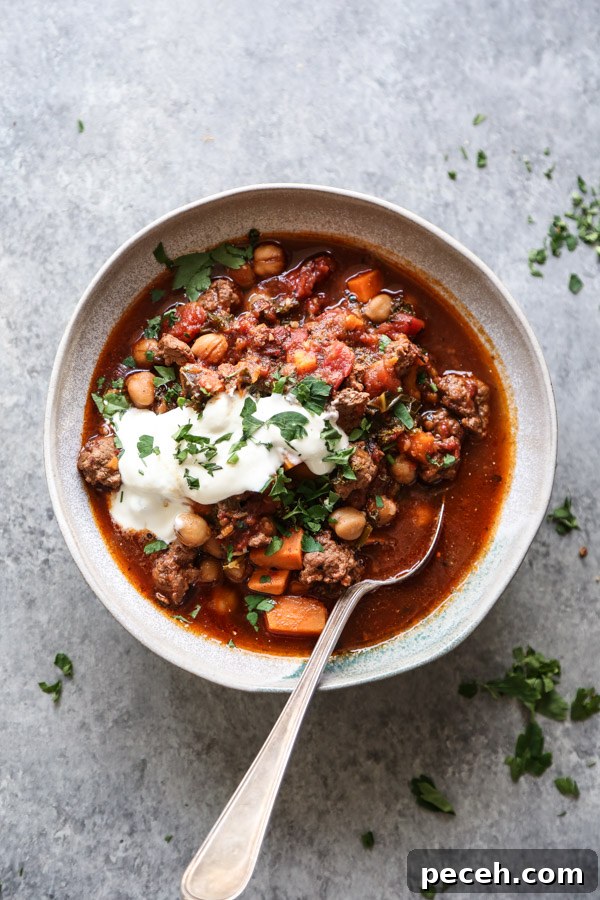
Moroccan Lamb Chili