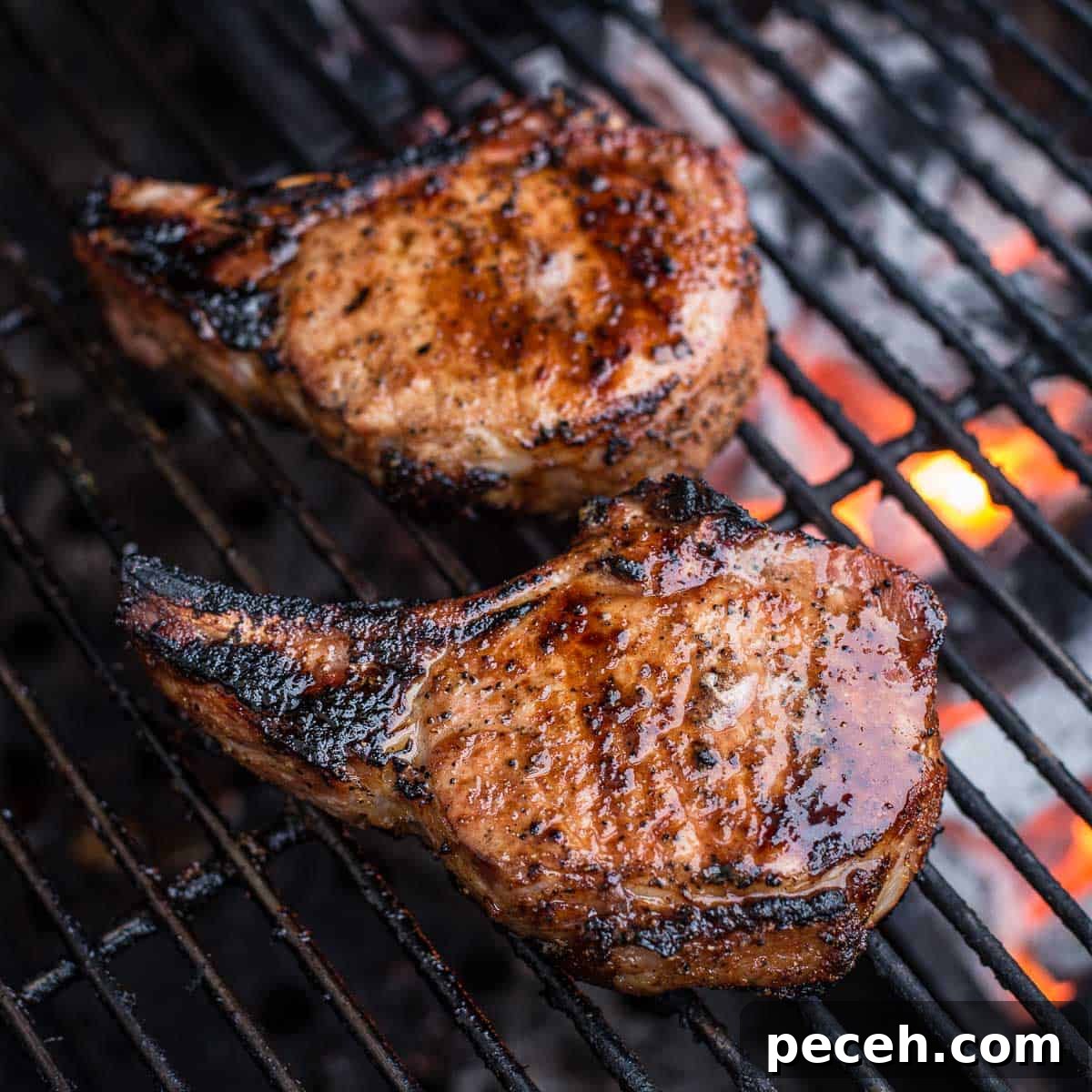
If you enjoy meat, pork chops have likely appeared on your plate. But what exactly is a pork chop, where does it come from on the pig, and what makes different chops unique? This guide explains the main pork chop cuts, how they differ, and practical cooking methods to get the best results every time.
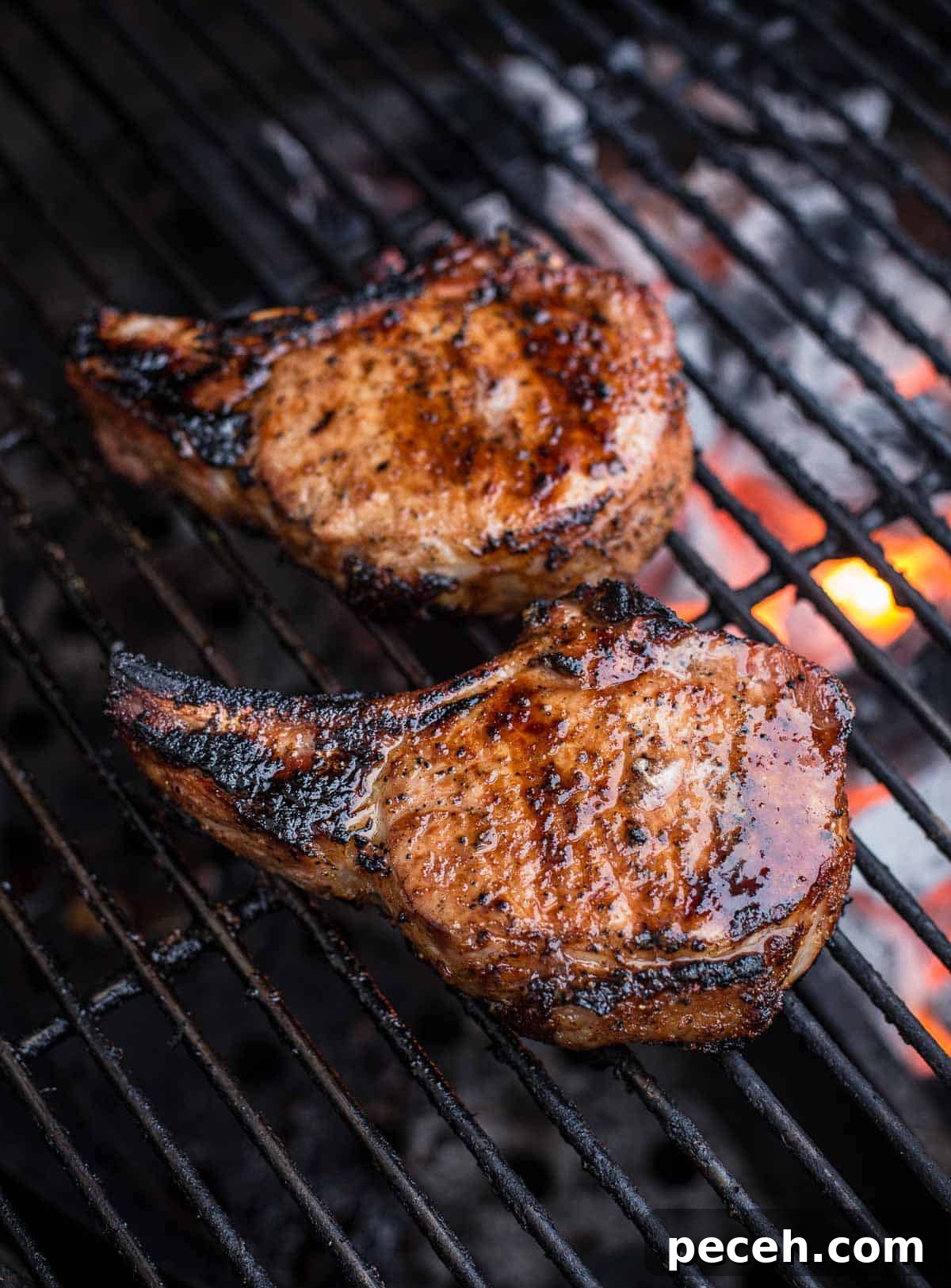
Table of Contents
- The Basics of Pork Chops
- Bone-In vs. Boneless
- Shoulder Chops
- Rib Chop
- Loin Chop
- Sirloin Chop and Pork T-Bones
- Preparing and Cooking Pork Chops
- Frequently Asked Questions
- What to Serve With Pork Chops
- Get Cooking
The Basics of Pork Chops
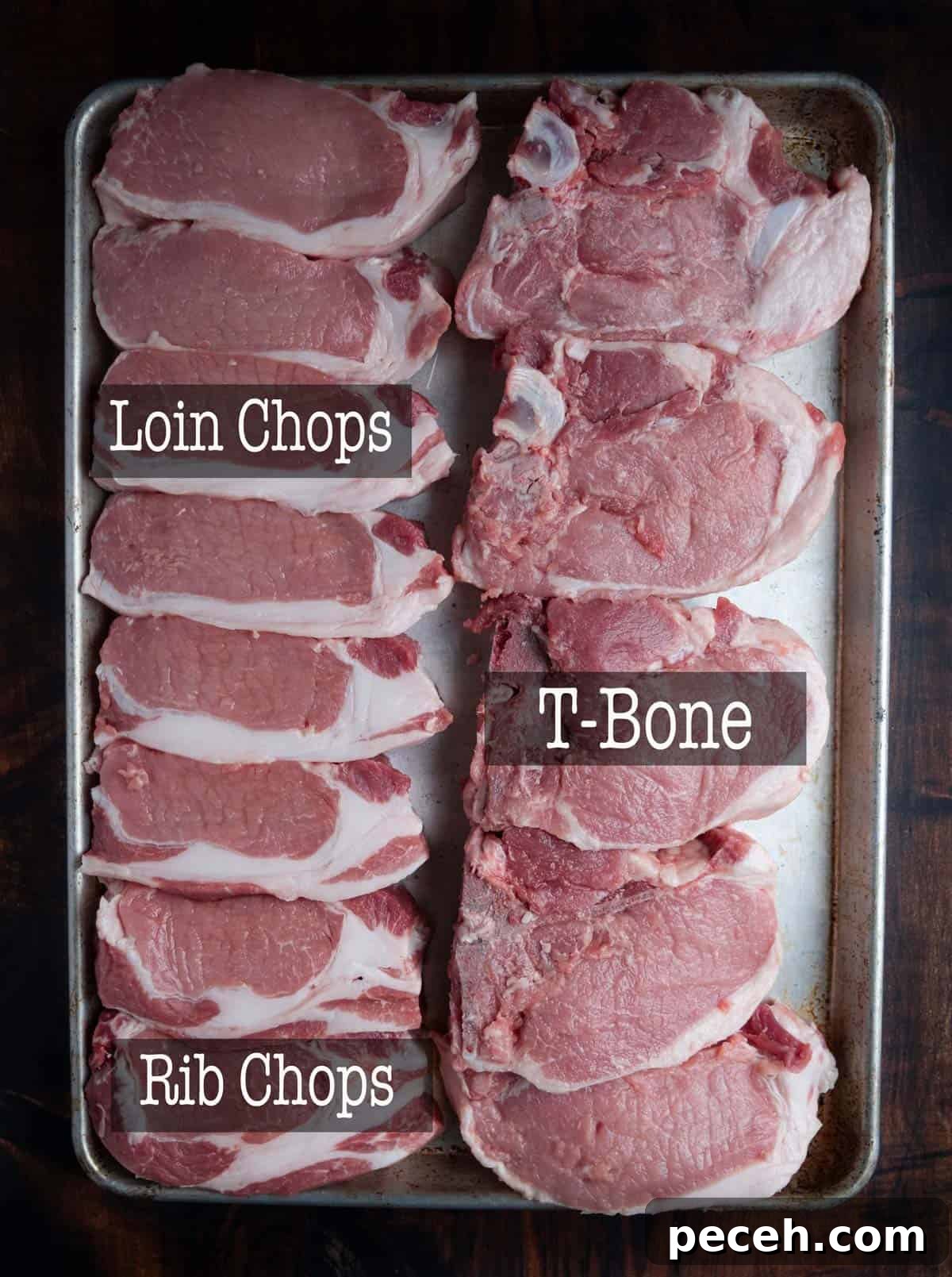
Pork chops are cuts from the pig’s loin and surrounding areas. The loin extends from the shoulder along the backbone to the ham, and it yields a range of chops with different textures, fat content, and flavor. A whole pork loin is a large primal cut, so butchers can produce many distinct chops from it. Knowing where each chop comes from helps you choose the right cut for your recipe and cooking method.
As you move from the shoulder toward the ham, the bone structure and muscle composition change, which affects tenderness and taste. Some chops have more marbling and connective tissue, while others are lean and tender. Understanding these differences makes it easier to select the best chop for grilling, roasting, pan-searing, or braising.
Bone-In vs. Boneless
Both bone-in and boneless pork chops are common. Bone-in chops add flavor from the bone and surrounding fat, which can keep meat juicier during cooking. Boneless chops are easier to slice and quicker to cook, offering convenient portioning and often a lower price. The choice depends on your cooking technique, desired presentation, and personal preference.
Shoulder Chops
Shoulder chops, also called blade chops, come from the front portion of the loin near the shoulder and often contain more fat and connective tissue. That marbling delivers strong pork flavor and makes these chops well suited to methods that render fat and break down connective tissue, such as slow grilling, smoking, or braising. They can be slightly chewier than loin cuts but are excellent when cooked properly.
Because shoulder meat is denser, some cuts from the shoulder are better suited for stews and cubed preparations. When grilled or smoked and finished with a sear, shoulder chops develop excellent color and flavor.
Rib Chop
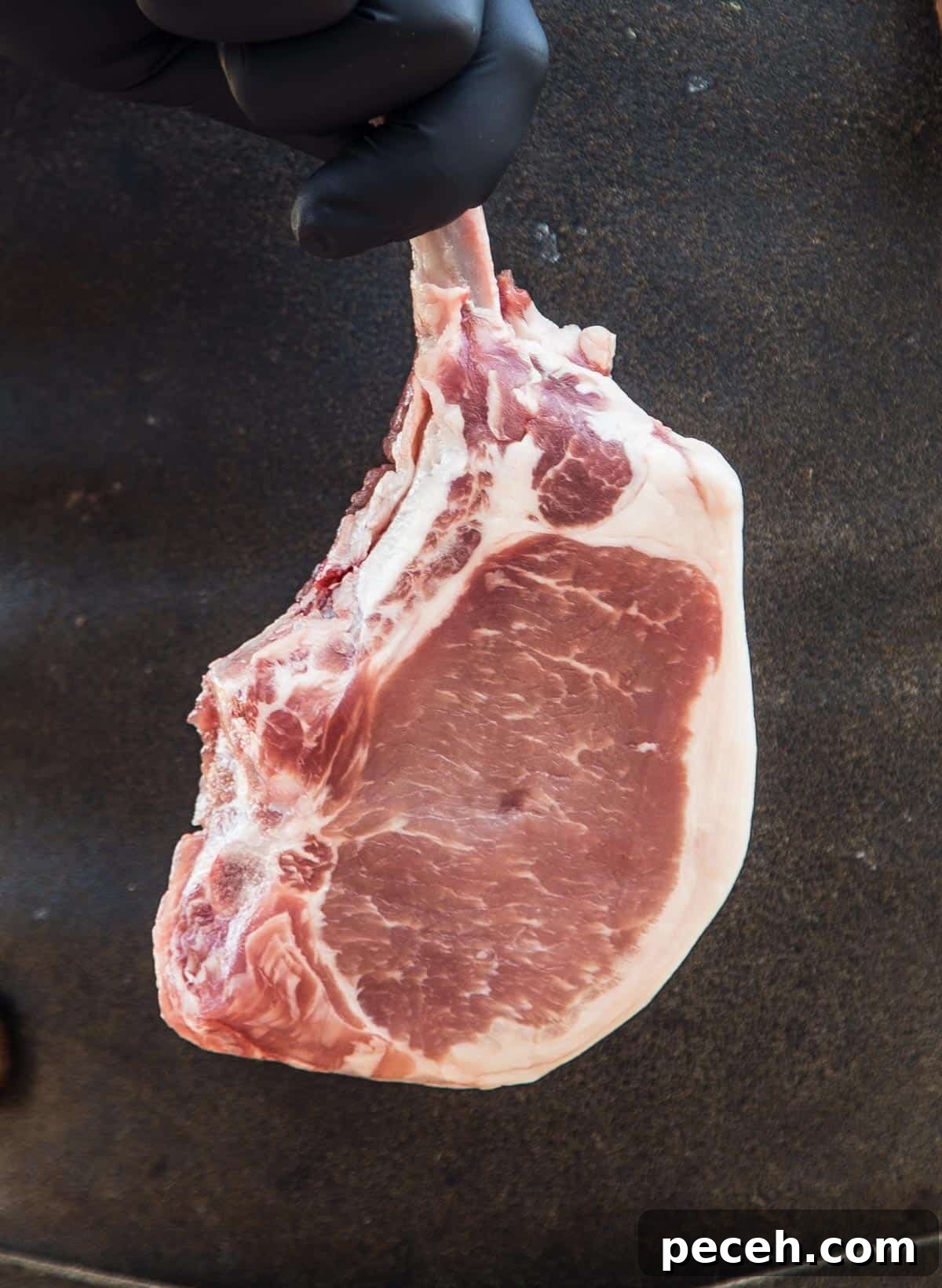
The rib chop, often called the center-cut chop, comes from the rib section. It usually has a band of fat along the top and offers generous marbling, which makes it one of the most flavorful and forgiving chops. Rib chops are akin to a ribeye steak in the beef world and are commonly served as thick-cut chops or tomahawk-style pork steaks.
These chops handle high heat well, making them ideal for quick, hot grilling or pan-searing. They also take to thicker preparations and roasting if you want a celebration-style presentation.
Loin Chop
Loin chops are cut from the top of the loin near the spine and are typically lean and tender. Because they are leaner than rib chops, loin chops cook quickly and require careful timing to avoid drying out. They work well as thin chops for a fast sear or thicker cuts finished with a reverse sear to retain juiciness.
Because of their tenderness and relatively neutral profile, loin chops pair nicely with a wide range of sauces, glazes, and seasonings.
Sirloin Chop and Pork T-Bones
Closer to the ham, sirloin chops and pork T-bones include denser bone and a mix of loin and tenderloin meat. Pork T-bones offer two distinct textures on one chop—the larger loin portion and the smaller, very tender tenderloin—similar to a beef T-bone.
These cuts present well and tend to be most impressive when cut thick (1½ inches or more). The tenderloin portion cooks quickly, so keep a close eye on internal temperature when preparing T-bone chops.
Preparing and Cooking Pork Chops
Choosing the correct cooking method for the cut you have will make a big difference. Here are practical techniques and tips to get consistent results.
Brining
Because pork generally has less natural marbling than beef, brining helps add moisture and seasoning throughout the meat. A simple brine balances salt and sweetness and can be customized with aromatics like garlic, peppercorns, or apple slices for a fruit-forward flavor.
- Ratio suggestion for about 4 pounds of meat: 1 gallon water, 1 cup kosher salt, 1 cup cane sugar.
Seasoning and Marinades
Basic seasoning—salt and pepper—often delivers the best results for high-quality chops. For extra flavor, use garlic, herbs, or a simple spice rub. Marinades can add complexity: citrus or vinegar-based blends tenderize, while sweet elements like maple or brown sugar create caramelization during cooking.
Grilling Pork Chops
Grilling highlights the natural flavors of pork. Preheat your grill to medium-high, oil the chops lightly, season, and cook over direct heat. Watch for flare-ups and move chops as needed to avoid burning. Thicker chops benefit from a two-zone fire so you can sear then finish over indirect heat.
Reverse Seared Pork Chops
Reverse searing—gently cooking the chops at low temperature first, then finishing over high heat—helps achieve even doneness with a flavorful crust. Smoking or slow-roasting followed by a hot sear in a cast iron pan is a reliable approach for thicker chops.
Pan-Searing Pork Chops
Pan-searing produces a golden crust and juicy interior. Heat a skillet with oil until shimmering, sear both sides until nicely browned, and finish in a 425°F oven if needed to reach the desired internal temperature. Basting with butter, garlic, and herbs at the end enhances flavor.
Baking Pork Chops
Baking is straightforward and forgiving for thicker chops. Arrange seasoned chops on a baking sheet, add aromatics or a light sauce if desired, and roast at around 425°F until they reach the target internal temperature. Paired vegetables can roast alongside for a one-pan meal.
Frequently Asked Questions
Yes. Pork chops are essentially pork steaks—different muscles of the pig are cut and named differently than beef, but many pork chops match the steak concept used for beef.
USDA guidance sets the target at 145°F internal temperature with a brief rest. Many cooks aim for 135–140°F and allow carryover cooking during rest to avoid overcooking; chops often rise several degrees while resting.
Yes. Pork chops offer a range of textures and flavors depending on the cut. When you match cooking technique to the specific chop, the results can be excellent.
What to Serve With Pork Chops
Pork chops pair well with many classic sides and complementary flavors. Consider these pairings:
- Mashed Potatoes: Creamy mashed potatoes balance the richness of the meat.
- Grilled or Roasted Vegetables: Seasonal vegetables add color, texture, and brightness.
- Apples or Applesauce: The sweet-acid contrast of apples complements pork beautifully.
- Wine: Medium-bodied reds like Pinot Noir or a Rhone-style blend, or fuller whites like Chardonnay or a dry Riesling, work nicely depending on the seasoning and sauce style.
Get Cooking
Pork chops are a versatile, flavorful option for weeknight meals and special occasions alike. By choosing the right cut and cooking method—brining when needed, monitoring internal temperature, and finishing with a good sear—you can consistently serve juicy, well-seasoned pork chops. Next time you visit the butcher, pick a cut that matches your planned preparation and enjoy a satisfying meal.

Get a signed copy of our cookbook! Order Now
Sean Martin is co-author of Fire + Wine cookbook and forthcoming Fire + Wine Pizza cookbook and contributing author to Vindulge. He focuses on product reviews, grilling tips, and recipe ingredients, and also works as a chef and events manager.