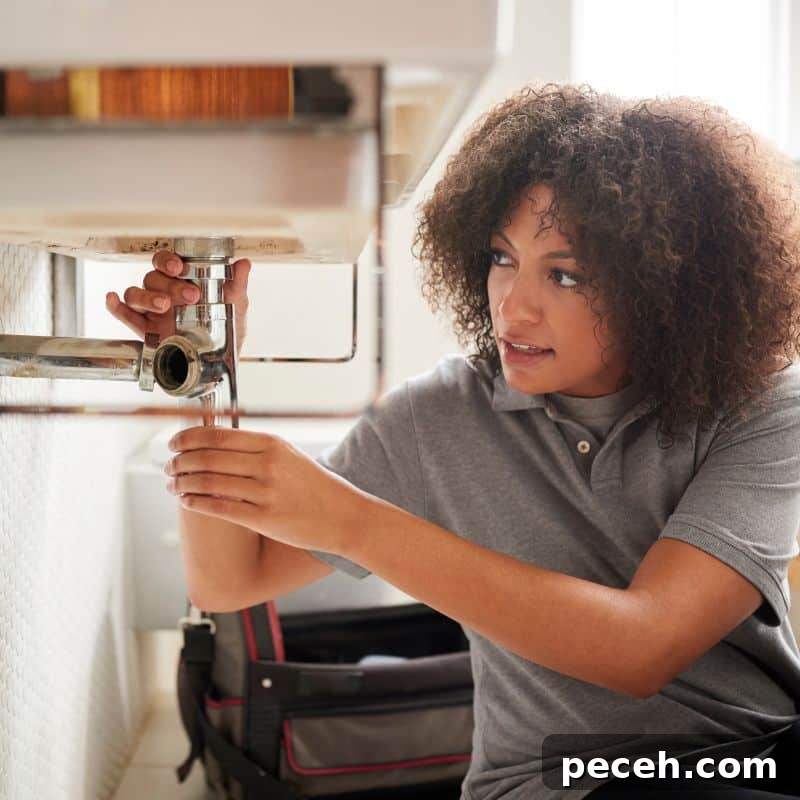
As a mom you juggle many roles — cook, chauffeur, teacher and often the household handyman. Plumbing problems can appear without warning, and knowing a few reliable fixes can save time, money and stress. The tips below are practical, safe, and designed to help you confidently handle common minor plumbing issues at home without immediately calling a professional.
Unclogging a Stubborn Drain
Clogged sink or tub drains are among the most frequent household annoyances, especially where children play with small toys. Before reaching for harsh chemical drain cleaners, try a plunger. Create a tight seal over the drain and pump firmly several times — this often dislodges the blockage. For an eco-friendly alternative, pour baking soda down the drain, follow with vinegar, let it fizz for a while, then flush with hot water. If your plumbing has complex piping, secure fittings with appropriate clamps to maintain stability while you work.
Clearing a Garbage Disposal Jam
A jammed garbage disposal can halt kitchen routines. First, turn off power to the unit at the switch or the breaker. Use an Allen wrench in the socket beneath the disposal to carefully rotate the motor and free trapped material. If that doesn’t work, press the unit’s reset button. Never reach into the disposal with your hand; use long-handled tongs or pliers if you need to remove debris. Prevent future jams by avoiding fibrous foods, large bones, or excessive grease and by running cold water while the disposal is on.
- Safety first: Always disconnect power before working on the disposal and work in a well-lit area.
- Locate and use the reset button if manual rotation does not clear the jam.
- Remove obstruction with tools, not your hands, and avoid damaging blades or internal components.
- Prevent overloads by limiting what you put down the disposal and running cold water during use.
Fixing a Running Toilet
A constantly running toilet wastes water and increases bills. Remove the tank lid and inspect the flapper; if it won’t seal, replacing the flapper is quick and inexpensive. You can also adjust the chain length or float arm so the valve closes at the proper water level. These straightforward adjustments often stop the continuous flow and restore normal operation.
Repairing a Leaky Faucet
A dripping faucet can be irritating and costly over time. Begin by shutting off the water supply to the faucet, then disassemble the handle and replace worn washers or O-rings. Identify the faucet type — compression, ball, cartridge or ceramic disk — so you can choose the correct replacement parts and procedure. Keep basic tools on hand: adjustable wrench, screwdrivers and pliers. Follow manufacturer instructions or a reliable tutorial for step-by-step reassembly to ensure a proper seal and quiet operation.
- Identify the faucet type to determine the correct repair approach and parts.
- Gather tools and replacement parts before starting to make the job smoother.
- Shut off the water supply to avoid spills or damage during repair.
- Reassemble carefully, noting the order of parts and any seals to prevent leaks.
Dealing with Low Water Pressure
Low water pressure can make everyday tasks slow and frustrating. A clogged aerator is a common and easy-to-fix cause: unscrew the aerator from the faucet, clean out mineral deposits or replace it. Verify that supply valves are fully open and check for partially closed valves that may be restricting flow. If hard water is common in your area, mineral buildup in pipes and fixtures can reduce pressure over time — cleaning aerators and showerheads and scheduling professional descaling when necessary helps maintain consistent flow.
Sealing a Leaking Pipe Joint
Leaky pipe joints can cause damage if left unattended. Turn off the water to the affected area, thoroughly dry the joint, and apply plumbing epoxy or pipe-sealing tape according to the product instructions for a temporary seal. This stopgap measure can prevent further leakage until you arrange a permanent repair or replacement. For recurring leaks or significant corrosion, consult a professional to assess and replace compromised sections.
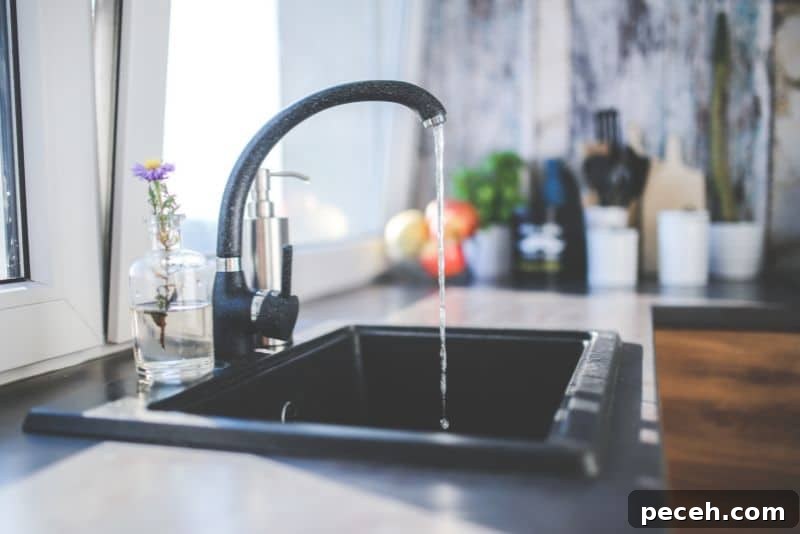
With these basic plumbing skills you can tackle many common household issues confidently. Learning a few safe techniques — plunging drains, resetting disposals, replacing flappers and washers, cleaning aerators and applying temporary pipe seals — will save time, reduce bills and give you peace of mind. When a problem looks beyond a simple fix or involves persistent leaks or major corrosion, call a licensed plumber. Until then, these practical tips will help you maintain a more efficient, reliable home plumbing system while you focus on the many other responsibilities of family life.