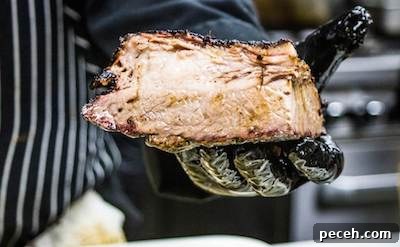
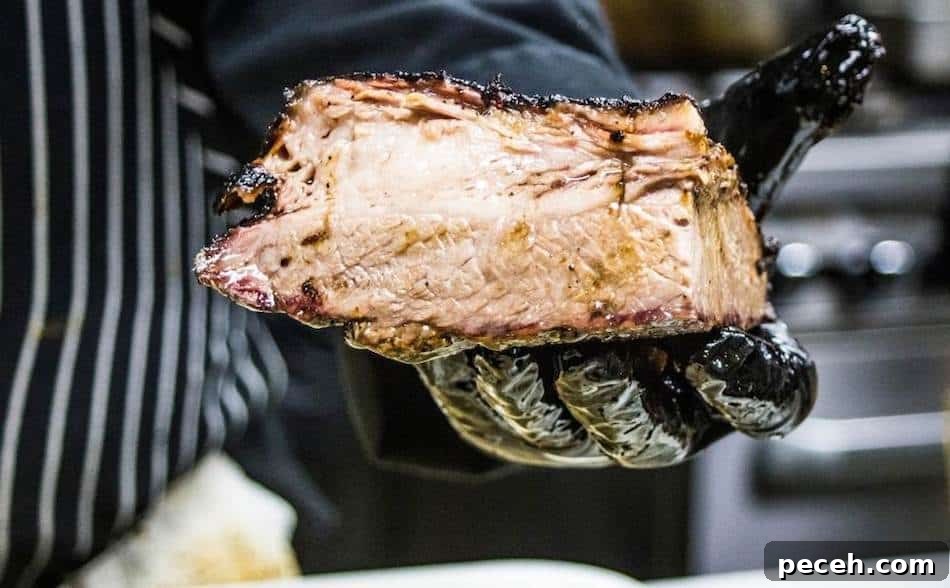
Smoking a brisket on a pellet grill is a rewarding way to showcase your barbecue skills. Achieving a tender, flavorful brisket takes patience and technique. Below is a clear, practical guide that walks you through preparation, smoking, and finishing steps so you can get consistent results every time.
To smoke a brisket on a pellet grill, set the grill between 250°F and 275°F. Smoke the brisket unwrapped until the bark firms and the internal temperature reaches about 150°F — this usually takes 5–6 hours for many cuts. Then wrap the brisket in foil or butcher paper and return it to the grill until the internal temperature reaches 203°F or the meat feels very tender when probed. Before cooking, trim the fat cap to about 1/4 inch and remove silver skin. Optionally use a thin binder (olive oil or mustard) and apply a barbecue rub. When finished, rest the brisket at least one hour or hold it in an insulated cooler for several hours before slicing and serving.
| Step | Description |
|---|---|
| 1 | Trim fat cap to 1/4 inch and remove silver skin |
| 2 | Preheat pellet grill to 250°F |
| 3 | Apply binder (optional) and a barbecue rub |
| 4 | Smoke brisket on the grill — plan roughly 1 hour per pound as a guideline |
| 5 | Spritz every 30–60 minutes with apple juice/water or preferred liquid after the first hour (optional) |
| 6 | When internal temp ~150°F, wrap in foil or butcher paper |
| 7 | Continue cooking until internal temp reaches 195–203°F and probe feels tender |
| 8 | Rest at least 1 hour before slicing; hold in a cooler up to several hours if needed |
| 9 | Slice against the grain and serve |
Tips for Buying the Best Brisket
- Choose quality: a good brisket makes the job far easier and the results better.
- Look for even marbling, a thick fat cap, and deep red color.
- Wet-aged brisket often yields improved tenderness and flavor.
- Avoid overly lean or gristly cuts.
- USDA grades: Prime > Choice > Select; buy the best grade you can afford.
No amount of technique will fully fix a poor-quality brisket. Quality and marbling matter. A well-marbled brisket with a proper fat cap will stay moist and develop great flavor during a long smoke.
Buy the highest grade you can afford
- Prime is the most tender and flavorful; Choice is a solid mid-range option; Select is leaner and less forgiving.
Trimming the Brisket
Proper trimming evens the shape for consistent cooking and removes tough or inedible parts. Keep about 1/4 inch of fat to protect the meat during the long smoke.
Trimming in four steps:
- Inspect the brisket for fat cap and silver skin.
- Trim excess fat from sides and ends, leaving roughly 1/4 inch on top.
- Carefully remove silver skin by sliding a sharp knife beneath it and trimming it away.
- Apply a binder (olive oil or mustard) if desired, then season with rub.
Dry Brining the Brisket — Optional
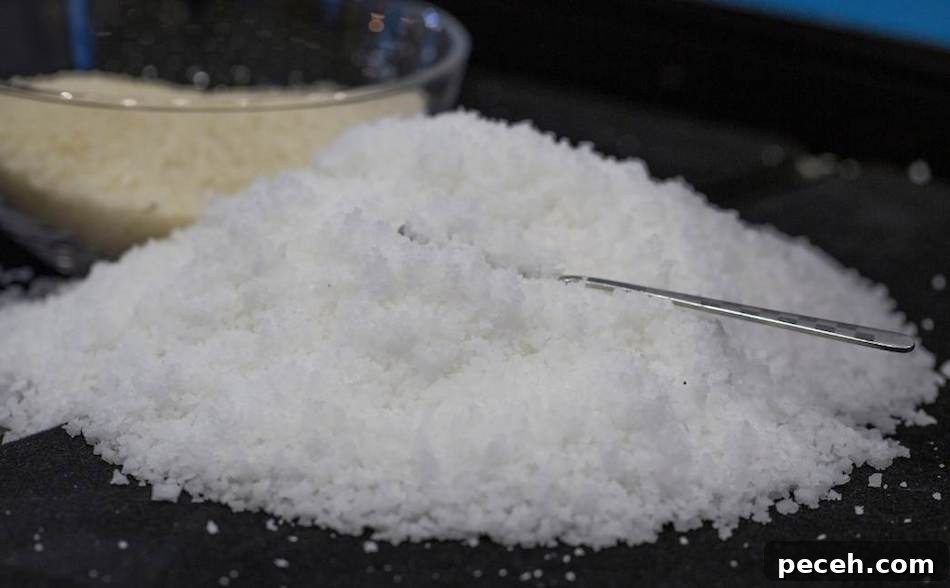
Dry brining boosts flavor and helps retain moisture. Use about 1 tablespoon of kosher salt per 2–3 pounds of meat, rub evenly, refrigerate for a few hours or overnight, then bring to room temperature before cooking. Watch salt content in your rub to avoid over-salting.
Injecting Brisket for Extra Flavor
- Injecting can add moisture and flavor to the center of the brisket.
- Use a meat injector and inject small amounts evenly throughout the flat and point.
- Pros: added flavor, potential reduction in cooking time.
- Cons: added step, risk of creating channels or over-puncturing the meat.
Injection is optional and best used carefully. Common injectables include broth, seasoned marinades, or competition-style solutions.
Applying the Brisket Rub
A good rub flavors the meat and contributes to bark formation. Mix spices thoroughly and apply an even coat over the binder. A balanced rub of paprika, garlic powder, onion powder, salt, black pepper, and some cumin and cayenne works well for many cooks.
Standard Barbecue Rub
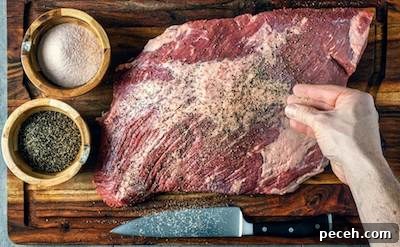
A versatile rub you can tweak to taste. Mix ingredients and store in an airtight container.
10 minutes
10 minutes
Ingredients
- – ½ Cup Paprika
- – ½ Cup Salt
- – ½ Cup Sugar
- – ½ Cup Granulated Garlic
- – ¼ Cup Granulated Onion
- – ¼ Cup Chili
- – ¼ Cup Cumin
- – 2 Tablespoons Black Pepper
- – 2 Tablespoons Dry Mustard
- – 1 Tablespoon Cayenne Pepper
Instructions
- Combine all spices in a large bowl.
- Store the rub in an airtight container.
Does Brisket Need a Binder?
A binder is a thin layer (olive oil, mustard, or light sauce) applied before the rub to help seasonings adhere. It adds a minor layer of flavor but is mostly functional. Olive oil is a neutral, reliable choice many pitmasters prefer.
Choosing the Right Wood
Wood choice shapes the smoke profile. Brisket handles smoke well but avoid overpowering woods. Popular choices:
- Oak — classic, balanced smoke.
- Mesquite — strong; use sparingly.
- Pecan — mild, nutty sweetness.
- Apple — fruity, subtle sweetness.
- Cherry — sweet and adds color.
Setting the Perfect Temperature
Common approaches:
Low and slow (225–250°F): Longer cook (8–14+ hours), deeper flavor, very tender results.
Hot and fast (300–350°F): Shorter cook (4–6 hours), easier temperature control, but may be less tender and complex.
Always Clean Your Pellet Grill Before a Brisket Cook
Clean grates and remove excess grease or debris. A clean grill promotes even cooking, avoids off-flavors, and reduces fire risk during long cooks.
Bring the Brisket Up to Room Temperature Before Cooking
Allow the brisket to sit at room temperature for about an hour before cooking. This helps the meat cook more evenly and reduces the chance of an overly charred exterior before the center reaches the right temperature.
Fat-Side Up or Fat-Side Down?
Both methods work. Fat-side-up allows rendered fat to baste the meat; fat-side-down protects the meat from direct heat. Choose based on your grill’s heat source and personal preference.
| Method | Pros | Cons |
|---|---|---|
| Fat side up | Melts and bastes meat, can improve bark | Fat may not render fully, pockets of hard fat possible |
| Fat side down | Shields meat from direct heat, fewer flare-ups | Less basting from fat, bark may be less crisp |
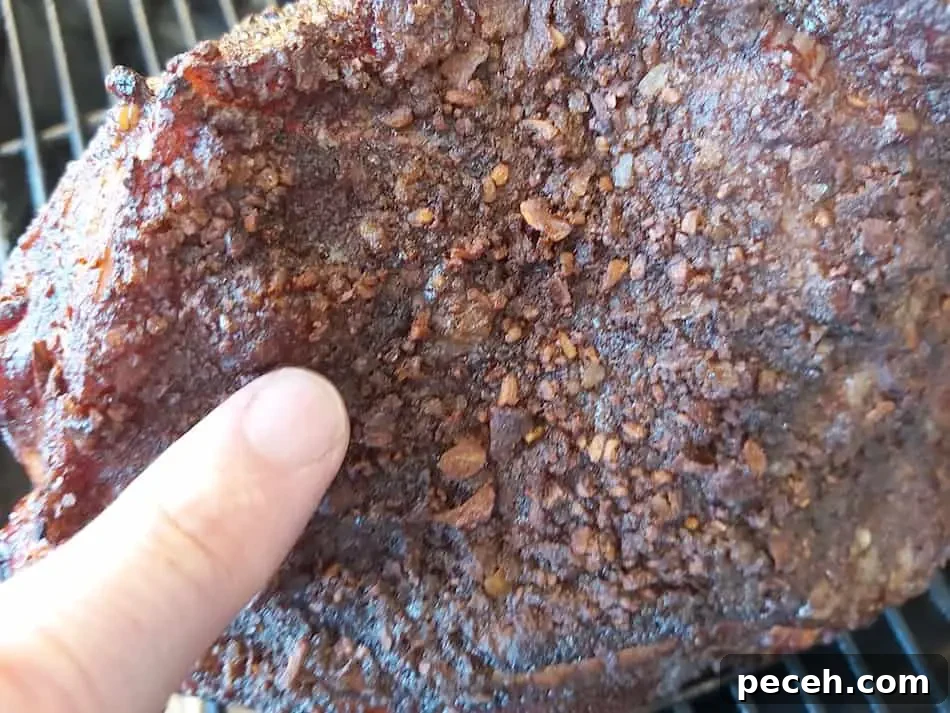
How to Develop a Crispy Bark
- Use a good dry rub and let the meat sit on the smoker long enough to form a crust.
- Avoid over-spraying once the bark forms — excess moisture softens the crust.
- The Maillard reaction between meat proteins and rub sugars creates the flavorful, dark bark.
Spritzing and Mopping — When and How
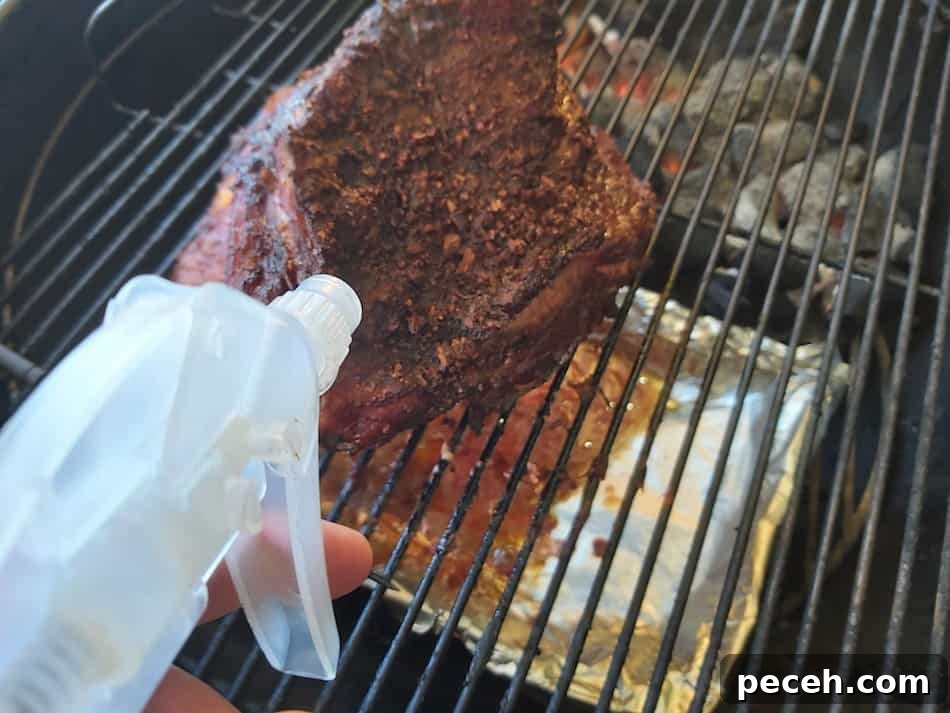
- Spritz with apple juice, cider vinegar, or broth to add moisture and flavor; use a spray bottle.
- Mopping brushes on a saucy mixture for more flavor on the exterior.
- Start after the bark begins to form and stop when you wrap or when the brisket is done to avoid softening the crust.
- Keep lid openings minimal to maintain temperature stability.
Pro Tips on Wrapping Brisket
- Wrap when the bark is set to push through the stall and speed the cook.
- Use pink butcher paper for breathability and a firmer bark, or foil for maximum moisture retention.
- Insert a probe after wrapping to monitor internal temperature.
How Long Does It Take?
Brisket cooks are variable. Expect 8–20+ hours depending on size, temperature, and whether it’s wrapped. Target final internal temperatures between 195–203°F for tender brisket. Patience is key.
| Brisket Size | Temperature | Cook Time |
| 12–18 lbs | 225–250°F | 10–18 hours (varies by weight and technique) |
| 16 lbs | 275°F | 10–13 hours |
How to Tell When Brisket Is Perfectly Tender
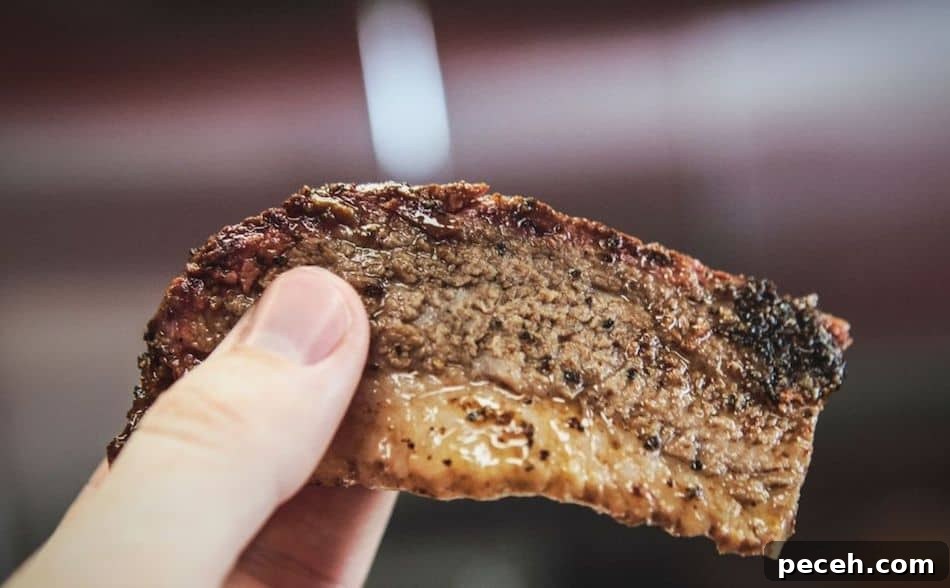
- Fork test: meat should pull apart easily.
- Toothpick/probe test: probe should slide in like butter.
- Finger bounce test: brisket should feel soft and not overly springy.
Target internal temps: 190–200°F for tender, 200–210°F for very tender. Use an instant-read thermometer for accuracy.
Why Brisket Takes So Long
- Brisket contains a lot of collagen and connective tissue.
- Low and slow cooking breaks down collagen into gelatin, producing tender meat.
- Time and gentle heat are required to convert tough fibers into a juicy result.
Ideal Resting Time
Rest brisket 30 minutes to an hour wrapped in foil or butcher paper. Resting lets juices redistribute and improves tenderness. For longer holding, place the wrapped brisket in an insulated cooler to keep it warm for several hours.
Holding Brisket in a Cooler
- Wrap brisket and place in a well-insulated cooler with towels to retain heat.
- Hold for 1–4+ hours if needed before serving; keep a probe in to monitor temperature.
How to Slice Brisket Like a Pitmaster
- Rest the brisket thoroughly before slicing.
- Trim any excess fat from the surface.
- Slice against the grain for the most tender bites.
- Slice thinly with a sharp knife for best texture.
Brisket Side Dishes
- Mashed potatoes, mac and cheese, baked beans, coleslaw, and cornbread pair beautifully with brisket.
- Salads like Caesar, arugula, or spinach provide a fresh counterpoint.
- Serve brisket on sandwiches, tacos, or sliders for versatile meals.
Smoked Brisket
Tender, juicy smoked brisket cooked low and slow. Follow trimming, seasoning, and temperature guidance above for best results.
Ingredients
- Brisket
- Barbecue rub
- Kosher salt (for dry brine)
- Yellow mustard or olive oil (for binder, optional)
Instructions
- Select a well-marbled brisket and trim to leave ~1/4 inch fat.
- Dry brine with kosher salt (optional) and refrigerate a few hours or overnight.
- Inject with marinade (optional), then apply binder and rub.
- Use oak, hickory, pecan, apple, or cherry wood. Set smoker to 225–250°F.
- Place brisket away from direct heat, add a water pan, and insert a leave-in probe.
- Let smoke undisturbed for the first few hours to build bark.
- Spritz or mop occasionally after the bark forms, if desired.
- Wrap in butcher paper or foil once bark is set and internal temp is ~150–160°F.
- Continue cooking until the brisket is probe-tender and internal temp reads 195–203°F.
- Rest 1 hour or hold in a cooler wrapped in towels. Slice against the grain and serve.
My Favorite Brisket Tools
Here are commonly recommended tools that help produce reliable brisket results: a quality meat injector, unwaxed food-grade butcher paper, a dependable leave-in probe thermometer with at least two probes, and a fast instant-read thermometer for spot checks. Invest in tools that make long cooks manageable and repeatable.
Meat Thermometers — Your Most Important Tool
Accurate thermometers are essential. Use a reliable leave-in probe to monitor internal temperature throughout the cook and an instant-read thermometer for quick checks in multiple spots when deciding doneness.