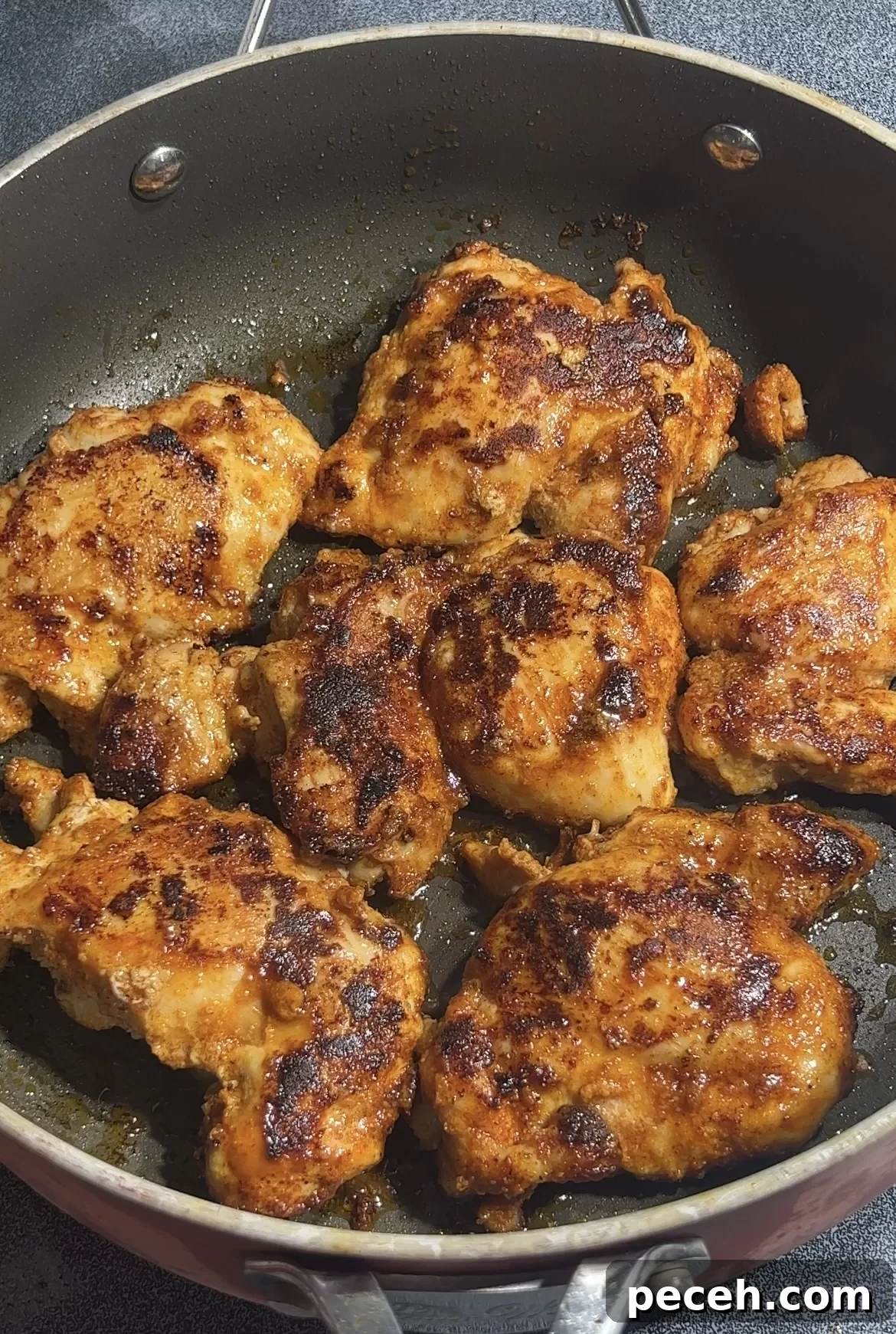
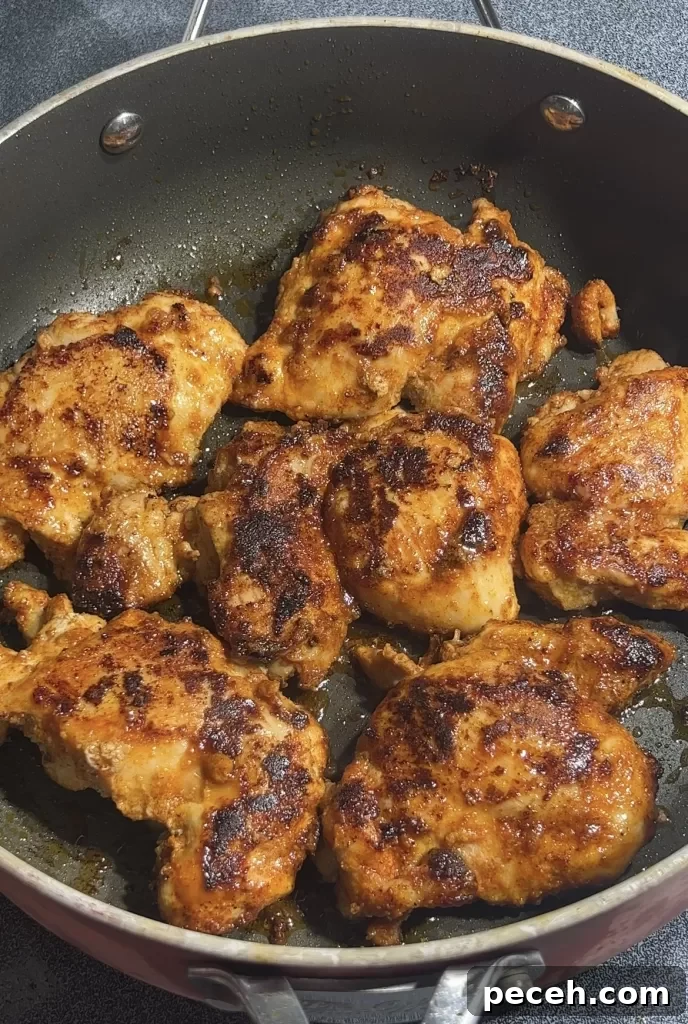
So many people—friends and strangers on social media alike—say they’re intimidated by cooking chicken. I don’t judge: salmonella is a legitimate risk, and handling and cooking chicken correctly is important. That said, after a lifetime in the kitchen I find it straightforward. I rarely reach for a meat thermometer, and my husband often asks how I know the chicken is done. My short answer is, “I just do.” This post explains a simple, reliable method to cook flavorful, juicy, tender chicken that will help build your confidence.
Can you use breasts instead of thighs?
Absolutely. The main difference is thickness: breasts can be much larger, which affects cooking time. If your breasts are thick, consider halving them or placing them in a plastic bag and gently pounding them to an even thickness. Regardless of the cut you choose, the safe target internal temperature is 165°F (74°C).
Do you have to use the seasonings listed here?
No. I seasoned these thighs to suit a meal-prep plan, but you can use any seasoning you prefer—Italian, taco, a tangy marinade, or just salt and pepper. Use flavors you enjoy.
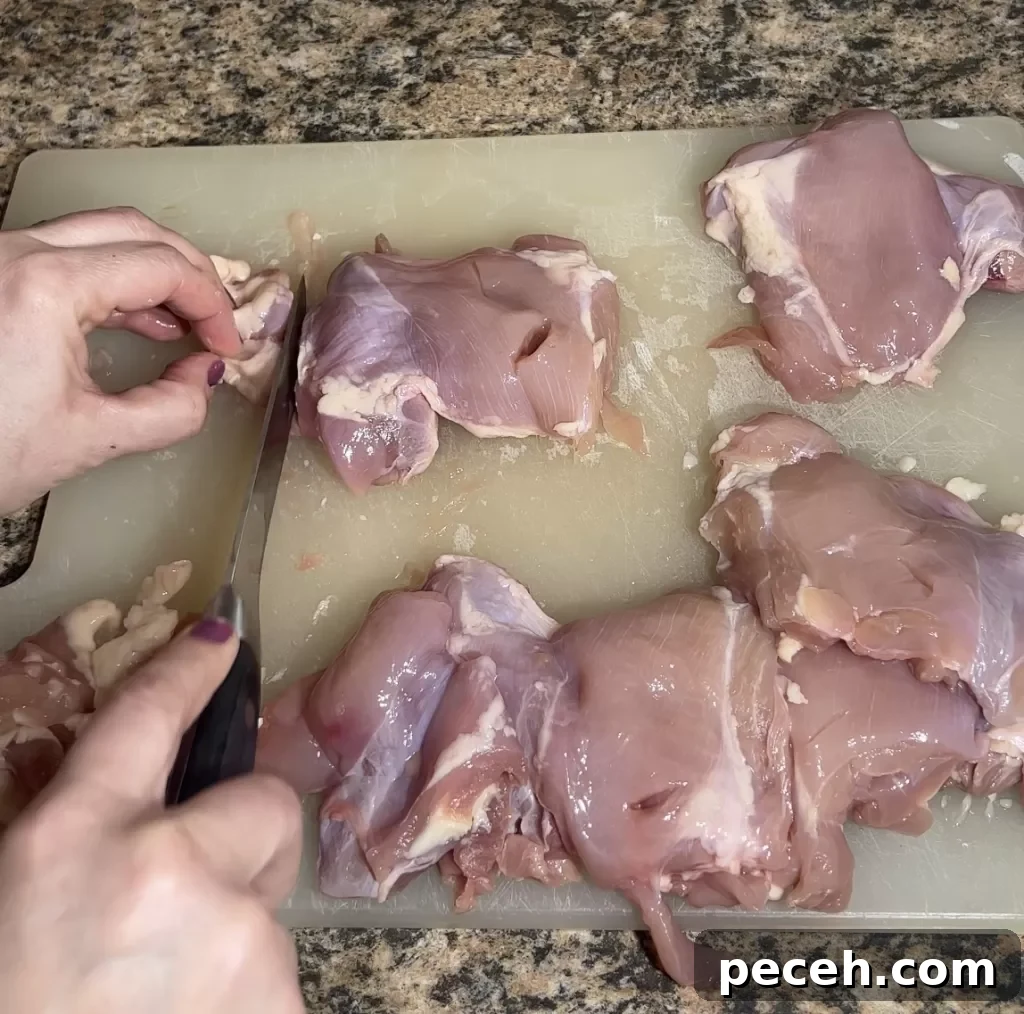
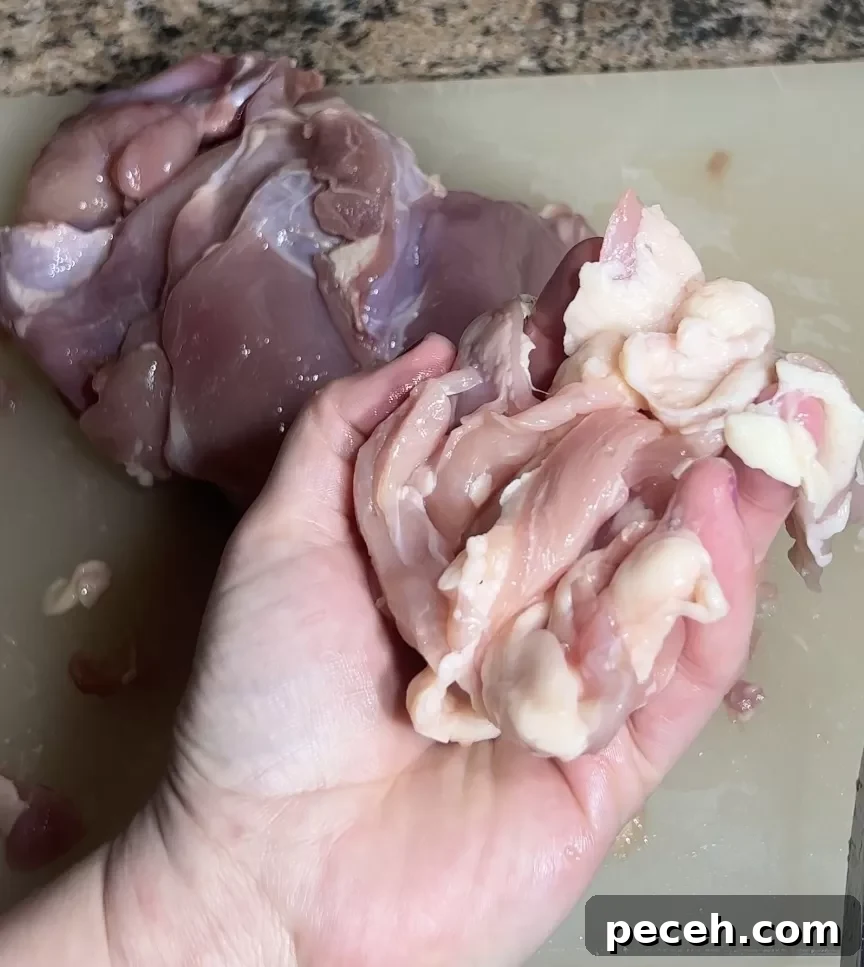
Begin by trimming excess fat from 5–6 boneless, skinless chicken thighs. Trimming is optional; save scraps for your dog or use them to make a small batch of chicken broth if you like.
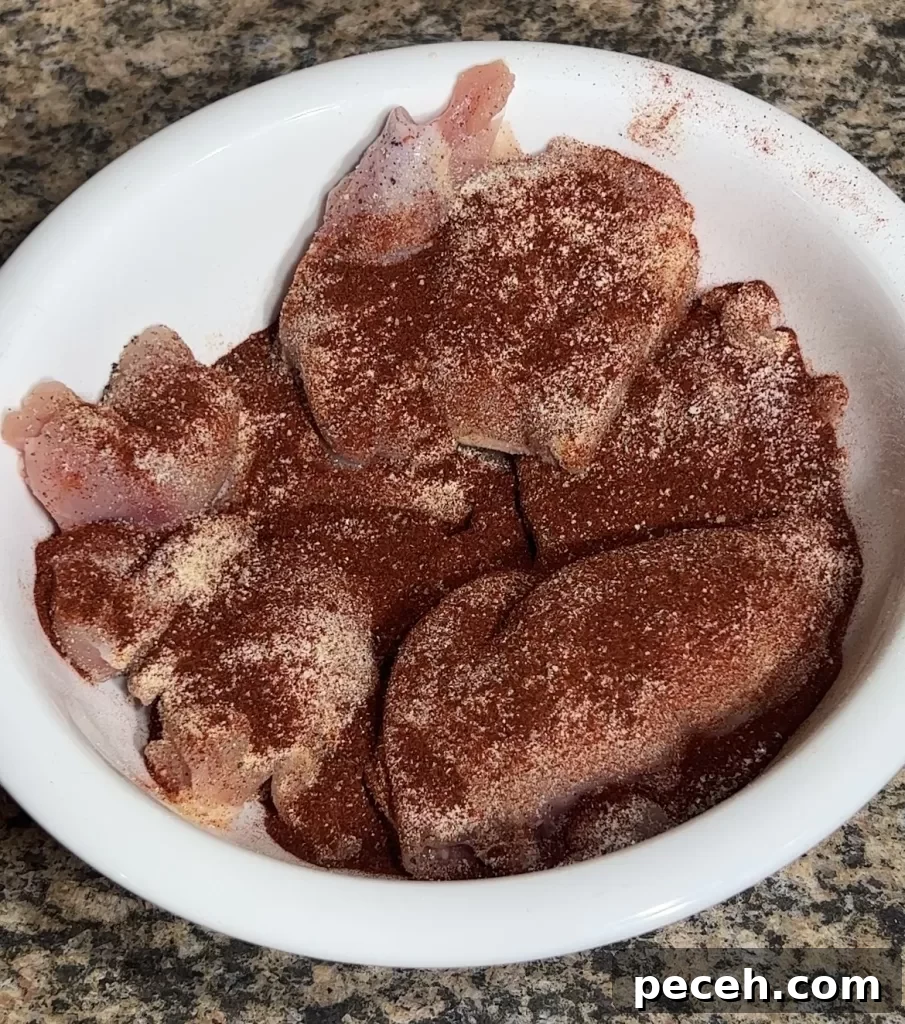
Season the thighs however you like. I used garlic powder, onion powder, salt, pepper, and smoked paprika. I don’t measure precisely when seasoning meat; I simply make sure the pieces are evenly coated.
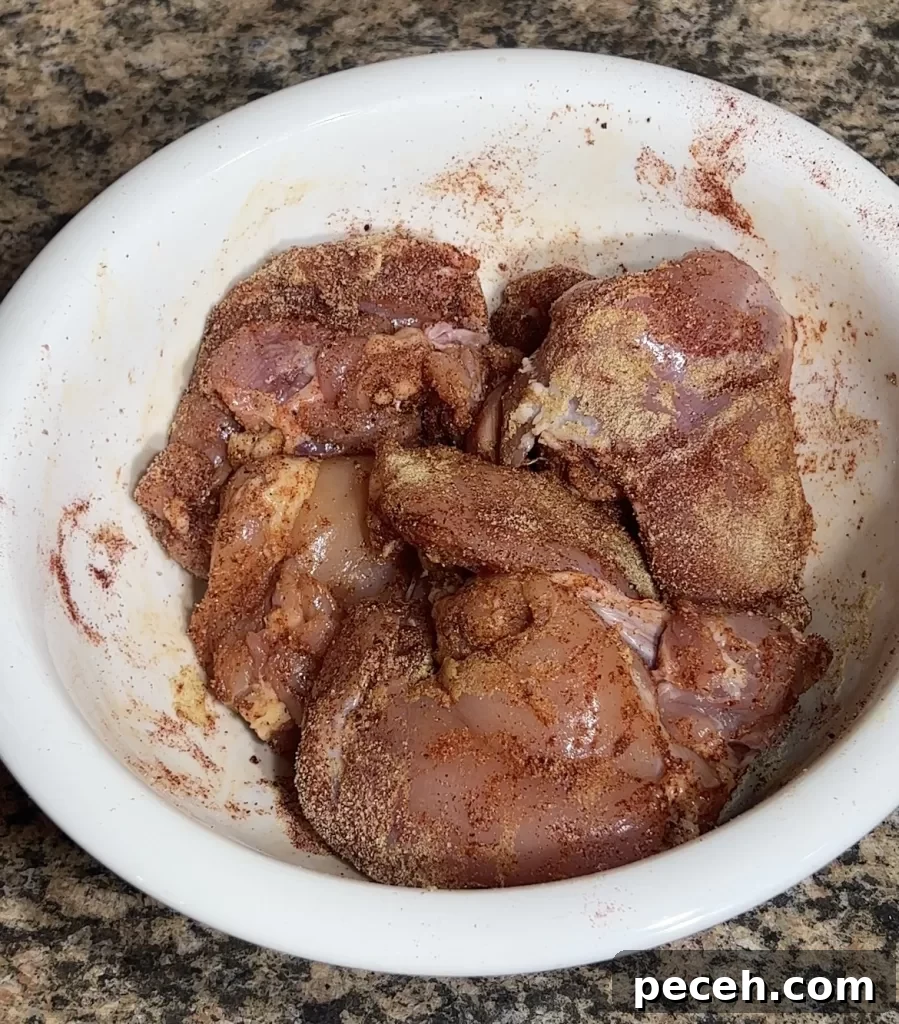
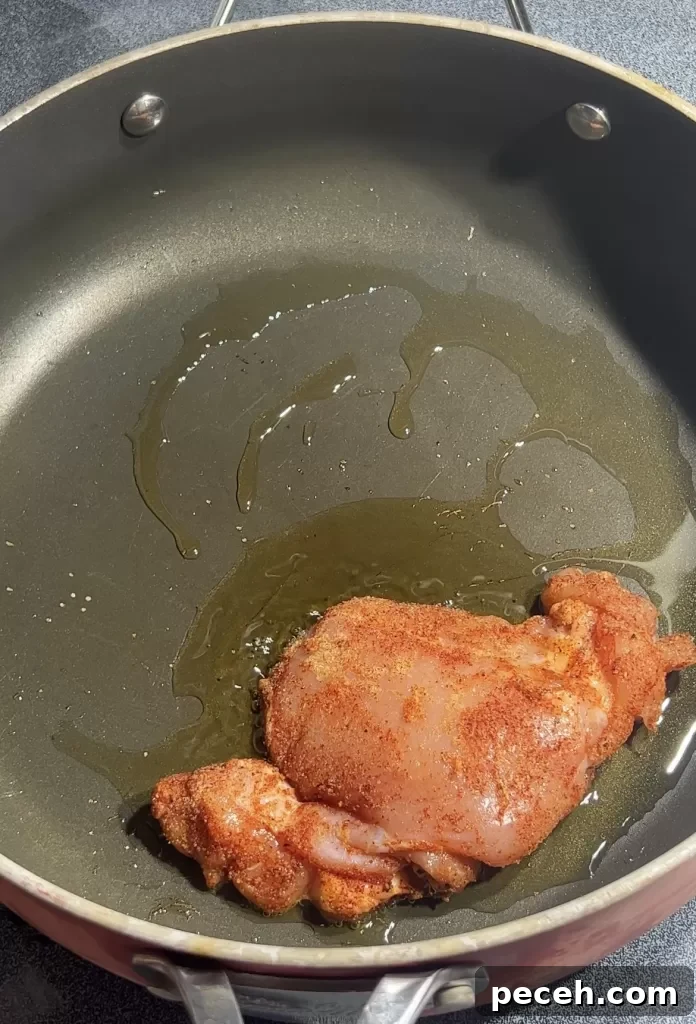
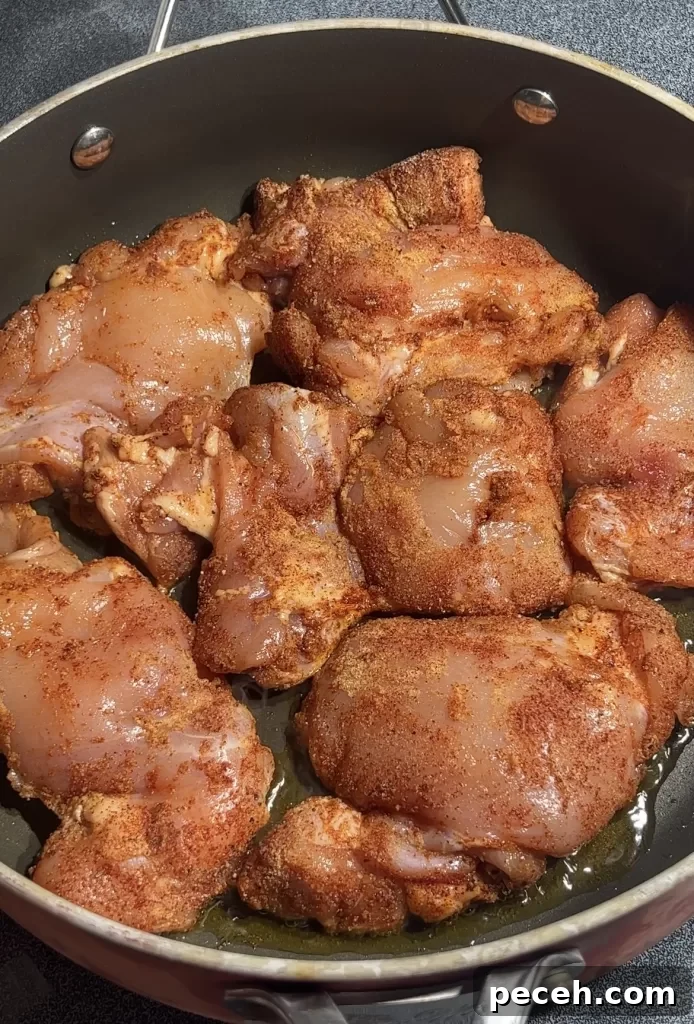
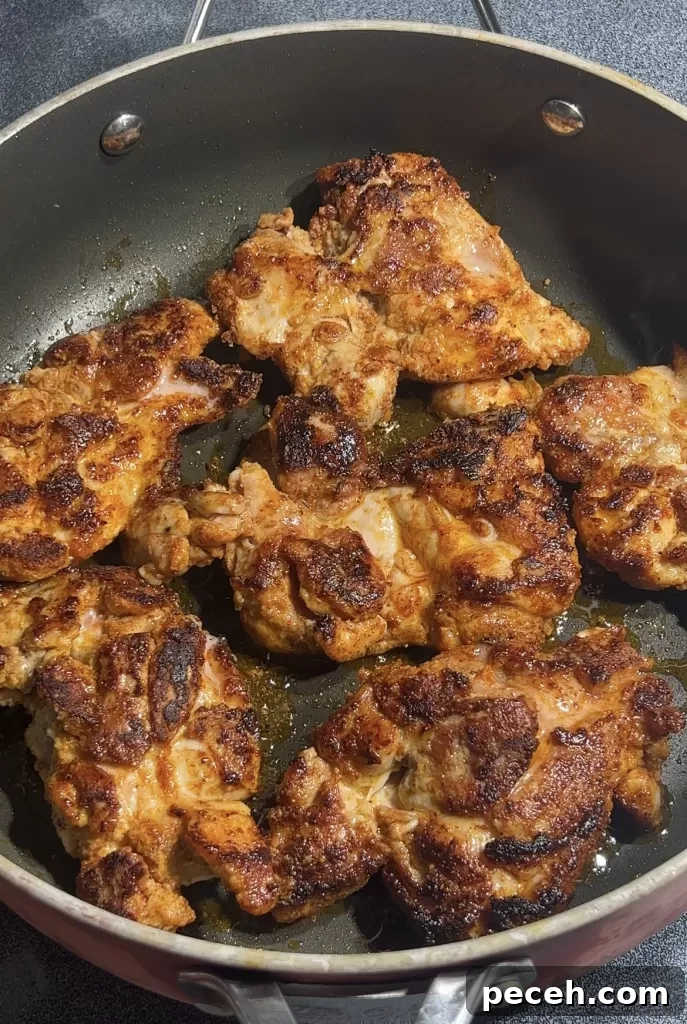
In a large skillet, heat about 1 tablespoon of oil (I used avocado oil) over medium heat. When the oil shimmers, add the chicken to the pan with the smooth side up.
Cook undisturbed for 7–8 minutes, then flip and cook another 7–8 minutes. I often flip a third time out of habit, but it’s not required.
Insert a thermometer into the thickest piece’s center to check doneness. Aim for at least 165°F (74°C) but avoid exceeding about 175°F (79°C), which can lead to drier meat.
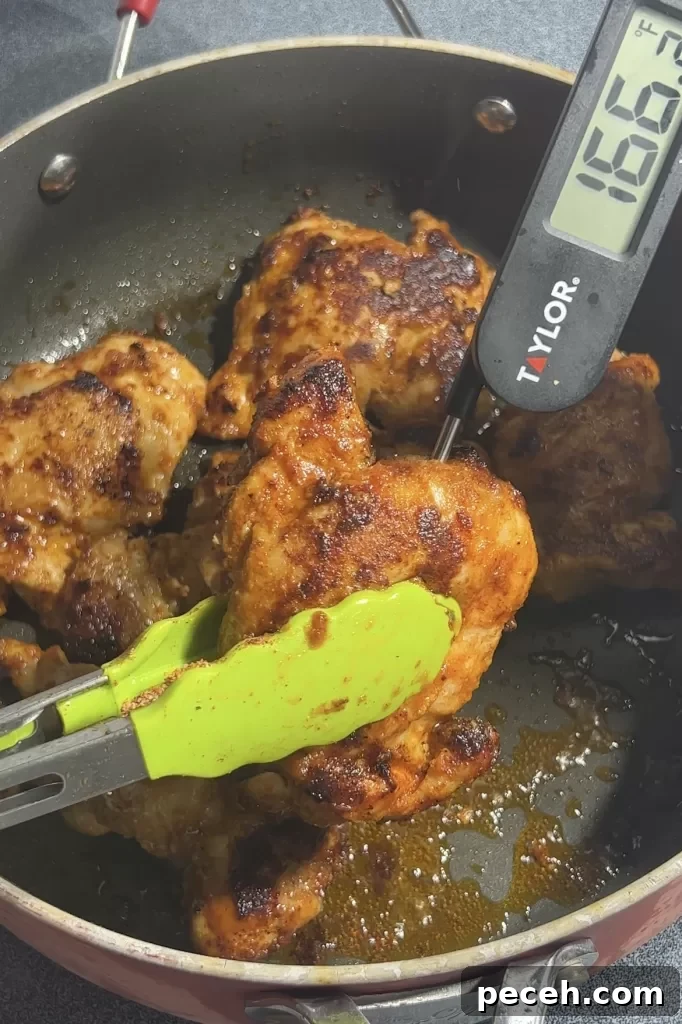
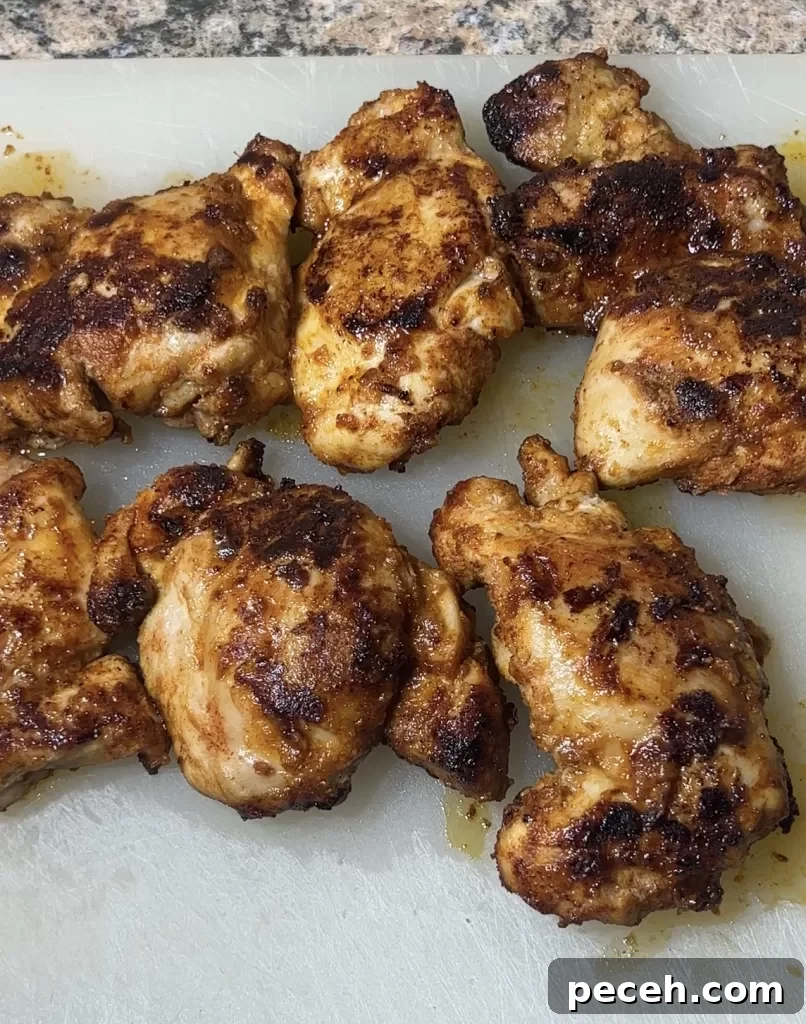
Once the thickest piece reaches 165°F, remove the chicken from the pan and transfer it to a cutting board or plate. Let it rest for five minutes so the juices redistribute.
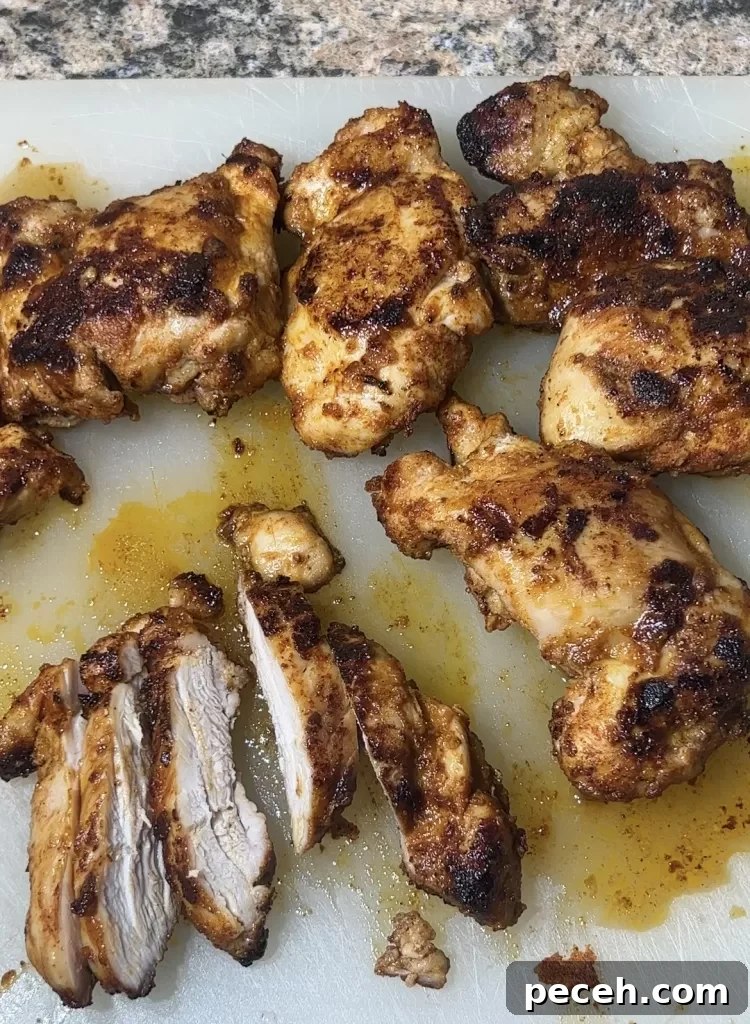
Depending on your use—served whole or as part of meal prep—you can slice the chicken or leave it intact. For meal prep, I sliced it; you can see how moist and juicy it stays, with no pink remaining.
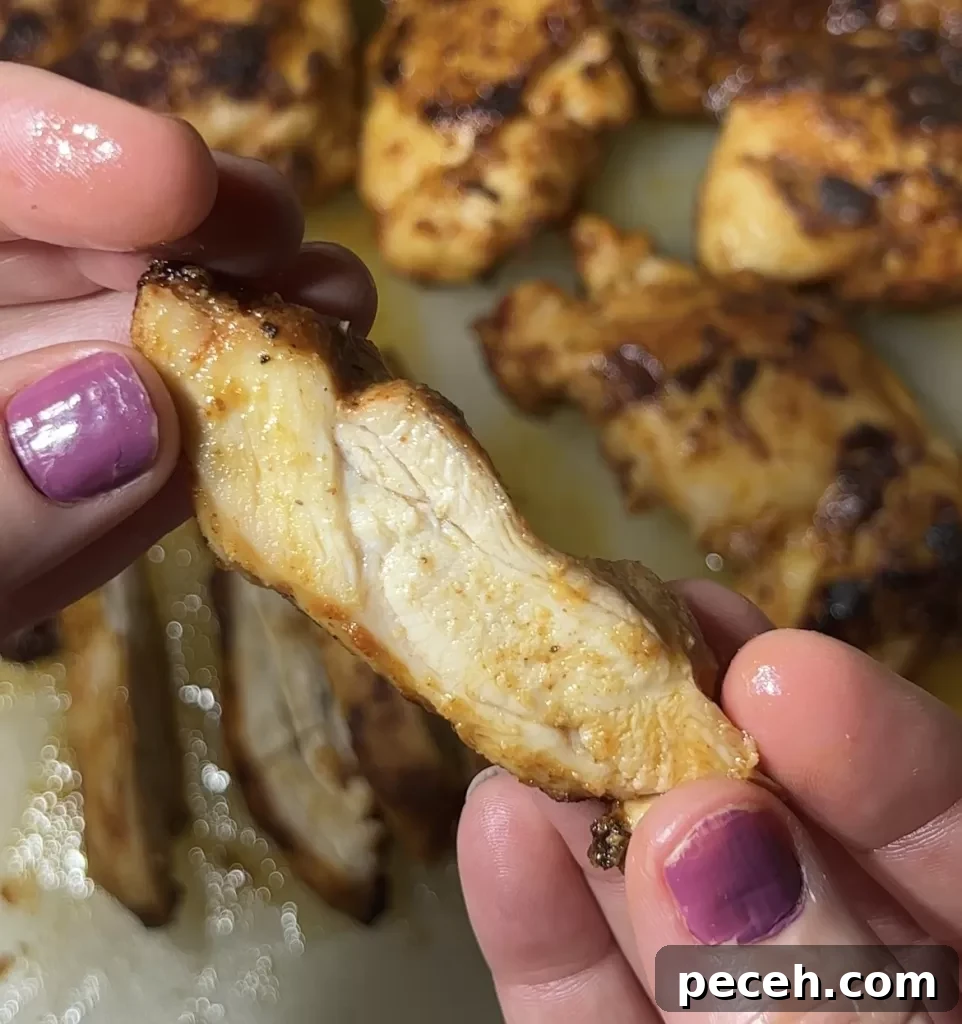
I hope this helps anyone who feels nervous about cooking chicken. The essentials are attention while cooking, a reliable thermometer, and practice. The more you cook, the more comfortable you’ll become—so get in the kitchen and try it!
Here are some other chicken recipes you might enjoy:
-

Jalapeño Popper Chicken Pasta Salad
-
Crockpot Chicken Pot Pie Pasta
-
Creamy Lemon Garlic Chicken
-
Crispy Chipotle Chicken Tacos with Spicy Avocado Ranch
-
Loaded Chicken Bacon Ranch Sub
-
One Pan Creamy Lemon Chicken Linguine
-
Smothered Baked Chicken Legs
-
Chicken Caesar Tortellini Salad
-
Sweet & Savory Chicken and Smoked Sausage Teriyaki Stir Fry
-
Crockpot BBQ Chicken Legs
-
Mississippi Chicken Pot Roast (Slow Cooker)
-
White Chicken Chili in the Crockpot