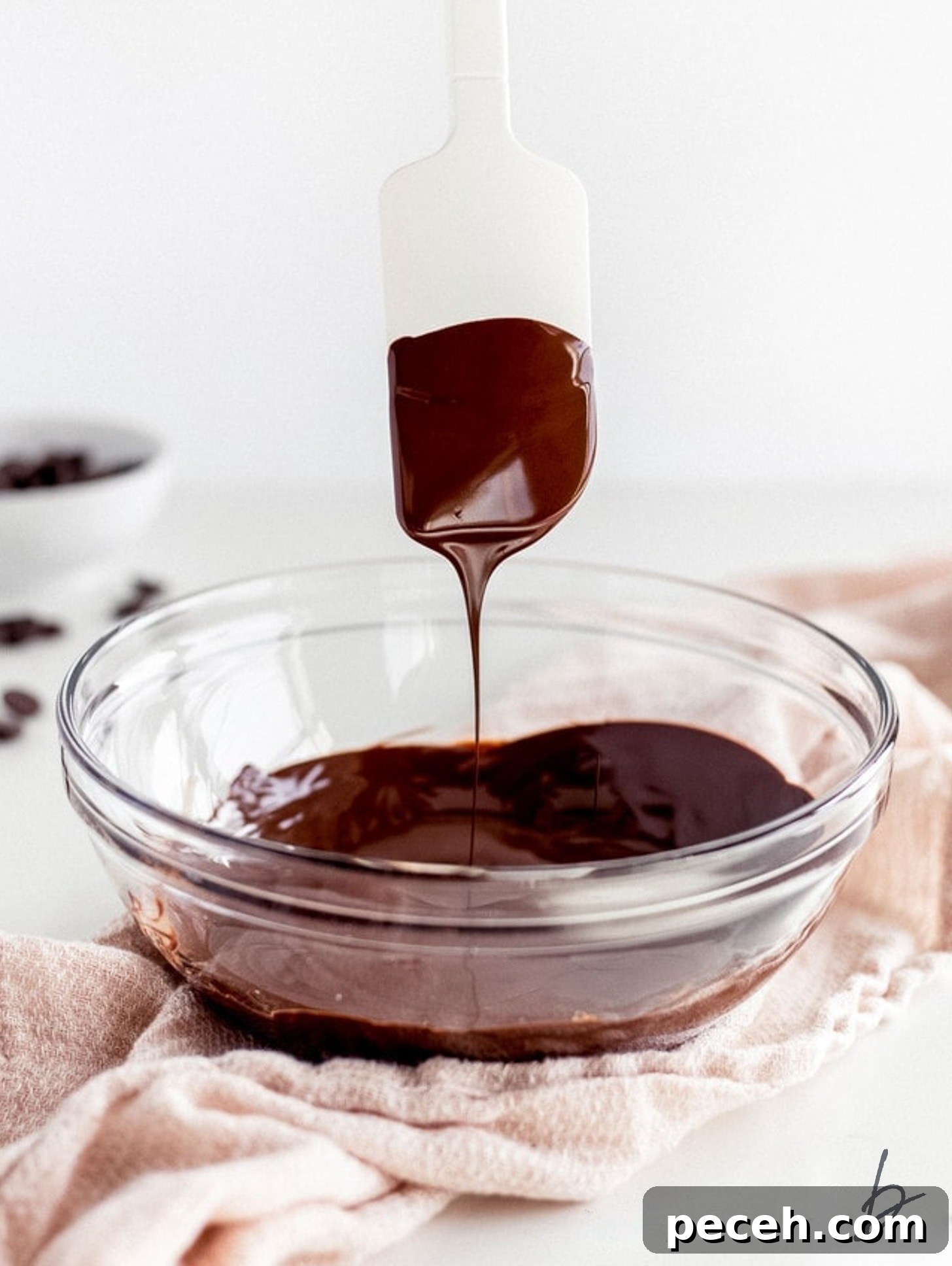
Learn how to melt chocolate safely and easily, whether you use a microwave or a stovetop double boiler. This concise guide covers tips, methods, troubleshooting, storage, and quick FAQs to help you get smooth, glossy melted chocolate for baking, dipping, or candy-making.
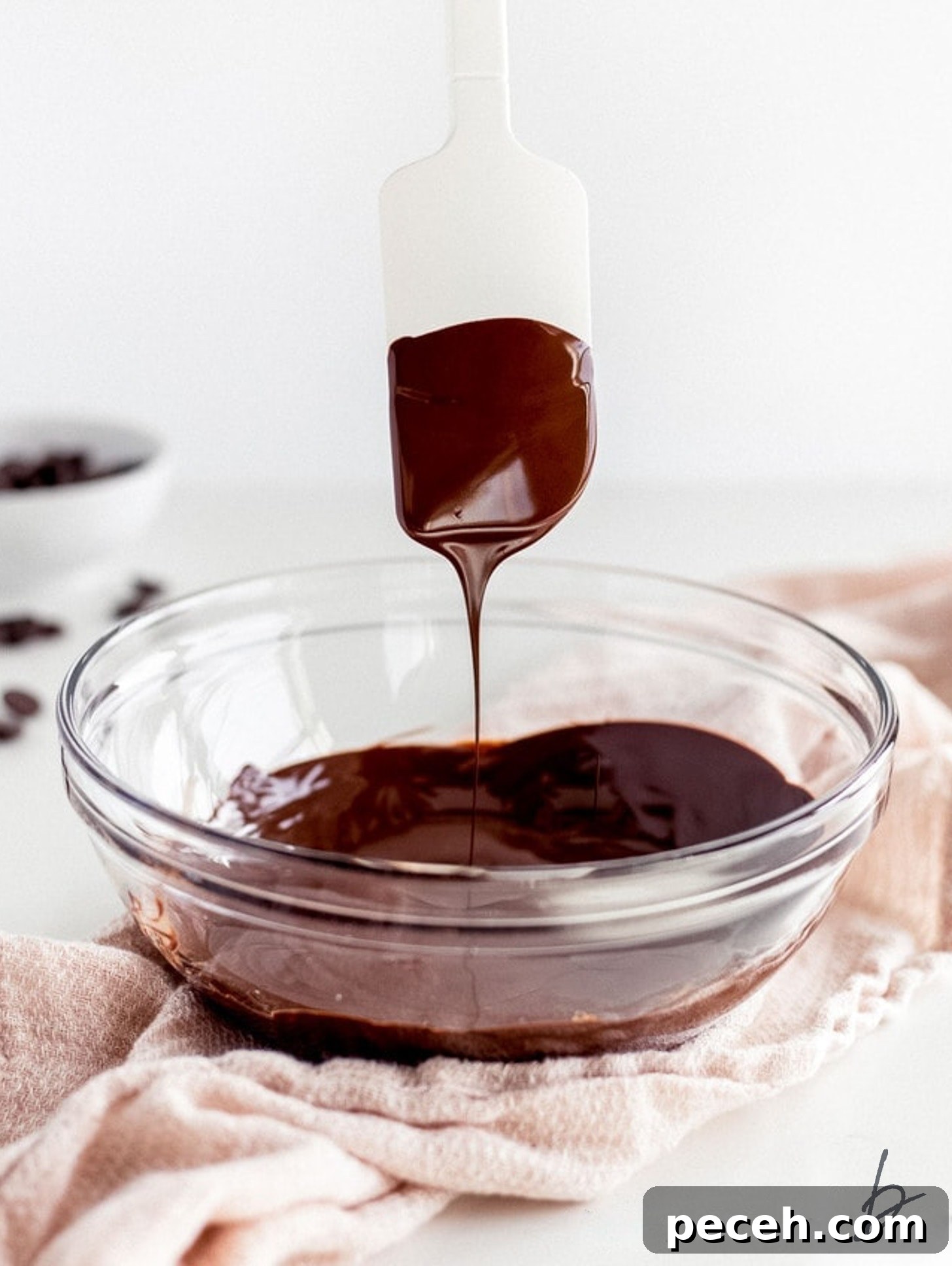
Melted chocolate adds a professional finish to desserts and is surprisingly versatile once you know the right approach. Use the microwave for speed or a makeshift double boiler on the stovetop for gentle, controlled heat. Read the tips below before you begin to avoid common mistakes and ensure a smooth result every time.
Tips for Melting Chocolate
- Chop uniform pieces. Cut bars into similar-size pieces so they melt evenly. Chocolate chips and melting wafers work well because they’re uniform.
- Choose good quality chocolate. High-quality chocolate with higher cocoa butter content melts more smoothly and is more forgiving. Semi-sweet or bittersweet bars or reputable brand chips are ideal.
- Never add water. Water causes chocolate to seize and become grainy. If you need to add a liquid (cream, milk), heat the liquid first, then whisk in the chocolate so it melts evenly.
- Don’t cover the bowl. Covering can cause condensation that drips into the chocolate and ruins the texture.
- Use low heat. In the microwave, use 50% power. On the stovetop, keep the water at a gentle simmer. Low, even heat prevents burning.
- Remove from heat once melted. Chocolate can burn quickly. Take it off the heat while a few small pieces remain and stir until fully smooth.
Tips for Melting White Chocolate
- White chocolate melts faster and burns easier. It has a lower melting point and requires extra care.
- Be patient and stir often. Use very low heat on the stovetop and stir frequently. In the microwave, stop and stir every 15 seconds.
- Add shortening or oil if needed. One tablespoon of shortening or coconut oil per cup of chocolate can help thin white chocolate and reduce the chance of seizing.
How to Melt Chocolate in the Microwave
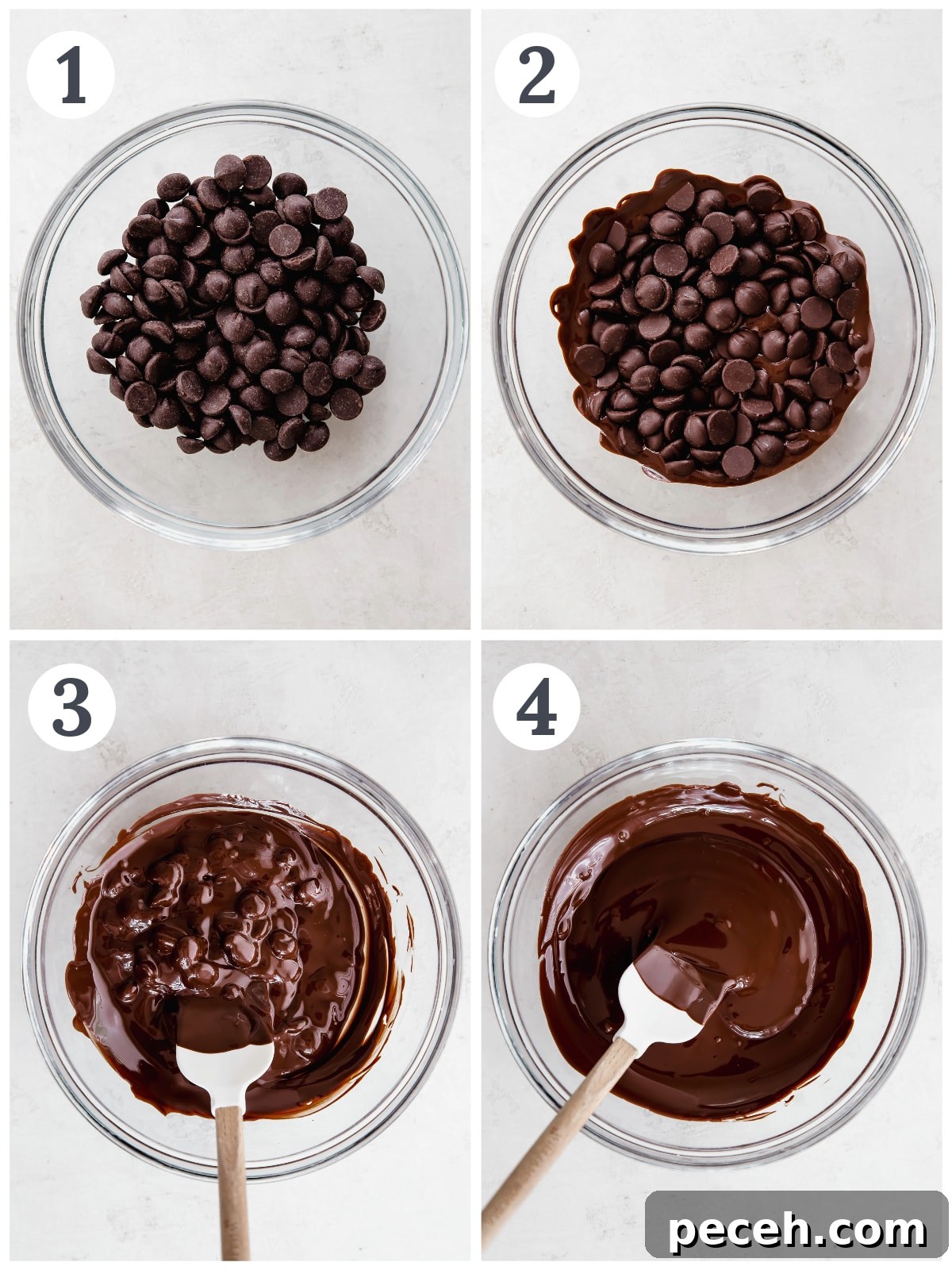
- Place chopped chocolate or chocolate chips in a microwave-safe, completely dry bowl.
- Microwave at 50% power for 30 seconds to start.
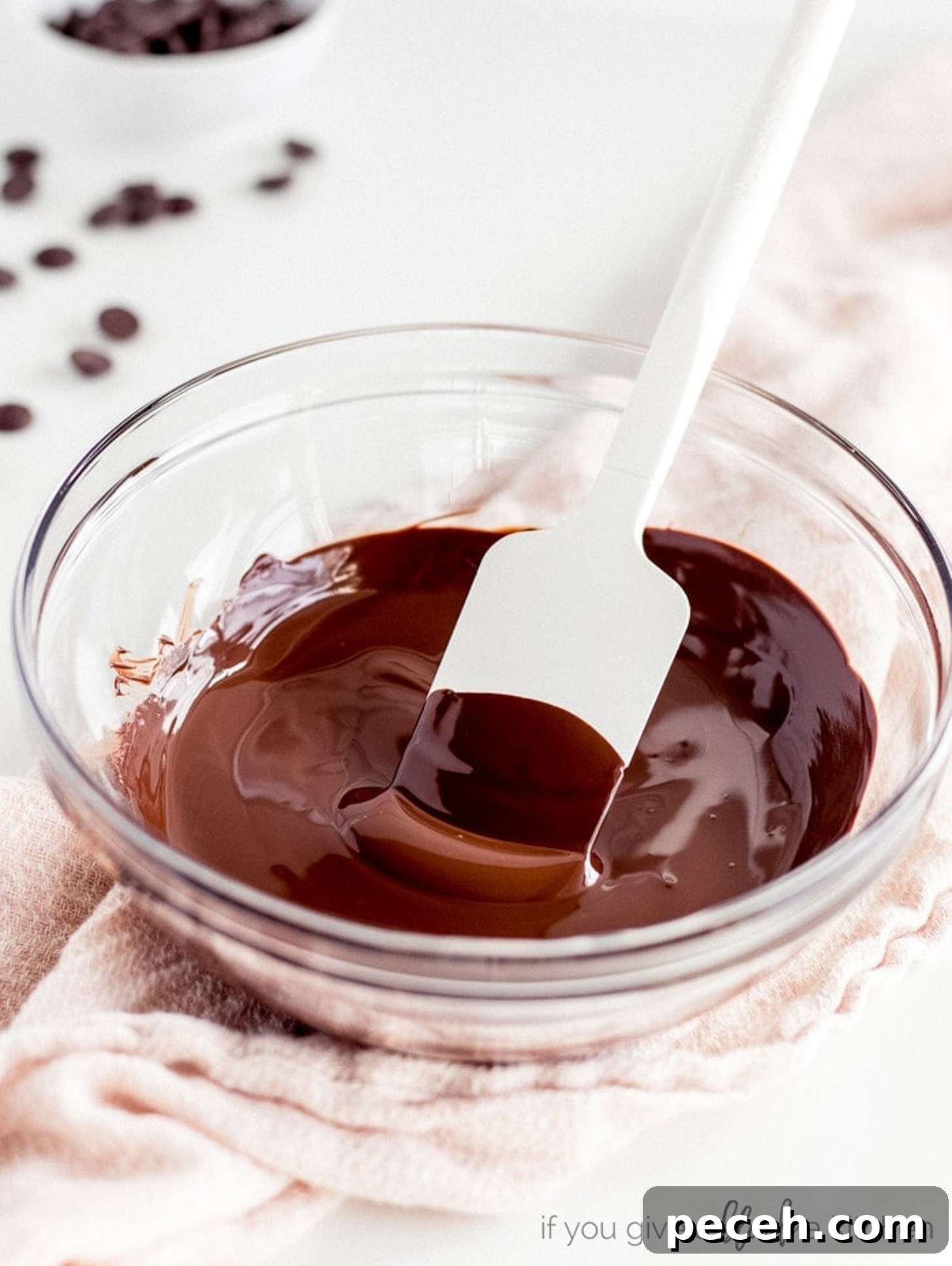
- Stir thoroughly, then continue heating at 50% power in 20-second intervals, stirring after each interval. Small amounts (1 oz) can take around a minute; larger amounts (8 oz) may take about three minutes total.
- Stop microwaving when only a few bits remain; stirring will finish the melt. This prevents overheating and burning.
How to Melt Chocolate on the Stovetop
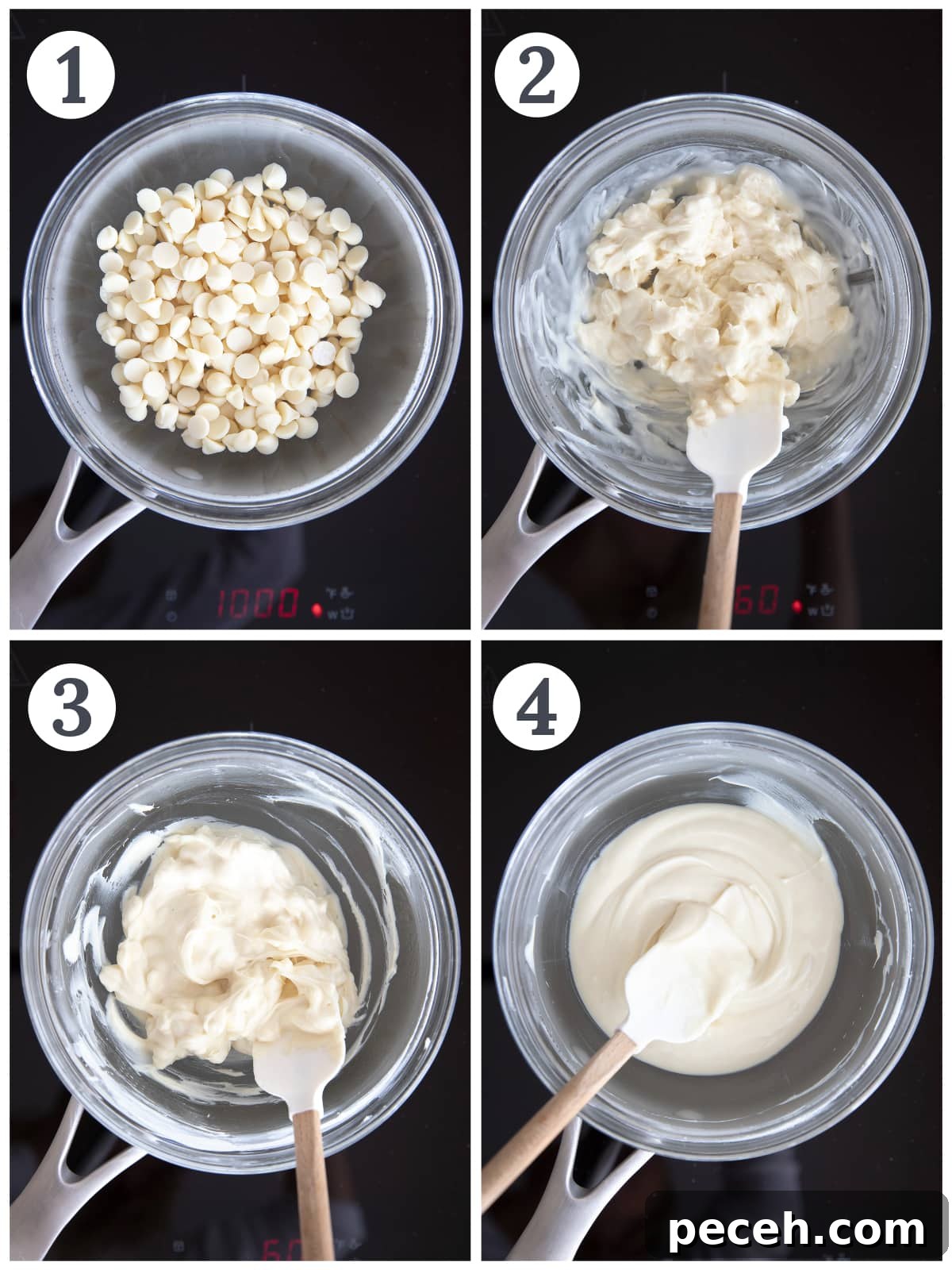
- Fill a saucepan with about 1 inch (or a cup) of water and bring it to a gentle simmer over low heat.
- Set a heat-safe bowl on top of the pot so it rests above the water without touching it — this creates a makeshift double boiler (bain-marie).
- Add the chopped chocolate or chips to the bowl. Steam from the simmering water will melt the chocolate slowly and evenly.
- Stir frequently until smooth, then remove the bowl from the pot to prevent residual heat from burning the chocolate.
Melted Chocolate for Dipping
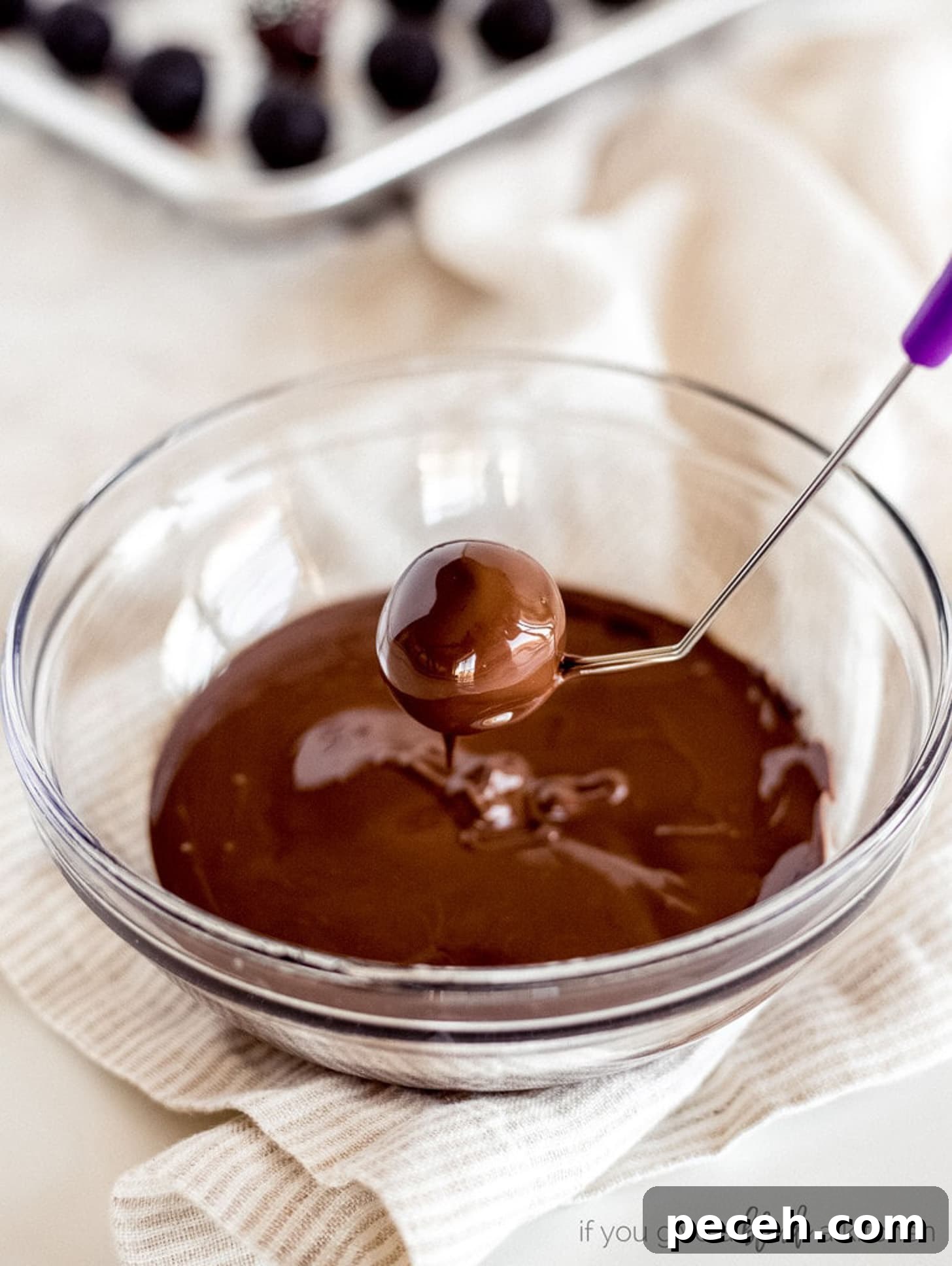
Use melted chocolate for dipping candies, truffles, fruit, or cookies. Use dipping tools, forks, or skewers to hold items, then gently tap off excess chocolate on the edge of the bowl. Place dipped items on a wax-lined sheet to set.
If the chocolate begins to thicken while you’re working, reheat gently: set the bowl back over simmering water or microwave for 15–20 seconds at 50% power and stir until smooth again.
Troubleshooting Melted Chocolate
Seized or grainy chocolate. Seizing happens when any water contacts chocolate. Fix it by whisking in 1 tablespoon of scalding hot cream or a knob of melted butter, then whisk vigorously until smooth. If needed, apply low heat to continue melting.
Gray color (bloom). Sugar bloom results from moisture exposure; fat bloom is caused by temperature fluctuations that separate cocoa butter and solids. Chocolate with bloom is still safe to eat but may look dull. Store chocolate in a cool, dry, airtight container at a consistent temperature to prevent bloom.
Burnt chocolate. This is usually from excessive heat. Avoid direct heat; always use a double boiler or low microwave power. Once chocolate is badly burnt, it’s difficult to salvage and is best replaced.
Storage Tips
Use melted chocolate immediately for best results. Stored at room temperature in a completely dry, airtight container it will keep for up to 24 hours; refrigerated, it can last up to one month but may develop bloom. Allow freshly melted chocolate to cool slightly before transferring to a dry container, then seal to keep out moisture.
Recipe FAQ
High-quality chocolate with a higher cocoa butter content melts best. Branded chocolate chips designed for baking or chopped baking bars are both fine; bars will need to be chopped into even pieces for an even melt.
Yes. Reheat gently using the same method you used to melt it: short bursts in the microwave at low power or over a simmering pot of water, stirring frequently.
A double boiler (bain-marie) is a setup where a heat-safe bowl sits over simmering water in a pot. The steam heats the bowl gently, melting chocolate without direct contact with heat.
Related Recipes
Try these recipes to practice your melting skills.

Easy Oreo Truffles (only 3 ingredients!)
Chewy Fudgy Brownies from Scratch

Flourless Chocolate Cake
How to Make Peppermint Bark
Did you love this guide? If so, leave a rating or a comment to share how it worked for you.
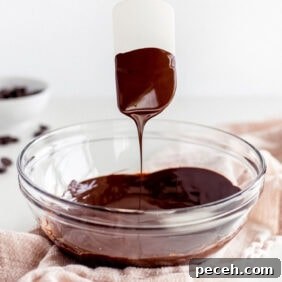
How to Melt Chocolate (Microwave & Stovetop)
Equipment
- Double boiler or heat-safe bowl and saucepan
- Medium saucepan
- Mixing bowls
- Dipping tools (optional)
Ingredients
- 6 ounces (1 cup or 120 g) bittersweet chocolate chips or melting wafers (dark, semisweet, or white)
Instructions
Microwave Method
- Place chocolate in a dry, microwave-safe bowl. Microwave at 50% power for 30 seconds, stir, then continue at 20-second intervals, stirring between each, until mostly melted. Remove and stir until smooth.
Stovetop Method
- Bring about 1 cup of water to a gentle simmer in a medium saucepan. Rest a heat-safe bowl over the pot without touching the water. Add chocolate and stir as it melts from the steam’s gentle heat. Remove from heat when smooth.
Notes
Reheating: If chocolate hardens, return the bowl to simmering water or microwave at 50% power in 20-second intervals, stirring often.
Chips vs. Bars: Chips are convenient and melt well; if using bars, chop into even pieces first.
Never add water: A little water causes seizing. If chocolate seizes, add 1 tablespoon hot cream or a small amount of butter and whisk vigorously.
Thinning: Add 1 tablespoon of shortening or coconut oil per cup of chocolate to thin and smooth it.
White chocolate: Add a tablespoon of shortening or oil before melting and use very low heat to avoid burning or seizing.
,
Calories: 115kcal