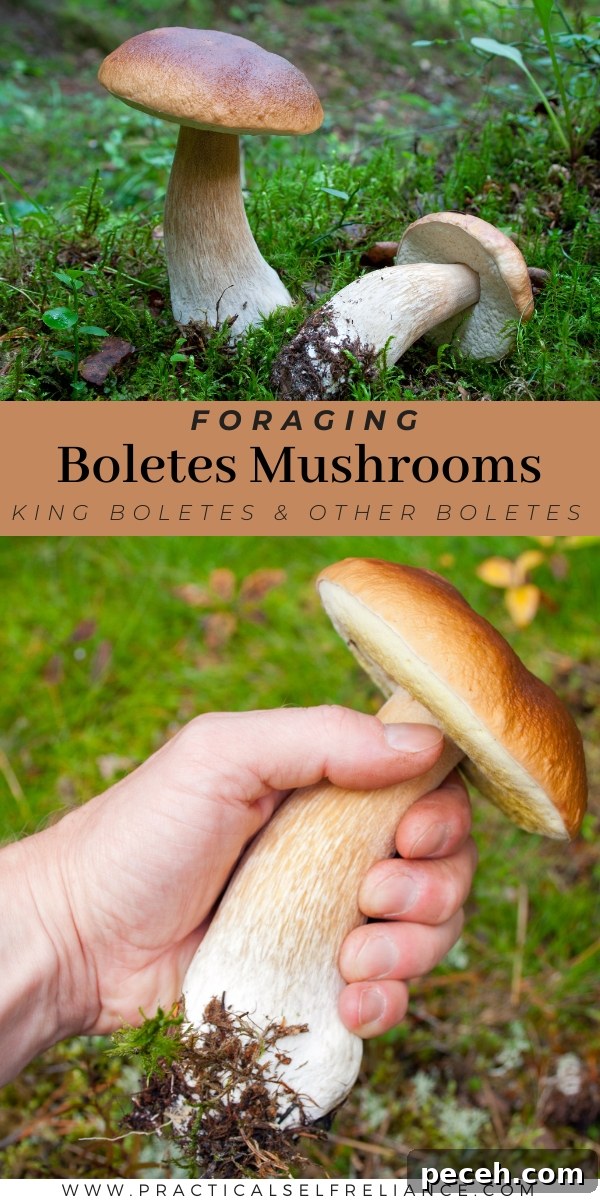
Boletes are a popular summer mushroom that’s delicious and relatively easy to identify for beginning foragers. King boletes are some of the most sought-after, but many other bolete species are worth knowing and enjoying.
This article was written by Timo Mendez, a freelance writer and amateur mycologist who has foraged wild mushrooms across many regions.
King boletes (often called porcini, cepes, or simply boletes) are among the most celebrated wild mushrooms. They are prized not just for their recognizable appearance and wide range, but primarily for their rich, savory flavor that elevates many dishes.
When I first started foraging, I often found large, old specimens that were past their prime and wasn’t impressed. With experience I learned to seek out younger, peak-condition mushrooms and discovered why chefs and foragers revere them. I also learned another secret: drying concentrates their aroma and flavor, often producing a depth that fresh specimens don’t match. Fresh boletes offer a pleasing meaty texture, while dried boletes contribute an intense, nutty seasoning to soups, sauces, and risottos.
Beyond the classic king boletes, the bolete group includes many other edible species — butter boletes, scaber stalks, old man of the woods, bay boletes, and more. Some are abundant where kings are scarce, offering excellent alternatives for foragers willing to learn their traits. Although boletes are generally safer than many gilled mushrooms, a few toxic species can cause significant gastrointestinal upset, so careful identification is essential.
What Is a Bolete Mushroom?
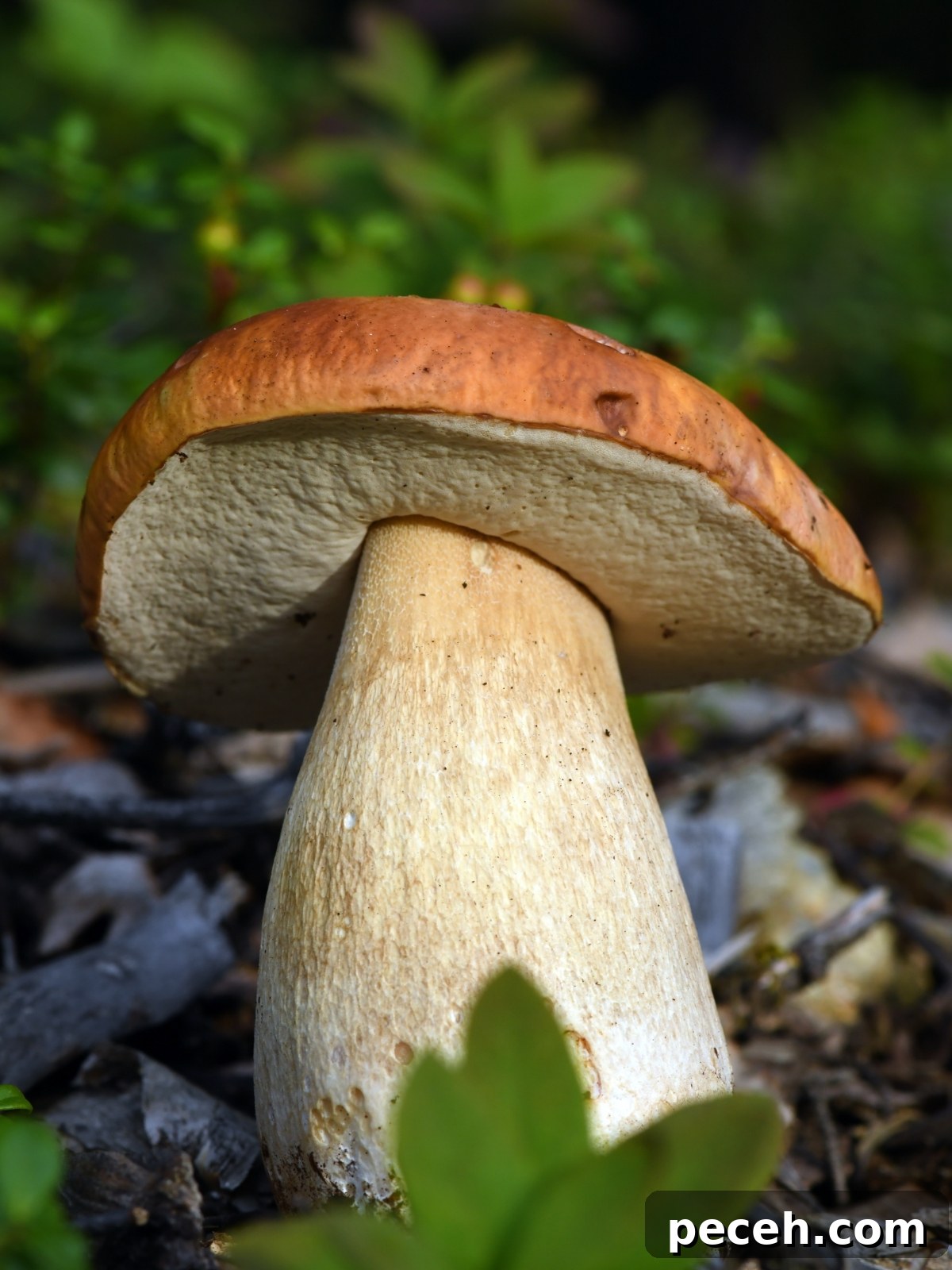
Boletes form a diverse group with a variety of shapes, colors, and textures. Their defining feature is a spongy, porous underside beneath the cap instead of the gills found on many other mushrooms. This pore surface, along with a fleshy cap and stout stem, is the main clue that a mushroom is a bolete. Some boletes bruise blue, while others retain their original color; some are highly ornamented, others plain — but the pore layer is the consistent identifier.
The King of Boletes
The King Boletes are the most prized members of this group and are known by many regional names: porcini in Italy, cèpe in France, borowik in Poland, and steinpilz in Germany. What is often called Boletus edulis actually includes several closely related species and lineages that make up a complex. Many of these “royal” boletes are equally revered and sometimes preferred over the classic B. edulis.
The Royal Boletes
Some well-known royal boletes include:
- Bronze Bolete (Boletus aereus) – A highly prized European species with a dark cap and tan stem, appearing in summer and fall.
- Butter-foot Bolete (Boletus auripes) – A yellow-stemmed species from eastern North America and Mexico, appearing in summer.
- Barrow’s Bolete (Boletus barrowsii) – A white King Bolete from western North America.
- Red Eastern King Bolete (Boletus chippewaensis) – Found in the northeastern U.S. and Canada, with reddish cap tones.
- Fib King (Boletus fibrillosus) – Western North American species with a fibrous stem texture; occurs in fall.
- Noble Bolete (Boletus nobilis) – Hardwood-associated species from the Appalachian region.
- Pine Bolete (Boletus pinophilus) – Associated with pine and other conifers across several regions.
- Queen Bolete (Boletus regineus) – Western North America, light-colored when young and common in mixed forests.
- Summer Bolete (Boletus reticulatus) – A velvety-capped European species that fruits in summer.
- Spring King Bolete (Boletus rex-veris) – A spring-fruiting species in western North America associated with fir.
- Ruby Porcini (Boletus rubriceps) – Notable in Colorado and southwestern mountains for its reddish cap.
- Lilac Bolete (Boletus separans) – Eastern North America species with lilac shades in summer and early fall.
- Smith’s Bolete (Boletus smithii) – Pacific Northwest species with wine-tinted cap tones.
- Tan Eastern King Bolete (Boletus variipes) – A tan-capped species from eastern North America and Mexico.
- Southern Oak Bolete (Boletus quercophilus) – An oak-associated species from Mexico and Central America.
The Boletus edulis complex
Boletus edulis represents a species complex with closely related lineages spread across North America and Europe. Genetic studies have revealed multiple distinct lineages that appear very similar in the field but have subtle differences. For foragers, this means regional familiarity and careful observation are important when identifying edible kings.
Identifying King Boletes
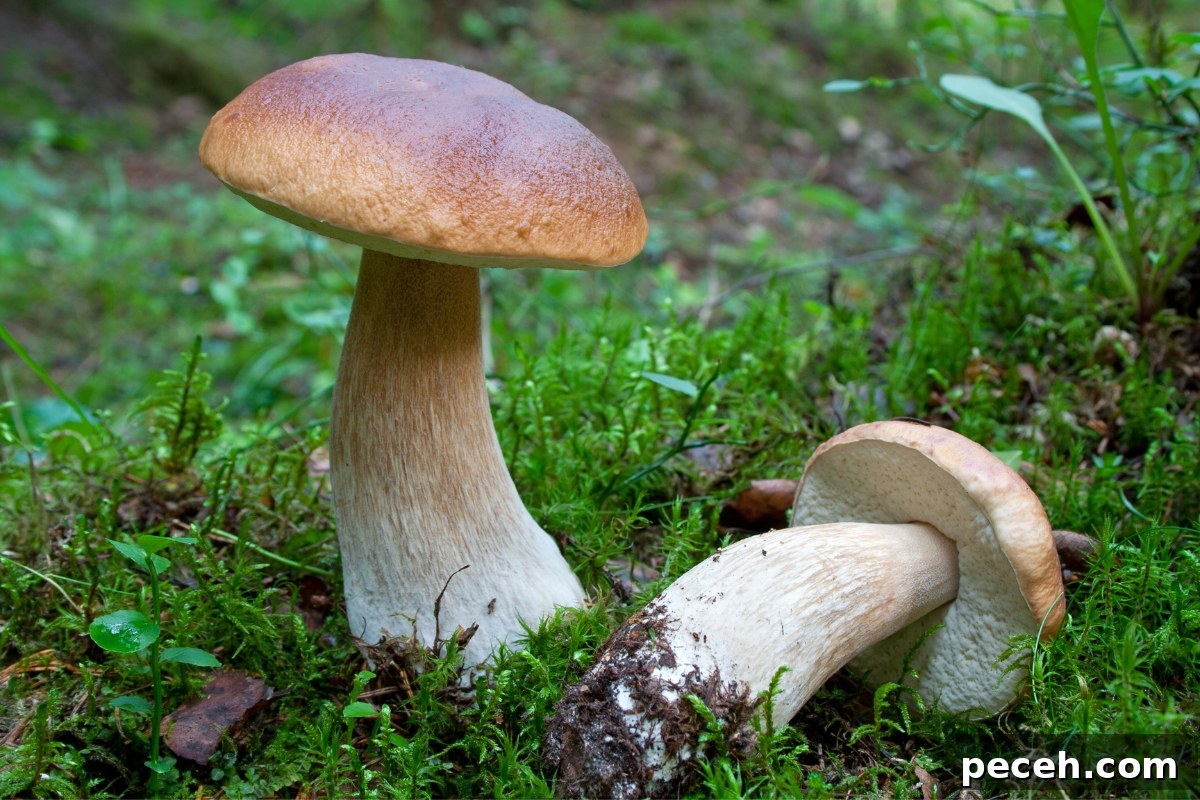
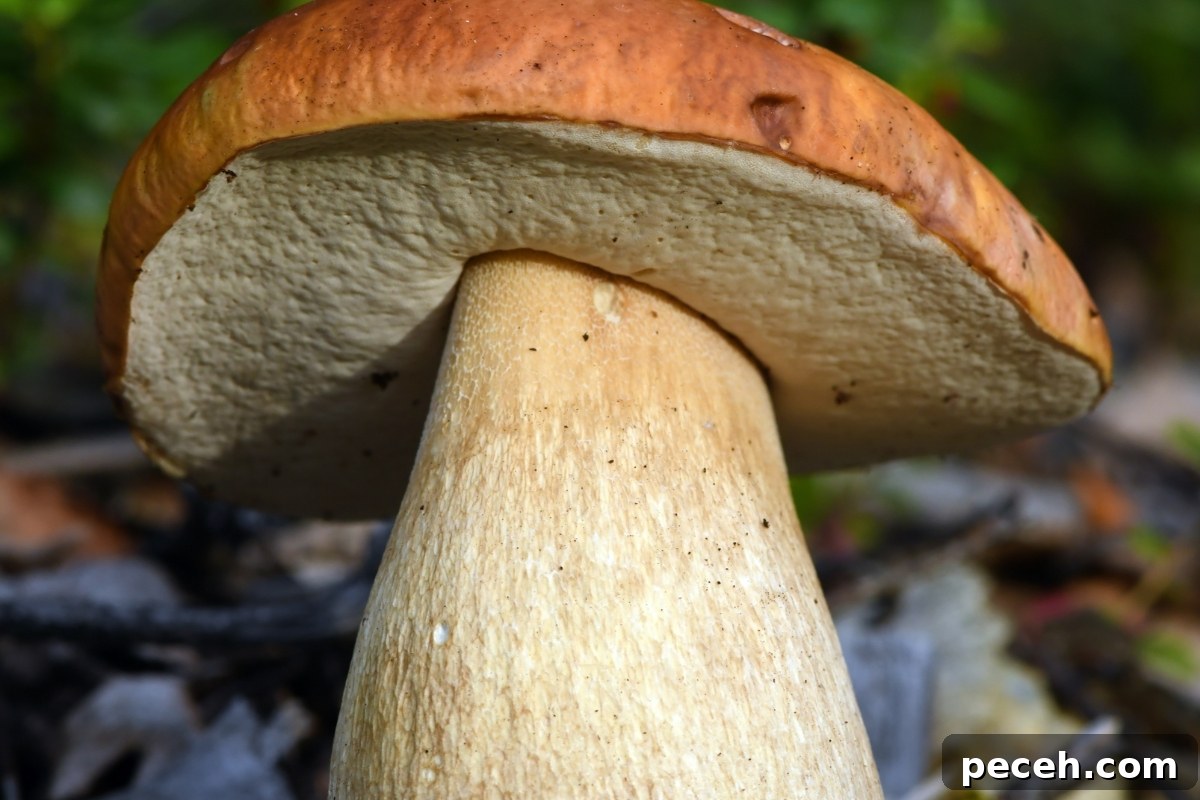
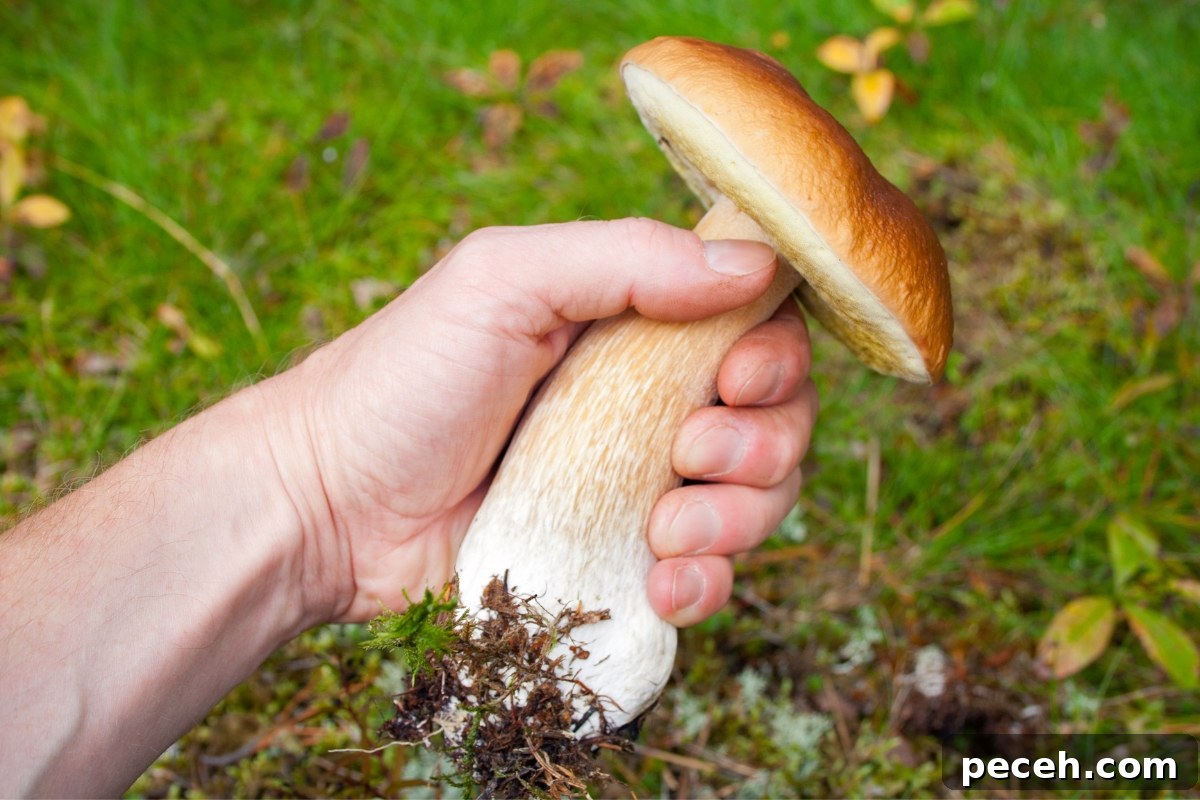
King boletes are among the easier mushrooms for beginners to recognize. They are fleshy and often large, with semi-spherical caps that range from tan to dark brown; some varieties may be white. A key identifying trait is reticulation — a raised net-like pattern on the upper stem near the cap. Young specimens, called buttons, are dense with white pores and are considered the most desirable for flavor and texture.
As they age, caps open and pores darken from white to yellow and then yellow-brown. Excessive rain or age can soften caps and invite insects or larvae. Always look for firm, uninfested fruiting bodies when harvesting.
Key Identification Features of King Boletes
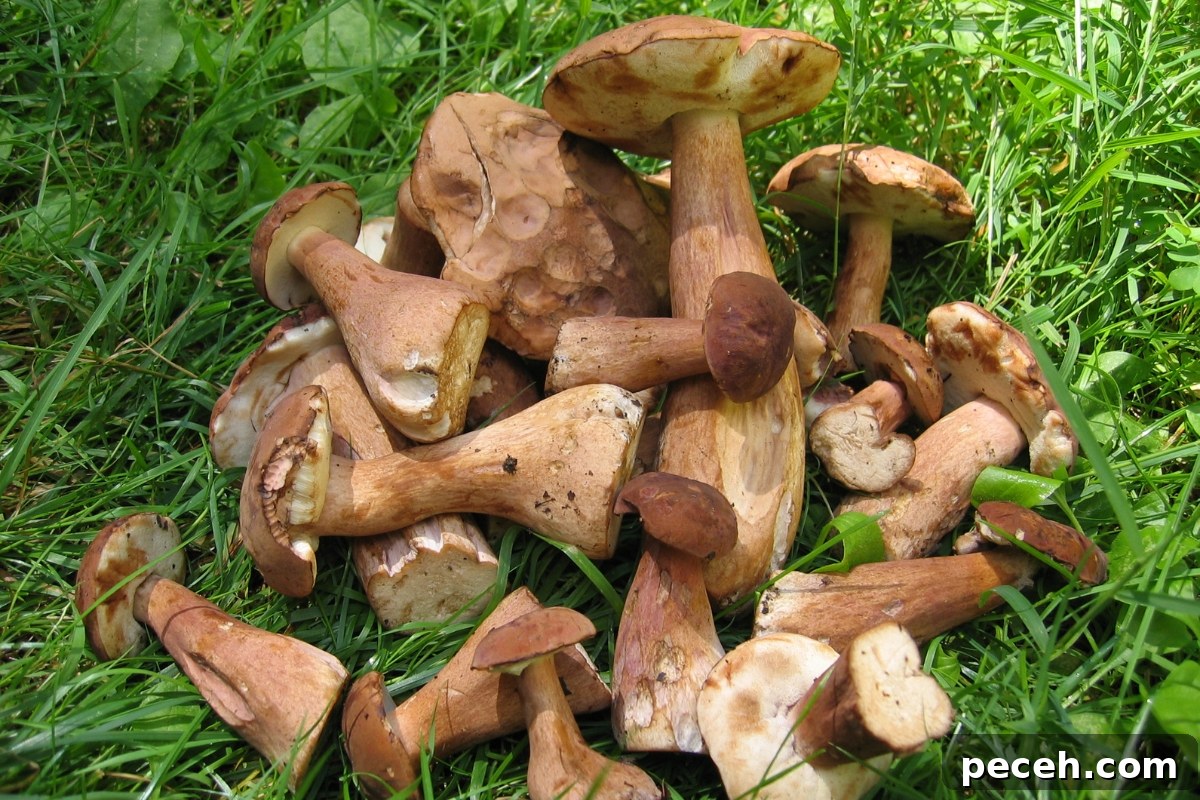
- Spongy, porous underside that changes from white to yellow-brown with age.
- Fine raised reticulation on the stem, especially near the cap.
- Tan to brown cap with a thick, often pale stem.
- Stout stem that may narrow toward the cap.
- Typically does not bruise blue when damaged.
Where and How To Find King Boletes
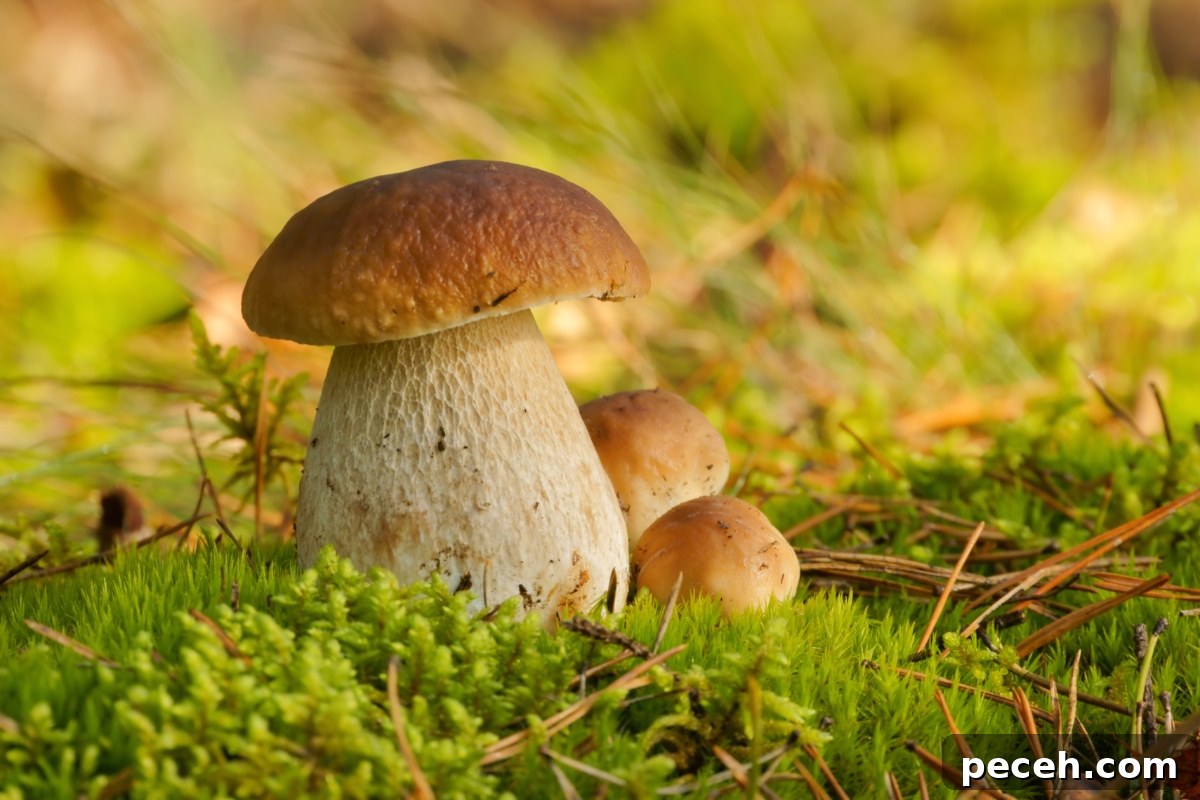
King boletes are widespread across forests of the Northern Hemisphere and form mycorrhizal partnerships with many tree species. Common hosts include pine, spruce, fir, oak, chestnut, beech, birch, Douglas fir, hemlock, manzanita, madrone, and tan oak. They can appear in moss, leaf litter, grassy forest edges, plantations, and urban plantings of conifers.
Boletes often grow in patches; a single large mushroom can act as a flag indicating more nearby. Check small bumps in the duff for young buttons. Leave some mushrooms behind to complete their life cycle and avoid overharvesting.
Western North America
In the West, boletes commonly associate with conifers such as spruce, Douglas fir, hemlock, pine, and true fir. Coastal and mountain habitats, including urban plantings, can all produce boletes. Some species, like Boletus rex-veris, fruit in spring after snowmelt in high elevations; others appear in summer or fall depending on local moisture and temperature patterns.
Eastern North America
East of the Rockies, royal boletes can appear in many forest types, often with oak, pine, hemlock, or beech. They tend to be more common farther north and may appear in “mast years” when conditions favor abundant fruiting. Certain species have regional preferences, so local knowledge is valuable for successful foraging.
When to Forage Boletes
Western North America
- Fall: Many boletes appear in fall across coastal, lowland, and mid-elevation forests, often peaking around October.
- Spring: Some species fruit in spring after snowmelt, often a few weeks after morels — search lower elevations and south-facing slopes early, moving higher or to different aspects as the season progresses.
Eastern North America
In the East, king boletes commonly appear in summer, often after heavy seasonal rains. The window can be short — sometimes only a few weeks — and quality can vary from buggy early specimens to overripe late ones, so timing is important.
Bolete Look-Alikes
False King – Boletus huronensis
This rare northeastern species is often mistaken for true kings but can cause severe gastrointestinal upset. It typically has yellow flesh, a slight blueing reaction, and lacks stem reticulation — features to watch for.
Satan’s Bolete – Rubroboletus satanas
Notable for its bright red stem, pale cap, red pores, and blue-staining flesh, this species can cause serious gastrointestinal symptoms. Its vivid colors usually make it distinguishable from kings, but it remains a hazard if misidentified.
Rule of Thumb for Edible Boletes
For North American boletes, a common guideline is: avoid boletes that bruise blue, have red pores, or taste bitter. This is a general rule — exceptions exist — so use multiple features and regional knowledge when identifying:
- Check pore color and bruising reaction.
- Look for stem reticulation on kings.
- Avoid boletes with bright red pores, strong blue staining, or an unpleasant bitter taste.
Other Edible Boletes
Aside from the royal boletes, several other bolete genera offer edible species. Learn each group’s distinguishing features before consuming them.
Scaber Stalks (Leccinum spp.)
Characterized by scaly or rough stems, many Leccinum species associate closely with specific trees (aspen, birch, etc.). Some bruise blue. Examples include:
- Brown Birch Bolete (Leccinum scabrum)
- Red-capped Scaber Stalk (Leccinum aurantiacum)
- Orange Birch Bolete (Leccinum versipelle)
- Aspen Bolete (Leccinum insigne)
- Manzanita Bolete (Leccinum manzanitae)
Butter Boletes (Butyriboletus spp.)
Yellow-fleshed boletes that often bruise blue; several species are highly regarded gastronomically. Common examples:
- Pink-capped Oak Butter Bolete (Butyriboletus querciregius)
- Spring Butter Bolete (Butyriboletus primiregius)
- Butter Bolete (Butyriboletus appendiculatus)
- Brown Butter Bolete (Butyriboletus persolidus)
- Mountain Butter Bolete (Butyriboletus abieticola)
- Royal Bolete (Butyriboletus regius)
Old Man of the Woods (Strobilomyces strobilaceus)
A distinctive dark, scaly bolete from eastern regions; less commonly collected but identifiable by its blackish, shaggy cap.
Bay Bolete (Imleria badia)
Common in Europe and parts of North America, chestnut-brown caps and blue bruising are typical features.
Red-cracking Bolete (Xerocomellus chrysenteron)
Recognized by a cracked cap texture and red tones on the stem; these bruise blue and have a thinner stem compared with king boletes.
Slippery Jacks (Suillus spp.)
Frequently associated with pines, these have sticky or slimy caps and always yellow pores. Some foragers remove the slimy cuticle for better texture. Examples include:
- Chicken Fat Mushroom (Suillus americanus)
- Dotted-stalked Suillus (Suillus granulatus)
- Purple-veiled Slippery Jack (Suillus luteus)
- Short-stalked Suillus (Suillus brevipes)
- Blue-staining Slippery Jack (Suillus tomentosus)
Harvesting Boletes
Respectful foraging includes obtaining permission where required, using a basket to protect mushrooms and spread spores, and carrying a knife to clean stems. Step lightly, leave some specimens so patches can continue to reproduce, and avoid harvesting the very youngest mushrooms that still have significant growth potential.
Larvae are common in older boletes; minor infestation is usually acceptable, but very soft, hollow stems indicate heavy infestation and lower quality. Whether you cut or pick is often a matter of local custom — some research suggests cutting does not always benefit the fungus more than careful picking. Clean dirt from stems before packing to protect the rest of your haul.
Harvest only what you will use, and leave the area clean of trash.
Cooking with Boletes
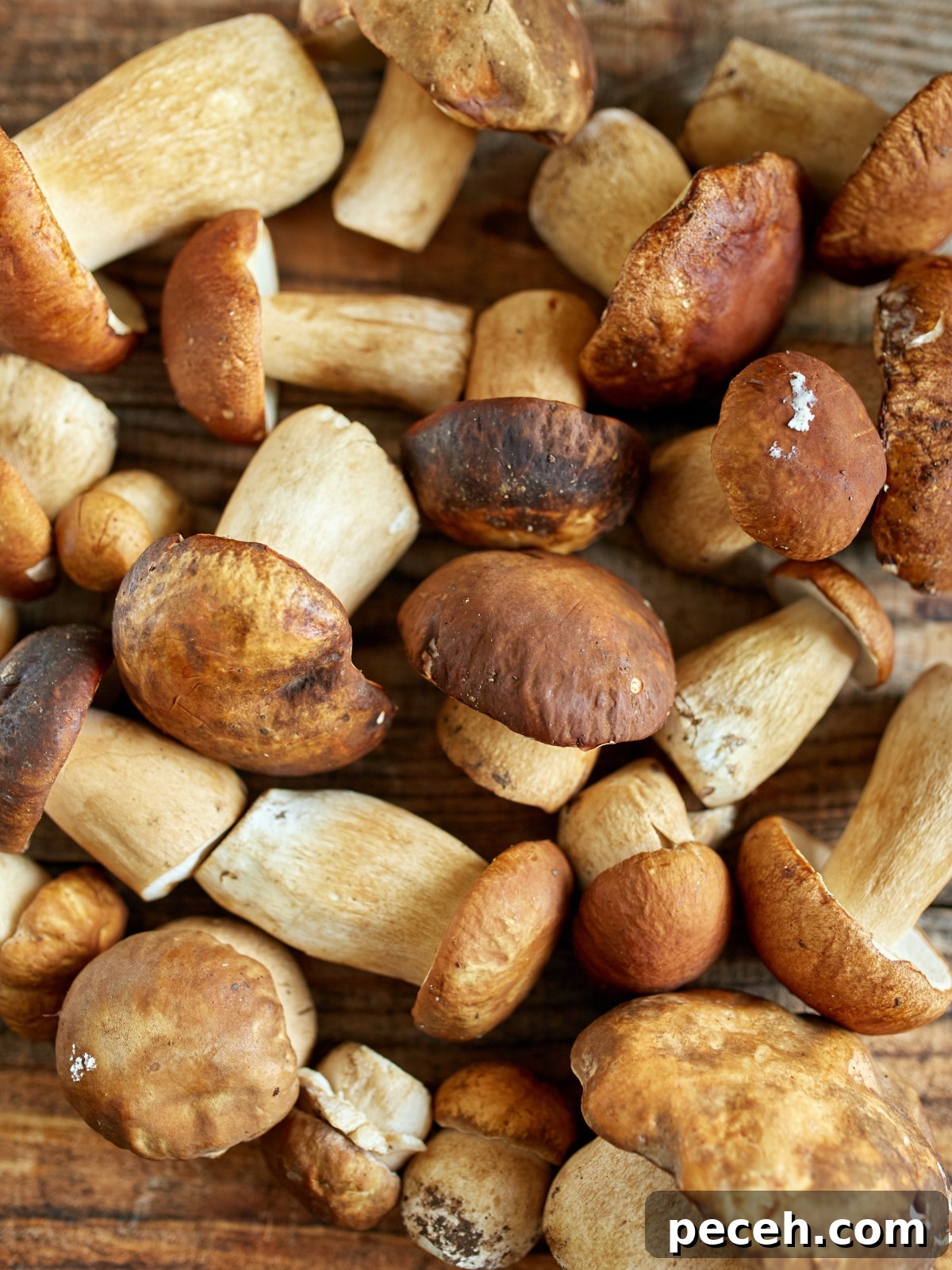
Boletes add a savory, nutty richness to many dishes. Fresh young buttons have a firm, meaty texture ideal for sautéing, while drying intensifies aroma and flavor, making dried boletes an excellent seasoning for sauces, soups, and stews.
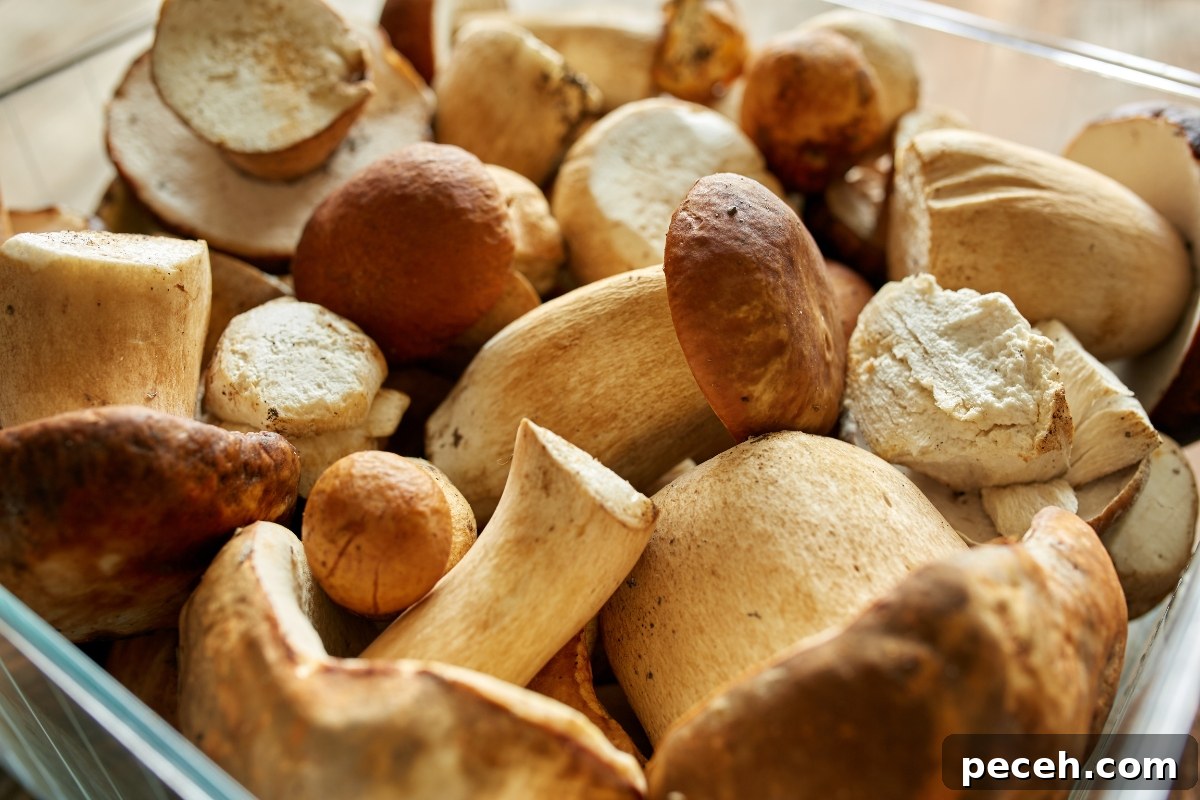
To prepare fresh boletes, slice stems into rounds and slice caps as needed. Many cooks remove the pore layer from older specimens for texture, but those pores are flavorful and can be used in stocks or dried for later use. Sauté sliced boletes gently with garlic, butter or oil, salt, and pepper until browned. Add them to risottos, pastas, soups, or enjoy them simply dressed with olive oil, salt, and pepper — in some regions thin raw slices are served as an antipasto.
Dried boletes can be rehydrated in warm water for about 10 minutes, and the soaking liquid can be used as a flavorful broth. Be cautious: while king boletes are commonly eaten raw in small amounts in some culinary traditions, many other mushrooms are only safe after cooking.
Preserving Boletes
Common preservation methods include drying, freezing, and pickling. For drying, slice thinly and air-dry in a ventilated spot or use a low oven until cracker-dry, then store airtight. In Europe, bay leaves are sometimes stored with dried boletes to deter insects. For freezing, cook or sauté before freezing to avoid an unpleasant slimy texture. Pickling is traditional in parts of Eastern Europe: par-boil pieces, then preserve in a pickling brine.