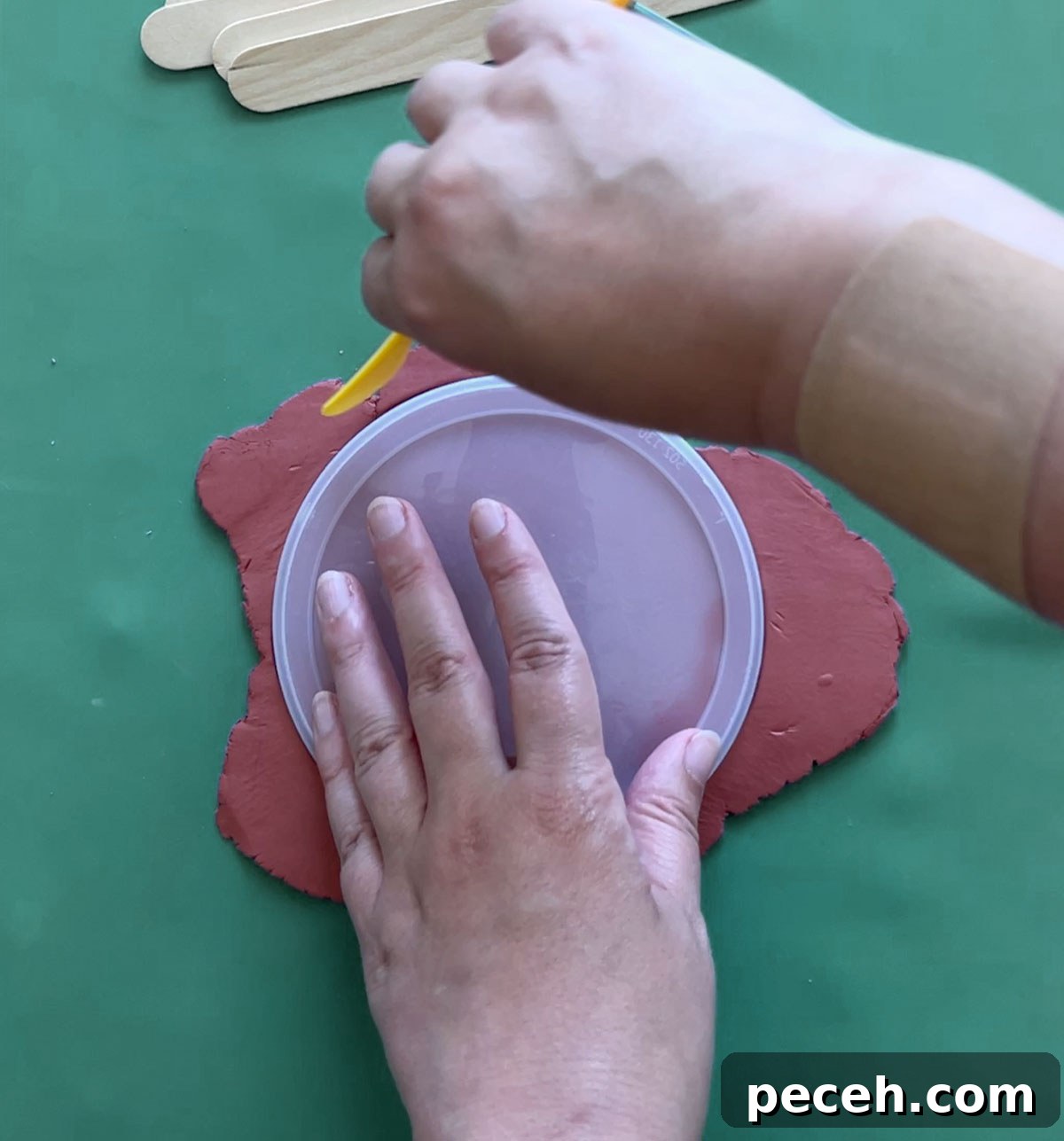
Air dry clay is a versatile material for crafting unique pieces for any space. It’s easy to shape and hardens as it dries at room temperature. The drawback is the drying time—air-dry clay typically takes days to cure. If you need a faster option, is it possible to bake air-dry clay instead?
You can bake air-dry clay. Although most manufacturers don’t recommend it, baking air-dry clay can work if you follow a careful process and take basic safety precautions.
Below we outline a safe method for oven-baking air-dry clay and explain key differences between air-dry and oven-bake clays so you can choose the right approach for your next project.
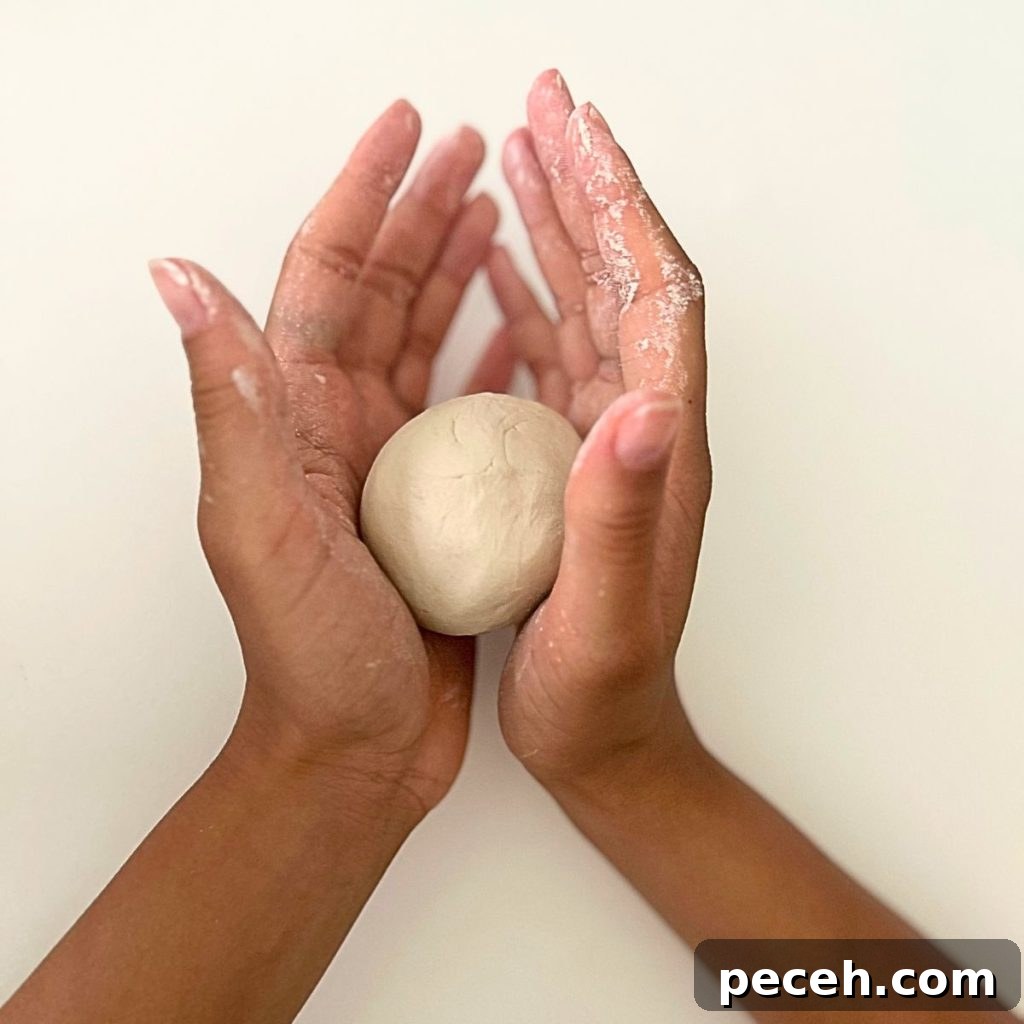
How Do You Bake Air Dry Clay?
To safely bake air-dry clay you will need:
- A baking sheet
- Parchment paper
- Your clay project
- A conventional oven
Follow these steps, starting with a cold oven:
- Line the baking sheet with parchment paper.
- Place your clay piece on the paper.
- Set the baking sheet with your project inside the cold oven.
- Preheat the oven to 200°F (93°C).
- Immediately set a timer for 20 minutes—do not wait for the oven to finish preheating before starting the timer.
- When the timer ends, turn off the oven.
- Leave the project in the oven until both the oven and the piece have cooled completely.
A Few Important Notes About Baking Air Dry Clay
Read these precautions before you try baking air-dry clay:
- Never place a project into a hot oven. Put the piece into the oven only when it is cold. Heating the clay too quickly—from room temperature to 200°F (93°C)—can cause cracking.
- Start the timer as soon as the project goes into the cold oven. The preheating time counts toward the 20 minutes. Leaving the piece in for 20 minutes after preheating may lead to cracking, brittleness, or burning.
- Allow full cooling before removing the project. Rapid temperature changes can damage the clay. Turn the oven off when the timer ends and wait until everything is cool.
- Check the manufacturer’s instructions. Some air-dry clays include baking guidance on their labels, while others explicitly advise against oven use.
- Always use parchment paper. Keep the clay off cookware and food-preparation surfaces. Line your baking sheet with parchment and clean it thoroughly afterward.
What Is the Difference Between Air Dry and Baking Clay?
There are several clay types for crafting, and air-dry clay differs from oven-bake clays in composition, drying behavior, and final durability. One common oven-bake option is polymer clay, which has different properties than air-dry varieties.
What Is Air Dry Clay?
Air-dry clay is a user-friendly sculpting medium that hardens as moisture evaporates. It’s popular because it requires no kiln or oven to set—simply leave a finished piece exposed to air and it will firm up over a couple of days. Keep unused clay sealed to prevent it from drying out unintentionally.
Air-dry clay usually contains clay mixed with glue and will shrink slightly as it dries. It’s inexpensive and easy to work with, making it a great choice for beginners and children. However, even when fully dry, air-dry clay is not waterproof and can soften if exposed to water, so it’s not ideal for items that will be regularly wet or used outdoors without sealing.
Because of its ease of use, air-dry clay suits simple indoor projects and decorative pieces where waterproofing isn’t required.
What Is Oven-Baked Polymer Clay?
Polymer clay is a synthetic, plastic-based material made from PVC and other polymers. It is designed to be baked in a home oven and will not shrink as it cures. Baking times depend on brand and thickness—commonly around 15 minutes per 1/4 inch (6 mm) of thickness—making polymer clay a faster option than air-dry clay for completing projects.
Once baked, polymer clay becomes hard and relatively durable, far less fragile than dried air-dry clay. It also remains workable at room temperature before baking, so you can take your time shaping details without the material starting to set.
Conclusion
In short, you can bake air-dry clay, but it’s generally not recommended because of risks like cracking, brittleness, or burning. If you decide to use your oven to speed up drying, follow the low-and-slow method outlined above and heed manufacturer instructions to reduce the chance of damage. For projects that need durability and predictable results, consider using oven-bake polymer clay instead.