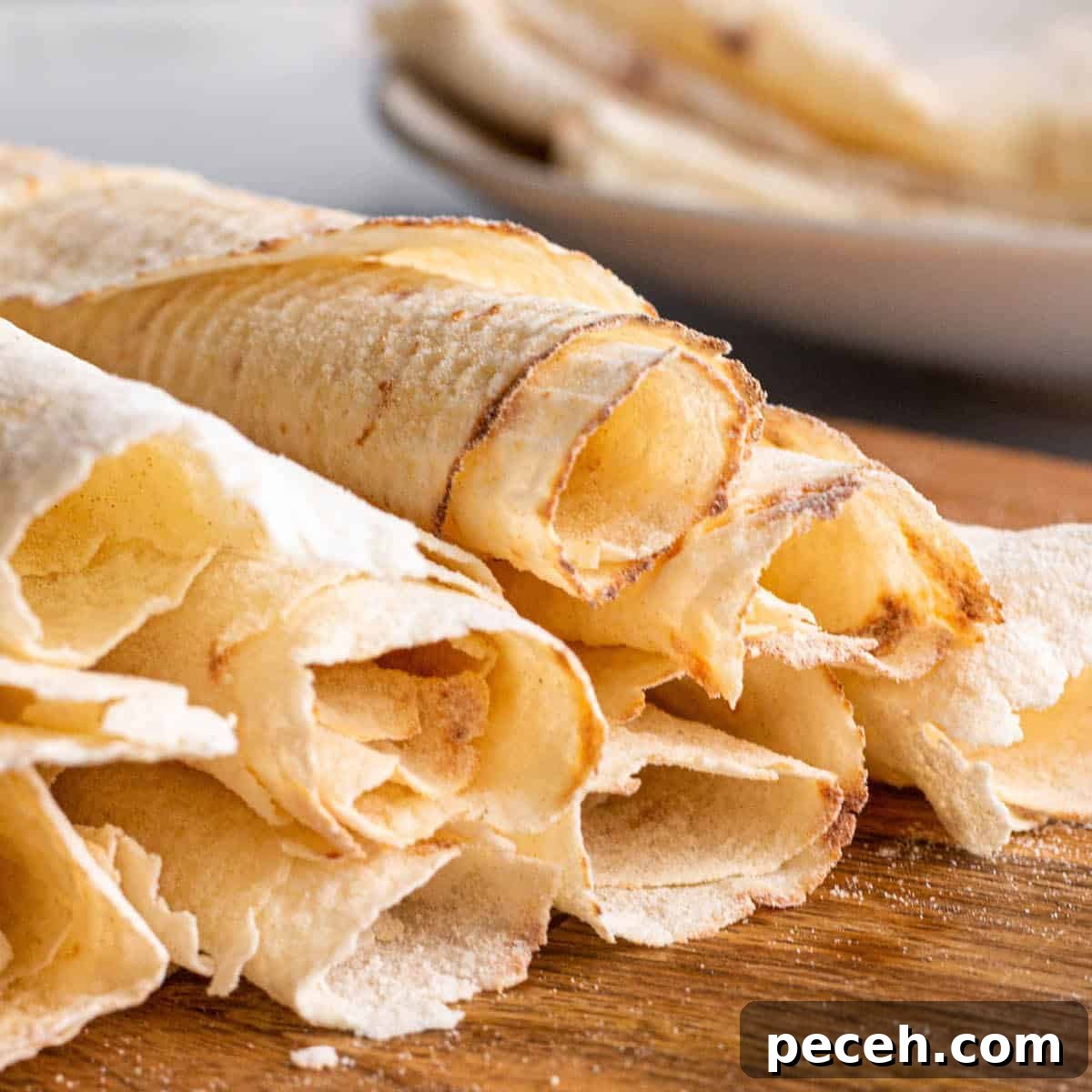
Norwegian Potato Lefse is a cherished holiday staple in many Norwegian households. This delicate, paper-thin flatbread made from potatoes and flour is most often enjoyed spread with soft butter and a sprinkle of sugar or cinnamon. Making lefse at home takes time and practice, but homemade lefse consistently tastes better than store-bought. If you want to learn the process and preserve this family tradition, this guide will walk you through it.
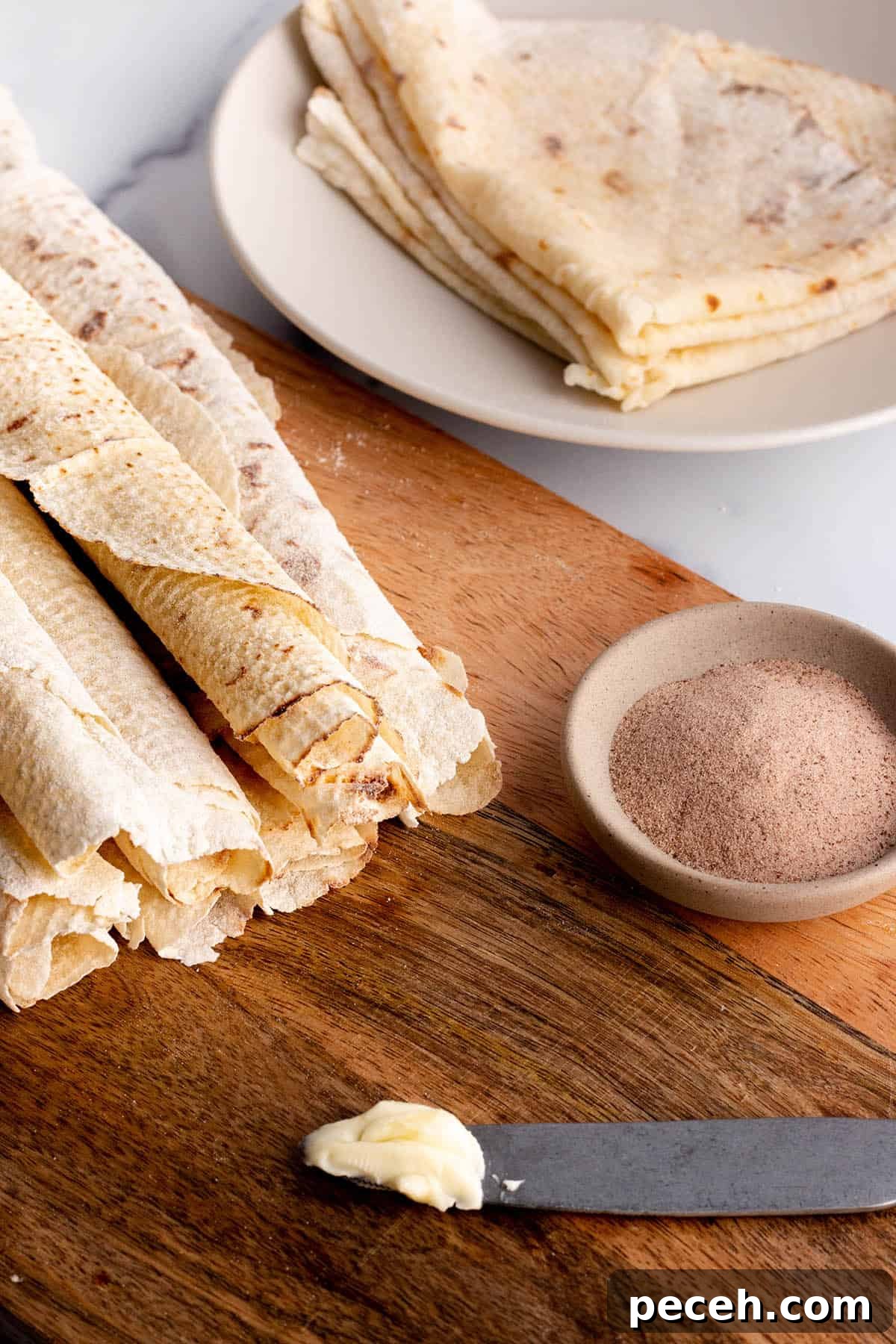
If lefse is part of your family’s holiday routine—Thanksgiving, Christmas or Easter—you likely grew up with it on the table each year. If you want to keep that tradition alive, you’re in the right place. I learned lefse from my grandmother and now share the tips I wish I’d had the first time.
Making lefse is a craft you only truly master by doing it. It requires patience and practice, but there’s room to develop your own technique. Below are practical tips, ingredient notes, equipment suggestions, and step-by-step instructions to help you succeed.
⭐️ Tips for Making Lefse
These key tips make a big difference no matter which recipe or tools you use.
- Rice the potatoes. Use a potato ricer so your potatoes are perfectly smooth with no lumps. Lumps ruin the texture and make rolling difficult.
- Use very little flour in the dough. Adding too much flour makes the lefse thick and heavy. You’ll use more flour while rolling; keep the dough itself light.
- Chill the potato mixture before rolling. Cold potato logs roll more easily. Form logs or balls and refrigerate overnight so you only work with one at a time.
- Make sure the griddle is hot. Lefse cooks quickly; a hot griddle helps create the right texture and browning.
- Cook the first side briefly—about a minute. Flip early and let the second side brown and develop spots.
- Do not re-roll torn lefse. If it tears, grill it as-is. Re-rolling makes it too thick.
- Use a gliding rolling motion rather than pressing down. Pressing causes tears. Glide and gently stretch the dough thin.
- Be patient—practice is essential. Imperfect lefse is part of the learning curve. It improves with time.
🥔 Ingredients
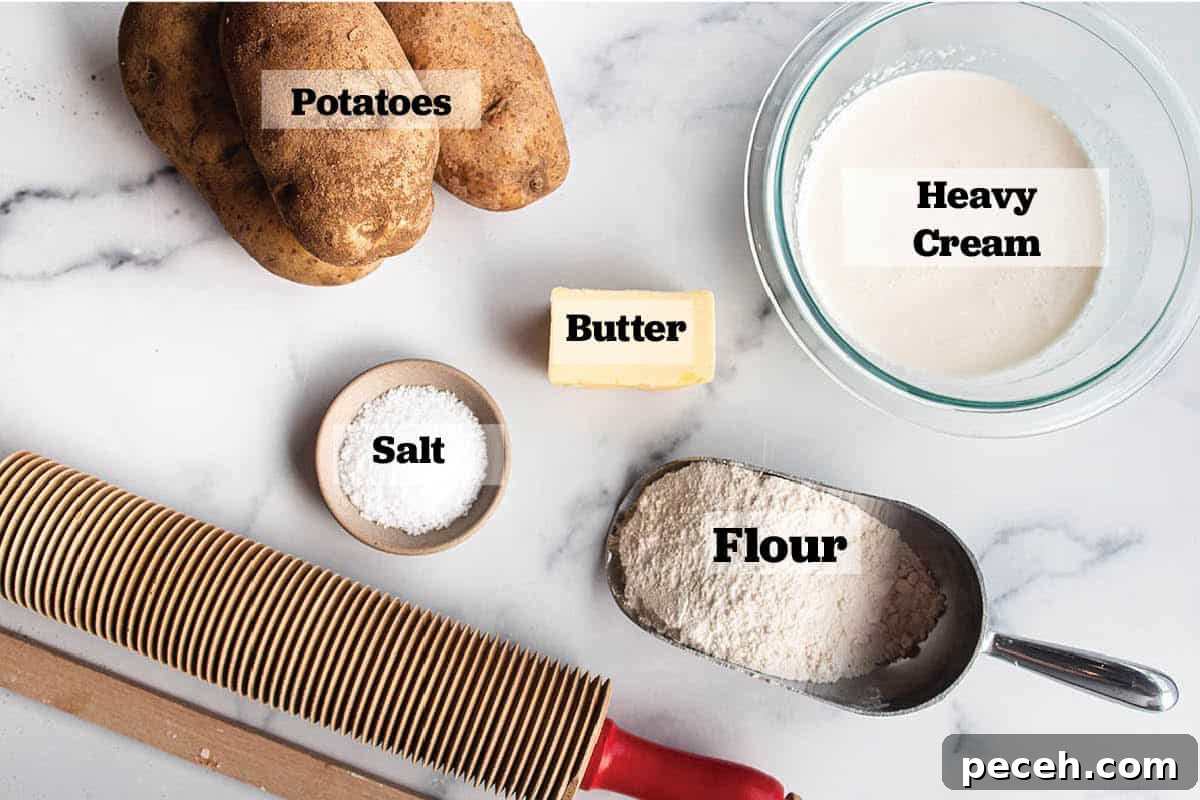
This recipe reflects one common, reliable version of potato lefse. Family recipes vary—if you have one, use it. The technique stays much the same.
Russet potatoes: They give the right starchy texture. Red potatoes won’t provide the same consistency. Instant mashed potato flakes can be used in some recipes if you don’t have a ricer.
All-purpose flour: This is the best choice for traditional texture. You’ll add most of the flour when rolling rather than in the dough.
See the recipe card below for exact ingredient quantities.
🔪 Equipment Needed
For consistent results, consider these tools you’ll use for years:
- Lefse griddle: A dedicated griddle gives even heat and the right surface for cooking lefse.
- Lefse turning stick: For transferring and flipping thin rounds safely.
- Pastry board with cloth: Ideal surface for rolling thin rounds without sticking.
- Potato ricer: Essential for smooth, lump-free potatoes.
- Grooved lefse rolling pin: Helps roll uniform thin rounds.
- Flour sack towels or tea towels for stacking and cooling.
👩🍳 How to Make Lefse
If this is your first time, be gentle with yourself. Lefse is learned by doing. Below are clear steps to guide you through the process.
Prepare the Potatoes
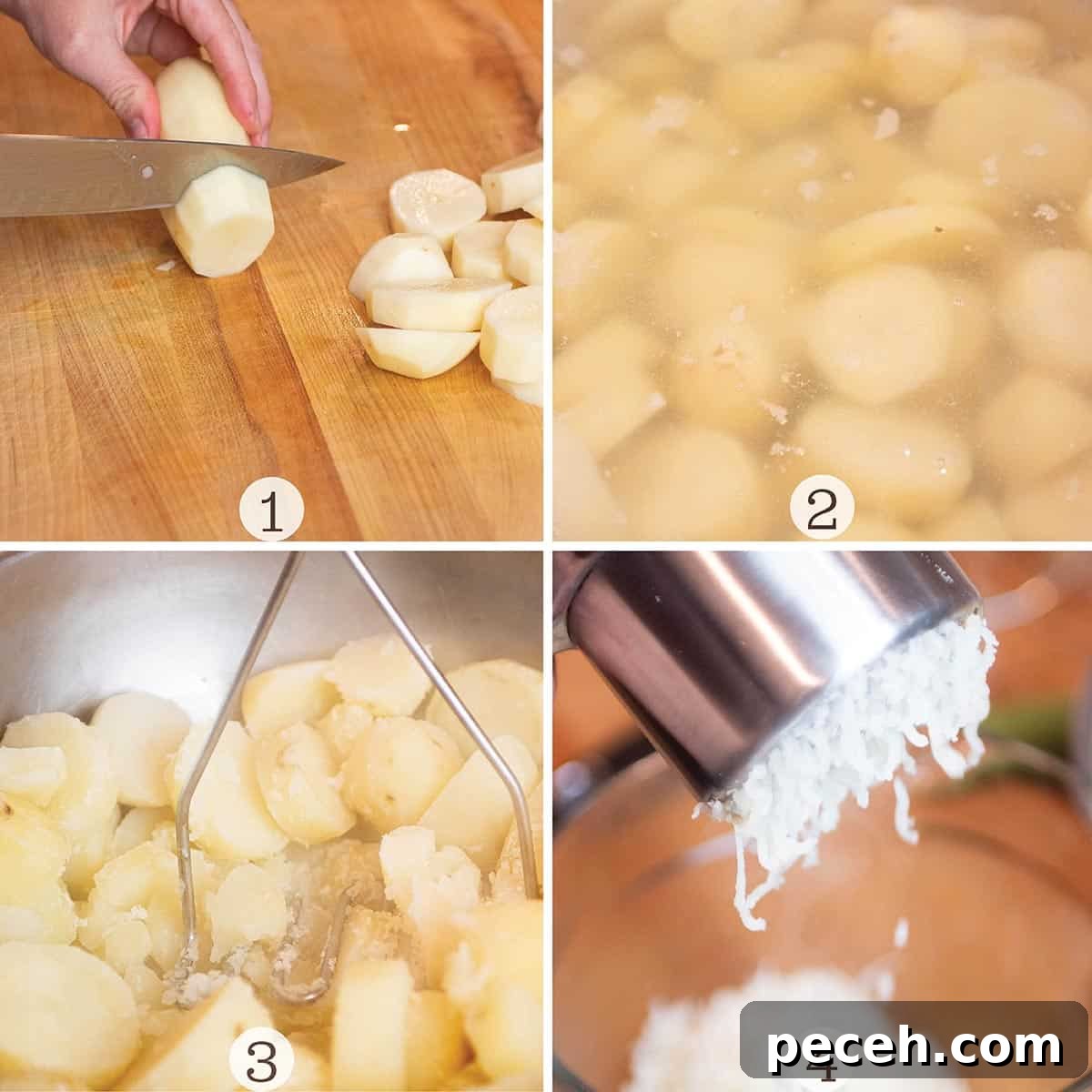
Do this the night before you plan to roll and grill.
Step 1: Peel the potatoes and cut into roughly 1″ slices.
Step 2: Place potatoes in a large pot, cover with water about 2″ above the potatoes, add salt and bring to a boil. Cook until potatoes are tender and easily pierced with a fork.
Step 3: Drain and let the potatoes dry briefly, then break them into smaller pieces with a masher.
Step 4 — IMPORTANT: Run the potatoes through a potato ricer until perfectly smooth with no lumps. If necessary, rice them twice. Lumpy potatoes make rolling difficult.
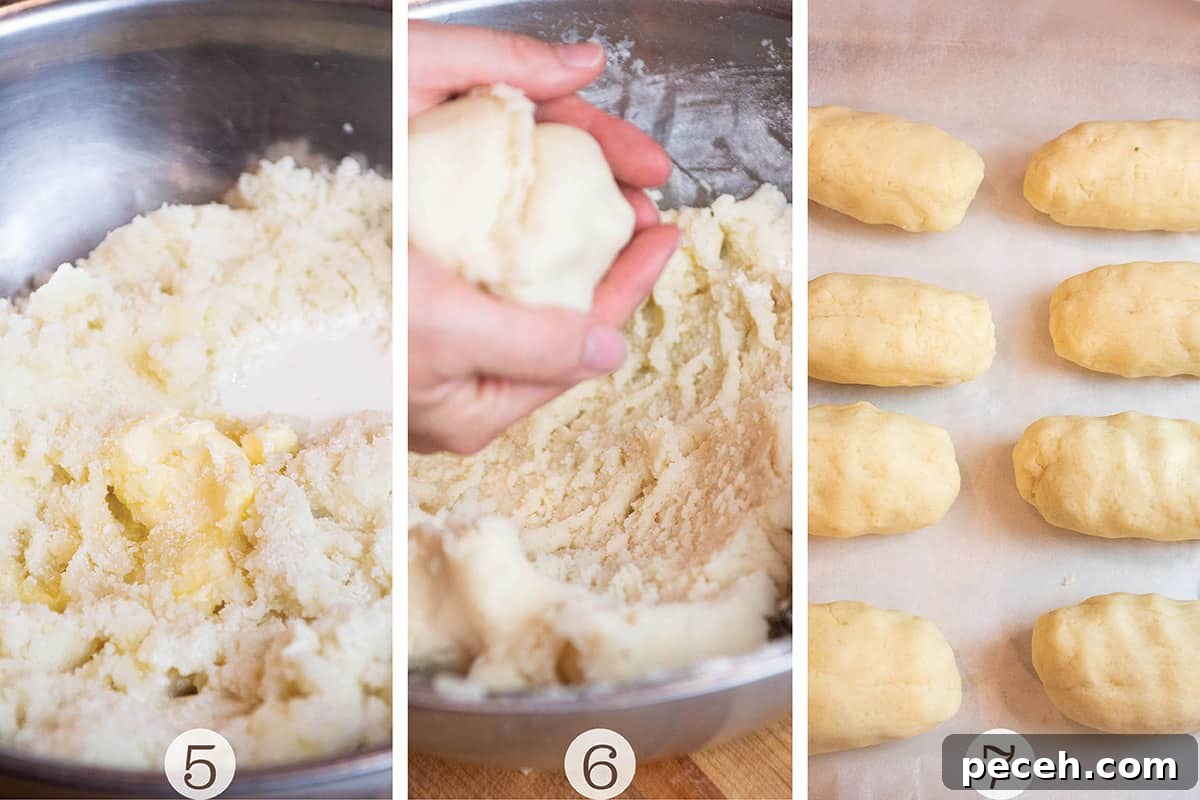
Step 5: In a large bowl, combine softened butter, riced potatoes, salt, and cream. Mix until fully combined; it should resemble mashed potatoes.
Step 6: Add 2 cups of flour and mix lightly; the mixture will thicken into a workable dough. Keep extra flour handy for rolling.
Step 7: On a parchment-lined baking sheet, form about 1 cup portions of the potato mixture into logs (about the size of a russet potato).
Step 8: Cover with plastic wrap and refrigerate overnight. Chilling makes rolling easier and keeps unused logs cold while you work.
Prepare Your Workspace
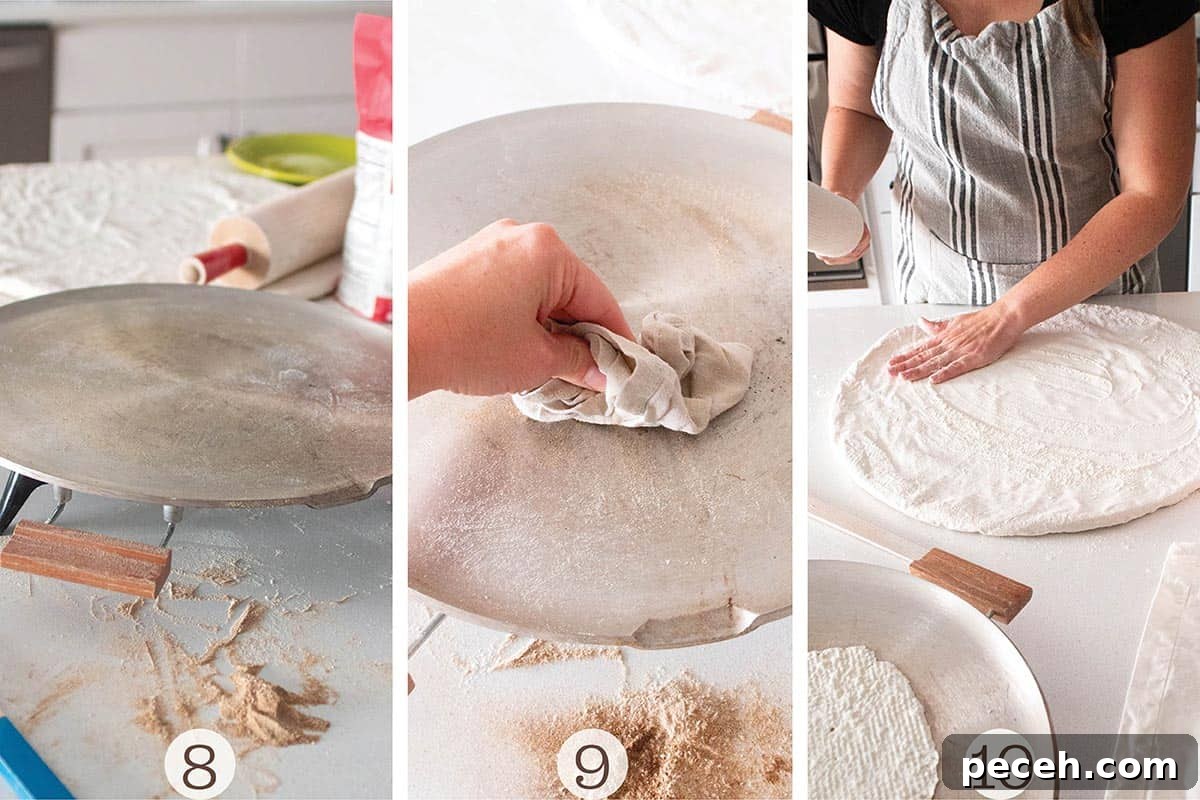
Set up everything before you start: griddle, pastry board, rolling pin, turning stick, plenty of flour, a dry cloth to brush off excess flour, and towels for stacking and cooling. Keep the griddle and pastry board close to minimize transfers.
Tip: Generously flour the pastry board and rolling pin; the first pieces will be the stickiest.
Rolling
Rolling lefse takes practice. Work patiently and keep flour nearby.
Step 9: Preheat your lefse griddle to about 450°F (medium-high). Let it reach temperature before cooking.
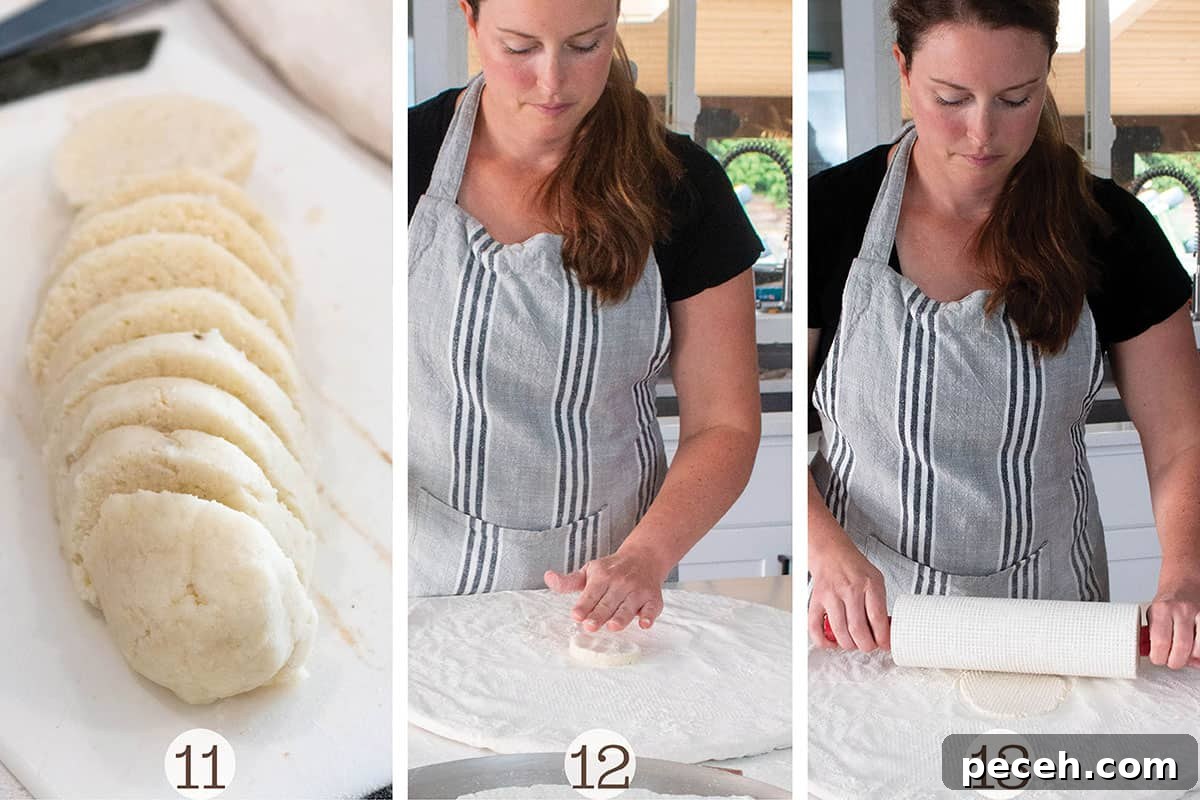
Step 10: Cut one chilled dough log into pieces (about 7–9 per log, depending on desired size). Start with smaller pieces if this is your first time.
Step 11: Lightly dust both sides of a piece with flour and begin rolling gently in several directions. Flip while it’s still thick to coat both sides with flour and prevent sticking.
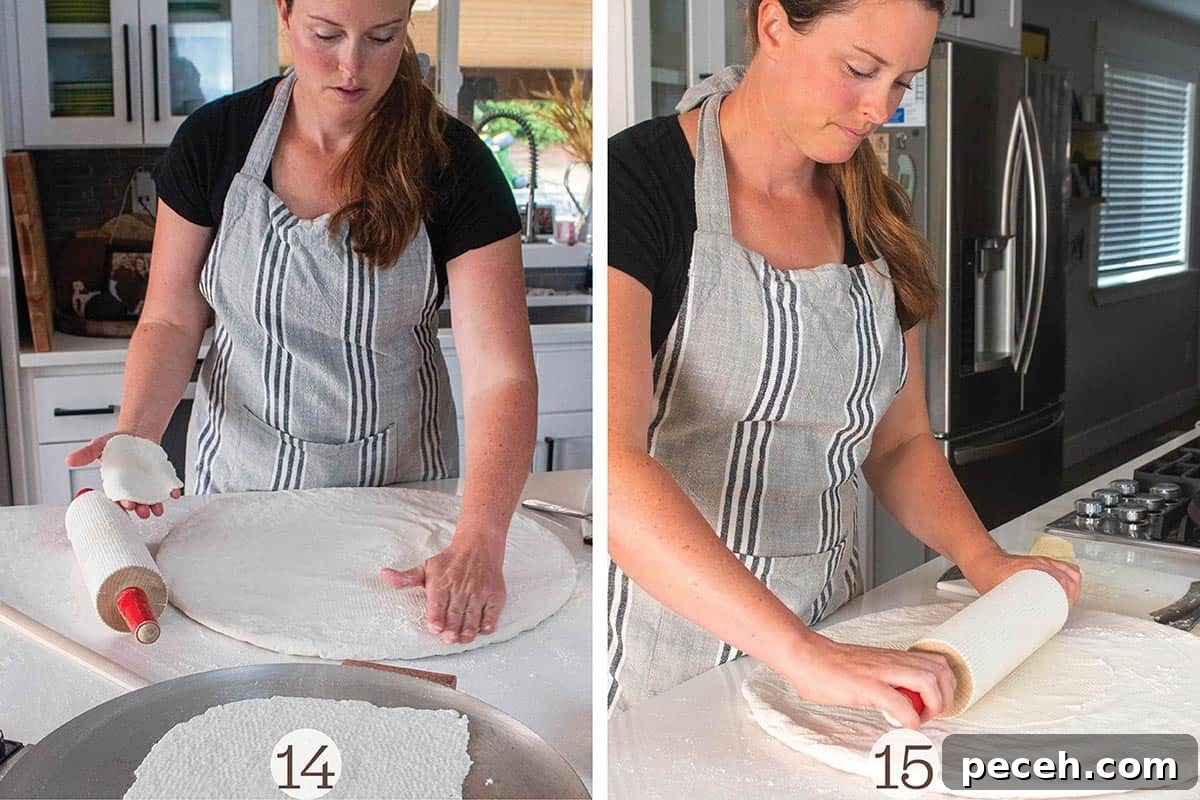
Step 12: Continue rolling with a gliding, gentle motion—don’t press down hard—until the dough is paper-thin. If dough sticks to the cloth or pin, stop and scrape it off before continuing.
- If the lefse tears or gets holes, do not re-roll—grill it as is.
- Reapply flour to your work surface and pin frequently.
Grilling
When your lefse round is very thin, transfer it to the hot griddle.
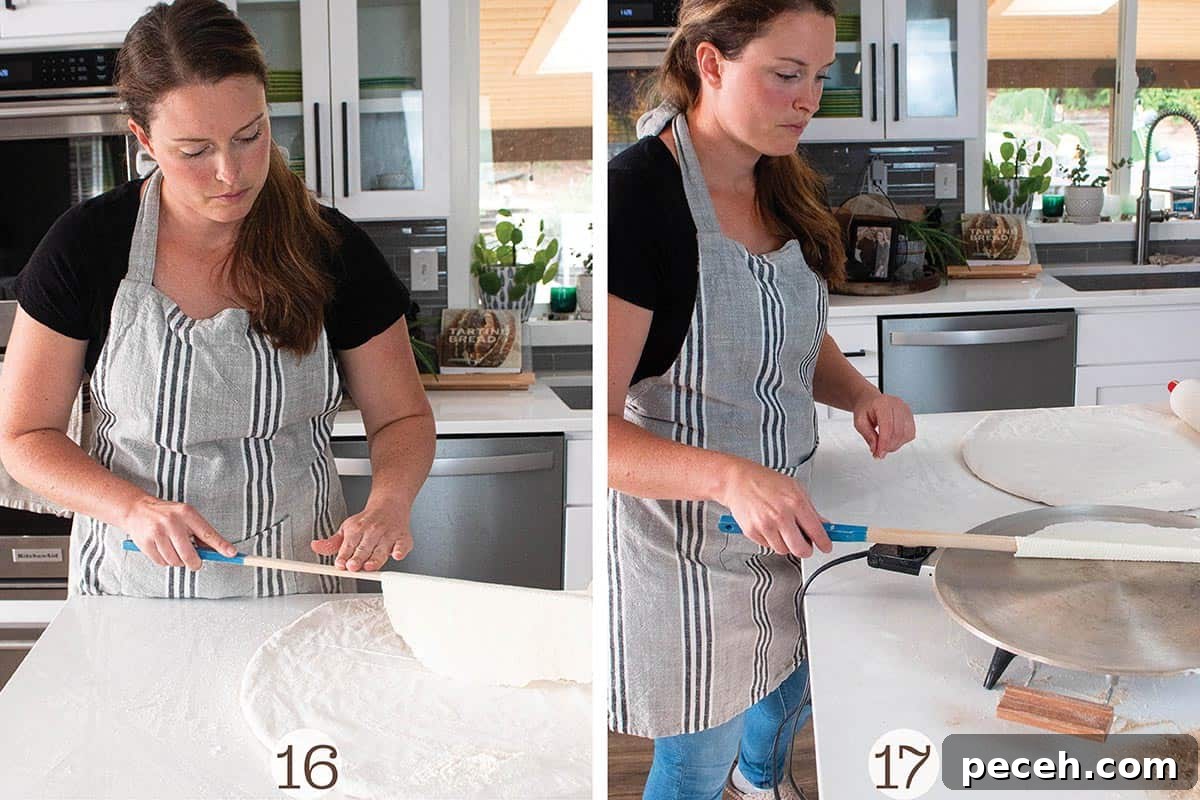
Step 13: Use a lefse stick to slide under the center, lift and roll it onto the griddle.
Step 14: Cook the first side about a minute or until it just begins to get golden, then flip using the turning stick.
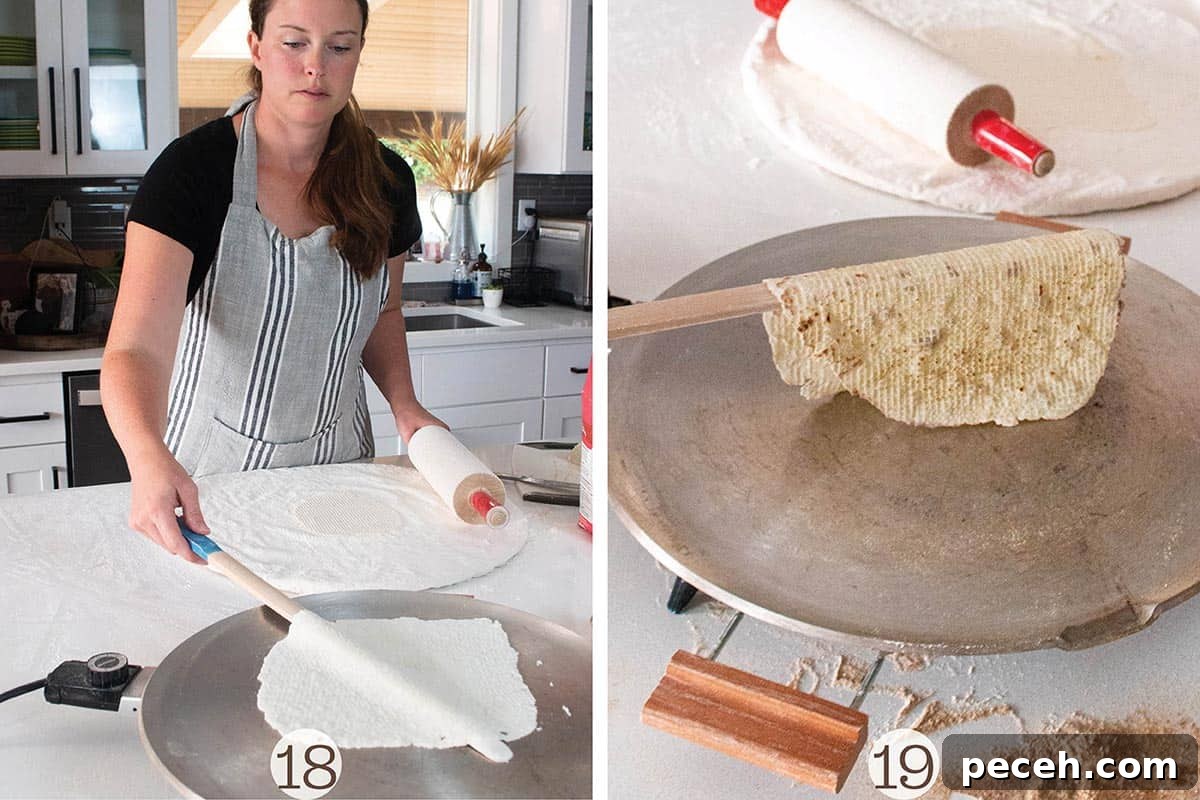
Step 15: Cook the second side a bit longer so brown spots form. Remove the lefse and place it on one half of a flour sack towel. Stack and cover with the other half of the towel to retain moisture while cooling. If left uncovered they can dry out and become crisp.
❄️ How to Store
Allow lefse to cool completely before refrigerating. Fold each piece into fourths and stack in a zip-top bag for 4–5 days in the refrigerator.
Freezing works very well: fold into fourths, stack 4–6 pieces, wrap in plastic wrap, then place in a freezer bag. Remove smaller portions as needed.
🧈 How to Serve
The classic serving is rolled with softened butter and cinnamon sugar. You can also enjoy lefse with jam, Nutella, or any spread you prefer. Lefse can be served warm, at room temperature, or chilled—choose what you and your family like best.
❓ Recipe FAQs
Is lefse just a tortilla? No. Lefse is a potato-based flatbread made primarily from mashed or riced potatoes combined with butter and cream, giving it a different flavor and texture from a tortilla.
What do you eat with lefse? Traditionally soft butter and sugar or cinnamon sugar, but jam and chocolate spreads are also popular.
Is lefse eaten warm or cold? Either. It’s best fresh from the griddle but remains enjoyable at room temperature or chilled.
📋 Recipe

Norwegian Potato Lefse
Equipment
- Lefse griddle
- Lefse turning stick
- Pastry board with cloth
- Potato ricer
- Grooved lefse rolling pin
- Baking sheet and parchment paper
- Flour sack or tea towels for cooling
Ingredients
- 5 pounds russet potatoes — peeled and diced into 1″ slices (about 8–10 cups riced)
- 1/2 cup unsalted butter, softened
- 1/4 cup heavy whipping cream
- 1 teaspoon salt
- 2 cups all-purpose flour, plus more for rolling
Instructions
Prepare the Potatoes
- The night before, peel and slice potatoes into 1″ pieces.
- Cover with water in a large pot (about 2″ above the potatoes), add salt, and bring to a boil. Cook until tender.
- Drain and allow to dry briefly, then mash lightly to break into pieces.
- Rice the potatoes with a potato ricer until completely smooth with no lumps.
- Mix riced potatoes with softened butter, cream, and salt until well combined.
- Add 2 cups flour and mix gently until dough forms. Save extra flour for rolling.
- Form roughly 1-cup logs on a parchment-lined baking sheet, cover with plastic wrap, and refrigerate overnight.
Prep Work Station
- Clear counters and arrange the griddle, pastry board, rolling pin, lefse stick, flour, and towels within reach.
- Generously flour the pastry cloth and rolling pin before starting.
Rolling Lefse
- Preheat the griddle to 450°F (medium-high) and let it reach temperature.
- Cut a chilled dough log into pieces. Start with smaller pieces if you’re new to rolling.
- Lightly dust the piece with flour on both sides, then begin rolling in multiple directions.
- Flip the round while it’s still thick to coat both sides with flour and prevent sticking.
- Continue rolling with a gentle gliding motion until paper-thin. Scrape any stuck dough off immediately and re-flour as needed.
- If the dough tears, do not re-roll—grill it as-is.
Grilling Lefse
- Use a lefse stick to slide under the round and roll it onto the hot griddle.
- Cook the first side about a minute until it just begins to color, then flip.
- Cook the second side a bit longer to develop brown spots, then remove.
- Stack cooked lefse on one half of a flour sack towel and cover with the other half to retain moisture while cooling.
- Enjoy immediately or cool completely before storing.
Notes
This recipe yields about 20–30 large lefse or 40–50 smaller ones. Expect some waste and sampling—lefse freezes very well. For freezing, fold each piece into fourths, stack 4–6, wrap in plastic, and place in a freezer bag.
Flour: The dough uses little flour, but you’ll use more when rolling. For this batch you may use roughly half a 5 lb bag total between dough and rolling.
Practice: Rolling thin rounds and transferring to the griddle takes time. Accept imperfect rounds as part of learning.
Nutrition (per serving, approximate)
- Calories: 105 kcal
- Carbohydrates: 17 g
- Protein: 2 g
- Fat: 3 g