Long-lost cousins are real. I’ve found one recently: another Bronner, not a distant relative but a full first cousin, a granddaughter of Dr. Bronner like me. This reconnecting has filled in gaps in our family story and brought practical wisdom into my life.
Those familiar with Bronner family history know plenty about Ralph and my father Jim—Ralph for his folk music, salesmanship and visits to mom-and-pop health shops, and Jim for his soapmaking skill and business stewardship. But Ellen, Dr. Bronner’s oldest child, has been a quieter presence in the record. We knew the three children—Ellen, Ralph, and Jim—were raised in foster care around Milwaukee. Ralph went to college and became a teacher; Jim joined the Navy and later became a chemist in California. Ellen’s story, however, was fragmented.
Ellen left high school before graduating, married briefly, and had a daughter, Judith, who was raised by her father’s family. Ellen experienced lifelong mental and physical health challenges, spent much of her adult life hospitalized, and died in 1988. Many details remained unknown to the family—why she left school, the circumstances of her marriage, why her daughter was raised elsewhere, and the specifics of her illness and care. Most of what we knew came from genealogy records and piecemeal research.
In spring 2020, everything changed. A message alerted us that someone on Ancestry claimed to be our cousin Judy. That moment marked the discovery of Ellen’s daughter. Judy is the oldest of Dr. Bronner’s grandchildren, and her arrival into our circle increased our number of known grandchildren. She didn’t come alone—she brought two children, a partner, and two grandchildren. It has been a blessing to welcome them.

Reuniting
In March 2022 we finally hosted them in California. They placed their handprints in the family heart on the Uncle Ralph mural at Dr. Bronner’s headquarters. That reunion led to conversations that connected family history with everyday life—especially cleaning tips from family members who manage mobility limitations.
One cousin in particular, Claudeanne—Judy’s daughter-in-law—has faced significant mobility challenges with resilience and practical strategies. Through candid talks about cleaning and product choices, she taught methods that make household maintenance safer and more manageable for people with limited mobility. Below I share Claudeanne’s top tools, her story using Sal Suds for bathroom cleaning, and additional tips that reduce strain, saving both time and physical energy.
Claudeanne’s recommended tools for cleaning with mobility limitations
Begin by choosing tools that reduce overreaching, bending, and repetitive motions. Prioritize lightweight designs and devices that allow you to clean from a comfortable posture.
- Dish wands with fillable handles for shower and sink cleaning.
- Extendable-handle tools for light jobs like cleaning walls and windows.
- Brush attachments for a lightweight drill can speed scrubbing of soap scum—if the drill isn’t too heavy.
- Swiffer-style wet/dry mops (not wet-jet models) work well for walls; use reusable shop towels and a light biodegradable cleaner instead of disposable pads.
- Lightweight cordless vacuums reduce strain; robot vacuums automate routine floor care if budget allows.
- A grabber tool prevents repetitive bending to pick up clutter.
- Adjustable saddle stools or rolling mechanic stools let you work at counter height with less forward bending, useful in kitchens and for seated floor work.
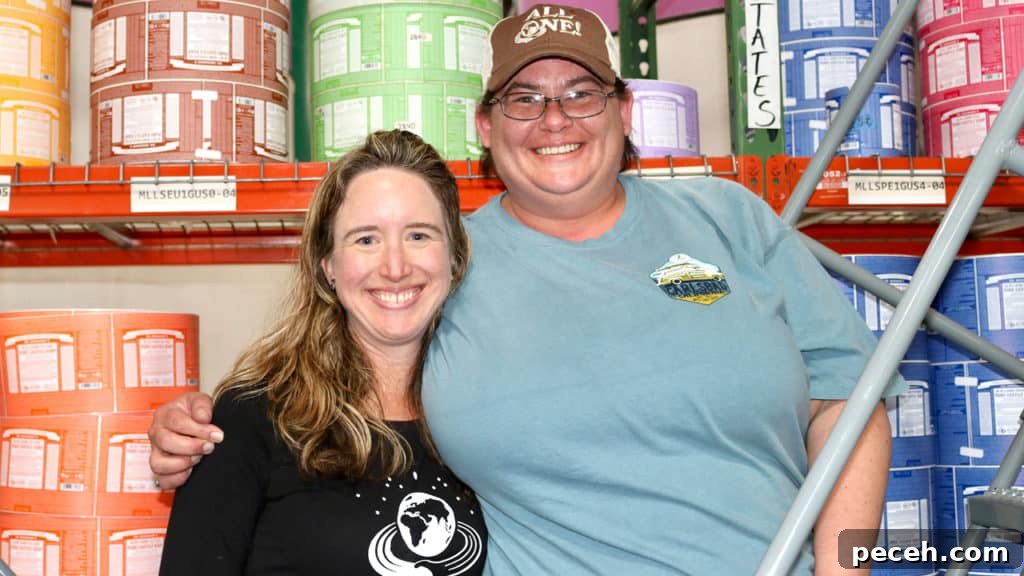
Claudeanne’s story: a bad back and a bathroom blessing
Two years ago, I hadn’t tried Dr. Bronner’s products and assumed the large bottles were expensive and niche. I came from a family that favored harsh chemical cleaners—Comet, Clorox, Soft Scrub, ammonia-based sprays and polishes—products that left hands dry, irritated, and a lingering chemical smell. After reconnecting with family and learning about gentler alternatives, I discovered that cleaning doesn’t require harsh chemicals. My hands stopped drying out, I no longer needed thick gloves, and my home smelled clean rather than bleachy.
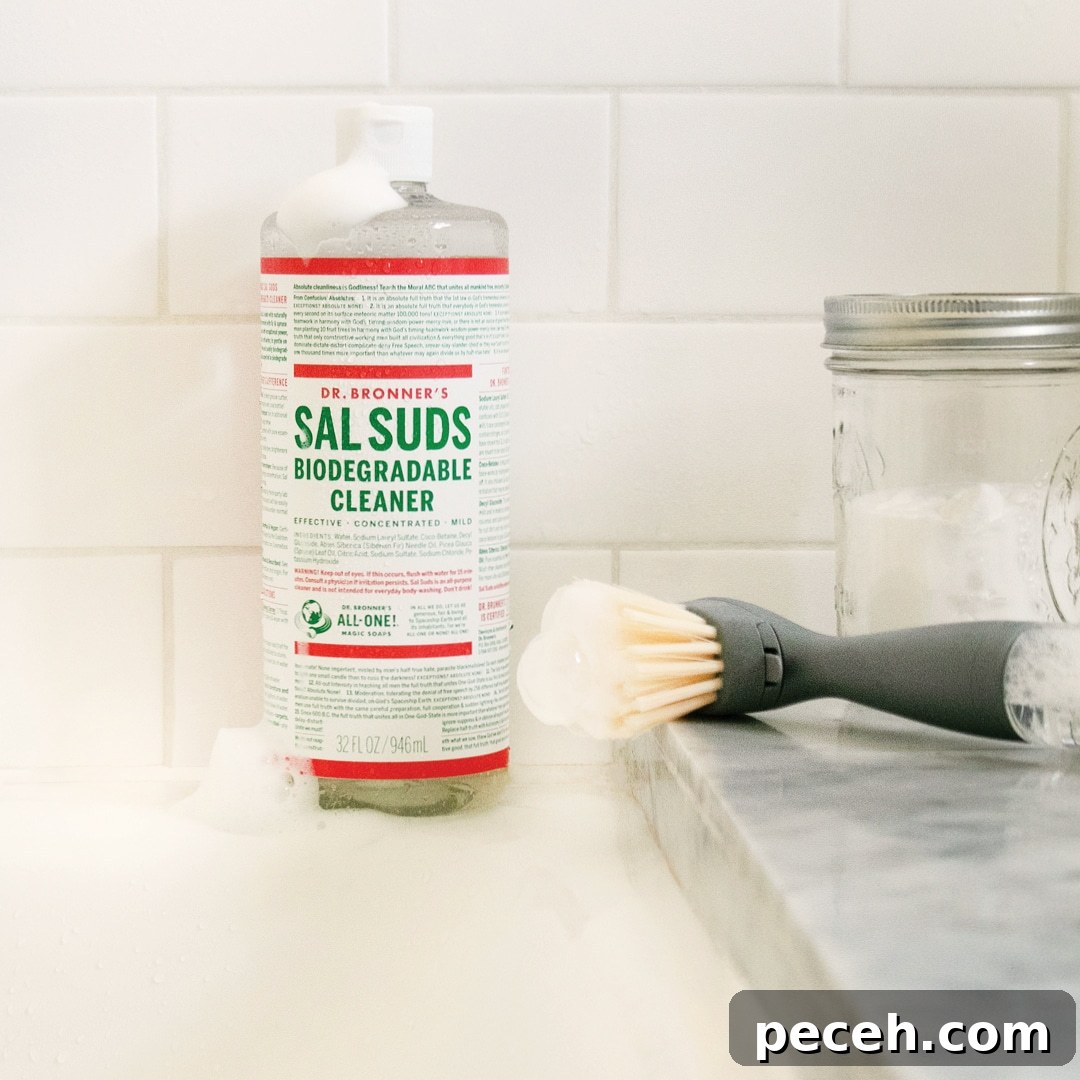
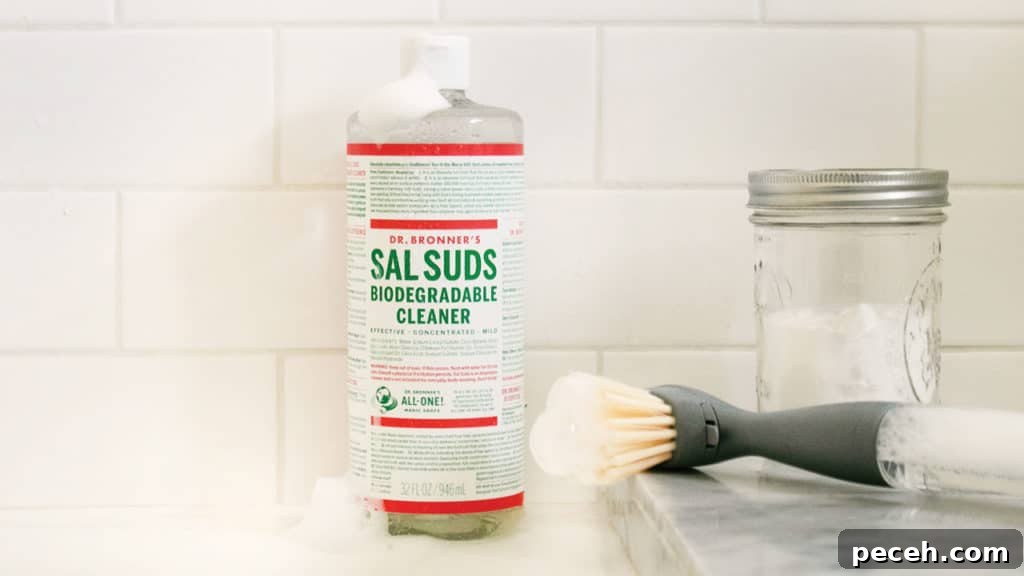
Getting Sal Suds changed how I clean my small apartment bathroom. Kneeling and scrubbing with abrasive cleaners left my back and hips sore for days. Sal Suds, used with a refillable dish wand, allowed me to stand, reach at comfortable angles, and let the solution do the work. The result: a sparkling tub and shower with far less effort and rinse time.
The dish wand delivery system makes targeted application easy. I learned to dilute minimally and let the cleaner soak briefly instead of scrubbing aggressively. In comparative tests with a commercial concentrated dish detergent, Sal Suds required less product, left no residue on the sponge, rinsed quickly, and didn’t leave slippery or spotted surfaces. A small amount goes a long way—what feels like a modest fill in the wand lasts through multiple cleanings.
For a safe, efficient bathtub and shower cleaning routine that minimizes physical strain, Claudeanne’s method is simple and effective. It relies on pre-rinsing, light application from a dish wand, short soak times, gentle circular rubbing where necessary, and a fast top-down rinse. The full process typically completes in 15 minutes or less and includes cleaning accessories like anti-slip mats.
- Rinse walls and tub with hot water, then plug the drain and add about an inch of water.
- Fill a refillable dish wand handle with cleaner and wet the sponge head.
- Apply a light lather to shower walls, starting from the top and letting the solution soak—do not scrub aggressively.
- Apply a slightly heavier lather to soap-scummed areas in the tub and let it sit.
- Use the damp sponge to lightly scrub in circular motions where needed; most surfaces will come clean with minimal pressure.
- Rinse thoroughly from the top down; the formula rinses away quickly and leaves no residue.
Switch sponge heads for sinks and other fixtures and repeat the same approach. The method saves time, reduces elbow grease, and limits pain for people with mobility or balance issues. While dish wand cartridges are plastic and not the greenest option, they are affordable and durable; natural alternatives exist if you prefer them and can find compatible wands.
Sal Suds makes cleaning more economical, ecological, and health-conscious. For many with chronic pain or mobility limitations, switching to gentle, effective cleaners and using delivery tools like refillable dish wands can be transformative.
Other cleaning tips for limited mobility
- Work in short bursts: 15–20 minutes, then rest. Set a timer if needed to avoid overdoing it.
- Be mindful of balance when moving between high and low areas.
- Limit tasks per day to avoid prolonged standing; alternate light stretching during breaks.
- Respect your disability: avoid pushing through pain to prevent longer recovery times.
- Declutter to reduce what needs cleaning and to simplify movement. Enlist a neutral helper if possible.
- Avoid bending: use vacuum wands, extendable dusters, brooms, and grabbers for pickups.
- Use the “golfer’s lift” technique to pick up lightweight objects as a back-friendly option.
- Use the dishwasher for many non-delicate household items like glass vases, microwave turntables, small plastic organizers, metal tools, soap dishes, and pet bowls—avoid wood, cast iron, or items the manufacturer advises against.
- Use the washing machine for reusable bags, oven mitts, mop heads, small rugs, shower curtains, and some pillows—follow care labels and air-dry when recommended.
These practical tips add up to cleaner spaces while preserving strength, independence, and well-being. I’ve found Sal Suds and similar gentle cleaners to be both effective and easier on the body, and I’m grateful to family members like Claudeanne for sharing methods that make everyday life more manageable.
Reuniting with lost relatives has been emotionally meaningful and practically helpful. Finding Judy and her family has enriched our lives and taught us that unexpected connections can bring both family history and useful knowledge into the present. Life’s winding road often brings welcome surprises.
Further reading
- Wipe-Off Castile Soap Body Spray
- Green Resource: Clean House, Clean Planet
- Sal Suds or Castile Soap – Which to Use?
- Simplifying the Shower
Sal Suds cleaner shows >60% biodegradation after 28 days per ISO 14593.