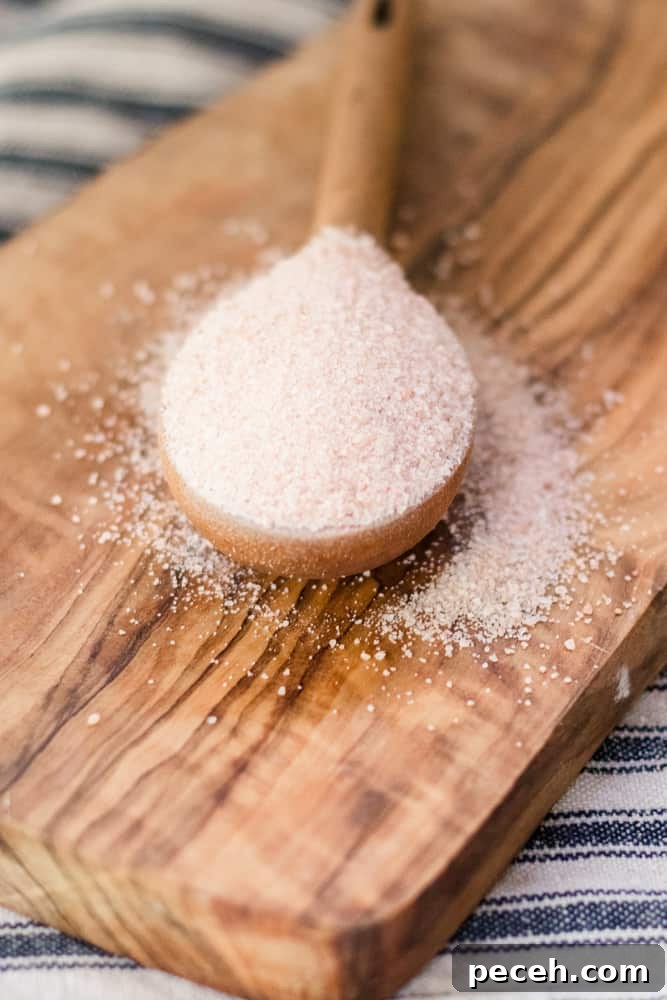
Pink Himalayan salt is well known as a cooking staple, but its uses extend far beyond the kitchen. In addition to seasoning food, this mineral-rich salt can offer benefits for skin, hair, and overall wellbeing. Here’s how to use pink Himalayan salt safely and effectively, plus practical recipes and tips to get the most from it.
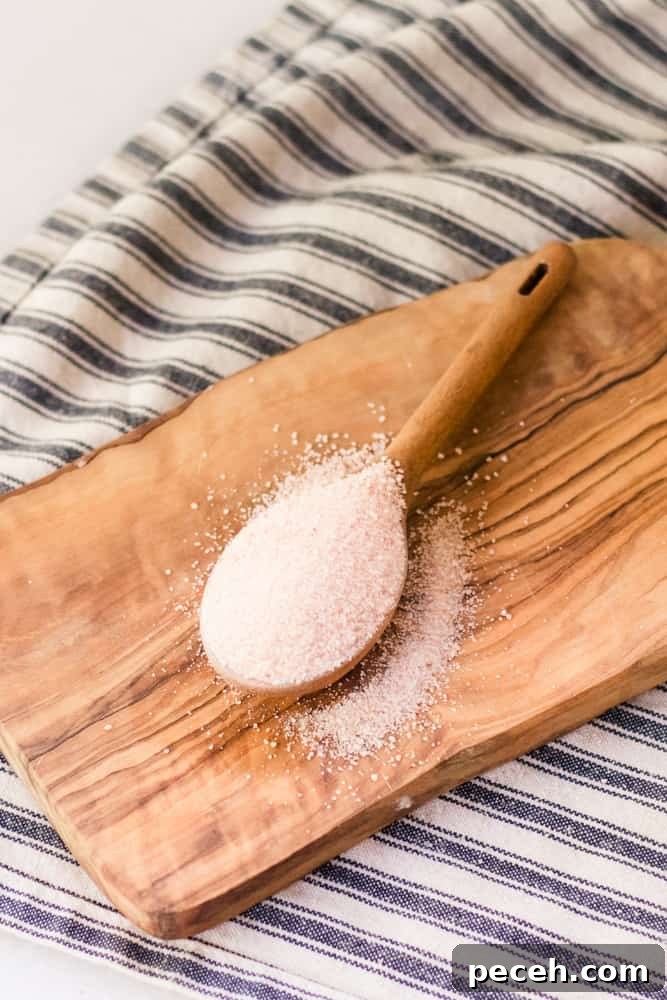
What is Pink Himalayan Salt?
Pink Himalayan salt is harvested from ancient salt deposits near the Himalayan range, primarily from the Khewra mine in Pakistan. Its distinctive pink hue comes from trace minerals, including iron, potassium, and magnesium. Because it is usually hand-mined and minimally processed, pink Himalayan salt retains a broader mineral profile than heavily refined table salt.
The texture ranges from fine grains to coarse crystals, and it can be used interchangeably with other salts for cooking. Beyond culinary uses, the mineral content and gentle processing make it useful in personal care applications like scrubs, soaks, and gentle exfoliation.
Himalayan Salt Lamps
Himalayan salt lamps are decorative fixtures carved from large salt crystals that emit a soft, warm glow. True salt lamps come from the Khewra mine and are popular for their aesthetic appeal. Some people claim these lamps improve air quality, produce negative ions, and support better mood and sleep. Scientific support for many of these claims is limited, but many users report mild benefits related to ambiance and relaxation.
History of Pink Salt
The use of Himalayan salt dates back centuries. Anecdotes tell of Alexander the Great’s horses discovering salt deposits in what is now Pakistan, and formal mining expanded significantly during the 1800s. Over time, people have used the salt for food preservation, seasoning, and various health and spiritual practices.
Is Pink Salt Good for You?
Pink Himalayan salt is often promoted as a healthier alternative to refined table salt because it contains additional trace minerals and is less processed. Whereas table salt is typically refined and may contain anti-caking agents or additives, pink salt is sold in a more natural form. That said, it remains sodium chloride and should be consumed in moderation. It can be a better choice for those looking to avoid processed table salts, but it is not a cure-all.
How to Use Himalayan Salt
In cooking, substitute pink salt for table or sea salt in equal amounts. Outside the kitchen, Himalayan salt is versatile: it can be combined with oils to make exfoliating scrubs, added to baths for a relaxing soak, or dissolved into rinses for oral care. Use finer grains for rinses and facial applications, and coarser crystals for body scrubs and baths.
10 Uses for Pink Himalayan Salt
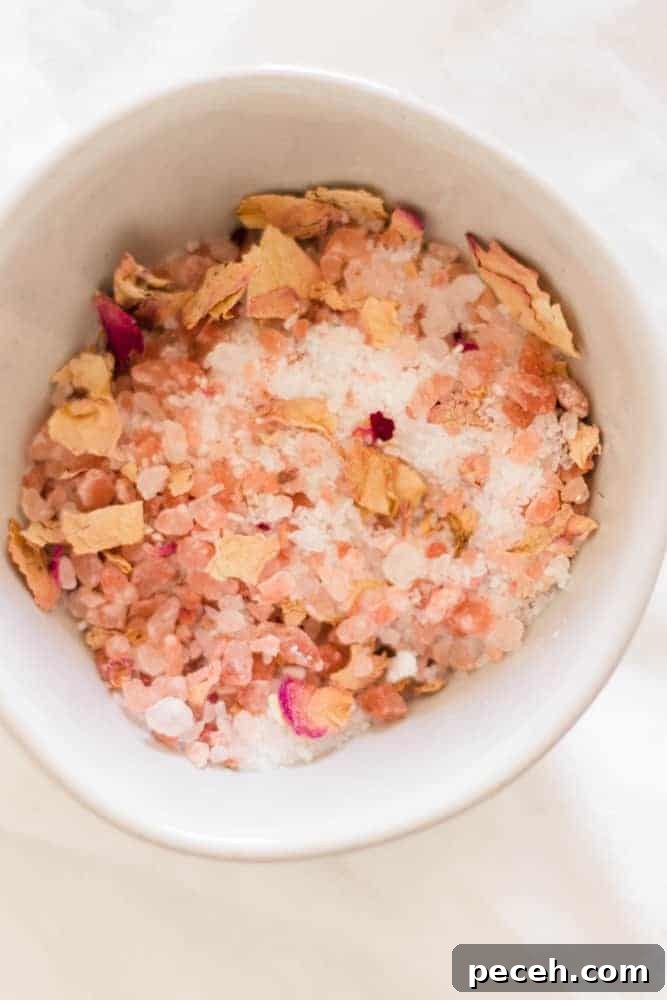
- Body exfoliating salt scrub
- Detox bath soak
- Salt mouthwash to reduce bacteria and freshen breath
- Support pH balance (topical applications and rinses)
- Relieve muscle cramps and soreness when used in soaks
- Decorative or ambient salt lamps to enhance room atmosphere
- Promote relaxation and potentially improve sleep quality
- Support mindful eating and hydration habits
- Aid digestion when used appropriately in food
- Support respiratory comfort when used in steam inhalation or controlled rinses
Himalayan Pink Salt Recipes
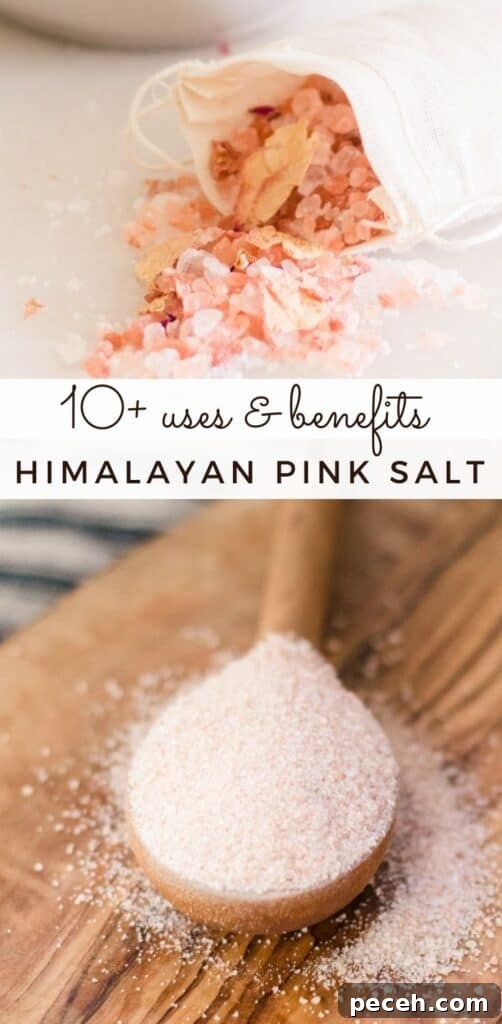
Himalayan Pink Salt Scrub
A simple, effective salt scrub combines pink salt with a carrier oil for moisturizing exfoliation. Adjust the oil amount for your preferred texture and add essential oils or vitamin E for scent and added skin support. Use gentle, circular motions and rinse with warm water.
Ingredients
- 1 cup pink Himalayan salt
- 1/4 cup carrier oil (such as jojoba, sweet almond, or olive oil)
- 10 drops essential oil (lavender or frankincense are popular choices)
- 2–3 drops vitamin E oil (optional)
Instructions
- Combine all ingredients in a mixing bowl and stir until well blended.
- Store in an airtight container away from moisture.
- To use, massage a small amount onto damp skin, focusing on rough areas, then rinse thoroughly.
Himalayan Pink Salt Mouthwash
A saltwater rinse can help reduce oral bacteria, soothe a sore throat, and support oral hygiene. Use fine pink salt so it dissolves completely.
Ingredients
- 1 teaspoon fine pink Himalayan salt
- 1/4 cup warm distilled or boiled water
Instructions
- Warm the water until comfortably warm, not hot.
- Stir in the salt until fully dissolved.
- Gargle or swish the solution for 30 seconds to 2 minutes, then spit it out.
Himalayan Pink Salt Muscle Soak
A warm bath with pink salt and Epsom salt can help relax muscles and ease tension. Add a few drops of soothing essential oils if desired and soak for 15–30 minutes.
Ingredients
- 1 cup Epsom salt
- 1 cup pink Himalayan salt
- 10 drops essential oil (optional)
- 1 tablespoon dried flowers (optional)
Instructions
- Mix all ingredients in a bowl and transfer to an airtight container.
- Add about 1/4 cup of the mixture to a warm bath.
- Soak for 20 minutes, then rinse and hydrate your skin.
Himalayan Salt Benefits for the Skin
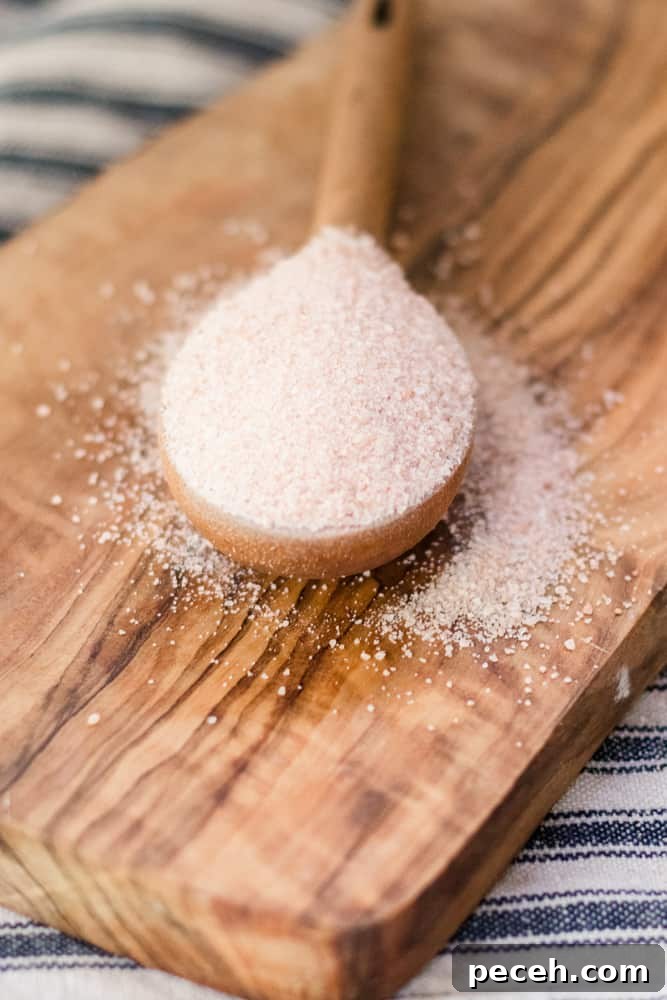
Topically, pink salt can act as a gentle antiseptic and exfoliant. In scrubs or bath soaks it helps remove dead skin cells, reduce surface oiliness, and can calm minor irritation. The mineral content supports the skin’s barrier and helps it retain moisture when used as part of a regular skincare routine. Always patch-test new preparations and avoid abrasive use on broken or very sensitive skin.
Himalayan Salt Benefits for the Hair
Used carefully on the scalp, pink salt can help exfoliate, reduce flakes, and absorb excess oil. To use, sprinkle a small amount along the part line, lightly massage the scalp with wet fingertips, then rinse and shampoo as usual. Avoid overuse, which can dry hair and scalp—follow with a conditioner or a moisturizing treatment.
Himalayan Salt Benefits for the Face
Facial use requires caution: the face is more sensitive than the body, so opt for very fine salt and always mix it with a carrier oil or a gentle cleanser. A mild salt-based facial wash or toner can help remove impurities and soften the skin, but discontinue use if you experience irritation.
In Summary
- Pink Himalayan salt is a versatile, minimally processed salt that contains trace minerals and can be used for cooking as well as personal care.
- Topical uses include exfoliating scrubs, bath soaks, oral rinses, and gentle scalp treatments.
- Benefits may include soothing minor skin irritations, supporting relaxation, and helping reduce surface bacteria when used appropriately. Use salt products cautiously on sensitive skin and always moderate dietary sodium intake.