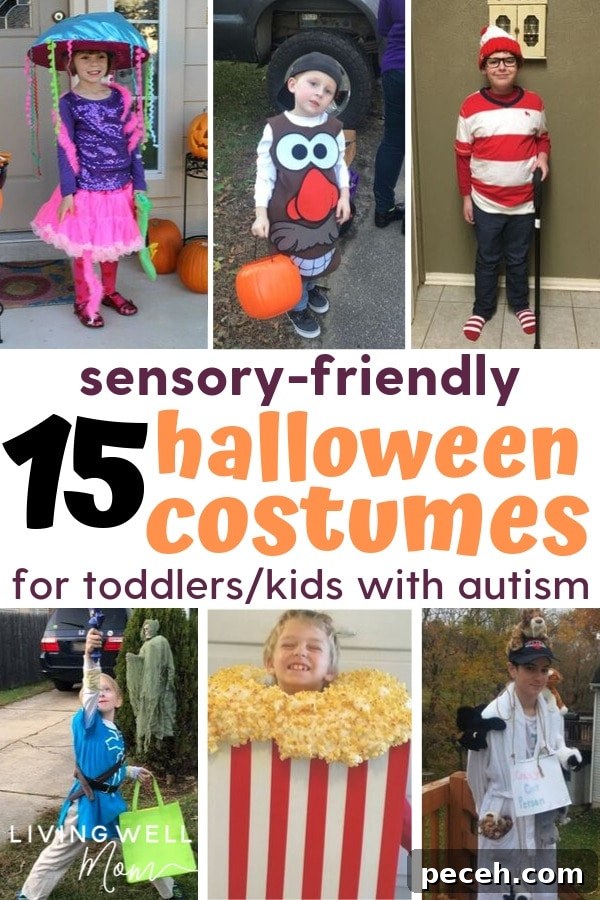
These sensory-friendly autism Halloween costumes help children with autism enjoy the holiday while staying comfortable. Many traditional costumes use scratchy fabrics, Velcro, and masks that can be upsetting to sensory-sensitive kids, so choosing softer, simpler options makes trick-or-treating and parties more enjoyable.
There are plenty of comfortable Halloween costume ideas, whether you want an easy store-bought option or a simple DIY project. Below are practical, sensory-aware costume suggestions and tips gathered from parents who have made Halloween accessible and fun for their children on the autism spectrum.
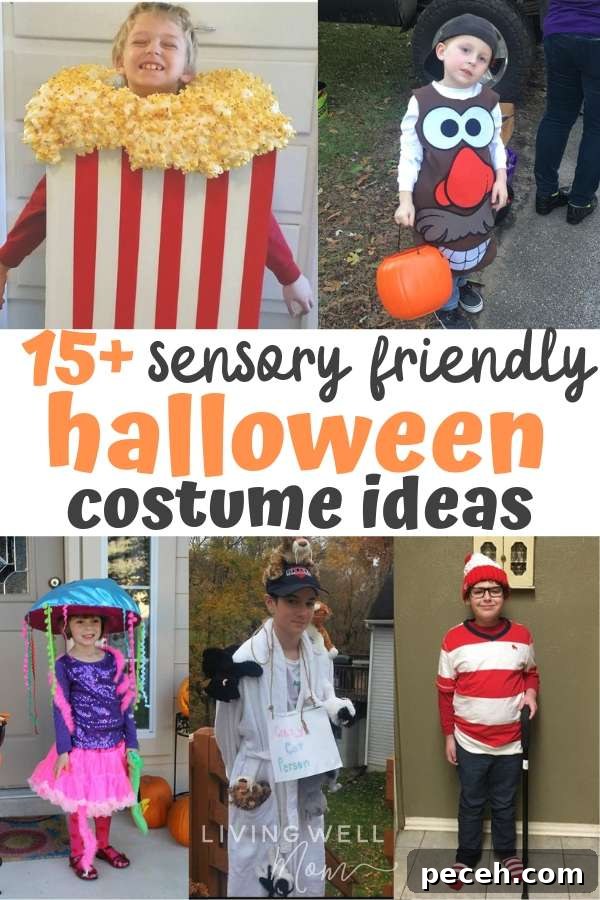
Autism Halloween Costume Ideas
Start by asking your child what they want to be. If the costume reflects their interests, they’re usually more willing to wear it. Some children may be very specific, so aim for options that match their preferences while minimizing uncomfortable elements.
Here are a few sensory-friendly approaches that tend to work well.
Character Hoodies
Character hoodies are a great option because they feel like regular clothing and are usually soft and warm. You can find hoodies featuring superheroes, cartoon characters, and profession-themed designs. Kids can wear the hood up or down depending on comfort, and the hoodie can be layered for extra warmth in cold weather.
Hoodies are widely available and affordable, and they get repeated wear after Halloween, making them a practical choice for toddlers and older children alike.
Regular Clothes with a Theme
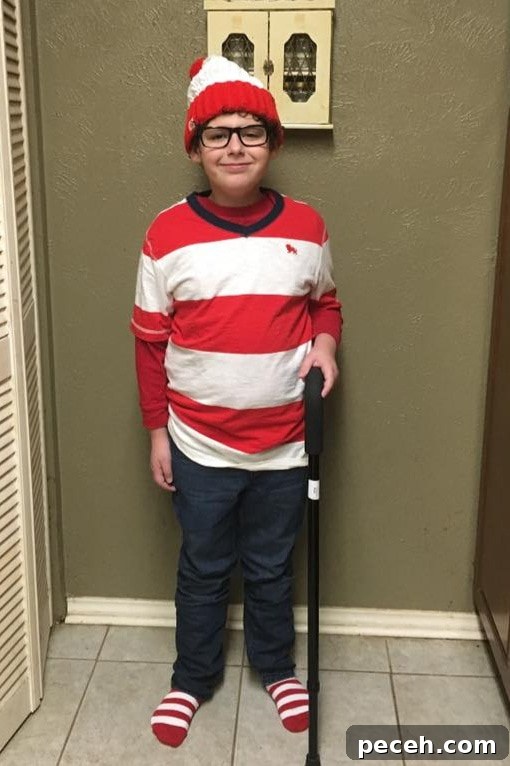
Using everyday clothes with a themed twist is an easy, sensory-friendly solution. Let your child select a shirt, socks, hat, or other accessories that match a theme. This keeps the outfit familiar and comfortable while still feeling festive.
One parent created a “Where’s Waldo” costume using a thrifted shirt, Target socks, a cane, sunglasses with the lenses removed, and a hat. Another dressed her daughter as an 80s aerobic instructor using regular fitness clothes—comfortable and clearly a costume.
Include Layers
If a costume has itchy seams or rough closures, add a soft base layer such as leggings, a long-sleeve tee, or a lightweight cotton shirt beneath it. Layers act as a buffer between the skin and any scratchy parts and provide extra warmth if needed.
Easy DIY Sensory-Friendly Costumes
Many DIY sensory-friendly costumes are simple to make and use soft, familiar materials. These ideas come from parents who tailored costumes to their children’s interests while keeping comfort in mind.
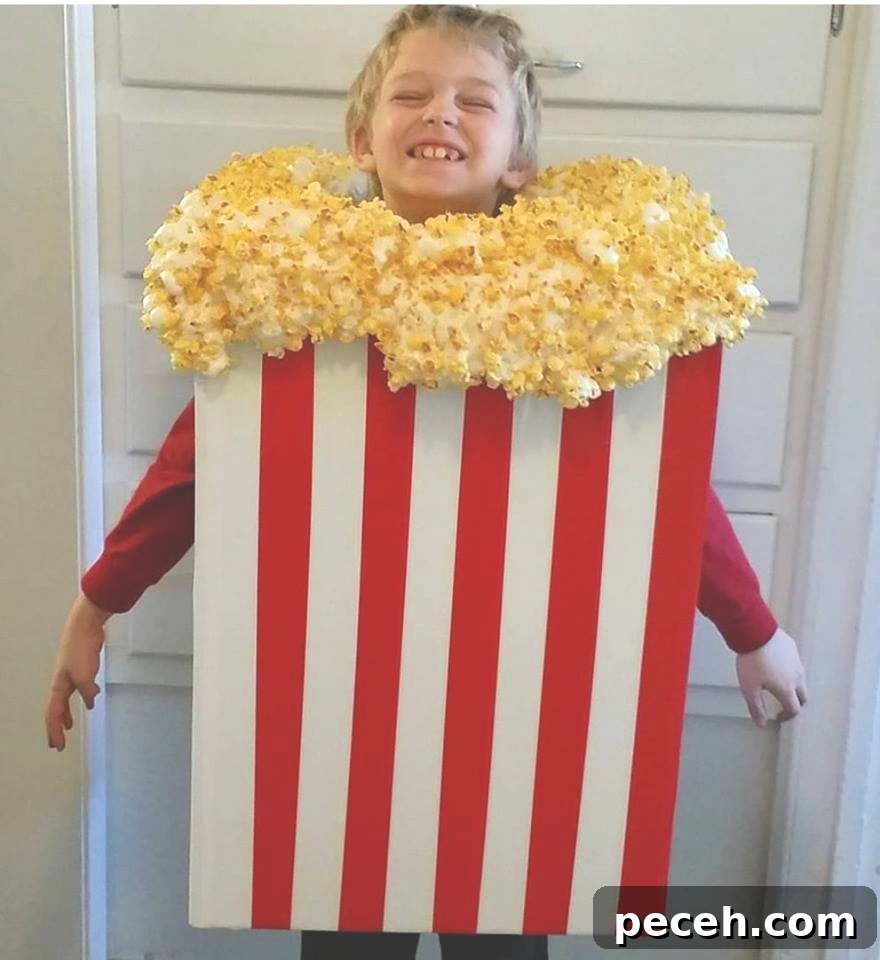
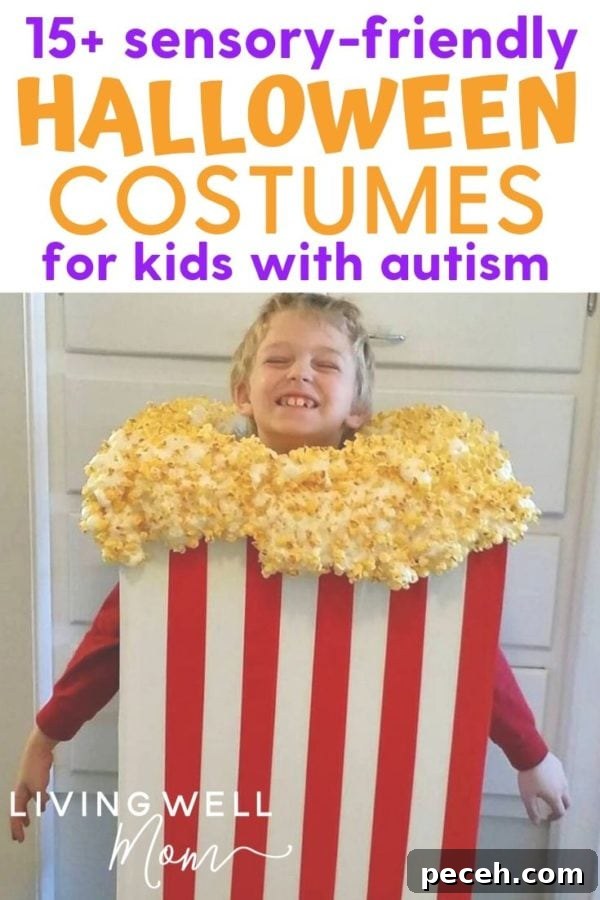
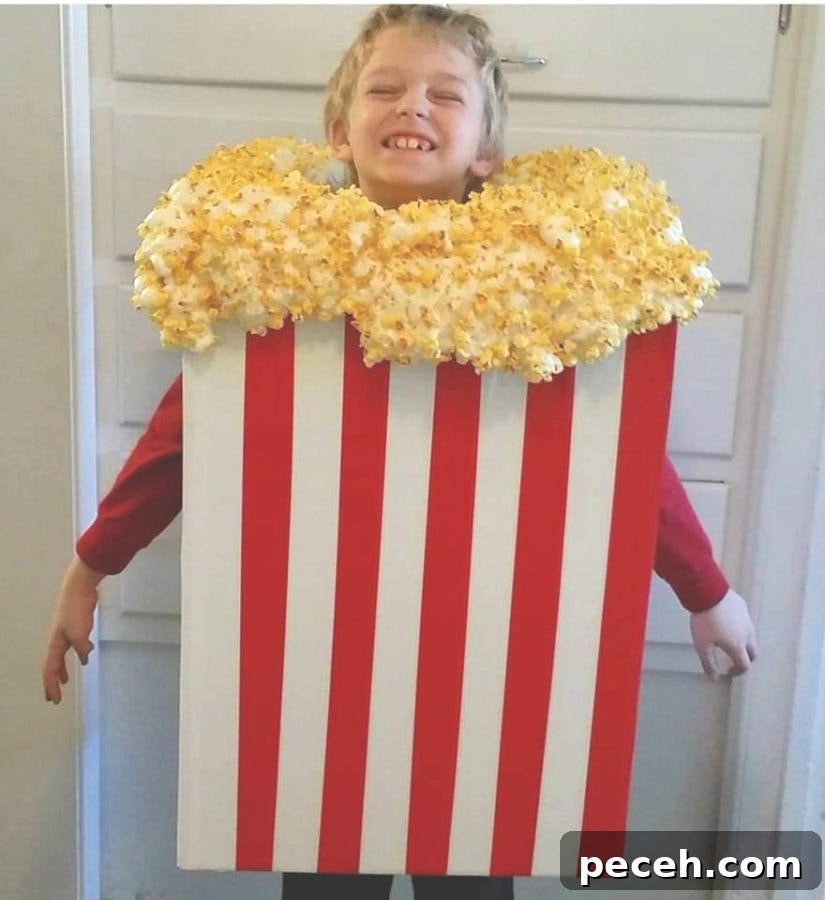
Popcorn Costume
One creative parent built a popcorn costume from a box, red and white tape, expanding foam, and pre-popped popcorn. The child loved it, and the costume was inexpensive and lightweight—ideal for sensory-sensitive kids.
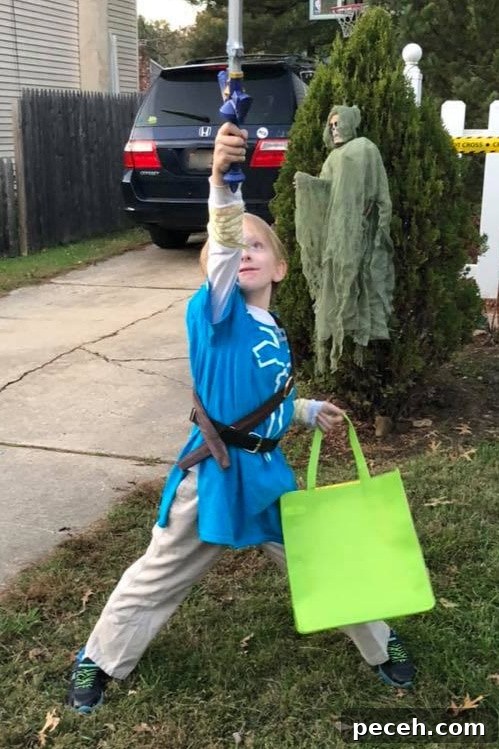
DIY Zelda Costume
A simple Zelda costume used a blue T-shirt modified into a champions’ tunic, tan pants, a belt, and lightweight accessories. Using soft fabrics and familiar clothing items keeps the costume comfortable while still reflecting the child’s favorite character.
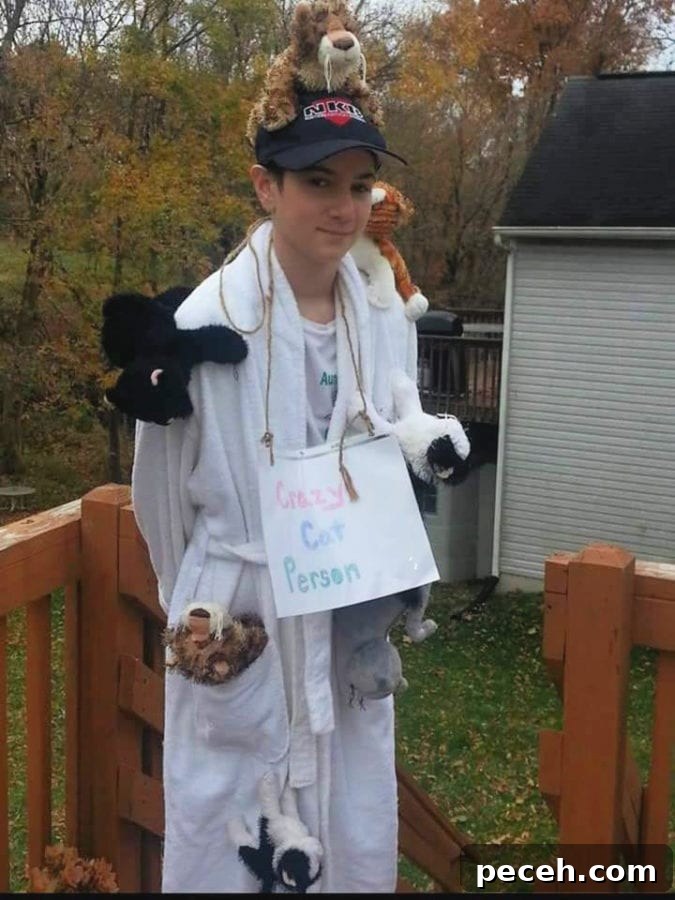
Crazy Cat Person
A parent sewed plush cats onto a cozy bathrobe to create a “Crazy Cat Person” outfit. The robe stayed soft and familiar while the sewn-on toys added the costume element in a playful, non-intrusive way.
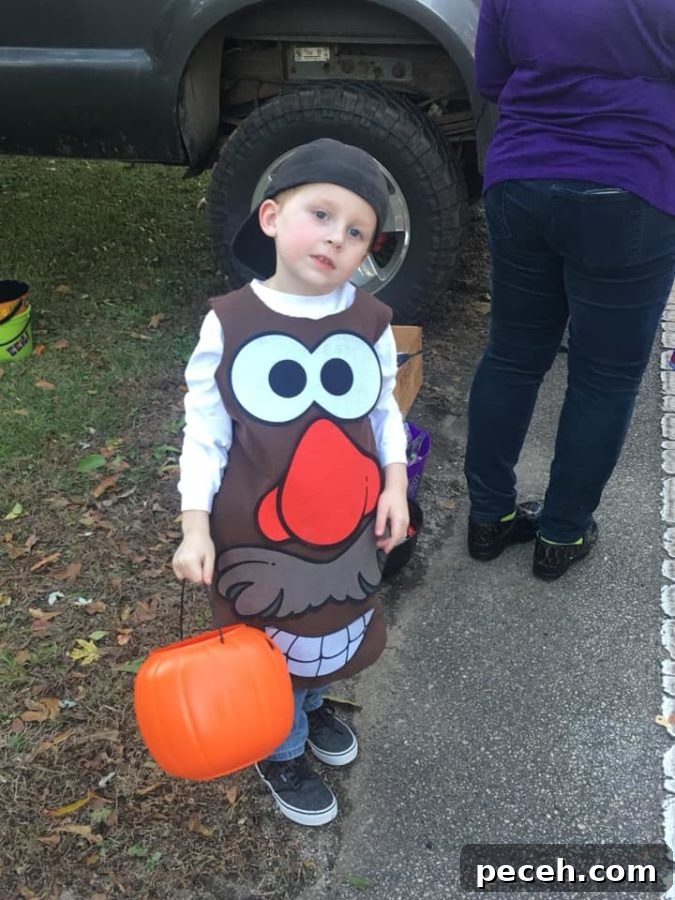
Mr. Potato Head
One parent made a soft Mr. Potato Head costume from fabric and stuffing with Velcro-backed facial pieces. The pieces could be swapped out, turning the costume into a toy the child could interact with afterward—making it both sensory-friendly and engaging.
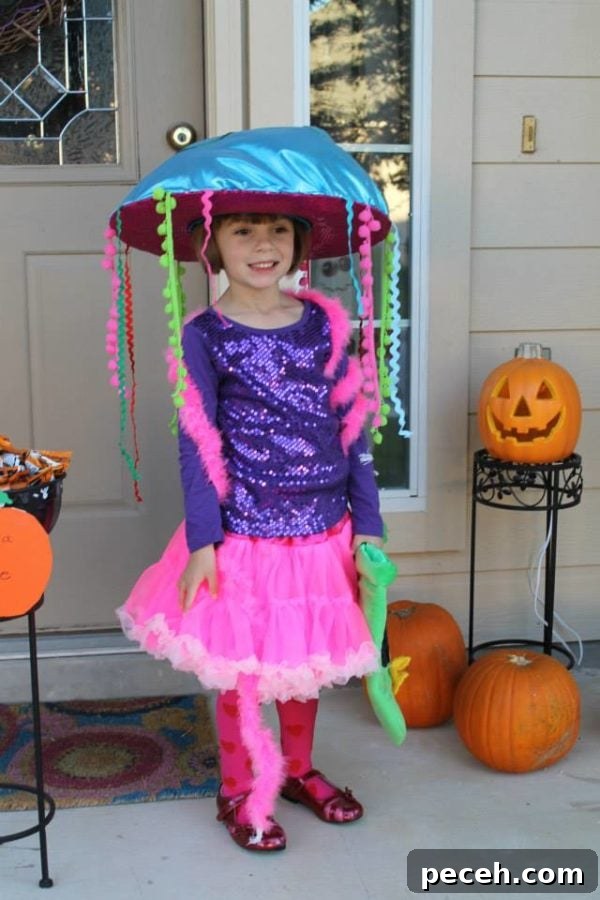
Jellyfish Costume
A jellyfish costume was made from a straw hat with soft fabric hot-glued to it, combined with the child’s favorite clothes underneath. This kept the costume light, comfortable, and visually appealing.
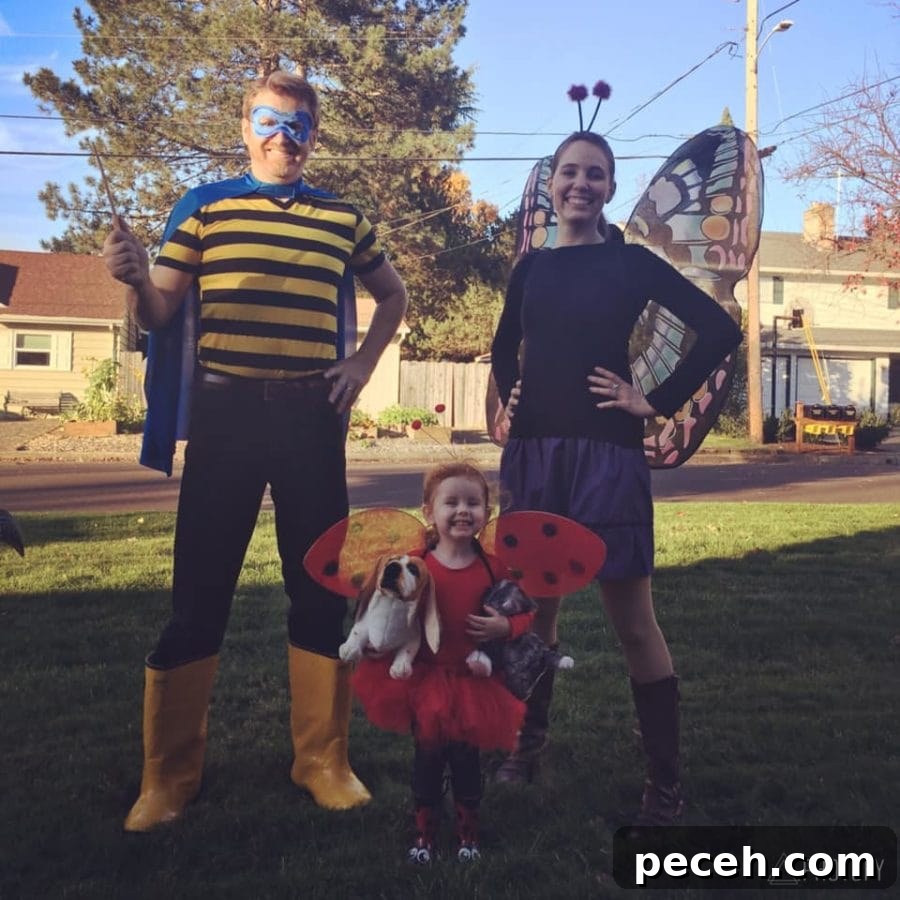
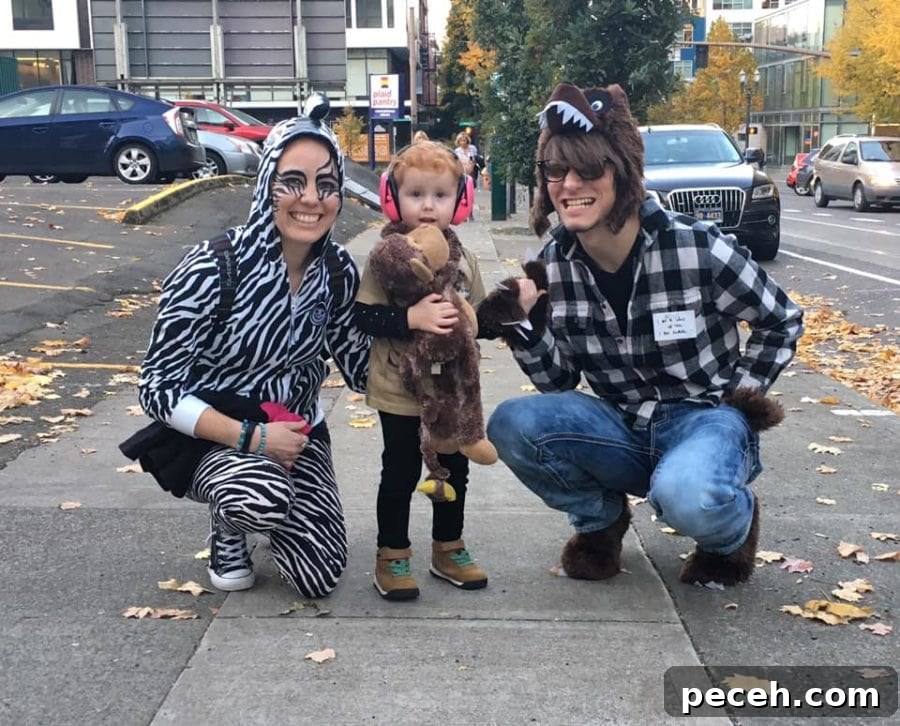
Family Costumes
Family costumes can become a cherished tradition. One family avoided scratchy store-bought outfits by making their own soft versions each year. Examples included characters from a children’s book series and coordinated zoo-themed costumes—comfortable, creative, and inclusive.
Other Autism Halloween Costume Ideas
Skip the Mask
Masks are often the most uncomfortable part of a costume. Skip them and opt for face paint only if tolerated, or choose costumes that don’t require masks. A fun hat or lightweight hood can be a good substitute for kids who like some head covering.
Pajamas
Pajamas are naturally soft and come in many character designs. Let your child pick favorite PJs for an easy, sensory-friendly costume that also stays cozy throughout the evening.
Glow-in-the-Dark PJs
Glow-in-the-dark pajamas are festive and comfortable for trick-or-treating, adding visibility and fun without sacrificing softness.
Use Accessories
Simple accessories—like themed hats, necklaces, or a lightweight cape—can turn ordinary clothes into a costume. These small additions keep the outfit familiar while still giving it a Halloween feel.
Tagless Clothes
Tagless clothing brands are a helpful option for children who are bothered by tags. Many parents recommend seeking out tagless or soft-seam garments to avoid irritation.
I hope these ideas inspire you to create a comfortable, sensory-friendly Halloween your child will enjoy. Focus on what your child likes, prioritize softness and familiar fabrics, and remember that the best costumes often combine simplicity with creativity. Have fun making special memories this Halloween!
Pin this to save these sensory-friendly Halloween costume ideas for later!