Is there such thing as vegan collagen?
Many of my clients follow vegan or vegetarian diets and often ask about vegan collagen, so here’s a clear, practical summary. Products marketed as “vegan collagen” typically don’t contain collagen itself. Instead, they focus on ingredients that support your body’s own collagen production—vitamin C is the most common “active” ingredient, and plant proteins such as pea protein may be included for general amino acid support.
Collagen is a structural protein that naturally occurs in animals, concentrated in skin, tendons, bones and cartilage. At present, there is no true vegan collagen that is chemically identical to animal-derived collagen on the market. Some research is exploring marine or algal extracts as potential sources, but these have not produced a widely available, equivalent vegan collagen product yet.
The unique amino acid profile of collagen—especially high levels of glycine, proline, alanine and hydroxyproline—gives it its structural properties. Hydroxyproline, in particular, is found almost exclusively in collagen and is rarely present in other proteins. While many plant and animal protein sources provide most amino acids found in collagen, they do not perfectly replicate collagen’s distinctive composition.
What many “vegan collagen” supplements actually do is supply nutrients that support your body’s collagen synthesis—vitamins, minerals and antioxidants—rather than delivering collagen protein itself. Because of this, product labels can be misleading: big claims like “vegan collagen” are sometimes accompanied by smaller text such as “collagen builder” or “supports collagen production.” Read labels carefully to understand whether a product contains actual collagen (animal-derived) or only ingredients intended to boost natural production.
For people avoiding animal products, a more cost-effective approach is often to take a high-quality vitamin C supplement and focus on a balanced diet rich in collagen-supporting nutrients rather than purchasing specialized “vegan collagen” powders.
Nutrients that can help support collagen production
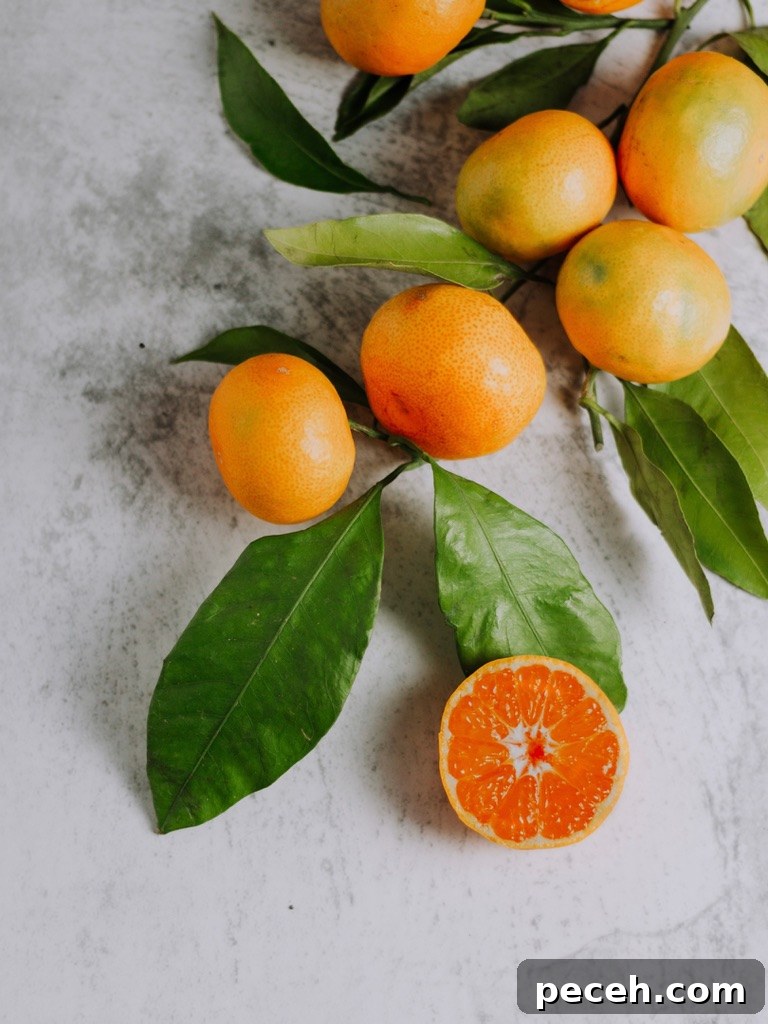
- Vitamin C – essential for collagen synthesis; citrus fruits and peppers are excellent sources.
- Zinc – supports tissue repair and collagen formation; seeds such as pumpkin seeds (sprouted if preferred) are a good plant-based source.
- Aloe vera – some people add fresh or frozen aloe to smoothies for soothing plant compounds.
- Antioxidants – help protect collagen from oxidative damage; options like green tea provide beneficial polyphenols.
In summary: true collagen is animal-derived. “Vegan collagen” products usually provide vitamins, minerals and plant proteins intended to support your own collagen production rather than supplying collagen itself. Check ingredient lists and choose evidence-based nutrients—especially vitamin C—if you want to support skin, joint and connective tissue health while following a vegan or vegetarian lifestyle.