
Wendy Stoltz
/ Last Modified On April 14, 2026
Yes — plain butter is gluten-free. Made simply by churning cream, pure salted or unsalted butter contains no gluten and is generally safe for people with celiac disease. The main concerns arise with flavored, blended, or processed butter products that can include additives or ingredients derived from wheat or barley. Cross-contamination during manufacturing or in a shared kitchen also creates risk. Below is a clear, practical guide to brands, labeling, and safe handling.
Table of Contents
Is Butter Gluten-Free?
In its pure form — cream and, optionally, salt — butter contains no gluten. The churning process separates butterfat from buttermilk, and neither component includes gluten proteins. That makes plain butter a reliable staple for gluten-free kitchens.
However, many commercial products are not just churned cream. Flavored compound butters, whipped or light spreads, and blended spreadable products can introduce starches, malt-derived ingredients, natural flavors, or stabilizers that may come from gluten-containing grains. Always check ingredient lists and certifications on packaged products.
Gluten-Free Butter Brands: A Brand-by-Brand Breakdown
Formulations change over time. Always confirm the current ingredient list and labeling before buying.
Below is a concise summary of common butter brands and their typical status regarding gluten safety.
| Brand | Certification Status | Safe Varieties | Varieties to Approach with Caution |
|---|---|---|---|
| Organic Valley | GFCO-certified (core butter line) | Salted, unsalted, cultured butter | New or limited-edition flavored products — check label |
| Land O’Lakes | GFCO-certified (core stick butter line) | Salted and unsalted sticks, Extra Creamy butter | Some flavored tub spreads — verify individually |
| Kerrygold | Not GFCO-certified; naturally gluten-free | Pure Irish Butter (salted, unsalted), grass-fed varieties | No gluten ingredients in common formulations; no third-party certification |
| Tillamook | Gluten-free labeled (not GFCO-certified) | Salted and unsalted butter | No gluten ingredients found in core lines; check changes |
| Challenge | No gluten allergen listed | Salted and unsalted stick butter | European-style or flavored varieties — read labels |
| Horizon Organic | No gluten allergen listed | Salted and unsalted butter | Confirm each product; organic label doesn’t equal certified gluten-free |
| 365 (Whole Foods) | Gluten-free labeled | Salted and unsalted butter | Store-brand formulations can change — verify at purchase |
If you prefer the highest level of independent verification, look for GFCO or equivalent third-party marks. For everyday use, many families choose a mix: a certified brand for worry-free bulk baking and a flavorful option like Kerrygold for finishing and small-batch baking.
Certified Gluten-Free vs. Gluten-Free Labeled: What Celiacs Need to Know
There is an important difference between a manufacturer labeling a product “gluten-free” and independent certification.
A gluten-free label is typically a manufacturer’s claim that the product meets the FDA standard of fewer than 20 parts per million (ppm) of gluten. That claim is not always backed by third-party testing or facility audits.
GFCO certification (Gluten-Free Certification Organization) and other independent marks like NSF or recognized food-safety certifications involve testing and audits. GFCO, for example, verifies products at a stricter 10 ppm threshold and audits production facilities. For those highly sensitive to trace gluten, third-party certification reduces uncertainty.
Does Salted Butter Contain Gluten?
No — salt itself contains no gluten. Plain salted butter is generally safe. The remaining concern is cross-contact from shared production lines, which certifications and manufacturer transparency help address.
Is Vegan Butter Gluten-Free?
Many vegan butters are gluten-free, but the category uses a broader range of additives and starches. Some natural flavors or modified starches can derive from gluten-containing grains. Check labels and prefer certified options when possible.
Is Margarine Gluten-Free?
Many margarines are gluten-free, but some imported or specialty spreads include malt vinegar or other barley-derived ingredients. Always read ingredient lists carefully and recheck products periodically, as formulations can change.
When Butter Is Not Celiac-Safe
Plain two-ingredient butter is usually safe. Risks occur when additional ingredients or processes introduce gluten:
Flavored and Compound Butters
Garlic, herb, or other flavored butters may use powdered flavor carriers, modified starches, or “natural flavors” that could trace to gluten-containing grains. Unless the flavored product is explicitly labeled gluten-free or certified, consider it uncertain.
Light and Whipped Butters
To reduce fat or improve texture, manufacturers add stabilizers and modified starches, which sometimes come from wheat. Check labels before purchasing these varieties.
Spreadable Butter Blends
Blended spreads may include oils, emulsifiers, or malt vinegar, especially in imported versions. Review the full ingredient list carefully.
Butter-Flavored Cooking Sprays
Butter-flavored sprays often contain concentrated flavors and additives with unclear sourcing. Use plain certified butter or an unflavored, labeled gluten-free spray instead.
Butter in Food Service
Individually wrapped butter portions in restaurants and hotels can come from large suppliers that operate shared facilities. When dining out, ask the server for brand information and, if possible, avoid unverified single-serve portions when sensitivity is high.
Cross-Contamination Is a Real Risk
Even certified butter can be contaminated at home if utensils touch gluten-containing foods. A common scenario is a knife that spreads butter on bread and then returns to the butter dish, transferring crumbs.
Practical habits to prevent this:
- Keep a labeled butter dish reserved for the person with celiac disease.
- At gatherings, take your serving first and place it on a personal plate.
- Use a clean knife or a dedicated spreader that never touches shared bread or cutting boards.
These small practices remove the most frequent cross-contamination risk and are easy to maintain once they become routine.
What to Look for When Buying Gluten-Free Butter
Simple checklist for the store:
- Prefer short ingredient lists — cream and salt only for plain butter.
- Look for GFCO, NSF, or similar third-party certification marks for extra assurance.
- Avoid flavored, light, or whipped varieties unless they are certified gluten-free.
- Skip butter-flavored sprays unless clearly labeled gluten-free.
- If a product claims “gluten-free” without certification, check the manufacturer’s website or contact their consumer line for details.
- Be cautious with imported spreads that may include malt vinegar or barley-based ingredients.
How to Make Butter at Home
Homemade butter is quick and gives full control over ingredients:
- Pour heavy cream into a food processor or stand mixer and beat until the cream breaks and butter solids separate from buttermilk (a few minutes past the whipped stage).
- Drain and save the buttermilk for baking. Rinse the butter solids under cold water, pressing out remaining liquid.
- Season with salt if desired, shape, and store in a sealed container in the refrigerator.
Using a single-source cream you trust is the most celiac-safe approach possible.
Dairy-Free and Vegan Butter Alternatives
For those who need both gluten-free and dairy-free options, consider these alternatives and verify labeling:
- Ghee — clarified butter with milk solids removed; naturally gluten-free for most people and low in lactose.
- Miyoko’s Creamery Vegan Butter — cashew-based and certified gluten-free.
- Country Crock Plant Butter — available in multiple formulations; check individual labels for certification.
- Earth Balance — offers gluten-free labeled varieties; check the packaging to confirm.
- Coconut oil — useful in baking but adds flavor.
- Avocado oil — good for high-heat cooking with minimal flavor impact.
Where to Buy Gluten-Free Butter
Certified plain butter is widely available at major grocery stores, natural food shops, and online retailers. Buying in bulk from places like Costco can be economical if you use a lot of butter. Store brands are convenient but verify label details, as formulations may change.
The Best Recipes to Make with Butter
Butter is central to gluten-free baking and savory dishes. A few standout uses:
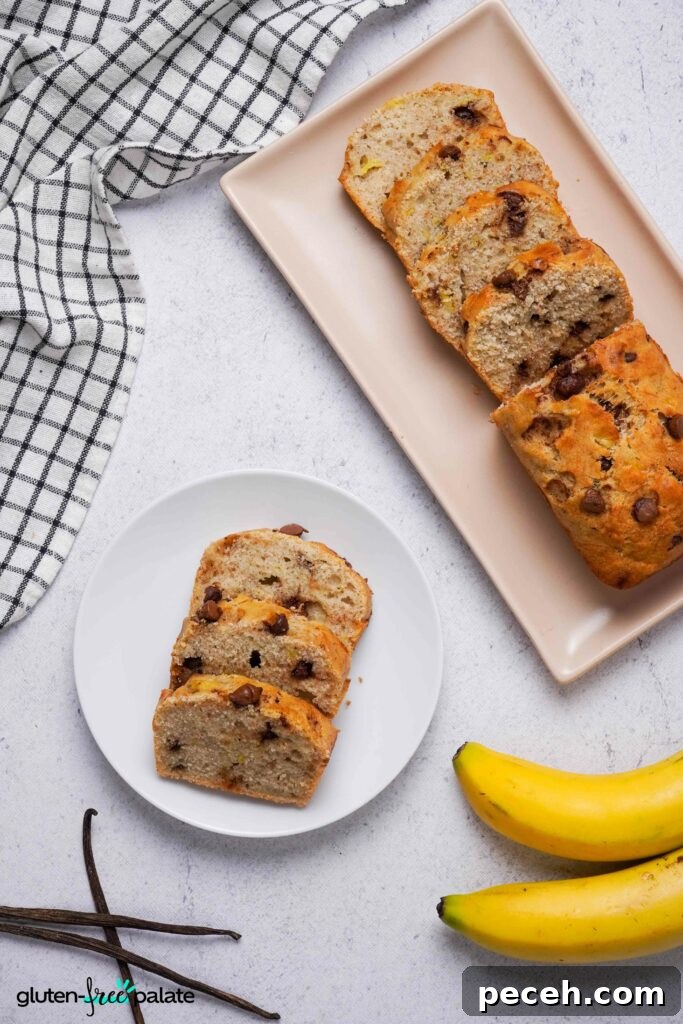
- Gluten-free banana bread — a thick slice with melting butter is a simple pleasure.
- Gluten-free shortbread cookies — butter-forward recipes where quality of butter is noticeable.
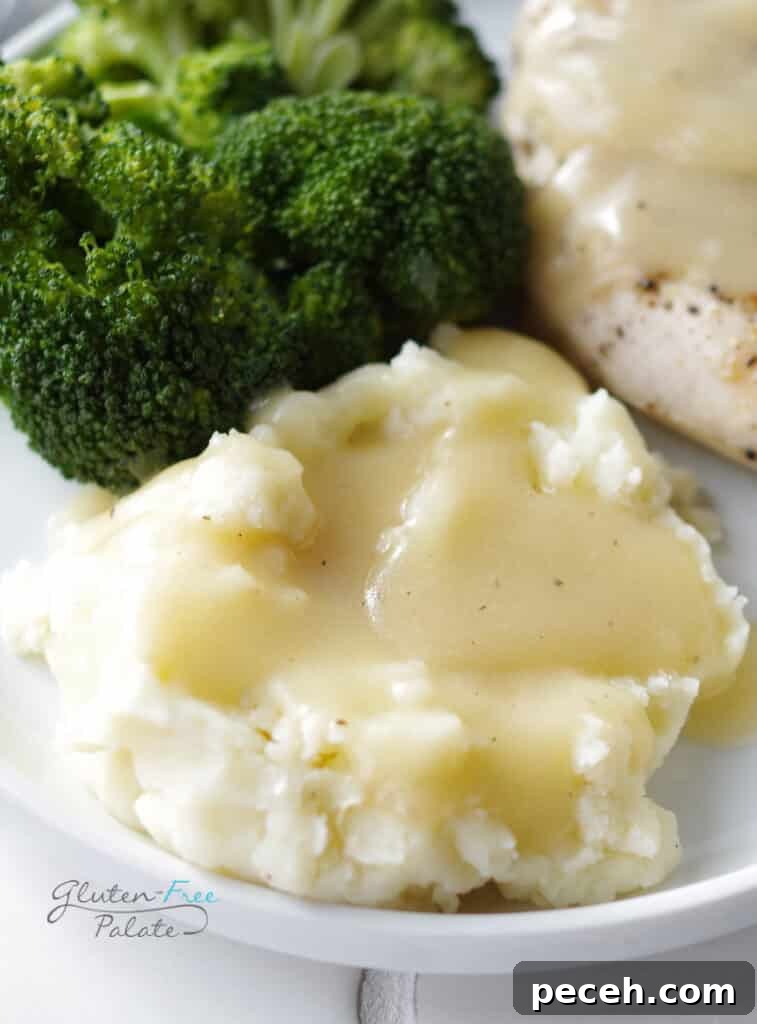
- Gluten-free mashed potatoes — butter added during and after cooking makes a big difference.
Is Butter Safe for Celiac Disease? The Bottom Line
Plain butter is among the safest pantry staples for people with celiac disease. The main hazards are flavored or blended products, additives of unknown origin, and cross-contamination in shared kitchens. Choosing products with GFCO or equivalent third-party certification removes much of the uncertainty, and simple household practices like a dedicated butter dish prevent most cross-contact at home.
What butter do you reach for most often? Do you keep a separate one for baking or everyday use? Share what works in your kitchen.
More Gluten-Free Guides
- Is peanut butter gluten-free?
- Is cream cheese gluten-free?
- Gluten-free condiments: the complete guide
- Gluten-free dairy-free recipes
- Gluten-free baking basics
Frequently Asked Questions
Is all butter gluten-free?
Plain butter made from cream and salt is naturally gluten-free. Flavored, light, or blended spreads may contain additives from gluten-containing grains, so read labels carefully.
What butter brands are certified gluten-free?
Organic Valley and Land O’Lakes commonly carry GFCO certification on core butter lines. Other trusted brands like Kerrygold and Tillamook are widely considered naturally gluten-free but may not carry third-party certification.
What is the difference between a gluten-free label and GFCO certification?
Self-applied gluten-free labels indicate a manufacturer’s claim to meet the FDA threshold of under 20 ppm, while GFCO certification and similar third-party marks involve independent testing and facility audits, often using a stricter threshold.
Is Kerrygold gluten-free?
Kerrygold’s plain Pure Irish Butter contains no gluten ingredients and is broadly trusted by the celiac community. It does not currently carry GFCO certification, so check each product if you need certified assurance.
Is Land O’Lakes butter gluten-free?
Land O’Lakes stick butter lines are GFCO-certified and considered safe. Flavored tub spreads may differ, so verify the specific product’s label.
Is ghee gluten-free?
Ghee is clarified butter with milk solids removed and is naturally gluten-free for most people. It is often tolerated by those sensitive to lactose, but individual responses vary.
Is vegan butter gluten-free?
Many vegan butters are gluten-free, but because they can contain varied additives and starches, check labels and prefer certified products when possible. Miyoko’s Creamery is an example of a certified vegan option.
Is salted butter safe for celiacs?
Yes — salt contains no gluten. The production environment matters, so third-party certification adds confidence.
Is margarine safe for people with celiac disease?
Many margarines are gluten-free, but some contain malt vinegar or other barley-derived ingredients. Read ingredient lists and recheck products over time.
Can butter cause cross-contamination in a shared kitchen?
Yes. Using shared butter utensils that touch bread or other gluten foods transfers crumbs into the butter. Keep a dedicated container and use clean utensils to avoid cross-contact.
DID YOU MAKE THIS RECIPE?
Tag @glutenfreepalate on Instagram and hashtag it #glutenfreepalatebaker so we can see all the deliciousness!