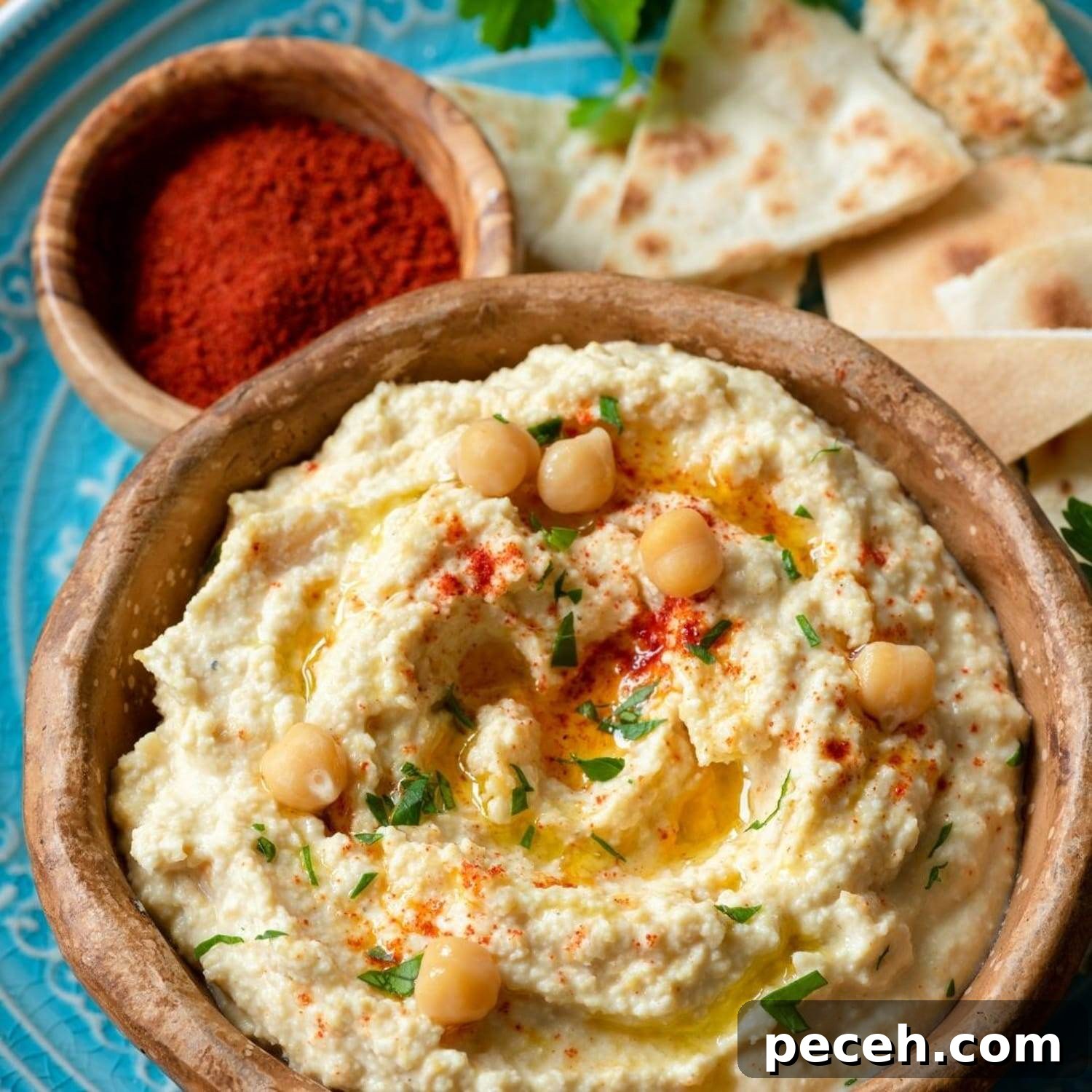
Hummus—whether made from chickpeas or white kidney beans—is a quick, flavorful, and nutritious snack you can make at home in minutes. Homemade hummus has a fresher, more vibrant taste than store-bought versions, and both chickpea and white bean varieties freeze well for convenience.
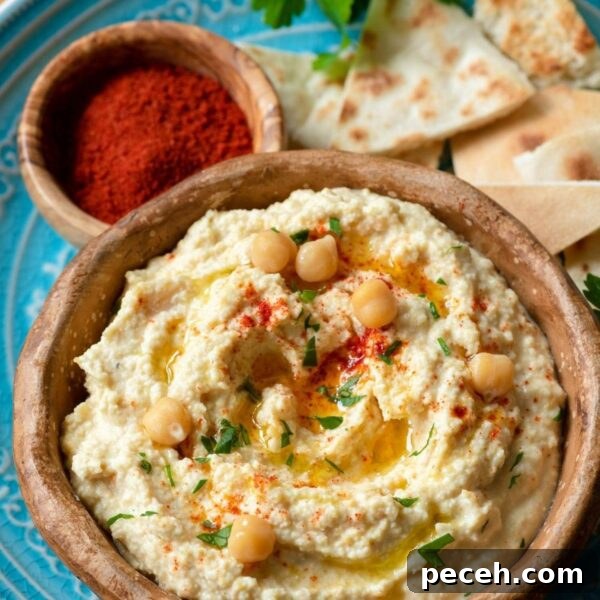
Also Read: Homemade Pita Crisps, Crispy Oven Roasted Chickpeas, Homemade Trail Mix
Top Tips for Extra-Smooth Hummus
Cook chickpeas until very soft
If using dried chickpeas, simmer them until they’re soft enough to mash easily between your fingers. For canned chickpeas, a brief simmer in water for 10 minutes can help soften them further for an extra-silky result. White beans (cannellini) are typically softer and need less attention.
Remove some of the chickpea skins
Chickpea skins can make hummus slightly gritty. You don’t need to peel every bean, but removing loose skins after draining canned chickpeas can noticeably improve the texture. For extra-smooth hummus, gently rub the chickpeas in a towel to loosen skins.
Blend tahini, lemon juice, and garlic first
Purée the tahini, lemon juice, garlic, and salt before adding the beans. This creates a creamy emulsion that helps the final hummus become lighter and silkier.
Use ice-cold water or an ice cube
Adding ice-cold water—or even a single ice cube—helps the tahini emulsify smoothly with the beans, yielding a creamier, fluffier hummus without diluting flavor.
Run the food processor longer than you think
Smooth hummus takes time. Scrape down the bowl and continue blending for an extra minute or two after the mixture looks combined. That additional processing improves the texture significantly.
Have other tips for extra-smooth hummus? Share them in the comments.
Nine Ways to Use Hummus Besides a Dip
Hummus is versatile—beyond serving it with fresh veggies, pita, or pita crisps, try these ideas:
- Sandwich & Toast Spread: Use hummus as a spread for toast, sandwiches, or wraps to add creaminess and flavor.
- Bowl Topping: Spoon hummus over grain bowls, Buddha bowls, or salads for extra protein and savory richness.
- Veggie Burger Base: Mix hummus into veggie burger patties for added moisture, flavor, and to help bind ingredients.
- Stuffed Vegetables: Stuff bell peppers, mushrooms, or cherry tomatoes with hummus and bake until tender for an easy appetizer or side.
- Pasta Sauce: Thin hummus with a little water or broth and toss with hot pasta for a quick, creamy sauce.
- Pizza Base: Spread hummus on pizza crust instead of tomato sauce, then top with vegetables, cheese, and protein.
- Dressing or Sauce: Whisk hummus with lemon juice, olive oil, and herbs to make a salad dressing or sauce for grilled foods.
- Sauce for Roasted Vegetables: Spread hummus on a platter and top with roasted vegetables, a drizzle of olive oil, herbs, and paprika or sesame seeds.
- Stir into Soups: Swirl a spoonful of hummus into soups or stews to enrich texture and boost protein.
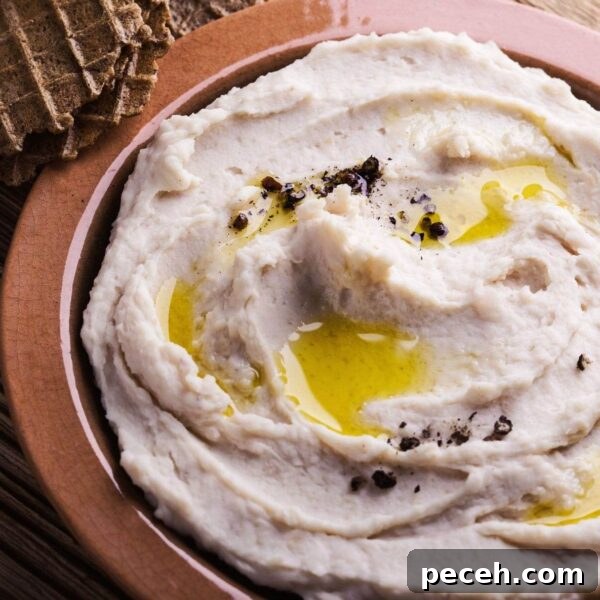
How to Freeze Hummus
- Prepare hummus: Make sure it’s well blended and fresh before freezing.
- Choose a freezer-safe container: Use airtight freezer-safe containers or resealable bags. Leave a little space at the top for expansion, but avoid excess air to reduce freezer burn.
- Portion the hummus: Divide into small portions so you can thaw only what you need.
- Smooth the surface: Press the hummus flat in the container to minimize exposed surface area and help prevent freezer burn.
- Label and date: Mark each container with the freezing date to track storage time.
- Remove air and seal: Press plastic wrap directly onto the hummus surface or remove air from resealable bags before sealing.
- Freeze quickly: Place containers in the coldest part of the freezer so they freeze rapidly and retain better texture.
- Keep & use: Best within 3–6 months for optimal flavor and texture.
Thawing and Using Frozen Hummus:
- Thaw in the refrigerator: Move a portion to the fridge the night before using. For packed lunches, you can thaw in an insulated bag and eat within a few hours.
- Stir well: After thawing, stir thoroughly to restore creaminess.
- Adjust consistency: If needed, re-blend briefly in a food processor or add a splash of water for a smoother texture.
- Serve and enjoy: Use the hummus as a dip, spread, or ingredient as usual.

Frequently Asked Questions About Homemade Hummus
What can I use instead of tahini?
Tahini, a sesame paste, adds creaminess and a nutty flavor. If you don’t have tahini, try:
- Sesame oil (use sparingly)
- Nut or seed butter (cashew, almond, sunflower)
- Greek or Icelandic yogurt (adds creaminess but may affect freezer life)
- Puréed roasted red pepper (for a different flavor and color)
- Mashed avocado (adds creaminess and a unique flavor)
Can I freeze store-bought hummus?
Yes, most store-bought hummus can be frozen, but results vary by brand and packaging.
Can I freeze hummus in the original store container?
Often the original container isn’t ideal for long-term freezing. Thin plastic lids can allow freezer burn, so store-sealed tubs are best kept only a few weeks unless placed inside a sealed freezer bag with excess air removed. For opened or large containers, transfer to airtight freezer-safe containers in portion sizes.
How long will frozen hummus last?
For best flavor and texture, use frozen hummus within 3–6 months. Thaw in the fridge and stir well before serving.
Can I dehydrate hummus?
Yes, but homemade adjustments are needed. Remove fats and oils before dehydrating because oils don’t dehydrate and can turn rancid. I don’t recommend dehydrating store-bought hummus. For detailed dehydrating methods, see backcountry meal resources.
Recipe for Homemade Hummus Using Chickpeas or White Beans

Print Recipe
Homemade Hummus – Using Chickpeas or White Beans
Ingredients
- 2 Tbsp lemon juice half a lemon
- 1 Tbsp olive oil plus extra for garnish
- 2 Tbsp tahini
- 2 cloves garlic
- 1/2 tsp cumin powder
- 1/2 tsp ground coriander powder
- 1/4 tsp salt
- 1/8 tsp black pepper or cayenne pepper
- 1 can chickpeas or white beans (cannellini) 19 oz/540 mL
- 1 tsp paprika optional
- 1/4 cup chopped fresh cilantro/parsley optional
Instructions
-
Drain and rinse the beans well. Remove any loose skins. For extra-smooth chickpea hummus, roll chickpeas in a towel and rub gently to loosen more skins. This step is optional but improves texture.
-
Add lemon juice, olive oil, tahini, garlic, cumin, coriander, salt, and pepper to a food processor. Purée until creamy, scraping down the sides as needed.
-
Add the chickpeas or white beans and continue to purée until smooth, stopping to scrape the bowl.
-
Taste and adjust seasoning. Process longer if needed to reach a smoother texture.
-
Add 1–3 Tbsp of ice-cold water to reach your desired consistency and purée for an extra minute to ensure a creamy hummus.
-
Scrape into a serving bowl, smooth the surface, and create a small well in the center. Drizzle with extra olive oil, and garnish with paprika and chopped herbs if desired.
-
Serve with vegetables, crackers, or pita wedges. Hummus also makes a great sandwich spread.
-
Store leftovers in the refrigerator for 3–4 days or freeze for longer storage.
Notes
Nutrition Facts (per serving)
What’s your favorite way to enjoy hummus—spread on wraps, as a dip for veggies, or with pita or crackers?
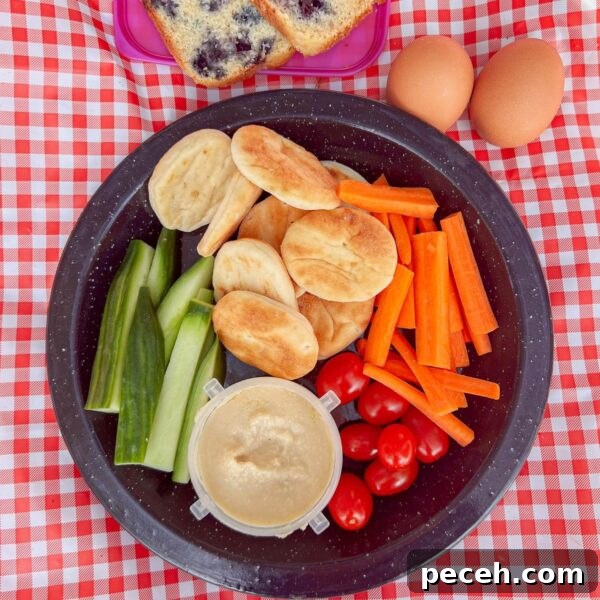
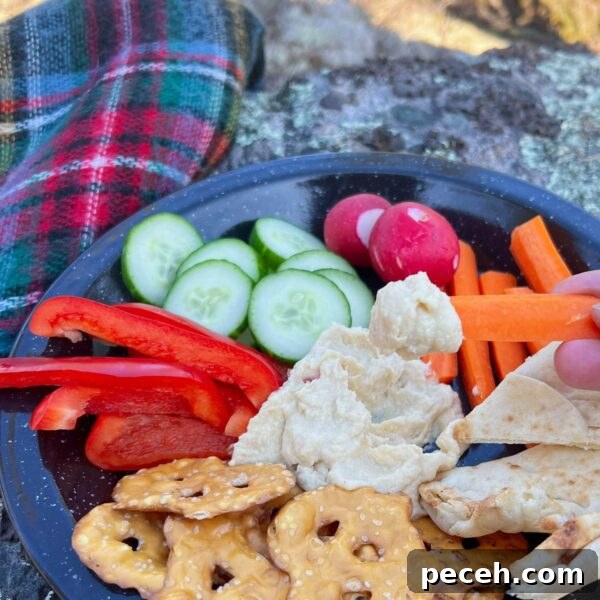
Taking Hummus on Picnics or Hiking Trips
Hummus is a nutritious, energy-dense option for outdoor meals. I use fresh, frozen, or dehydrated hummus depending on the trip length and conditions.
Fresh – On cool days or when carrying a cooler, bring freshly made hummus with pita and veggies for a simple, satisfying lunch.
Frozen – For longer or warmer outings without a cooler, pack frozen portioned hummus in your backpack. It thaws by snack or lunchtime and is ready to eat.
Dehydrated – For extended backcountry trips, dehydrate a fat-free version, grind it into a powder, and rehydrate on the trail. It makes a welcome and lightweight treat.
How do you like your hummus—chickpea or white bean—and where do you enjoy it most?
Recipe and text updated January 2026 with new tips for extra-smooth hummus.
Cook with the seasons, effortlessly! I’m Getty, a food educator and Professional Home Economist, helping you select, store, and serve seasonal ingredients in simple, delicious meals. Sign up for seasonal tips and recipes and explore my books, guides, and videos for more ideas.