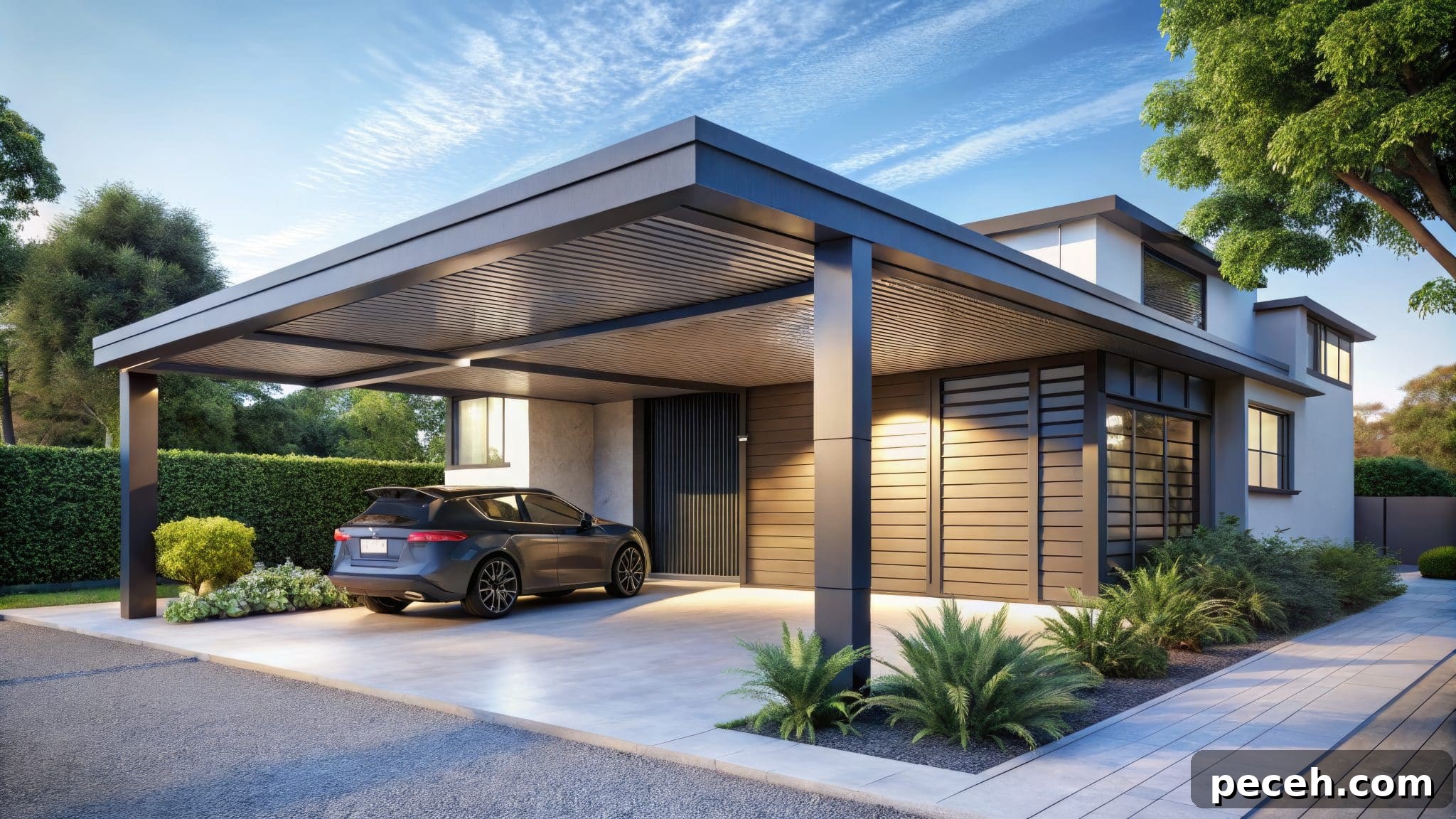
Maintaining your custom metal building is essential to preserve its longevity, safety, and appearance. Metal structures are durable and versatile, but they still need regular attention to prevent problems like rust, leaks, and structural wear that can become costly if left unattended.
A consistent maintenance routine helps catch small issues early and keeps the building performing well year after year. Below are practical, easy-to-follow guidelines to help you care for your metal building in every season.
Regular Inspections to Spot Issues Early
Begin with scheduled inspections at least twice a year. Walk the perimeter and examine the roof, walls, doors, windows, and foundation for signs of damage—dents, rust spots, loose or missing fasteners, and misaligned panels. The roof and foundation deserve special attention because they are most exposed to weather and structural forces.
When planning or designing a metal building, factor maintenance into your choices: select corrosion-resistant materials and finishes, and include realistic cost estimates for upkeep so maintenance becomes part of the long-term plan.
Keep It Clean and Free of Debris
Debris buildup—leaves, dirt, and snow—can trap moisture and accelerate corrosion or cause leaks. Clean gutters, downspouts, and roof panels regularly to prevent water from pooling. Exterior walls benefit from an occasional gentle wash with a hose or a pressure washer on a low setting to remove grime and preserve coatings.
In snowy climates, remove snow from the roof promptly to avoid excess loads. Use non-abrasive tools, such as a plastic snow rake, to protect metal surfaces and roof finishes while clearing heavy accumulations.
Protect Against Rust and Corrosion
Rust prevention is critical. Apply protective coatings to exposed edges, joints, and connection points where water tends to collect. Repaint or touch up finishes every few years as needed to maintain a protective barrier against the elements.
Control interior condensation by ensuring adequate ventilation. Vented panels, ridge vents, or exhaust fans promote airflow and reduce moisture buildup that leads to corrosion. Many modern custom metal buildings come with these features, but they can also be retrofitted if necessary.
Ensure Structural Stability
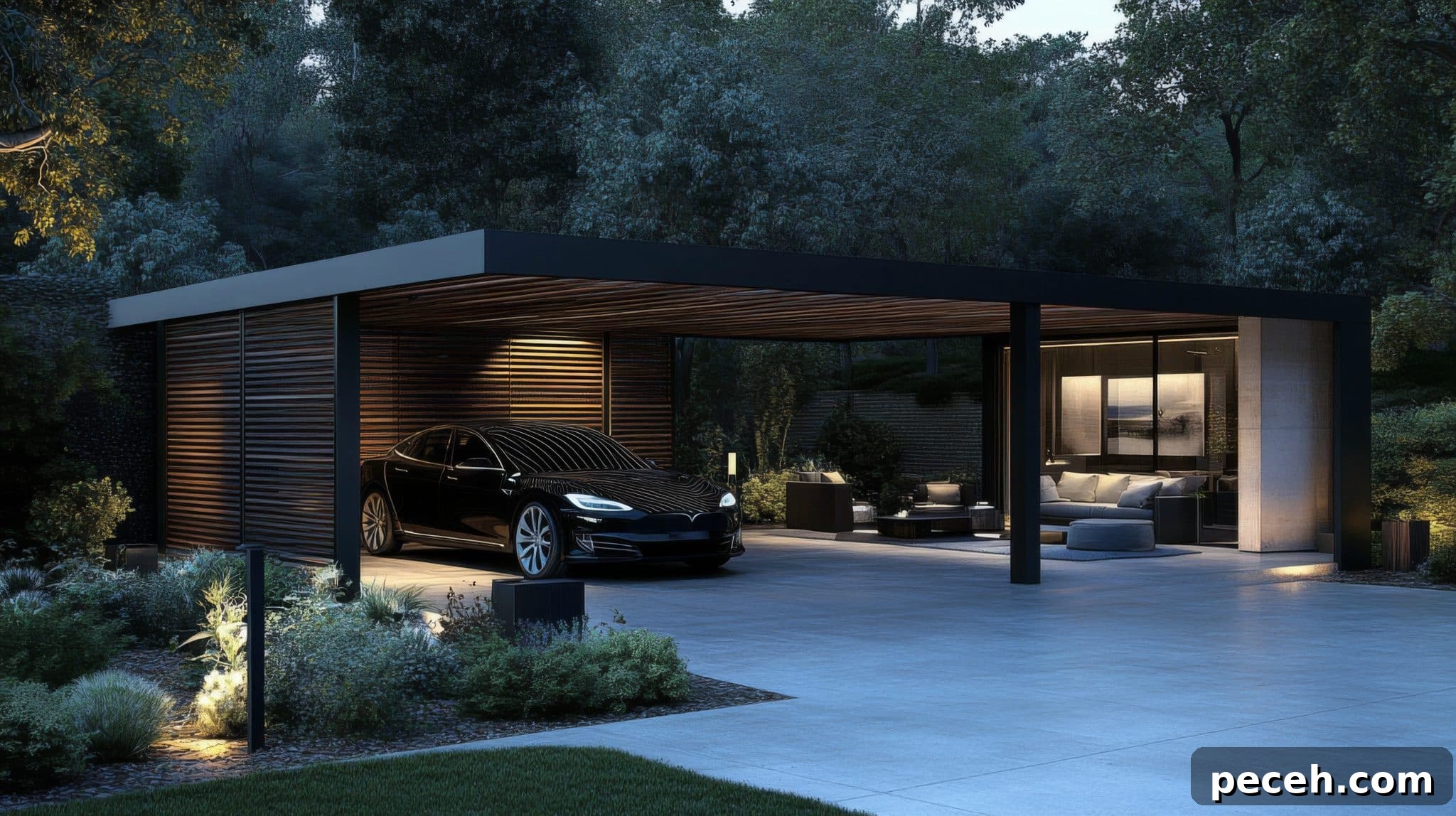
Environmental forces like strong winds, heavy rain, or ground movement can affect structural stability over time. Regularly tighten loose bolts, inspect for bent or misaligned panels, and replace damaged fasteners to maintain the building’s integrity.
Monitor the foundation for cracks, settling, or drainage-related erosion. Foundation issues can compromise the entire structure; address significant problems promptly with a qualified professional to avoid further damage.
Seasonal Maintenance Tips
Tailor maintenance tasks to the season. In spring, inspect for winter damage—look for rust, leaks, or dents—and clean gutters and the area around the foundation. During summer, check ventilation systems and look for sun-related degradation on roof coatings or seals. In autumn, clear leaves from gutters and apply protective coatings where needed to prepare for winter. In winter, remove heavy snow from roofs and confirm that any heating systems and condensation controls are functioning properly.
Invest in Energy Efficiency Upgrades
Energy-efficiency improvements can protect the building while reducing operating costs. Insulated wall and roof panels, or spray foam insulation, help regulate interior temperatures and reduce thermal expansion and contraction that stress connections. Energy-efficient doors and windows limit temperature swings and cut down on condensation.
Adding solar panels is another option to generate power and provide additional roof protection from UV exposure. When planning upgrades, consult a qualified builder or installer to ensure the work integrates with the structure and preserves its stability.
Landscaping and Drainage Maintenance
Proper grading, landscaping, and drainage are essential to prevent water from collecting near the foundation. Ensure ground slopes away from the building and remove vegetation that grows close to walls—plants can hold moisture against metal and speed up corrosion. Gravel, paving, or a properly sloped perimeter surface help keep water away from the base.
For larger properties or areas with heavy rainfall, consider installing drainage systems such as French drains to direct water away. Regularly inspect these systems for clogs or damage so they continue to divert water effectively.
Bottom Line
Keeping your custom metal building in good condition is manageable with a proactive approach. Regular inspections, cleaning, rust prevention, seasonal adjustments, and thoughtful upgrades will extend the life of your structure and reduce long-term costs. Treat maintenance as part of the investment—consistent care will help ensure your building remains safe, efficient, and attractive for years to come.