How Do I Convert Recipes Into Instant Pot Recipes?
This is one of the most common questions I get. The Instant Pot is fantastic, but converting traditional recipes to pressure cooking can be confusing at first. Below are practical tips that will help you convert stovetop, oven, slow cooker, and other recipes into reliable Instant Pot meals.
How to Convert Recipes to Instant Pot Recipes
Here are the key principles and practical tips that lead to consistent results.
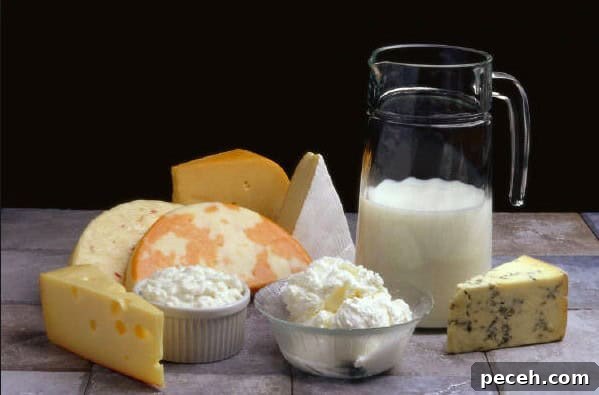
1. Don’t add dairy while pressurizing
Dairy behaves differently under high heat and pressure. Add milk, cream, sour cream, or cheese after the pressure has been released. If dairy is cooked under pressure it can separate, scorch, or become grainy. For soups and creamy sauces, finish by switching to sauté, then stir in the dairy and warm through gently.
2. Adjust quantities so they fit the pot
Think about volume, not just time. Ingredients that expand — pasta, rice, beans, and some grains — can grow two to three times their original size. Pressure cookers should never be filled more than about two-thirds full for most foods; for foamy foods like grains or beans stay below the half-full mark. Use the MAX line and leave a little extra headspace.
3. Use the Instant Pot features (sauté, sear, etc.)
The Instant Pot can sauté, brown, and reduce liquids before pressure cooking. If a original recipe calls for searing meat or softening aromatics, do that with the Sauté function first. Browning meat and sautéing onions or garlic builds flavor the same way a skillet does and often improves the final dish.
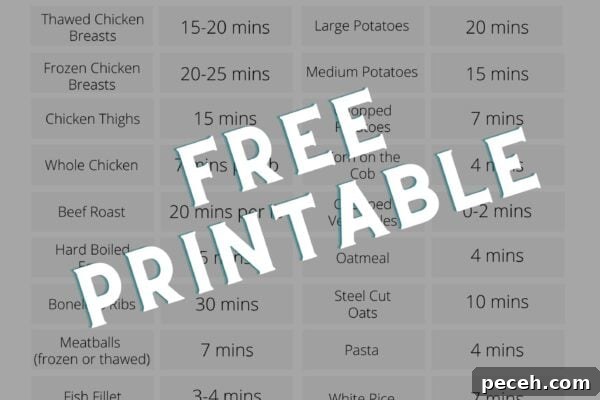
Keeping a reference of common cook times is helpful when converting recipes. Having a printable or chart with recommended times for meats, grains, and vegetables will speed the process.
4. Start with simple slow cooker recipes
Slow cooker recipes that rely on a liquid base convert well. Pressure cookers need some liquid to create steam and reach pressure, so ensure the recipe has enough. More complex non-liquid dishes — like cheesecakes, lasagna, or meatloaf — can be adapted using racks, springform pans, or steam baskets, but search for tested Instant Pot versions as a starting point.
When converting a favorite slow cooker recipe, compare it to similar Instant Pot soups, chilis, or stews to estimate time and liquid adjustments.
5. Converting slow cooker times to pressure times
Cook time changes dramatically between slow cooking and pressure cooking. Use a conversion chart for common ingredients (chicken pieces, whole chicken, beef roast, dried beans, rice, etc.). These charts are very useful when you don’t have a similar Instant Pot recipe to reference.
6. Match ingredient cook times
For “dump and go” recipes, use ingredients that cook in similar amounts of time. If items differ widely, pre-cook, cut into smaller pieces, or add them later so everything finishes evenly. Expect some trial and error the first few times you adapt a recipe.
7. Determine how much liquid to use
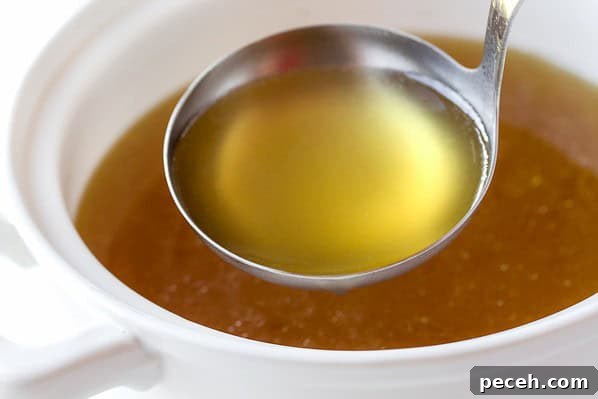
Liquid amount is critical. Too much can dilute the dish; too little prevents the pot from pressurizing. A common guideline: use at least 1 cup of water or broth for recipes with very little liquid, and about 1/2 cup when using thicker liquids like tomato-based sauces. Remember, pressure cooking loses very little liquid, so adjust accordingly.
For many adaptations I simply add a splash of water or broth to allow the pot to reach pressure without changing the finished texture.
8. Choose the right pressure release method
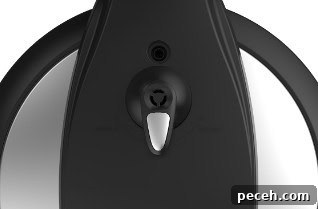
Decide between quick release (QR) and natural release (NR) based on the recipe. My rule of thumb: allow a 10-minute natural release for meat, starchy or foamy foods (potatoes, rice, beans, thick soups) to avoid sputtering or texture problems. For most other recipes use quick release for speed. If unsure, quick release is a reasonable default for non-foamy dishes.
Converting recipes becomes easier with practice. Keep notes on what worked and what didn’t, including liquid amounts, cook times, and whether you used sauté or pre-browned ingredients. Over time you’ll build a personal reference that makes conversions quick and reliable.
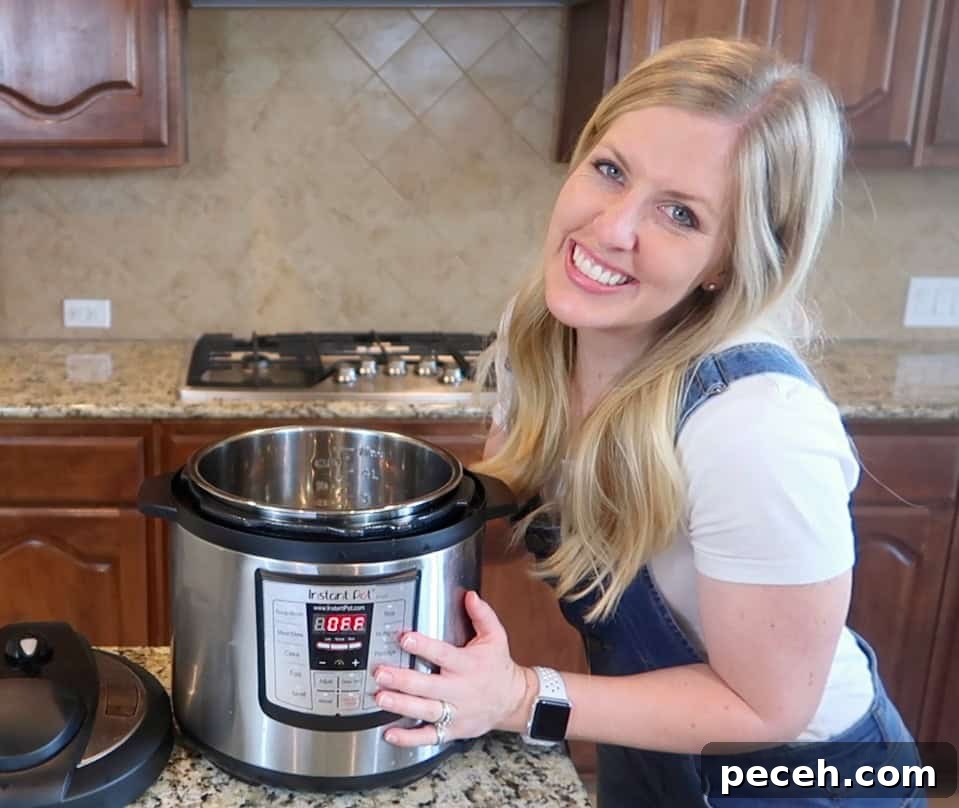
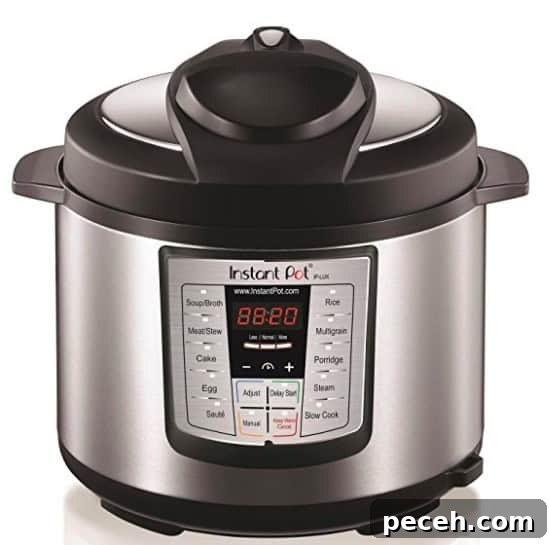
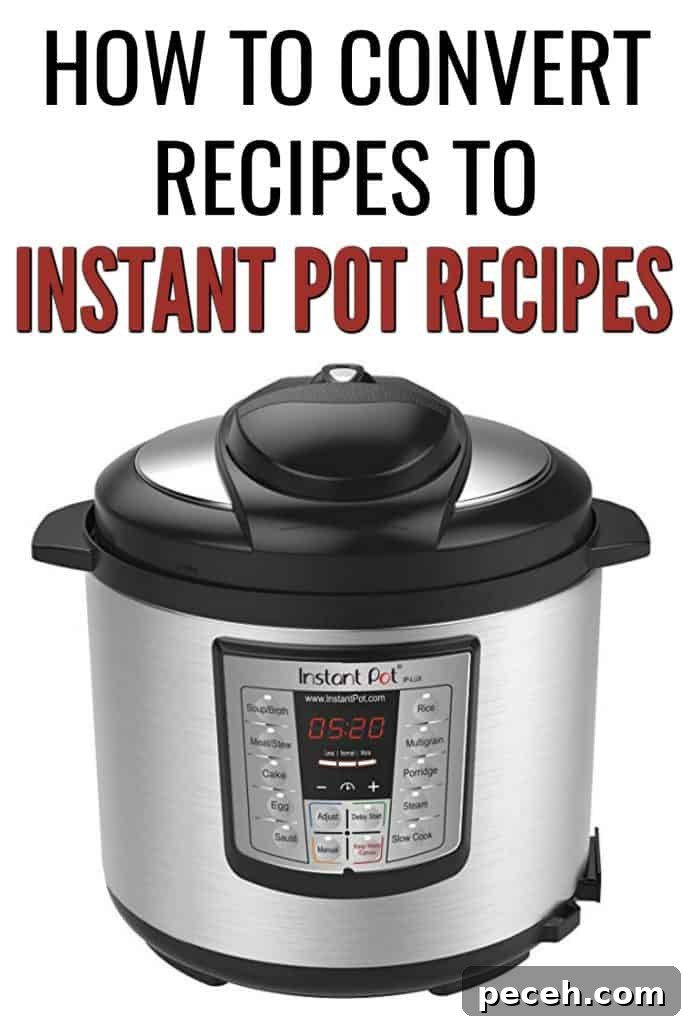
This is the Instant Pot model I use; a basic 6-quart model is often all you need to get started. Try simple, liquid-based recipes first, then expand to more advanced dishes as you grow confident with timing, releases, and liquid adjustments.
Practice, patience, and a few test runs will make converting recipes to the Instant Pot straightforward and rewarding.