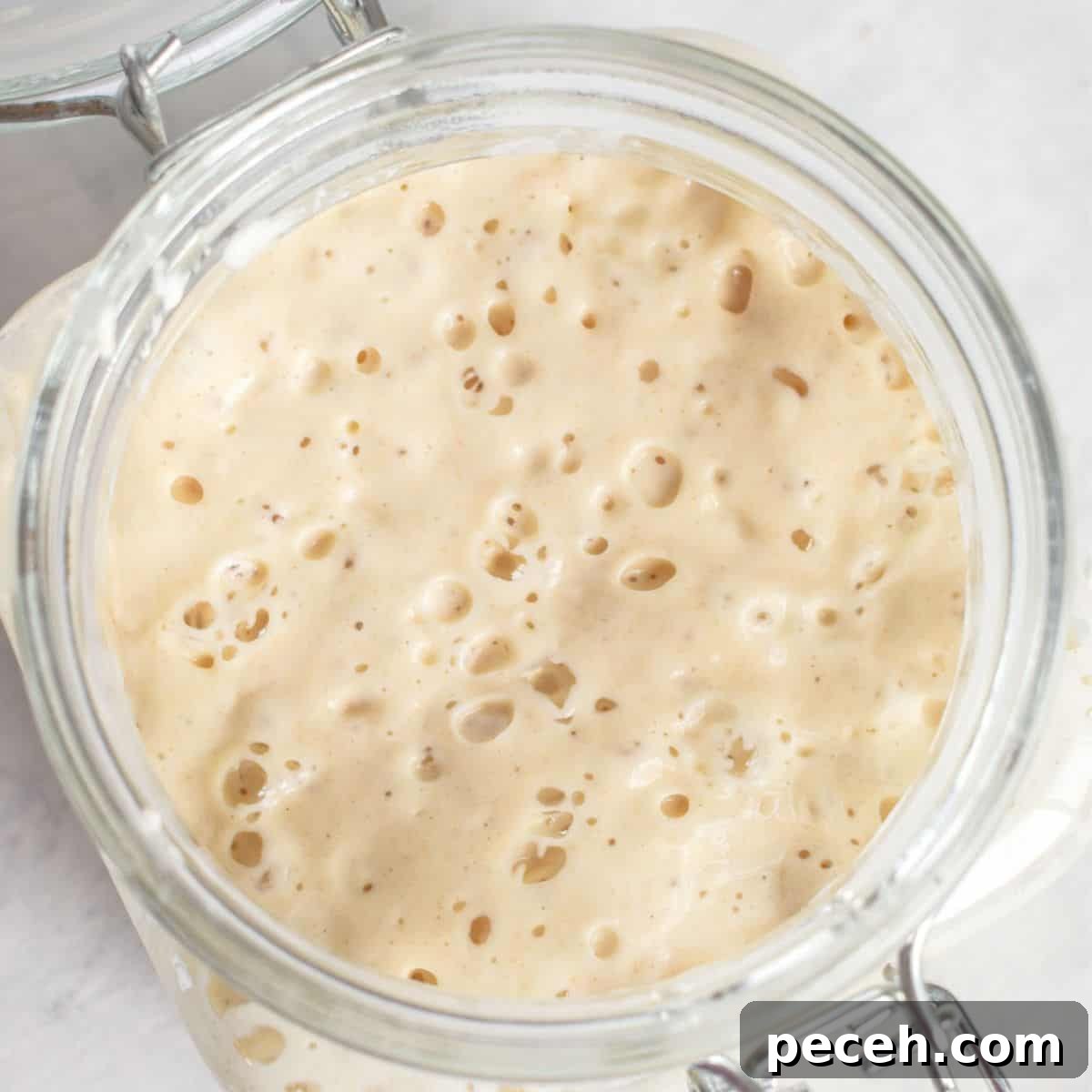
Paul Hollywood’s sourdough starter method uses green grapes to kickstart fermentation and build a reliable, 100% hydration starter. Below you’ll find clear, practical guidance on creating, feeding, storing, and troubleshooting your starter so it stays strong and ready for baking.
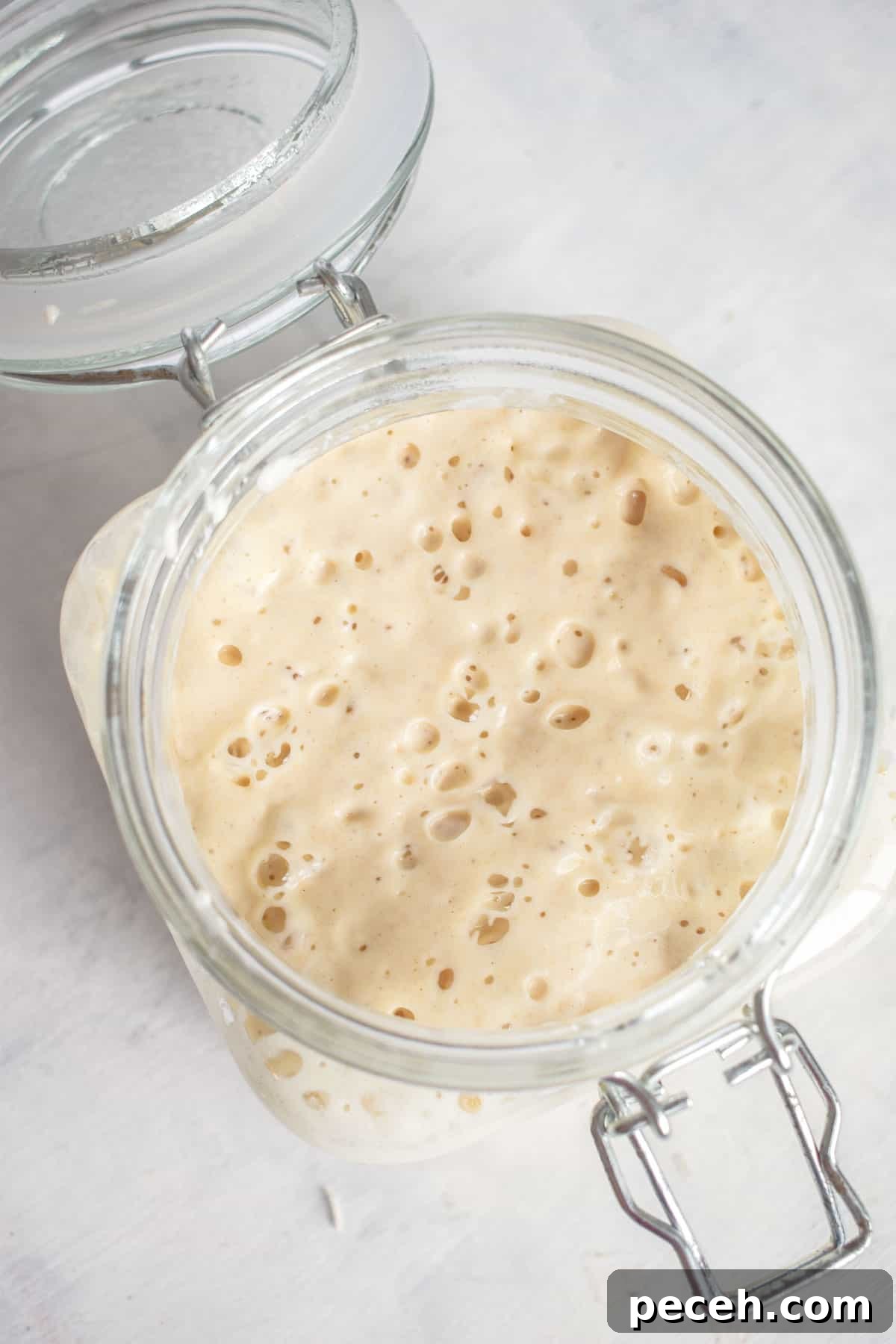
Why this recipe works
This technique is adapted from Paul Hollywood and uses a simple 1:1 flour-to-water ratio (100% hydration) to create an active wild-yeast culture. The grapes add natural yeasts and helpful microbes that speed up the initial fermentation. The instructions below explain the process and include troubleshooting tips so you can maintain a strong starter long-term.
What is sourdough starter?
A sourdough starter is simply flour and water that have been fermented to develop wild yeast and lactic-acid bacteria. Those microorganisms produce carbon dioxide and acids that leaven the bread, create structure, and give sourdough its characteristic flavor. A healthy starter will be bubbly, slightly tangy, and able to double in volume after a feed.
Ingredient notes
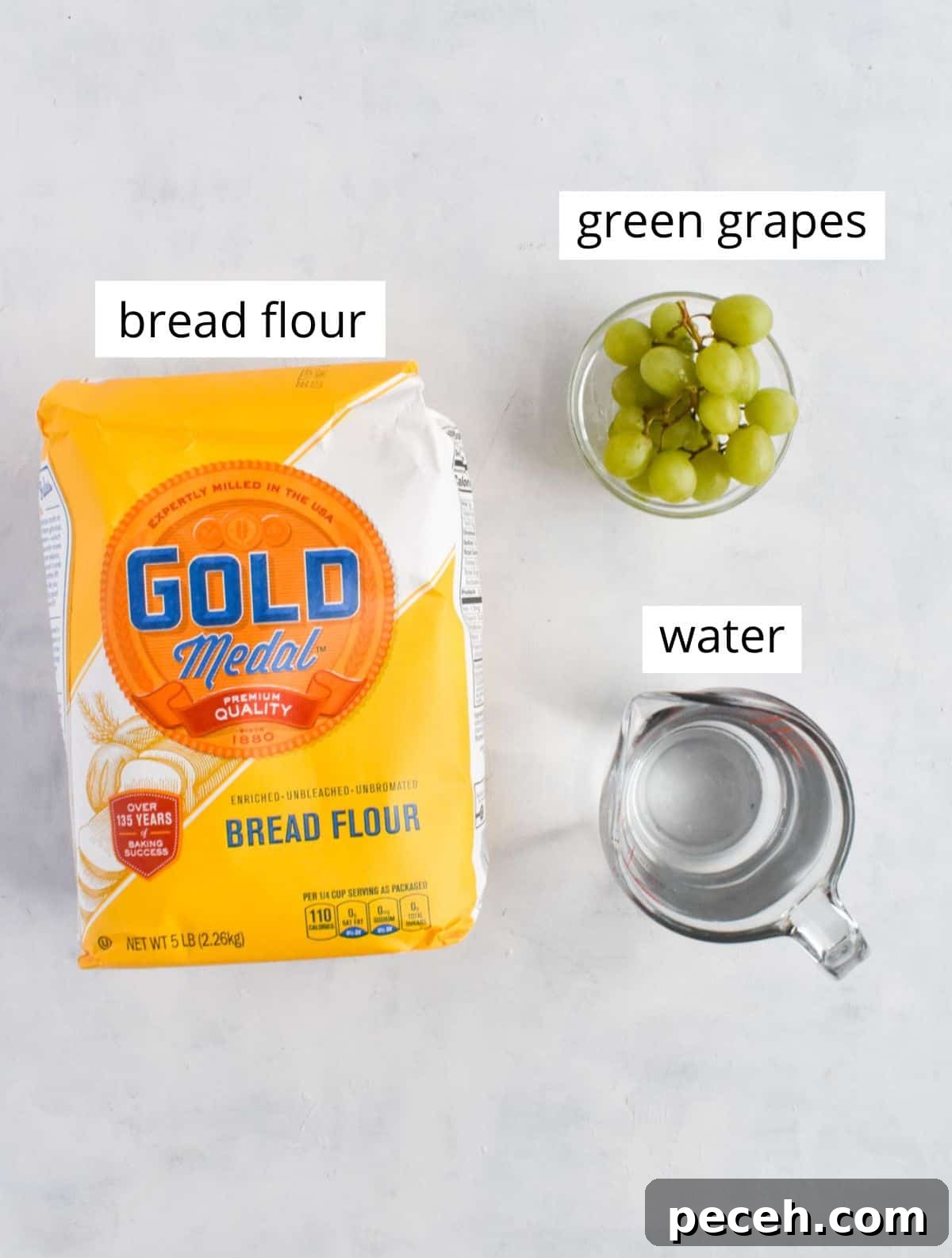
- Bread flour — higher protein helps build a stronger gluten network and supports a more reliable starter.
- Water — use filtered or tap water that is not heavily chlorinated if possible, as minerals and chemicals can affect fermentation.
- Grapes — seedless green grapes (preferably organic) bring natural yeasts and bacteria to jump-start fermentation.
How to make the starter
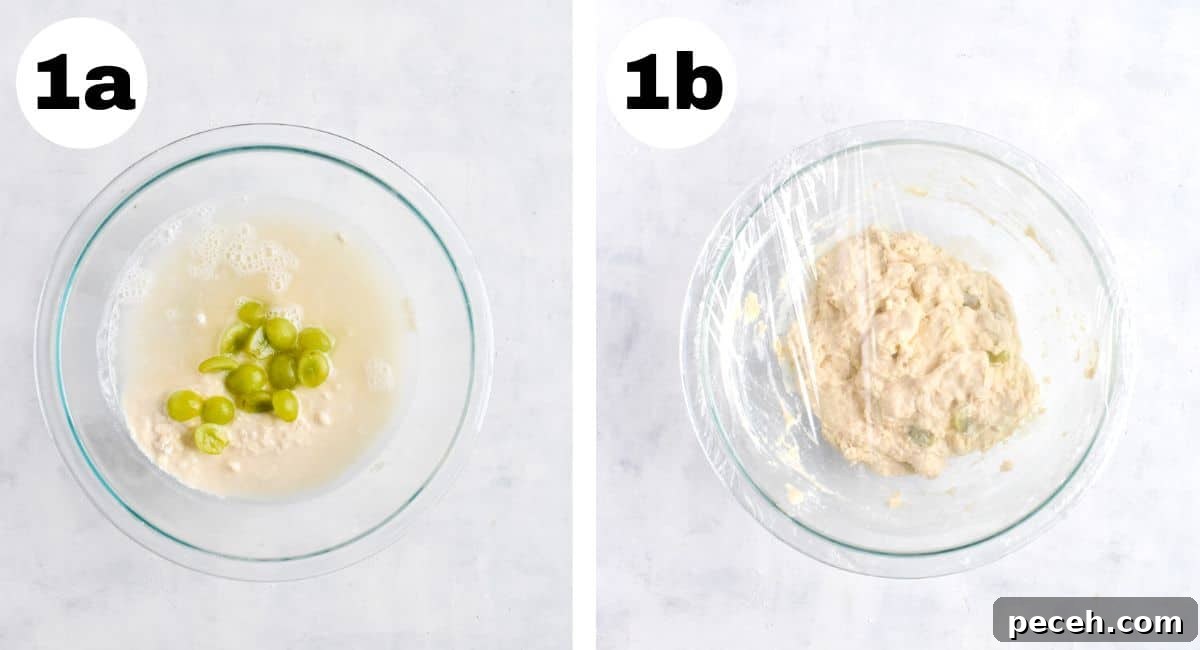
- Day 1 — Halve 5–7 green seedless grapes and mix with 250 g bread flour and 250 ml lukewarm water in a large, covered container. Use a container with room for expansion and cover loosely so gases can escape but the surface does not dry out.
- Days 2–3 — Leave the mixture at room temperature and do not disturb it. Bubbles and a mild aroma should begin to appear as fermentation proceeds.
- Day 4 — Remove the grapes and discard half of the mixture. Feed the remaining starter with 100 g bread flour and 100 g water (see feeding section for alternatives). Stir and leave at room temperature for another 24 hours.
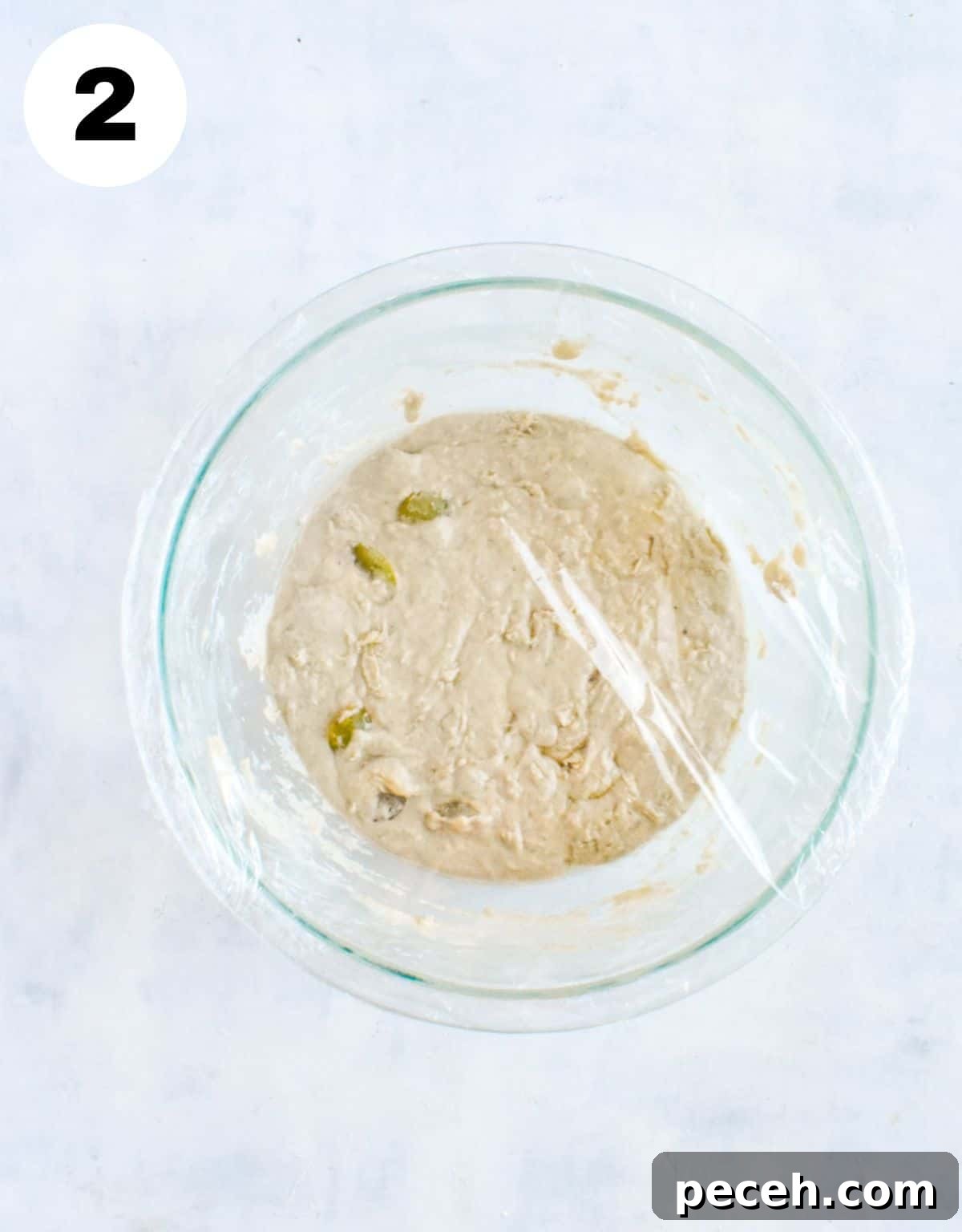
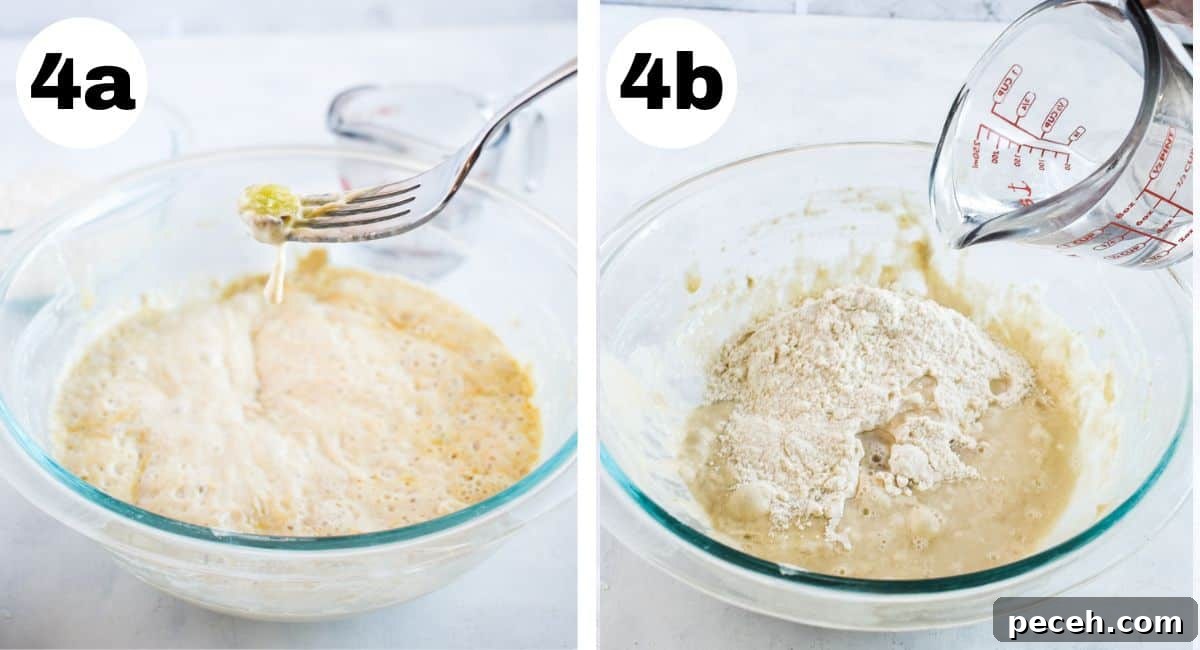
After that final feed, the starter should be active and ready to use. If it’s not yet bubbly, continue regular feedings until it becomes predictable.
Hydration levels
This starter is maintained at 100% hydration, which means equal weights of flour and water. Hydration affects flavor, crumb openness, and crust: higher hydration typically yields a more open crumb and crisper crust. For feeding by weight, use a 1:1:1 ratio (starter:water:flour). For volume, a practical approximation is 1 part starter : 1 part water : 2 parts flour.
Example: To feed 100 g starter at 100% hydration, add 100 g water and 100 g flour. If you prefer volume, ¾ cup + 1 tablespoon flour and 7 tablespoons lukewarm water approximate 100 g each for feeding.
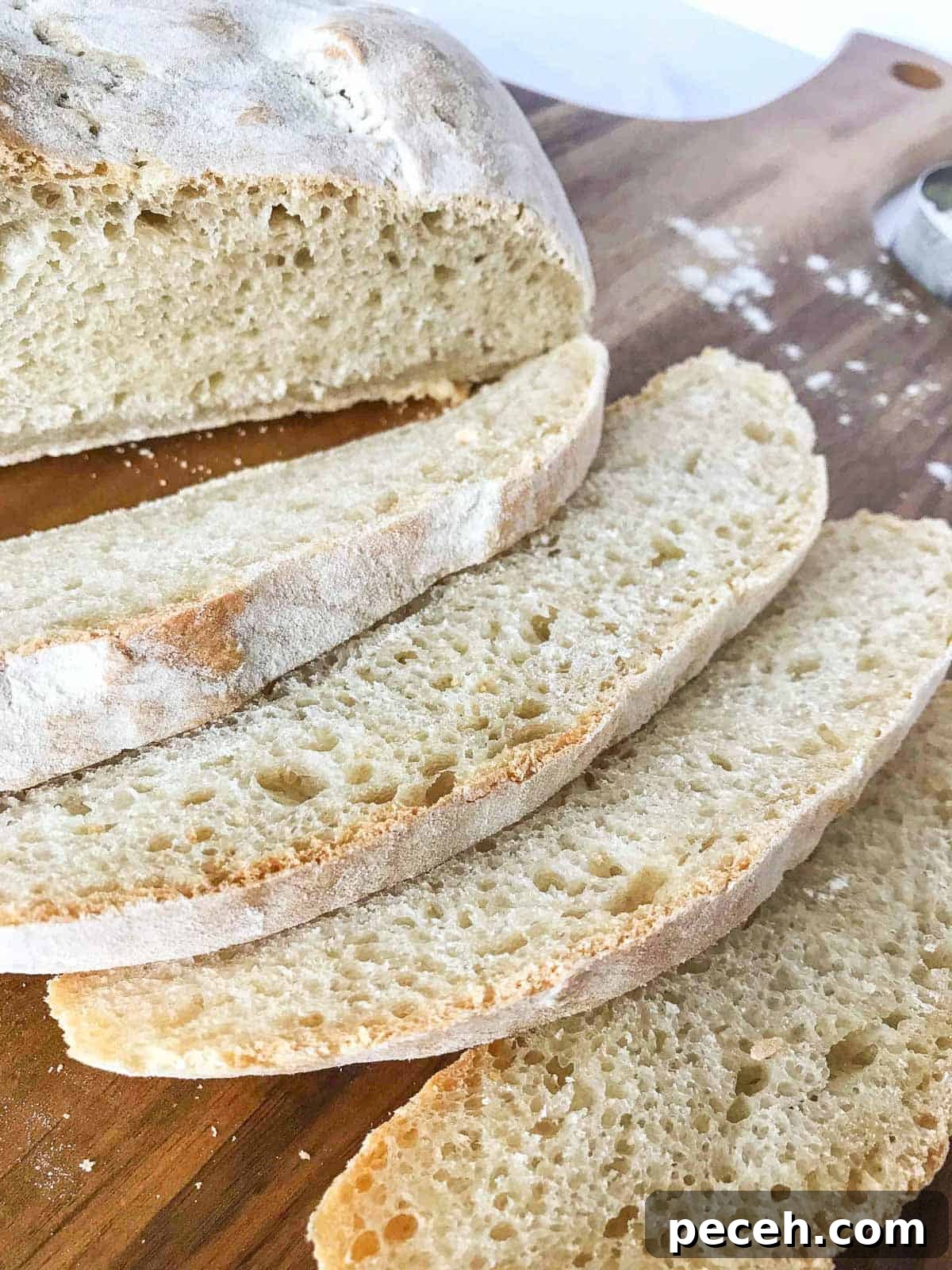
What flour to use
Paul Hollywood recommends bread flour for building and maintaining your starter. Once the starter is mature, you can switch to all-purpose flour for everyday use. If your starter seems weak, strengthen it by occasionally feeding a portion of rye or whole wheat flour.
Feeding and maintenance
Feeding replaces the sugars the microbes consume. Regular discard and feeding keep the starter at manageable volume and maintain the right balance of organisms. In the early days feed every 12–24 hours until the starter stabilizes. A mature starter can be maintained at room temperature with daily feeds or refrigerated and fed 1–2 times per week.
Feeding ratio
By weight: 1 part starter : 1 part water : 1 part flour (e.g., 100 g starter + 100 g water + 100 g flour). By volume: roughly 1 part starter : 1 part water : 2 parts flour; for a typical feed use about ¾ cup + 1 tablespoon flour and 7 tablespoons lukewarm water per ½ cup (≈100 g) starter.
After feeding, the starter usually needs 4–12 hours to become active and bubbly again depending on temperature.
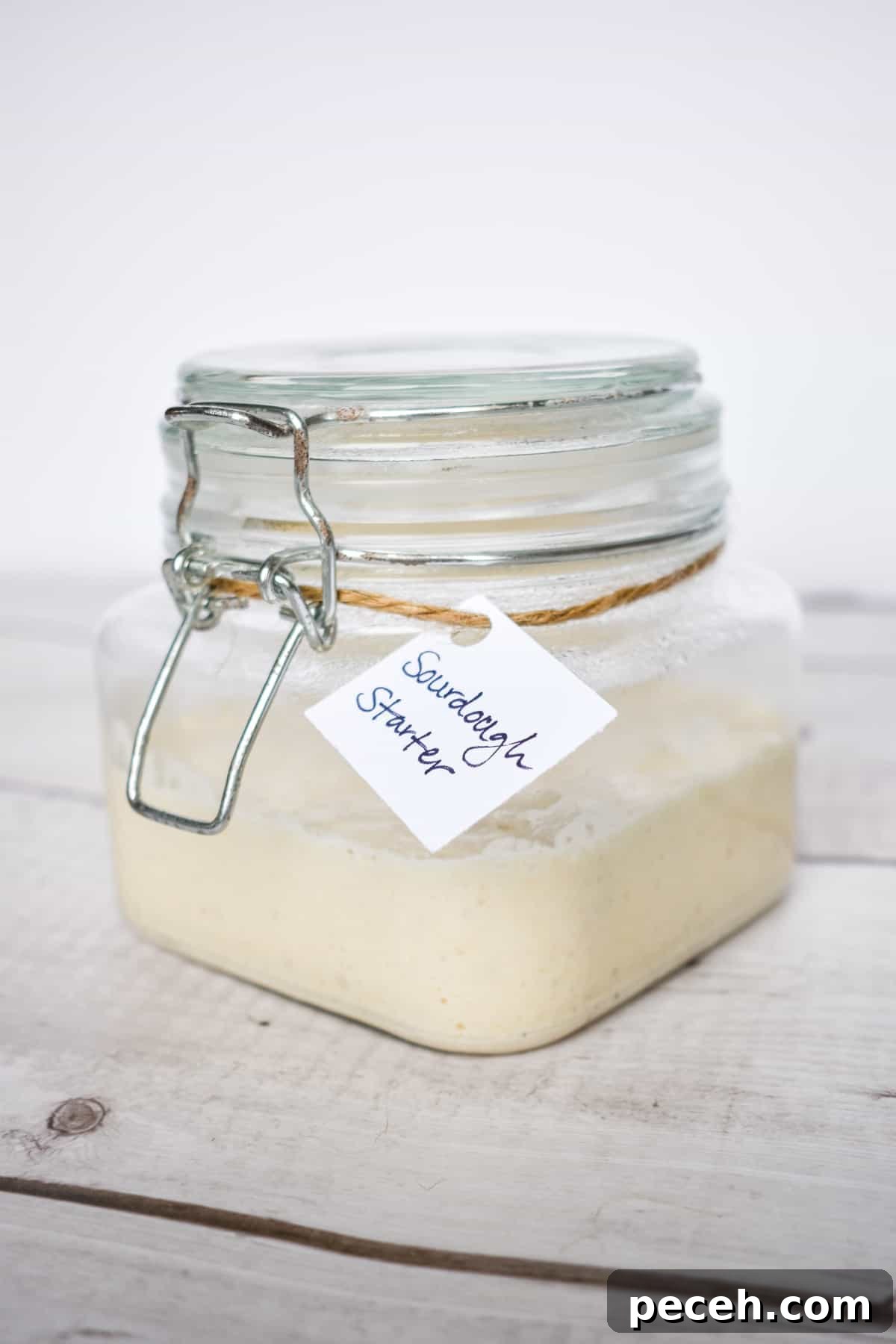
Starter consistency
Paul Hollywood describes the ideal consistency as wobbling like jelly and behaving like a thick batter when stirred. If your starter is runny, it likely needs more frequent or higher-ratio feedings (more flour relative to starter) or simply a higher proportion of flour in the feed.
How often to feed
Treat your starter like a pet: feed it regularly. Feed every 12–24 hours while building it. Once mature, daily feeding at room temperature or weekly feeding in the refrigerator is sufficient depending on how often you bake.
How to tell when it’s ready
An active starter will usually double in size and show bubbles within 4–12 hours after a feed. A simple marker is to place a rubber band around the jar at the starter’s height after feeding to easily see how much it rises.
Storing your starter
Keep your starter covered at room temperature (70–78°F / 21–26°C) for regular use. For less frequent baking, refrigerate the starter and feed it once a week. For long-term backups, freeze or dehydrate starter.
Fridge storage and weekly feed
Feed the starter, let it sit at room temperature for 2–3 hours, then refrigerate. Weekly feed: let the starter warm 30 minutes, take about 100 g starter (≈½ cup), mix with 100 g bread flour and 100 g lukewarm water, return to container, let sit 2 hours at room temperature, then refrigerate.
Getting it ready to bake
Remove from fridge, feed (100 g starter + 100 g flour + 100 g water), and leave at room temperature. It should become active and bubbly within 12 hours. If not, feed again and allow more time.
Long-term storage
Freeze or dehydrate a portion of active starter as a backup. Frozen starter can keep up to 12 months; dried starter stores indefinitely.
Freezing
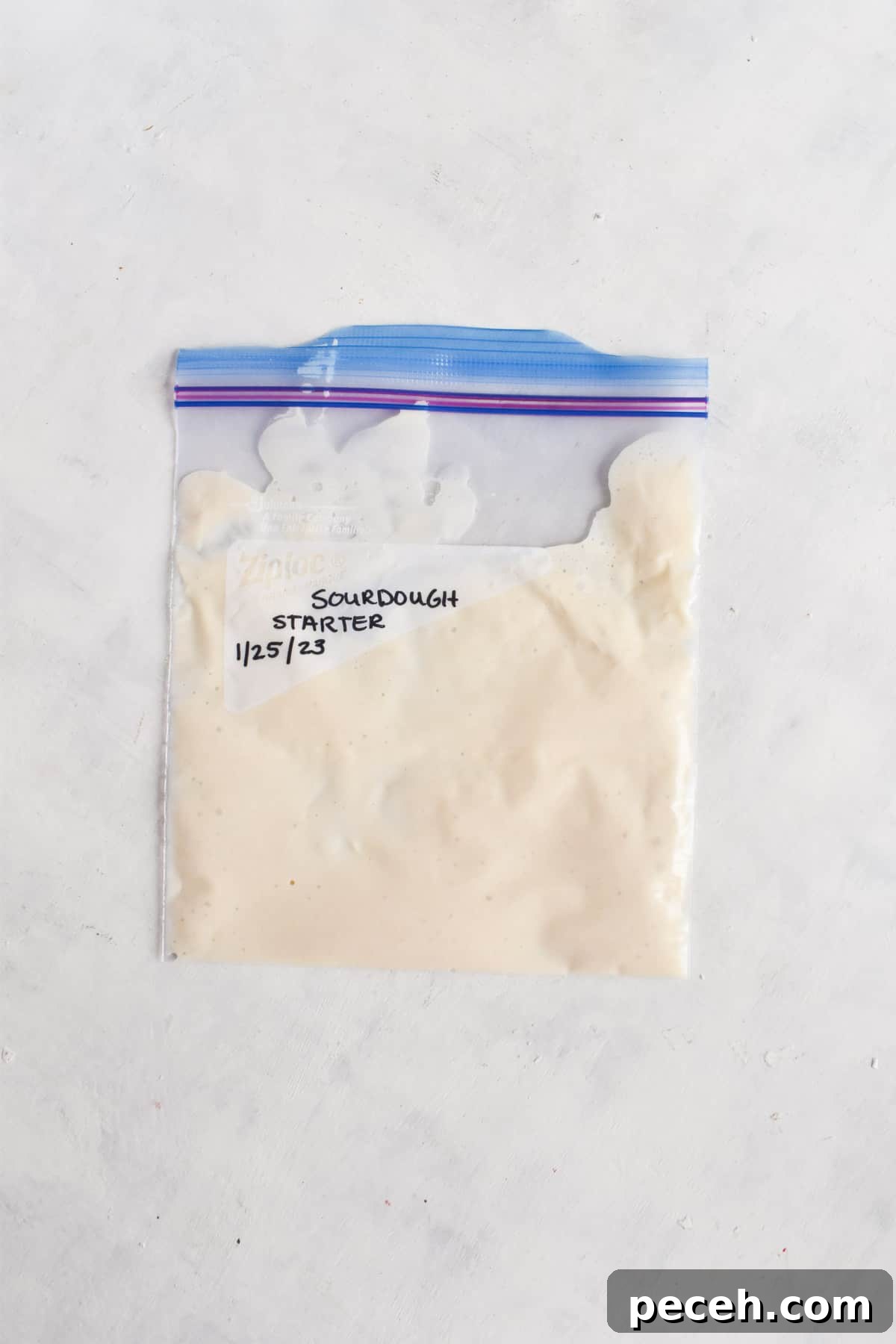
- Use recently fed, bubbly starter. Spoon ½–1 cup into a labeled quart freezer bag and remove air before sealing. Store up to 12 months.
- To revive, thaw completely, then feed 50 g starter + 50 g water + 50 g flour every 24 hours until active and bubbly.
Dehydrating
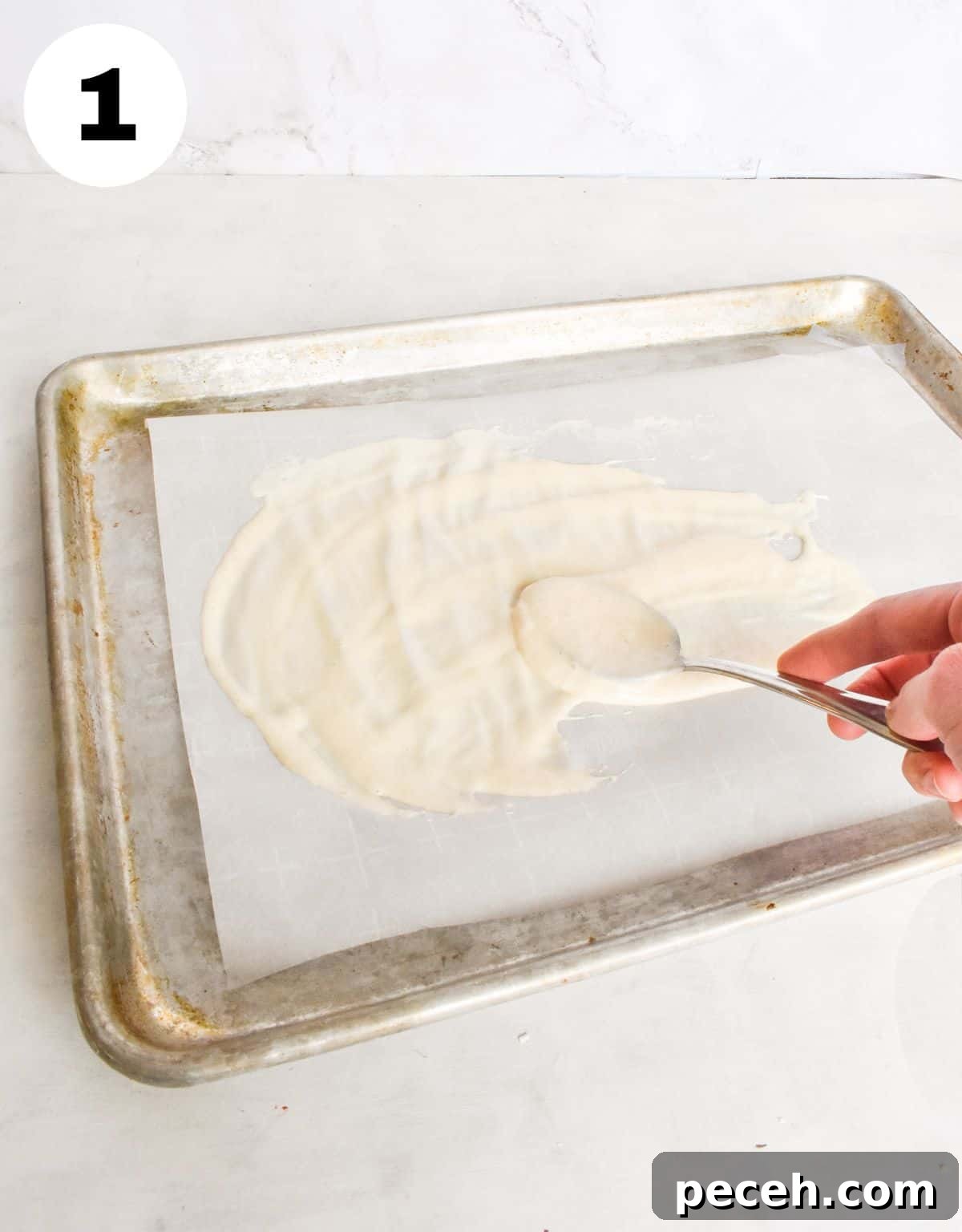
- Spread a thin layer of active starter on parchment or a silicone mat and let it dry completely (2–3 days).
- Break into pieces and store in a jar or freezer bag. To reactivate, soak 50 g dried starter in 50 g warm water for 12–24 hours, then feed 50 g of that mixture with 50 g water and 50 g flour and continue daily feeds until bubbly.
How to revive a neglected starter
If a refrigerated starter has been ignored, remove it from the fridge and let it warm 1–2 hours. Pour off any liquid, inspect for mold or off colors. If you see pink or fuzzy mold, discard and start over. If it’s just a dark layer of hooch or a dry, stiff mass, try reviving:
- Discard any discolored surface liquid and scrape away visible mold. Use a clean spoon to remove a small amount of healthy starter.
- Feed 50 g starter + 50 g flour + 50 g lukewarm water and keep in a warm spot for 12 hours.
- If active (bubbles, near doubling), continue feeding every 12–24 hours until reliably strong. If not, repeat feeding and consider a warmer spot.
Persistence often pays off; a sluggish starter can often be brought back with repeated feeding and warmth.
How to strengthen your starter
If your starter struggles to rise or lacks vigor, occasional feedings with rye or whole-wheat flour can boost microbial activity and improve structure. Also increase feed frequency or adjust ratios to give the culture more fresh food.
Troubleshooting
- Hooch (dark or gray liquid) — this alcohol indicates hunger. Stir it back in or pour off and feed more often, or increase the flour-to-starter ratio. Cooler storage slows activity.
- Mold — if mold appears, remove contaminated parts and try to save a clean portion by feeding consistently; persistent mold means start over.
- Skin on top — starter drying at the surface; keep it covered.
- No rise or bubbles — feed twice daily, move to a warmer spot, or introduce some rye/whole wheat to strengthen the culture.
Why discard starter
Discarding part of the starter at each feed keeps the total volume manageable and ensures the remaining culture receives enough fresh food. Rather than waste it, use discard in recipes.
Using sourdough discard
Discard can be used in many quick recipes. One easy option is to pan-fry discard like a pancake: heat a skillet with butter or oil, spoon batter into the pan, cook until set, flip and finish. Add savory or sweet mix-ins while cooking for extra flavor.

Try these recipes next
 Dutch Oven Sourdough Bread
-
Herb and Cheese Bread
-
Easy Banana Cinnamon Rolls
-
Peach Burrata Pizza with Honey Drizzle



P.S. If you tried this recipe — we’d love your feedback. Rate it and share photos to help others learn from your experience.
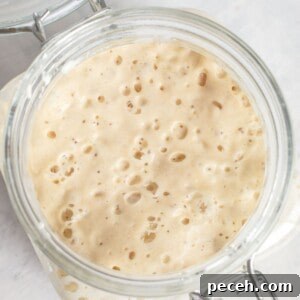
Sourdough Starter
Ingredients
Sourdough starter
- 5–7 Organic seedless green grapes
- 250 grams bread flour (≈2 cups)
- 250 ml lukewarm water
Ingredients for feeding
- 100 grams bread flour (≈¾ cup + 1 tbsp)
- 100 ml lukewarm water (≈7 tbsp)
Instructions
- Slice grapes in half and mix with 250 g bread flour and 250 ml lukewarm water. Tip into a large, airtight container and leave at room temperature for three days. The mixture will bubble and expand, so use a roomy vessel.
- After three days remove the grapes and discard half the mixture. Feed the remaining starter with 100 g flour and 100 g water. Stir thoroughly and leave in the container for 24 hours.
- The starter should be bubbly and the consistency of thick pancake batter. If not, continue feeding until it becomes active.
- If you bake weekly, discard half and refeed every few days while stored at room temperature. If you bake less often, keep the starter in the fridge and feed weekly.
- Before baking from the fridge, remove, bring to room temperature, feed, and wait for activity before using.
Notes
Consistency with ratios is more important than exact amounts. By weight follow 1:1:1 (starter:water:flour). By volume, approximate a 1:1:2 ratio (starter:water:flour). Once stable, feed daily at room temperature or 1–2 times per week in the fridge.
Nutrition
See the web story for a visual walkthrough of this starter method.