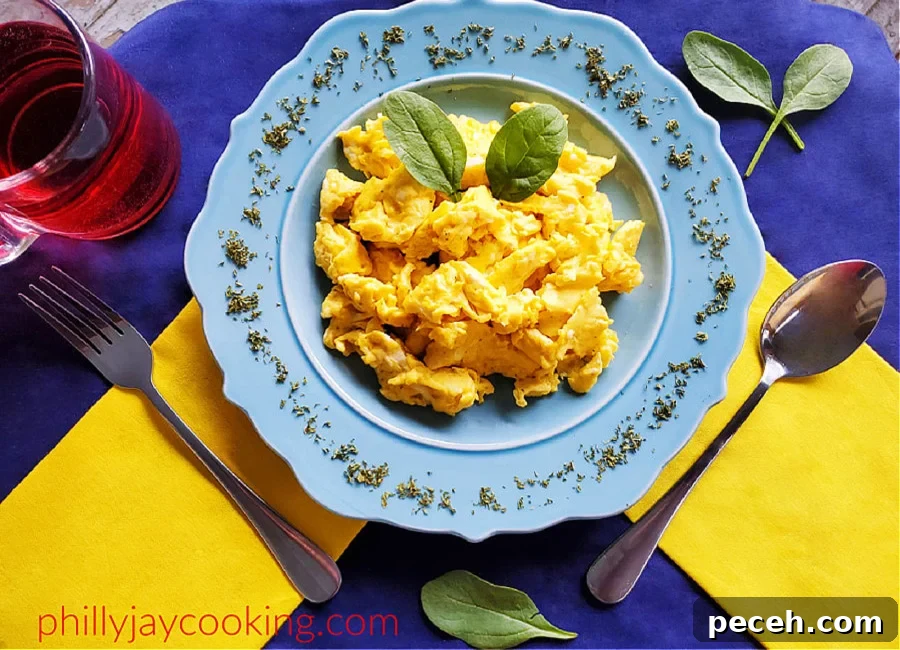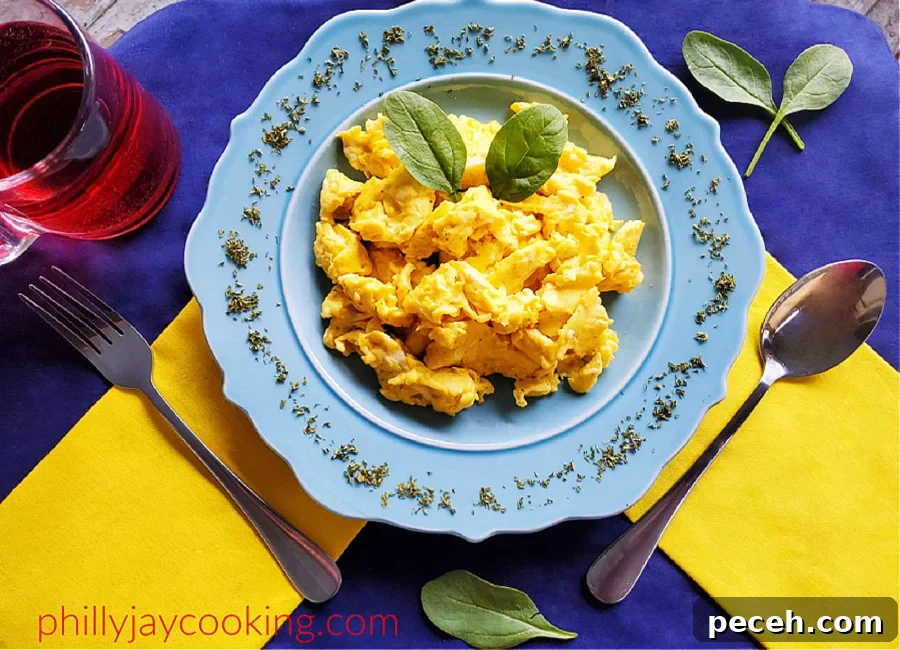
These eggs are flavorful, silky, and so tender they’ll melt in your mouth — a top-tier scrambled eggs recipe. Scrambled eggs are a classic breakfast favorite, but not everyone knows how to make them properly. This recipe shows you how.
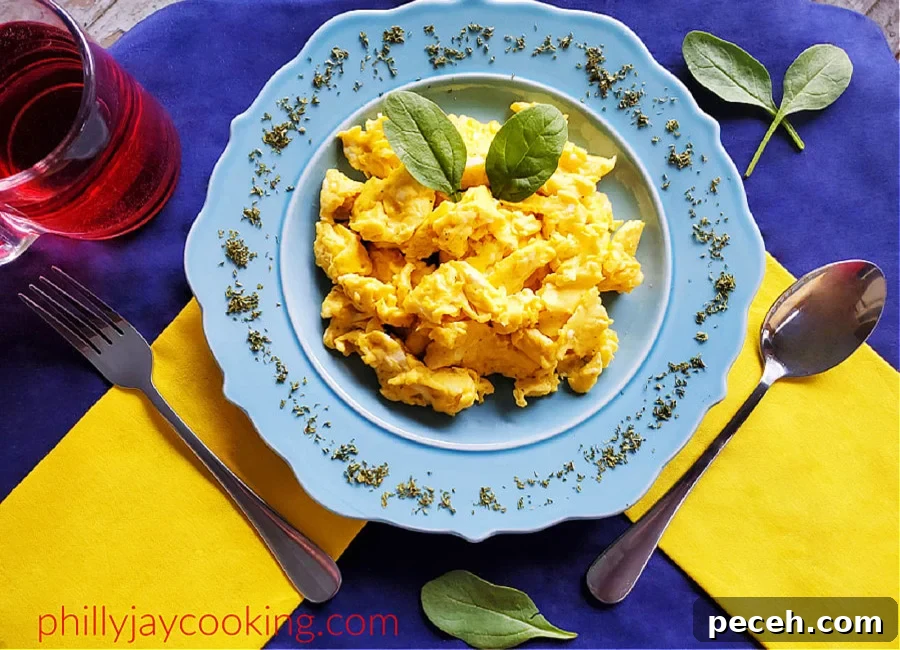
Burnt, dry, or rubbery eggs are disappointing, but with the right technique you can make tender, flavorful scrambled eggs every time. This straightforward recipe will quickly become a breakfast staple in your kitchen.
A recent breakfast at Denny’s inspired me — their scrambled eggs were tender, fluffy, and full of flavor. That motivated me to perfect my own version, and here it is: scrambled eggs the PhillyboyJay way.
Why this scrambled eggs recipe works
- Easy to make: Whisk, season, and cook over a moderate heat — the skillet does most of the work.
- Quick: Ready in minutes, making it ideal for busy mornings.
- Fan favorite: Scrambled eggs are a breakfast classic that please almost everyone when cooked well.
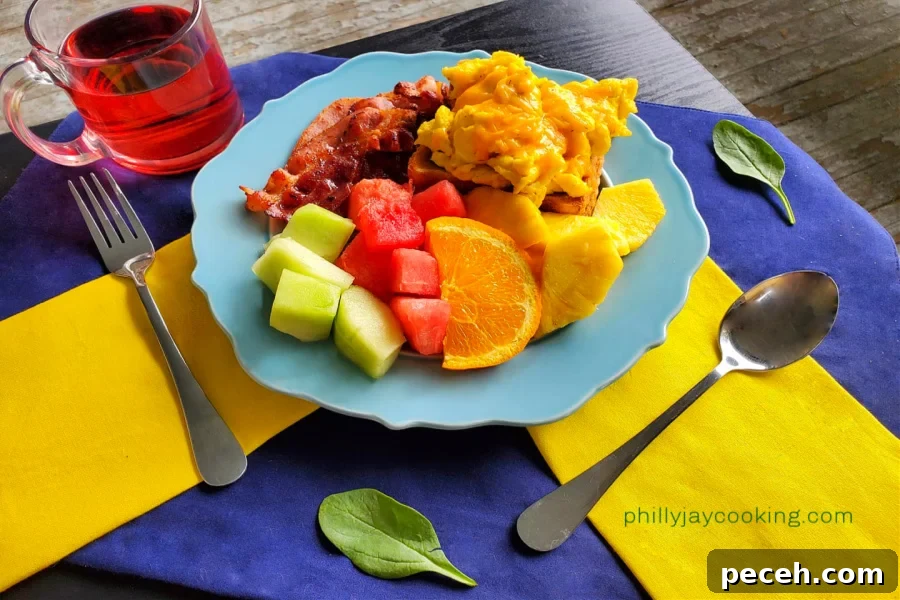
- Versatile: They pair well with almost any breakfast item — toast, potatoes, sausage, or grits.
Family breakfast memories
I grew up with weekends full of big breakfasts. My family often made omelets, fried eggs, or scrambled eggs loaded with cheese, sausage, or bacon. My dad’s weekend spread included home-fried potatoes, pancakes, and plenty more; he cooked like he was feeding a crowd and always added cheese to his scrambled eggs.
Community breakfast memories
At my childhood church, meals between services were common and always generous. They fed everyone for free, which left many of us happily full — and sometimes sleepy during service. Those shared breakfasts are part of why eggs feel like comfort food to me.
Cookware and utensils you’ll need
- Large skillet: A nonstick skillet works best for easy cooking and cleanup.
- Fork or whisk: To beat the eggs until fully blended.
- Large spoon or silicone spatula: For stirring and serving without scratching pans.
- Small bowl: For mixing the eggs and seasonings.
Ingredients
- Main: Large eggs
- Fat: Unsalted butter
- Liquid (optional): Heavy cream (a splash)
- Seasonings: Salt, garlic powder, and black or white pepper
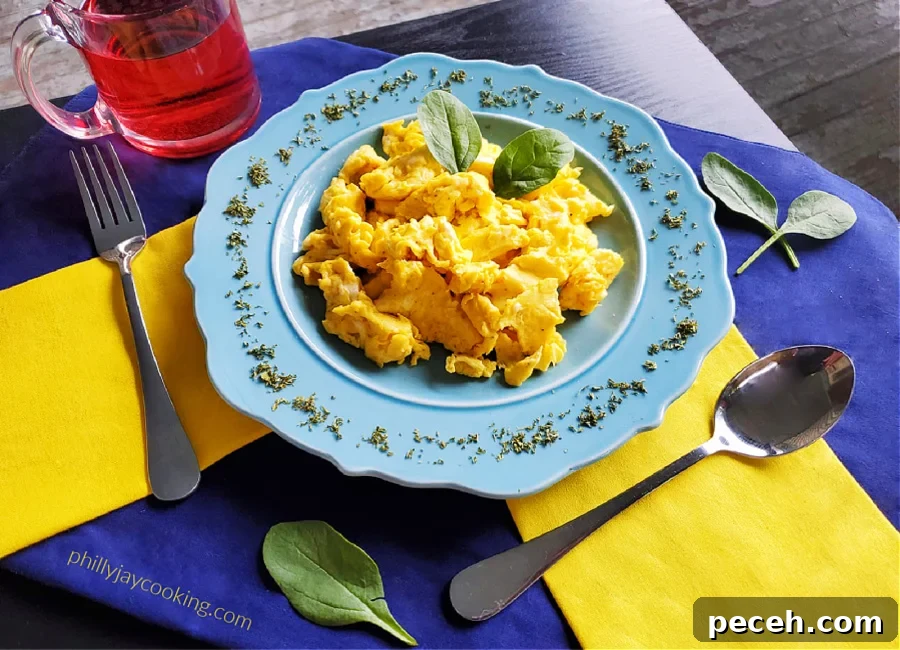
Seasoning tips and alternatives
- Salt: Use enough to avoid bland eggs, but don’t oversalt.
- Seasoning salt or adobo: These add broader flavor; use about 1/4 more than plain salt if substituting.
- Garlic powder: A small amount brightens the eggs and makes them stand out.
- Pepper: Black pepper is traditional; white pepper gives the same taste without visible specks, which some guests prefer.
About the cream
- Heavy cream: Optional. A splash adds richness and a silkier texture.
- Half & half or milk: Good substitutes if you don’t have heavy cream; use sparingly so you don’t dilute the egg flavor.
Butter and fat
- Butter: Adds classic flavor and helps with browning. Use unsalted so you can control the salt level.
- Choose a good brand: Since the recipe uses few ingredients, quality butter can make a difference.
Cooking time and temperature
- Medium heat: Cook over medium heat for even, gentle cooking.
- Short cook time: Total cook time is brief — roughly 4–8 minutes depending on your stove and pan — to avoid drying or browning the eggs.
- Use residual pan heat: After an initial minute scrambling on the stove, the pan’s heat will finish cooking the eggs off the direct flame for a tender result.
Beating the eggs
- Beat for about a minute: Ensure the whites and yolks are well combined for a uniform color and texture.
- Use a fork or whisk: Either works well to incorporate air and mix thoroughly.
How to scramble eggs the right way
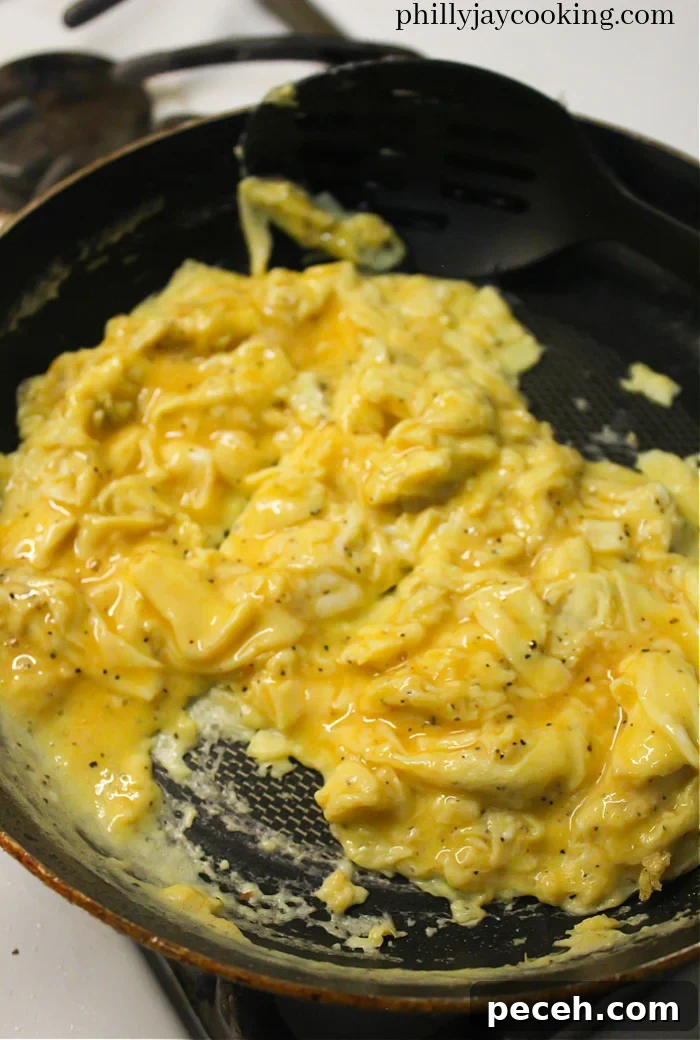
Technique matters. Avoid letting egg solids dry on the pan edges — that creates those unwanted glue-like bits. Move the eggs from the edges toward the center in a gentle circular motion to create soft curds.
- Use a small silicone spatula: It won’t scratch your pan and makes folding and turning the eggs easy.
- For small curds: Stir vigorously.
- For large curds: Stir more gently and less often.
- Scrambling motion: Push from the edges inward, forming soft, tender curds.
Step-by-step instructions
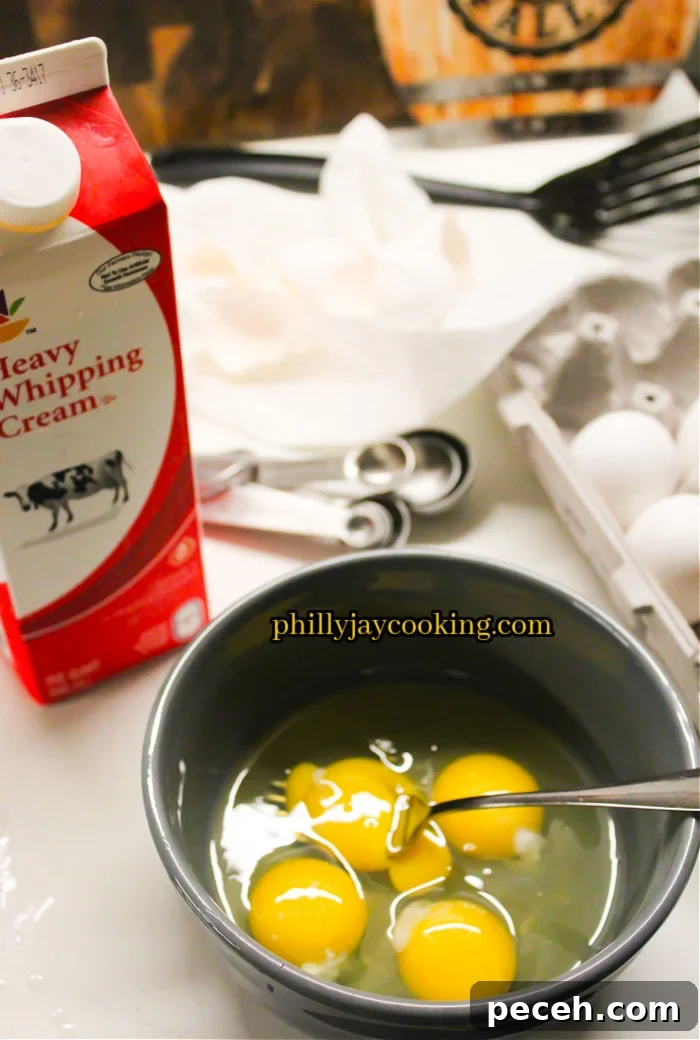
- Crack the eggs into a small bowl and beat for about 1 minute until uniformly yellow.

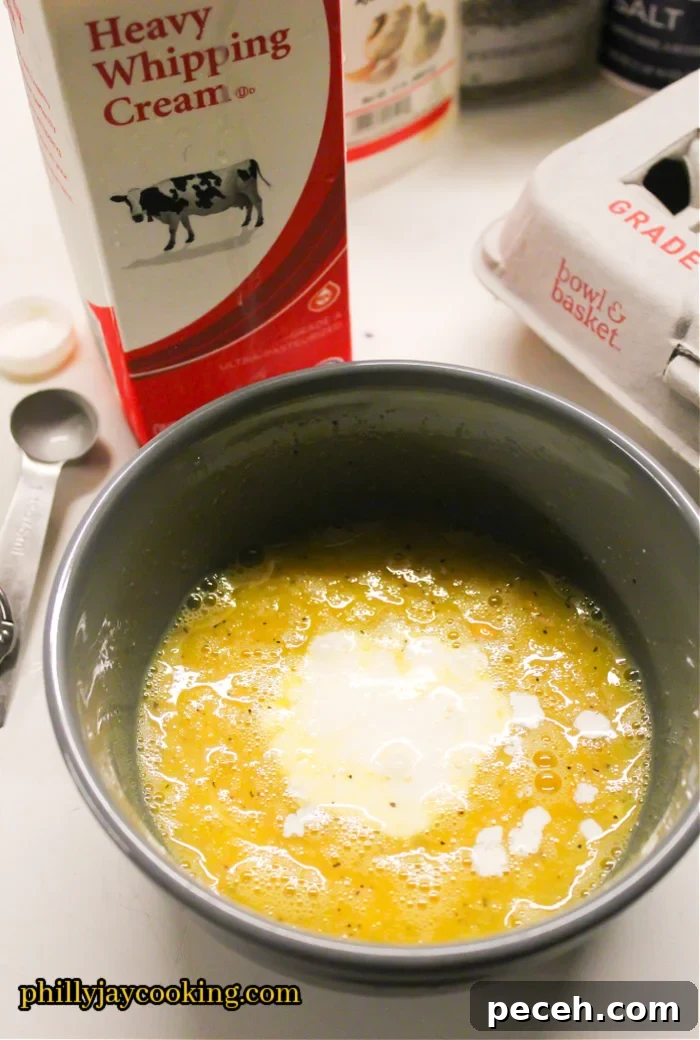
- Stir in the seasonings and a splash of heavy cream or milk, then mix again.
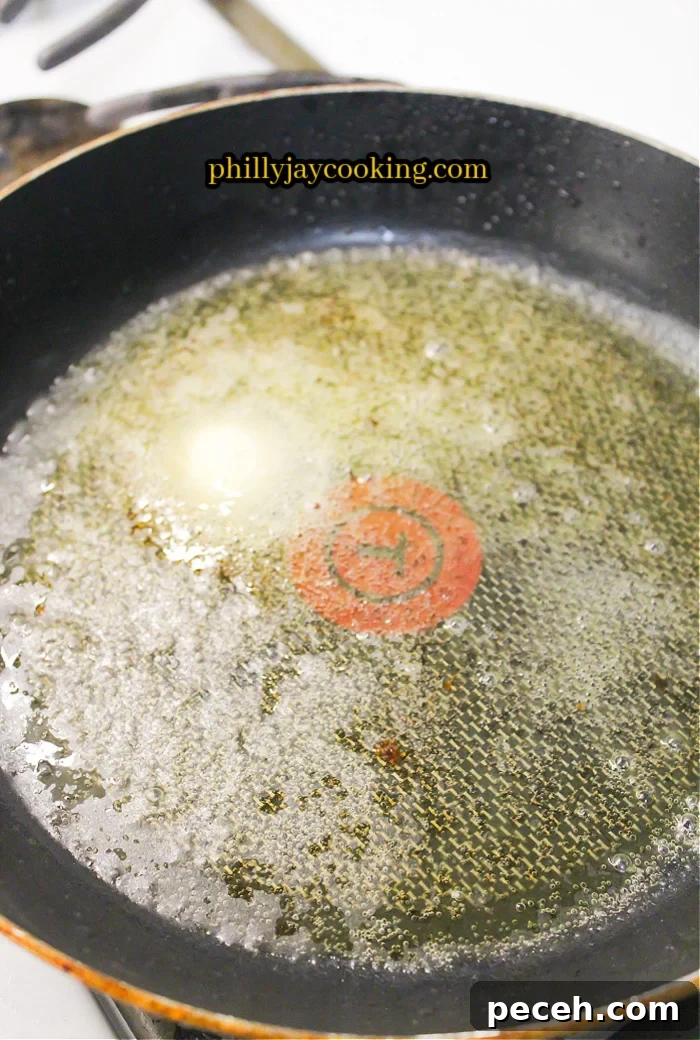
- Melt butter in a skillet over medium heat.
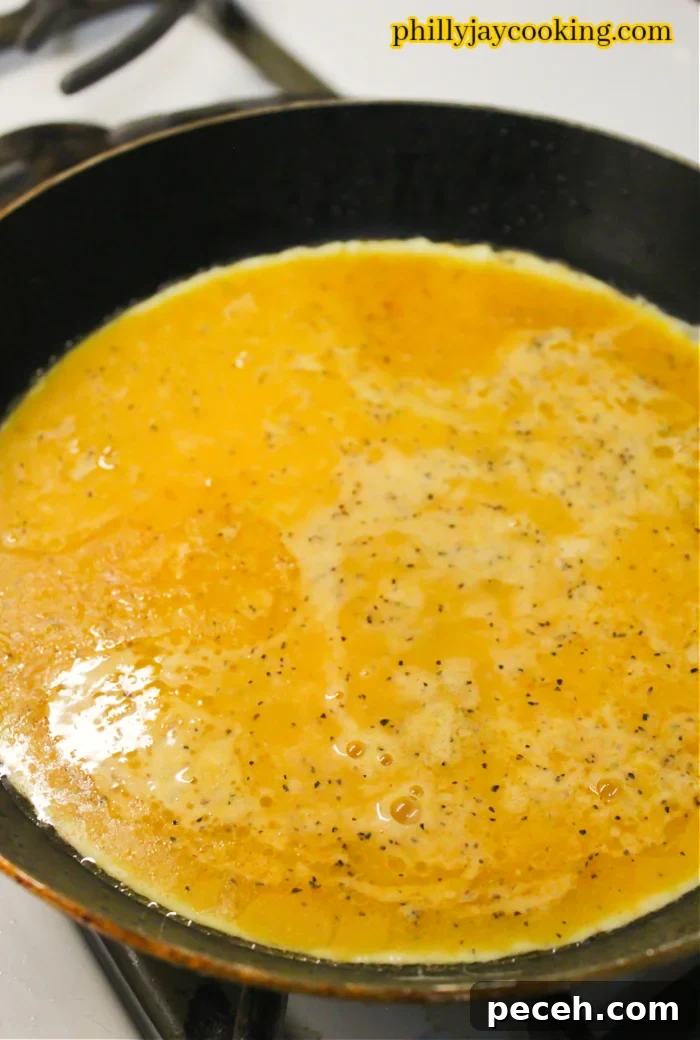
- Pour in the eggs and scramble for about 1 minute, then turn the heat off and continue to gently stir. The pan’s residual heat will finish cooking them.
- Continue stirring for another 1–2 minutes until the eggs reach your preferred doneness; remove from the pan while still slightly soft for the best texture.
Video
Tips for best results
- Nonstick skillet: Prevents sticking and helps keep the eggs tender. A clean, proper pan makes a big difference.
Frequently asked questions
- Can you reheat scrambled eggs? Yes, but they may become firmer or a bit rubbery. They taste best when served immediately.
- White or brown eggs? Shell color doesn’t affect flavor or cooking — either works.
- Do I need heavy cream? No. It adds richness and silkiness, but milk or half & half are fine substitutes, and the eggs will still be tasty without any dairy.
Recipe summary
- 4 Large Eggs
- 2 tsp Heavy Cream (optional)
- 2 tbsp Unsalted Butter
- 1 tsp Garlic Powder
- 1/4 tsp Pepper
- 1/8 tsp Salt (adjust to taste)
Instructions (short)
- Crack eggs into a bowl, add cream and seasonings, and beat for 1 minute.
- Melt butter in a skillet over medium heat.
- Pour in eggs, scramble for about 1 minute, then turn off the heat and keep folding until done.
Notes
This recipe was developed using a gas stove; cooking times may vary with electric or induction cooktops. Adjust heat and timing as needed for your equipment.
With these tips and technique, you’ll avoid rubbery or overcooked scrambled eggs and consistently serve soft, flavorful eggs that friends and family will enjoy. If you try this recipe, leave a comment and let me know how it turned out. Enjoy!
PBJ~