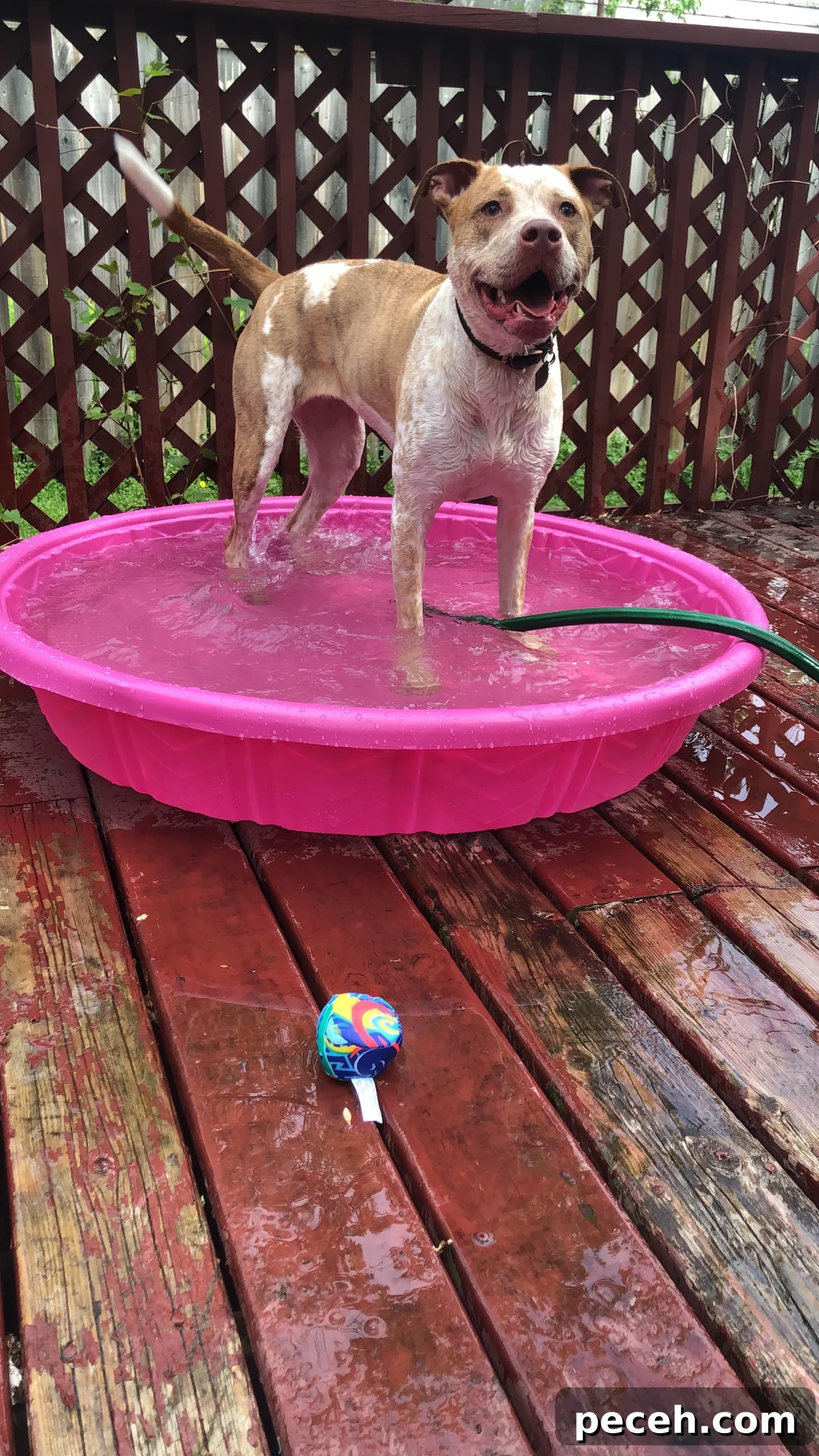
May 16th, 2019 began as a day of promise — and yard work. By evening it became the day I went from independent and self-sufficient to temporarily losing every ounce of independence I had. My fiancé and I were doing landscaping and, to keep the dogs out of the yard, we put their little pool on the deck. In hindsight it was a poor choice, but at the time it seemed fine.
Broken Ankle: The Injury and the Aftermath
The deck became wet and slippery. I was wearing shoes with almost no traction (hello, Birkenstocks) and in a split second I shattered my ankle. I heard the break as I fell, and when I looked at my foot it was turned the wrong way. I knew immediately it was serious and that my life would change drastically for a while.
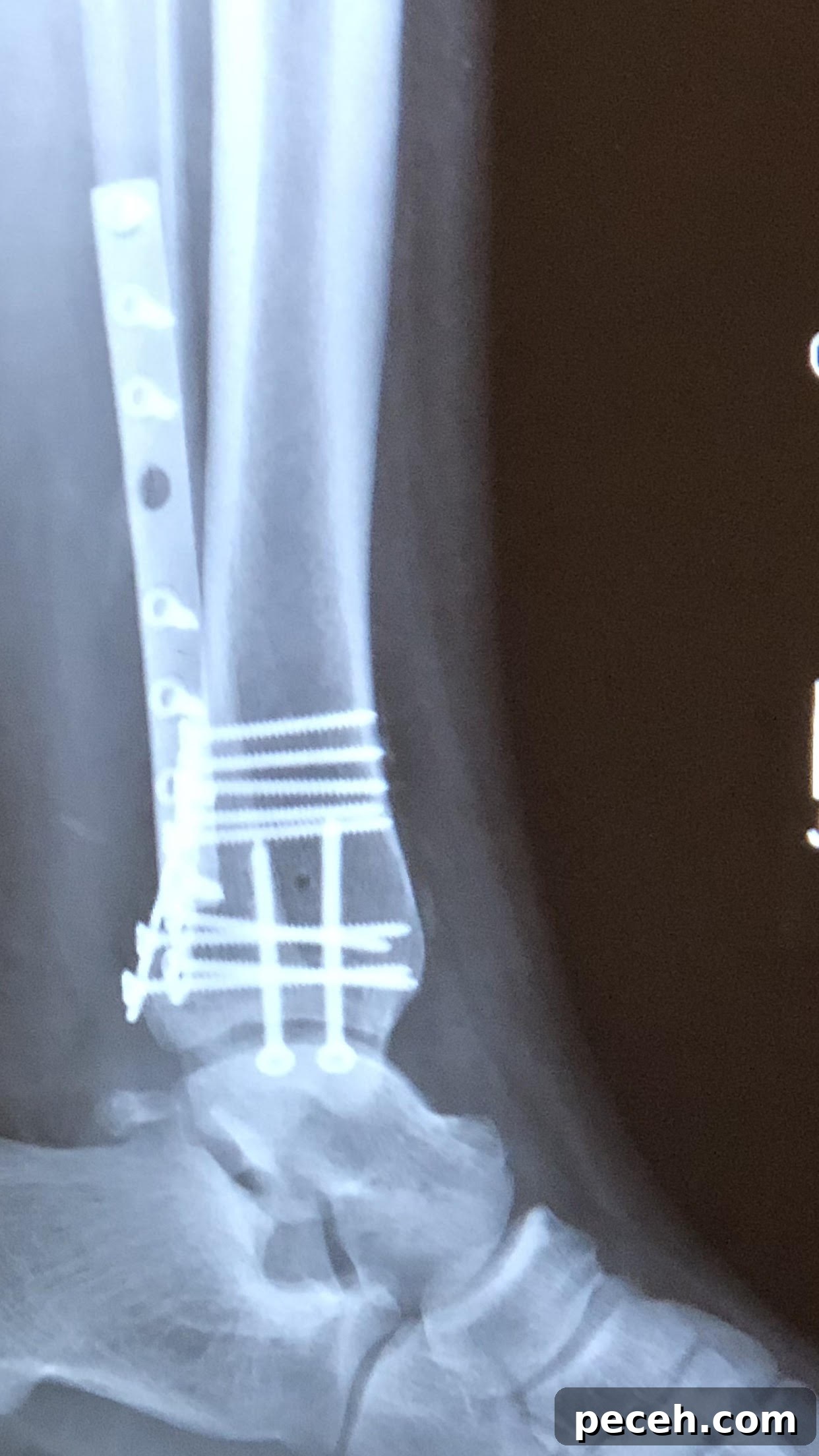
My diagnosis was a trimalleolar fracture — three bones in the ankle joint were broken, effectively disconnecting the foot from the leg — and I also had a comminuted fracture at the back of the ankle, with multiple small fragments. It’s one of the most severe ankle fractures you can sustain.
The pain was excruciating. Paramedics started an IV and administered fentanyl on the deck while performing a reduction to realign my foot. That was the first of two reductions that day. The pain continued relentlessly for over a week, despite IV morphine and fentanyl at the hospital and a heavy oral pain regimen. I was discharged with a plan to see the surgeon the next morning; surgery was scheduled for May 22nd.
Before surgery my ankle was so unstable that every movement — hopping on crutches, getting in and out of a car, or hitting a bump — triggered intense pain. I worried most about how helpless I felt and about Justin, who had to watch me suffer without being able to fix it. Sleep was rare; I might get an hour after pain meds, and then the exhaustion from constant pain and crying set in.
Justin picked up a used knee scooter, but I couldn’t use it initially because letting my foot hang off the scooter hurt more than using crutches. Daily life became a lesson in planning: every trip off the couch was carefully thought out. I learned to use a backpack to transport water and food containers and relied completely on Justin for cooking, cleaning, dog care, and basic tasks. I couldn’t even manage a shower on my own.
Justin’s routine changed instantly. He balanced full-time work with caregiving and household duties, often sleeping on a chair downstairs so he could be close if I needed help at night. He stayed up with me when sleep wouldn’t come. I felt guilty and grateful — he was my light through it all.
Trimalleolar Fracture Ankle Surgery
The morning of surgery I was terrified — about the procedure, being intubated, and what life would look like afterwards. I wanted nothing more than to be “normal” again. In appointments I often broke down in tears, overwhelmed by how quickly my life had changed. Two weeks earlier I had been traveling alone in Europe, and suddenly I couldn’t do anything for myself.
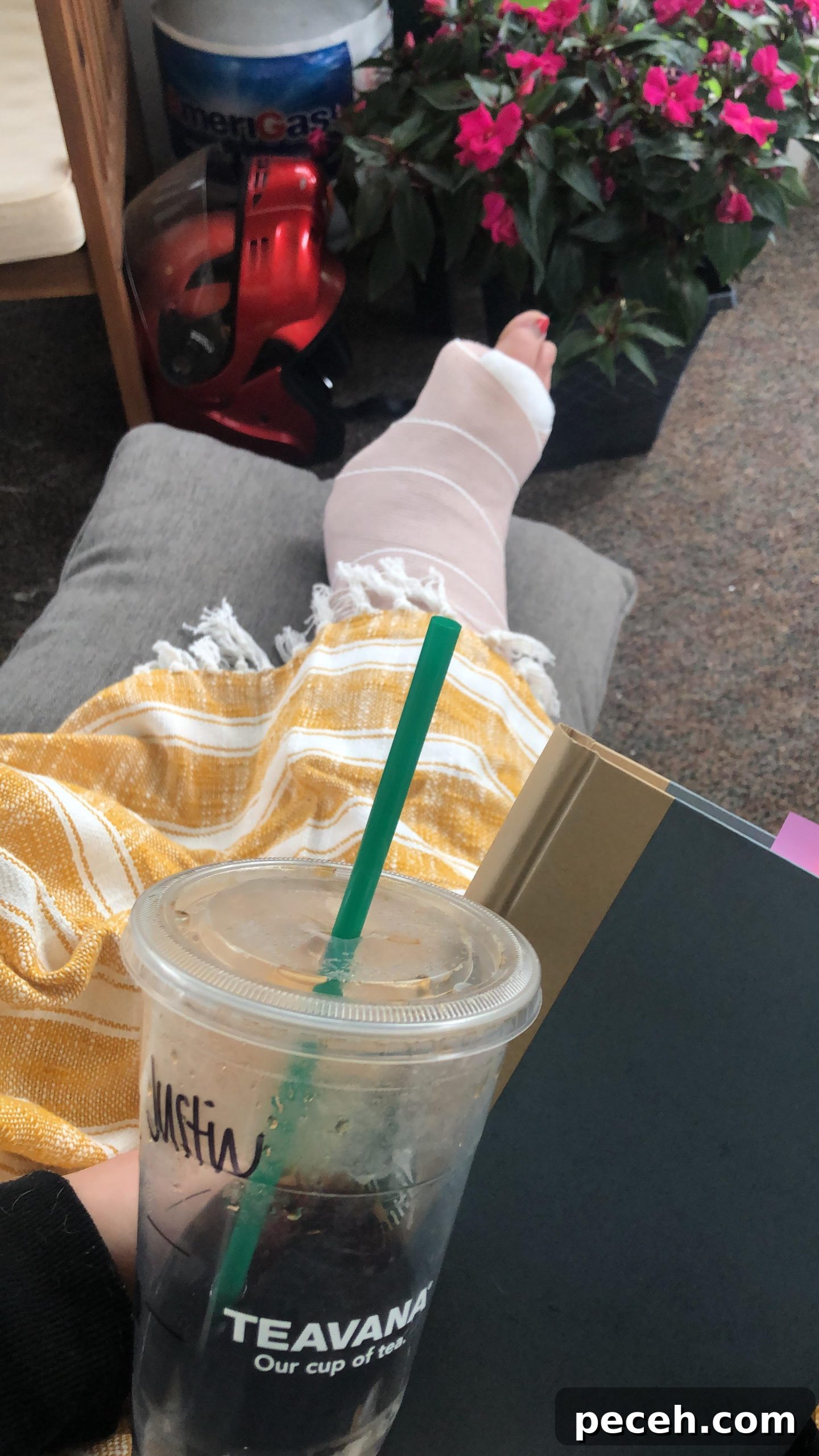
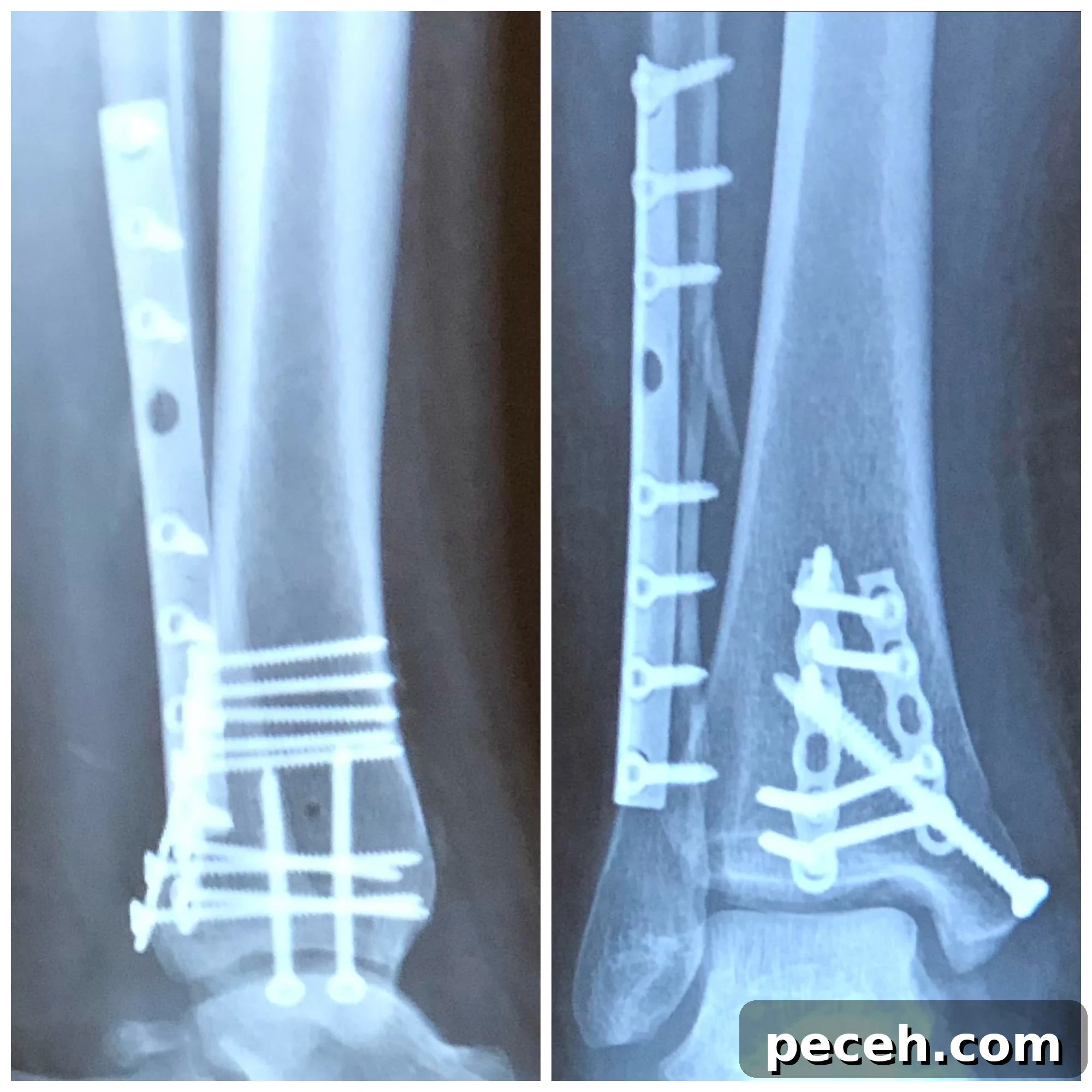
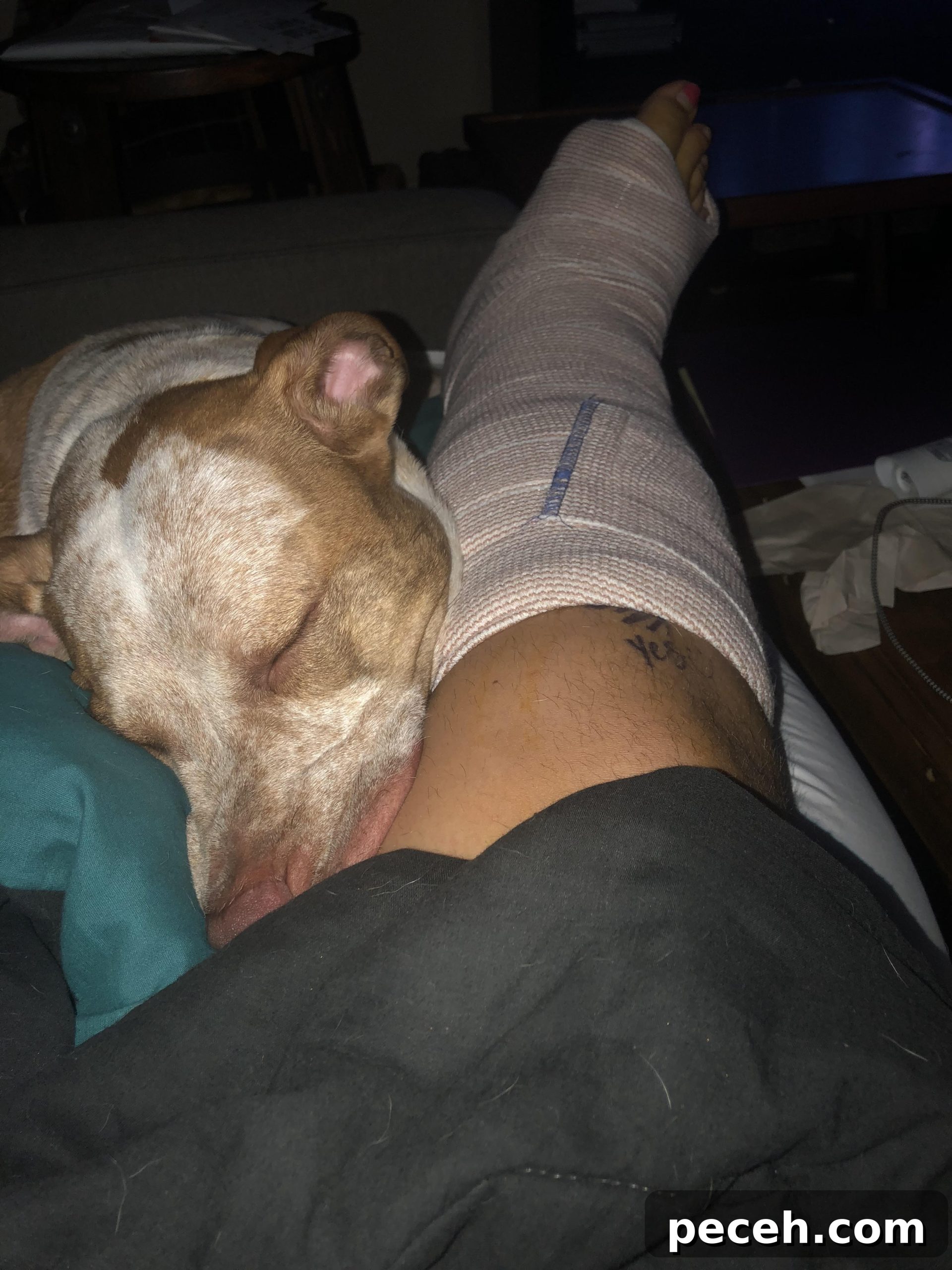
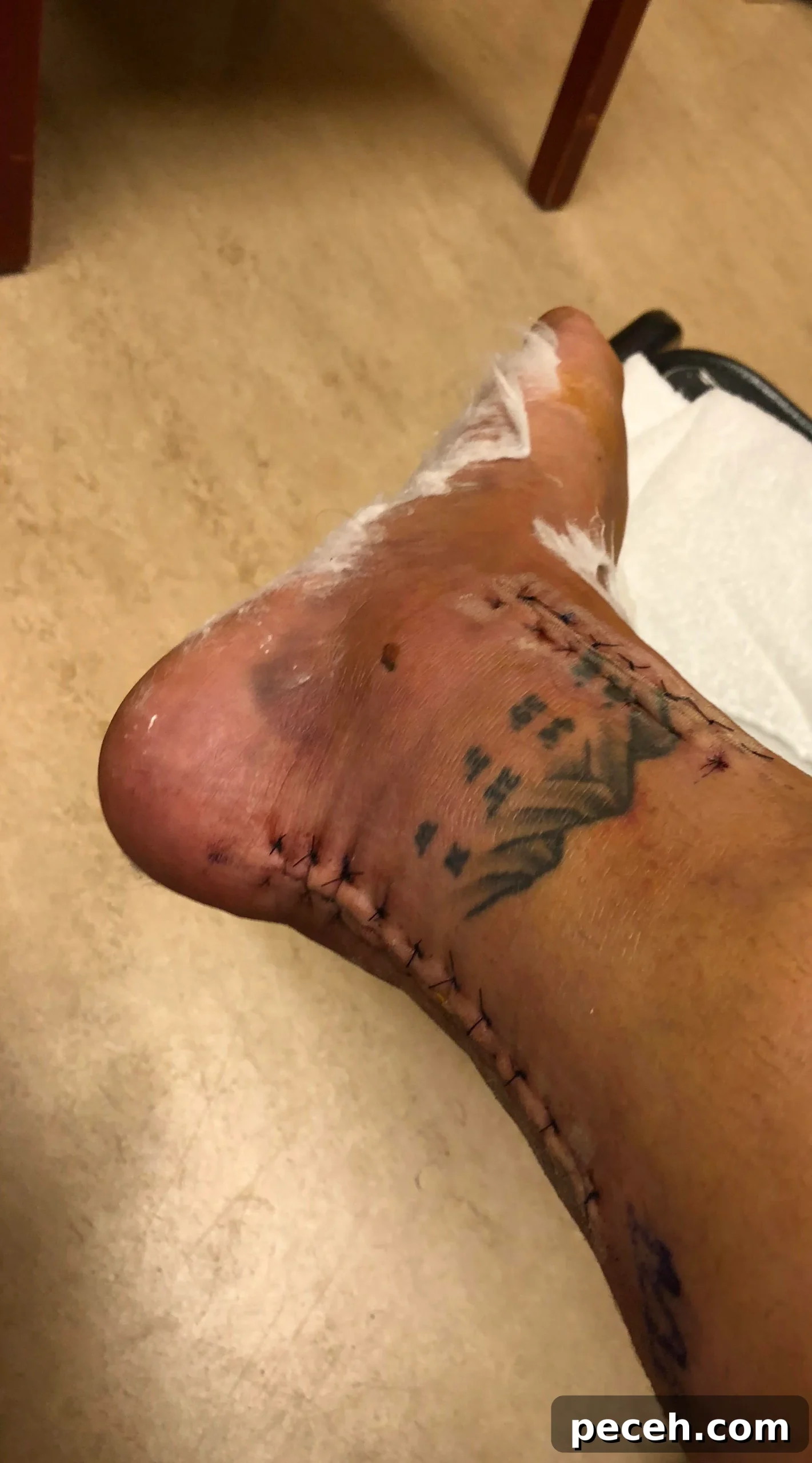
When the nerve block wore off after surgery, it felt like someone had taken a chainsaw to my foot. Pain is an understatement. I was immobilized in a large padded splint that covered three long incisions — one on each side of the ankle and one along the back from the heel up the calf. Inside, my surgeon placed three plates and a dozen screws to reconstruct and stabilize the bones. Ice packs couldn’t reach the ankle under the bulky cast, so they sat under my knee instead.
After My Broken Ankle Surgery
About a week to ten days after surgery the pain eased enough that I could start weaning off narcotics. The hard cast came off on 5/30, the incisions were re-bandaged, and I was fitted with a compression sock and a boot for moving around. Rest and elevation dominated those early days, and once the cast was off I could finally use ice directly on the incision sites, which helped with swelling.
Swelling decreased gradually, but frequent follow-ups were emotionally tough because each visit reminded me how long it would be before I could bear weight and walk again — especially painful with our wedding just two months away. I was told it would be at least six more weeks before weight-bearing, and that timeline felt endless.
Every outing required careful choreography: getting into the car, removing the boot, driving, then repeating the process at the destination. Even simple things like trips to Starbucks became multi-step operations. Energy levels were low; I cried frequently and felt crushed by how much had changed. Tasks that had been second nature — cooking, cleaning, showering — were suddenly impossible without help.
Emotionally, the recovery was brutal. I experienced post-surgical depression, a common response after major orthopedic injuries that limit mobility. Compounding the emotional strain, other family losses and stressful events occurred during that period, and I felt helpless and guilty for not being able to support others. I withdrew from work and social life, struggling with sleep and motivation.
Being limited made me more aware of accessibility challenges others face daily. Every errand required decisions about mobility aids, parking, ramps, and medication. Things most people take for granted, like stepping up to a curb, became logistical puzzles. Still, I tried to focus on small wins: the swelling improved, pain lessened, and I found tiny moments of relief and progress.
Driving, Rehab and Walking After Breaking My Ankle
Getting my stitches out felt like progress. Even though I still couldn’t put weight on the leg, being stitch-free and able to shower without a protective leg cover was freeing — the first genuinely clean shower in weeks. I naively expected that once cleared for full weight-bearing I’d instantly be back to normal. That wasn’t the case: on July 2nd I was cleared to bear weight, but walking required more time and rehab than I had imagined. My surgeon warned, “Just because I say you can walk, doesn’t mean you can walk.”
Driving was one of the freedoms I missed most. My surgeon cleared me to drive once my range of motion and reaction tests looked acceptable, but ultimately I had to judge my own readiness. I practiced gradually — pedals in the driveway, then around the block, then back roads, and eventually the highway. My calf cramped once on the highway due to atrophy from disuse, but it resolved and I regained confidence quickly.
I was allowed gentle activity in the pool, water walking, and light stationary cycling. Physical therapy began and I joined a YMCA to regain strength. Pool sessions were a long, involved process because of the boot, brace, and crutches, but even short water workouts gave me hope and helped rebuild strength. I started with 15 minutes and increased time cautiously while monitoring how the ankle felt the following days.
With full weight-bearing came swelling and pins-and-needles sensations as my circulation and muscles re-engaged. I still needed ibuprofen or Tylenol at night for discomfort, but I returned to sleeping in my own bed and transitioned from two crutches to one crutch and then to a cane. Progress was incremental: more standing time, less pain, and gradual improvement in balance and endurance.
Road to Recovery
After being cleared to bear weight on 7/2, I steadily reduced the assistive devices. On 7/20, our wedding day, I stood long enough to shower standing up without a chair. Within days I stopped using crutches and then the boot and brace, resuming normal stair use by the end of July. A lingering limp remained, but it improved daily.
Fatigue with activity remained a limiting factor — I couldn’t stand for long periods and still needed frequent rest — but my capacity increased over time. I continued to work on balance, strength, and mobility. Simple tasks like getting gas felt like small triumphs, and being able to do more for myself lifted my spirits.
Alongside conventional rehab, I incorporated naturopathic approaches to support healing and will share those details separately. The most important ingredient was time and patience, something I struggled to give myself when I just wanted my old life back. This injury has altered my perspective, deepened my appreciation for health and for the people who supported me, and taught me how much I relied on my independence.
I’m still frustrated about the setbacks and the events I missed, but I’m deeply grateful for Justin, my medical team, friends, and family who helped carry us through. Recovery has been hard, but things are steadily looking up. Thank you to everyone who checked in, brought food, and offered support — it made all the difference.
Timeline of Ankle Surgery Recovery:
5/16 Broke ankle, couldn’t walk
5/22 Ankle surgery and placed in a hard cast
5/30 Hard cast removed; incisions re-bandaged; compression sock and boot fitted
6/24 Stitches removed
7/2 Cleared to be full weight-bearing (FWB); began PT and light exercise (stationary bike, swimming)
7/5 Driving practice in the driveway and around the block
7/7 Highway driving on my own
7/14 Walking a few steps with boot and brace; still using crutches and scooter for longer distances
7/20 Able to shower standing up without a shower chair; decreased reliance on brace/boot
7/22 Using boot and brace to walk
7/25 Walking unaided without brace and boot, with a limp
7/31 Navigating stairs normally rather than one step at a time
8/13 Walking with a barely noticeable limp
9/30 Walking normally with no pain; swelling only after significant activity
10/20 Spent 12 days walking around Europe with little to no issues
11/10 Final follow-up appointment with surgeon
04/15 (upcoming) First post-injury solo international trip to Switzerland to hike