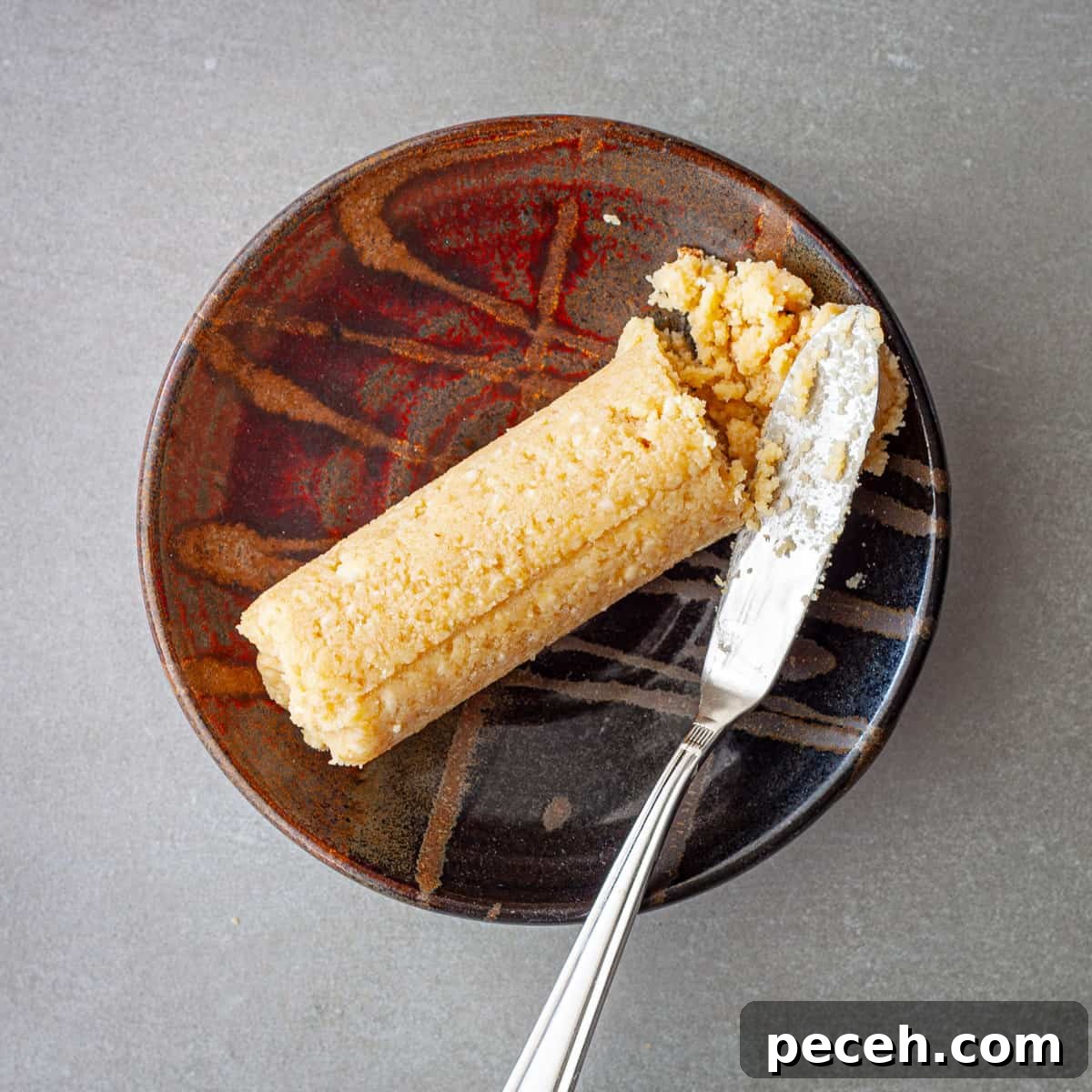
This umami-rich homemade Miso Butter brings savory depth to roasted salmon, seared steak, grilled chicken, steamed vegetables and even toasted crusty bread. It’s an effortless recipe that yields a sweet, fruity and salty compound butter with wide culinary uses.
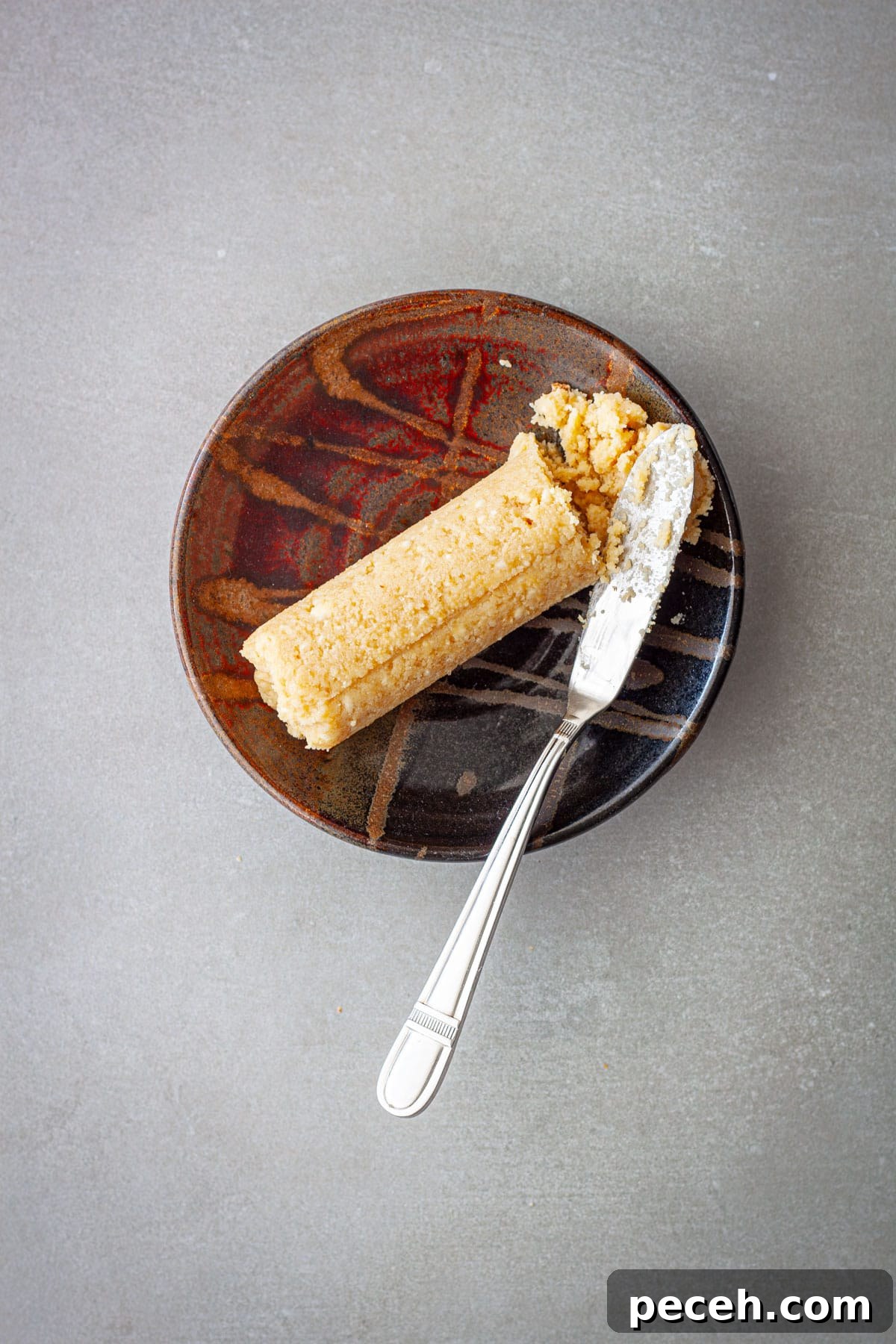
Miso butter is simply softened unsalted butter blended with miso paste. Despite using only two ingredients, the result is intensely flavorful and versatile.
A little food science explains why this works so well. Miso is a fermented soybean paste made from soybeans, salt and koji (and sometimes grain). Its thick, paste-like texture and complex flavor profile—salty, sweet, fruity, earthy and a little funky—deliver concentrated umami. The butter contributes a creamy, rich mouthfeel and helps coat the tongue, which amplifies and lengthens the miso’s flavors. Together, they form a buttery spread that tastes salty, sweet and deeply savory—perfect stirred into pasta, brushed on roast salmon or melted over a grilled steak.
[feast_advanced_jump_to]
Ingredients that Matter
With only two main ingredients, choosing the right ones matters. For this recipe you’ll need:
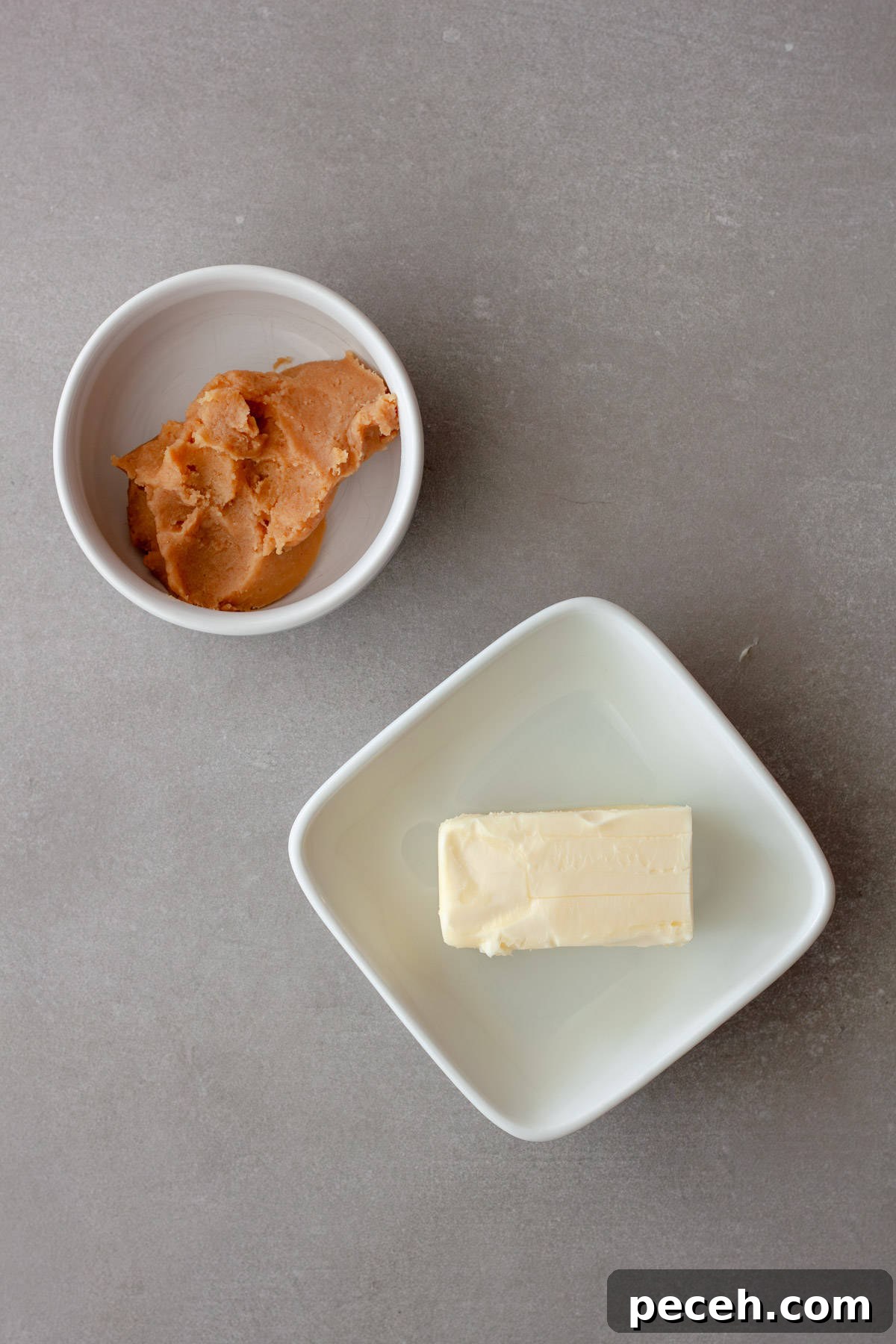
- Miso. Often labeled soybean paste, miso is sold refrigerated near tofu and other Asian ingredients. Common types are white (shiro) and red (aka). White miso is milder, slightly sweet and fruity; red miso is stronger and more pungent. For a balanced, subtle finish, use white miso.
- Butter. Use unsalted butter so you control the salt level. A quality American butter works well; if you prefer, use higher-fat European-style butter for a richer finish.
See the recipe card below for exact quantities.
Instructions
Follow these simple steps to make miso butter:
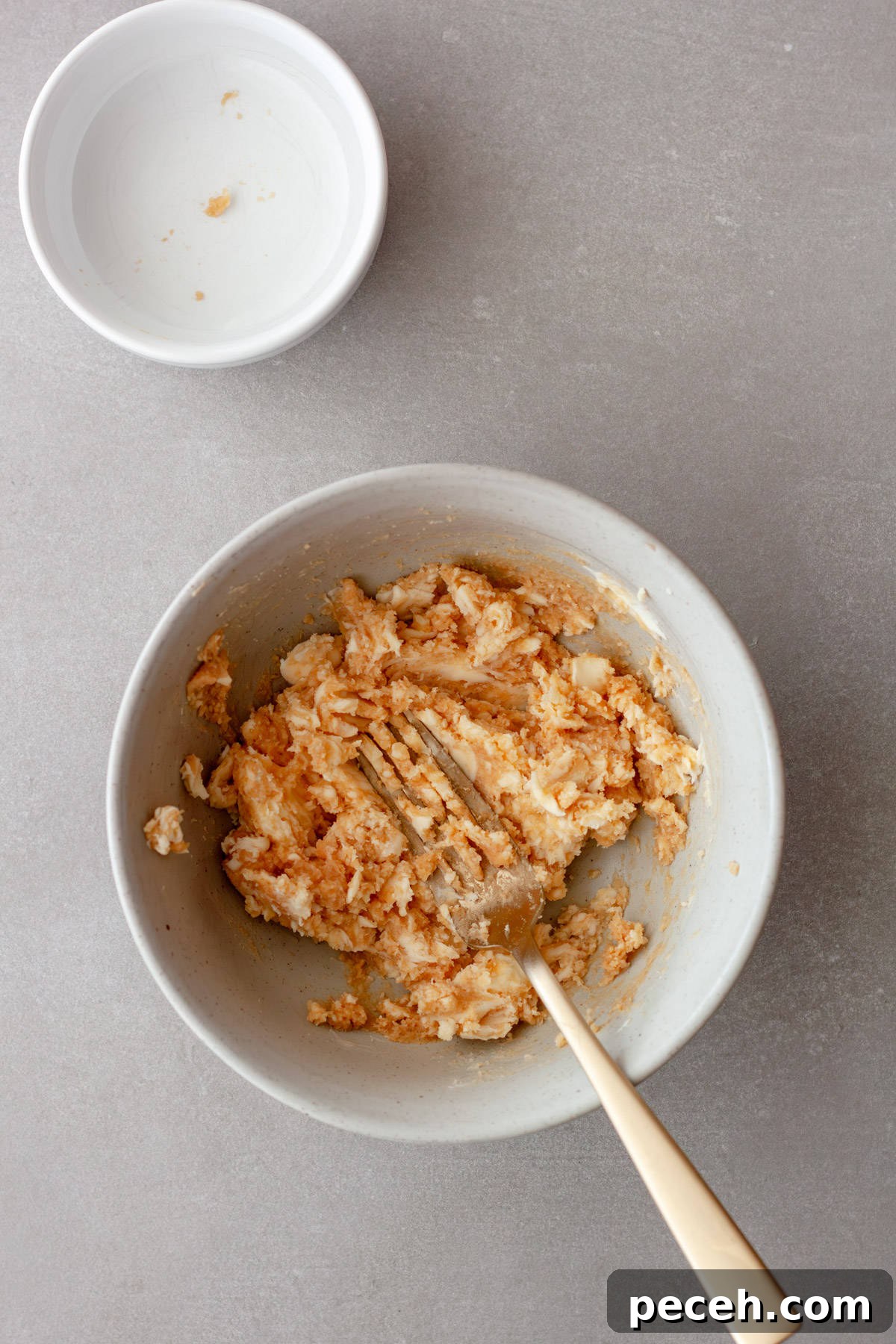
Start with softened (room temperature) unsalted butter in a medium bowl. Lightly mash the butter with a fork, then add the miso.
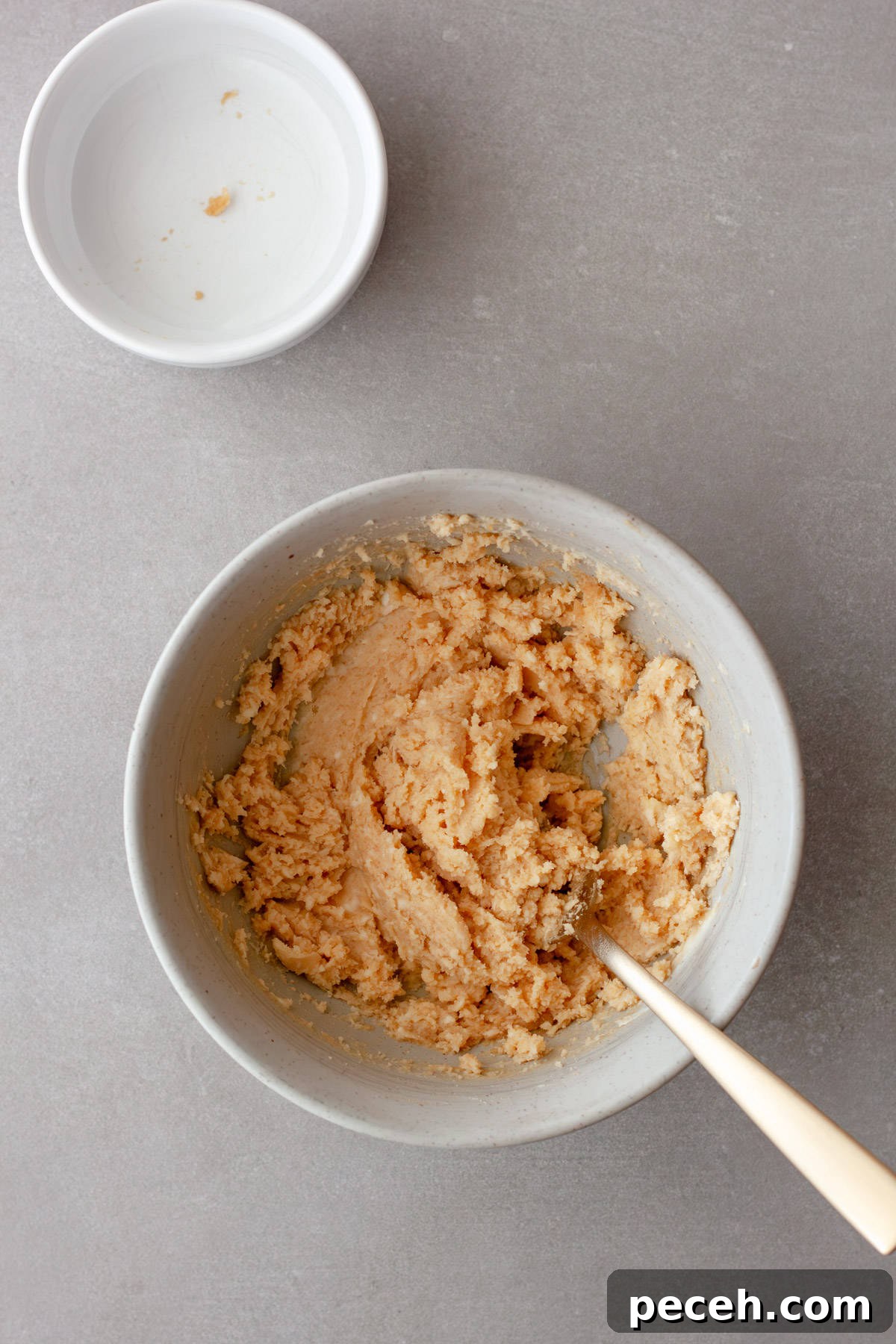
Stir the miso and butter until smooth and cohesive. A fork works fine; you can also use a hand mixer or stand mixer on low. Aim for a uniform spread without large lumps of cold butter.
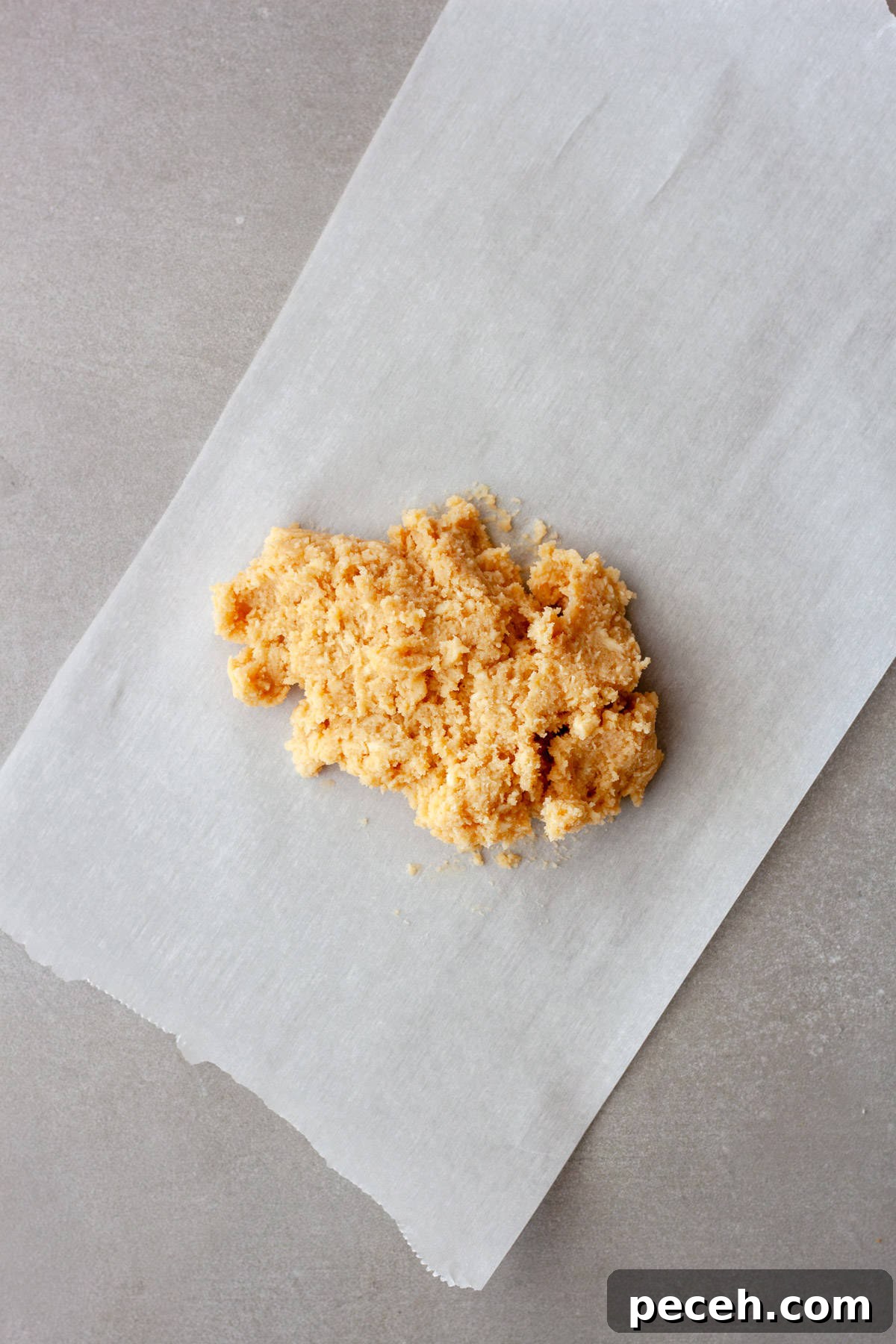
To store, place the finished compound butter into an airtight container or form it into a log on parchment paper. Use your hands or a fork to shape the mixture into a rough cylinder, then roll the parchment around it.
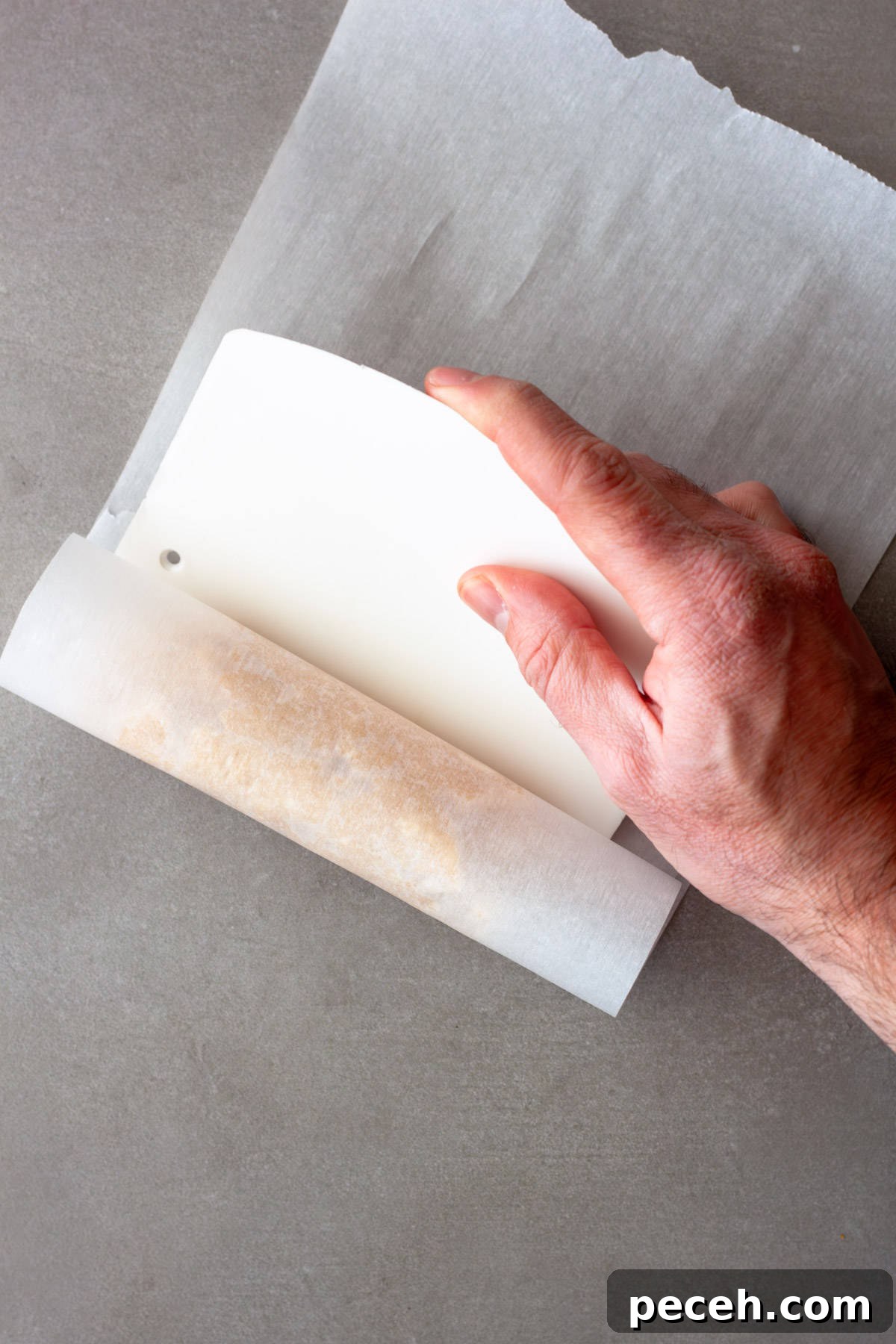
Use a bench scraper to tighten the log: press the scraper against the roll while pulling the parchment back. Continue until the log is compact and smooth.
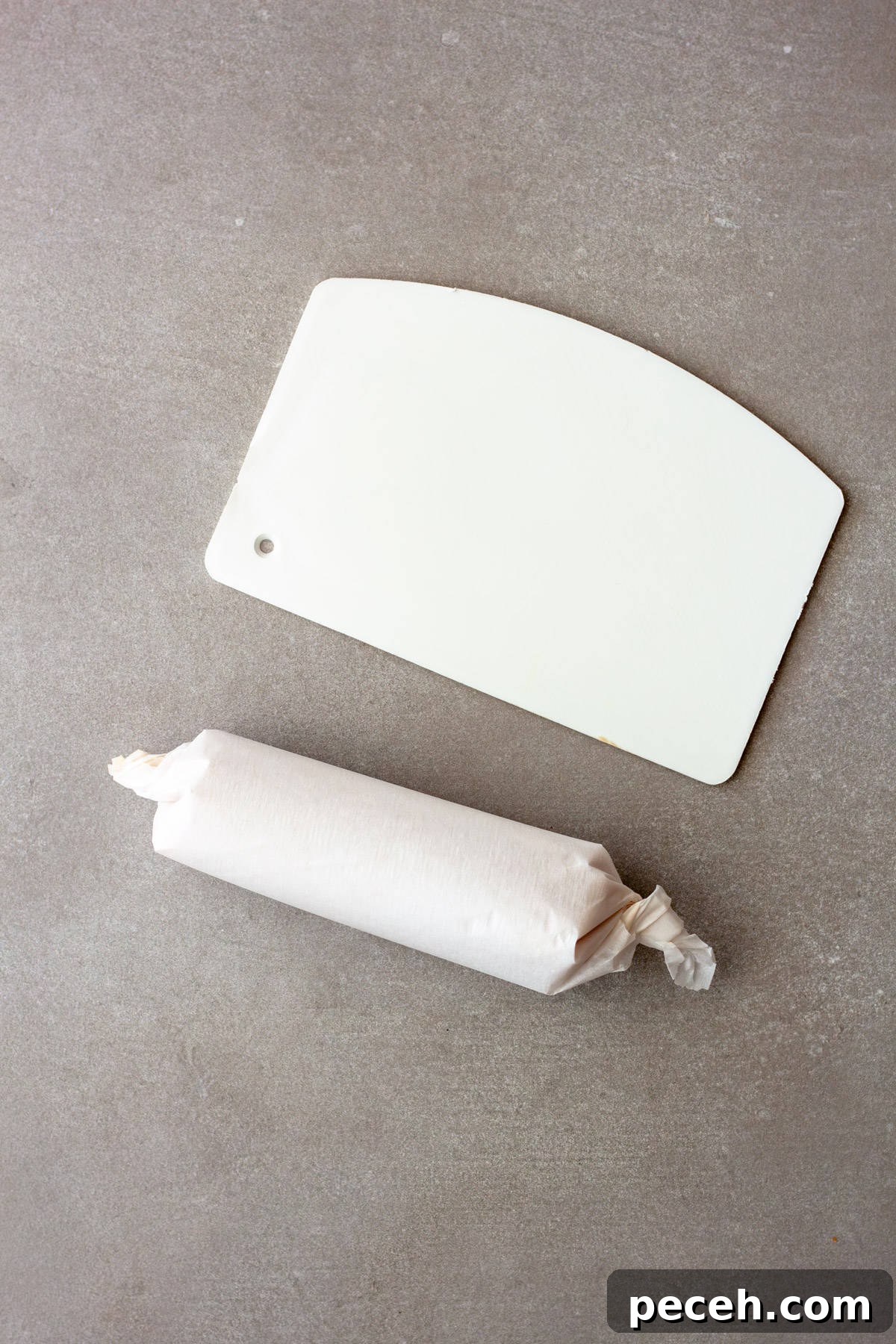
Seal the ends of the parchment and, for extra protection, wrap the log in plastic wrap. Store chilled.
Hint: The key step is using room-temperature butter. If it’s too cold the mixture will be lumpy and difficult to combine.
Modifications
This miso butter is easy to tweak. The base ratio is two parts butter to one part miso (e.g., 4 tablespoons butter to 2 tablespoons miso). For a milder spread, reduce miso to 1/2 tablespoon per 2 tablespoons butter. Other variations:
- Garlic – Mix in one fresh minced clove or a spoonful of roasted garlic for extra savory depth.
- Herbs – Finely chopped scallions, chives or parsley add freshness. Note: herbs will change the butter’s color.
- Vegan or Dairy-Free – Replace dairy butter with a plant-based butter that is soft at room temperature to make a vegan version.
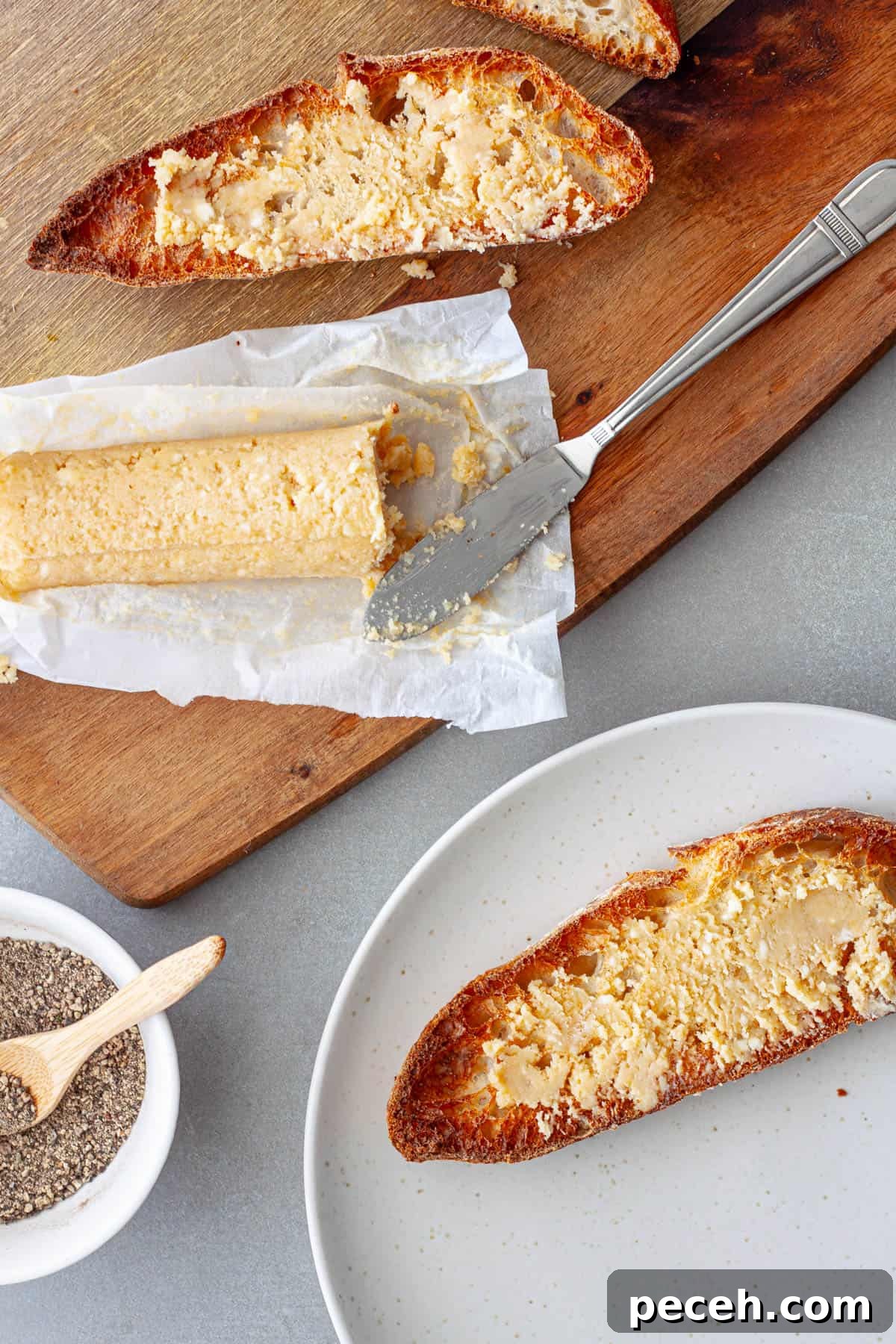
Serving Suggestions
Treat this compound butter like any flavored butter: melt a slice over grilled steak, toss a spoonful with steamed greens, or stir into pasta to add umami. It brightens roasted vegetables and is excellent on salmon, broccolini or roasted cauliflower. It also pairs nicely with roasted potatoes, seared green beans or caramelized mushrooms. A small amount goes a long way—use it to finish dishes or to add depth while cooking.
Because the miso flavor persists, a little miso butter can transform simple sides into memorable dishes.

How to Soften Butter
If your butter is straight from the fridge, soften it quickly by placing the wrapped stick in a warm glass of water for a few minutes. Keep it wrapped so it doesn’t absorb water; if it gets slightly damp, blot with a paper towel. This brings butter to a workable consistency without melting it.
Miso Health Benefits
Miso contains beneficial fermented cultures that support gut health and provides protein, vitamins such as A and K, and amino acids. These qualities give miso functional-food status for contributing to overall nutrition when enjoyed as part of a balanced diet.
Storage
Refrigerate miso butter in parchment wrapped and plastic-wrapped form or in an airtight container for up to two weeks. Because miso is a refrigerated product, keep the compound butter chilled. Freeze it tightly wrapped for up to one month; thaw overnight in the refrigerator before using.
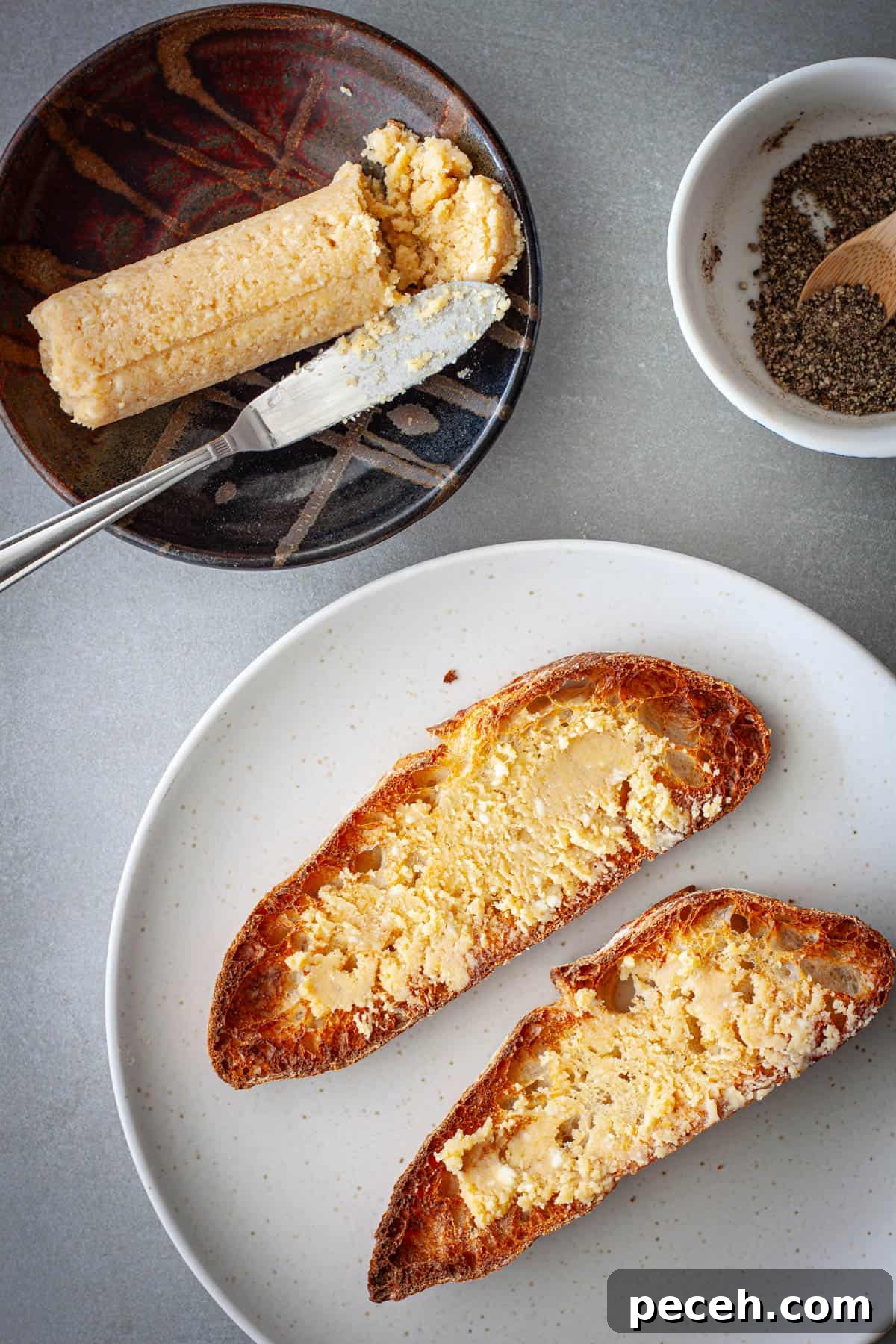
Top tip
Miso butter remains pleasantly spreadable from the fridge thanks to the miso. Try it on toast with a spoonful of jam for an unexpectedly delicious contrast of flavors.
FAQ
Yes. Stored in the refrigerator it will keep for a couple of weeks; frozen, it will last about a month.
Miso butter is made from miso paste—usually white miso—and unsalted butter mixed until smooth.
Yes. Use a softened plant-based butter to make a dairy-free or vegan version.
Sides
If you’re pairing this miso butter, consider simple sides that will benefit from umami: spinach and arugula salad, gouda mac and cheese, honey-roasted carrots or roasted bok choy.
Dinner Ideas
For main courses to serve with miso butter, think roasted chicken leg quarters, braised beef sliders, citrus-soy braised chuck roast or a bright cherry tomato spaghetti sauce.
Recipe
Miso Butter Recipe
No reviews
- Author: Adam Dolge
- Total Time: 5 minutes
- Yield: 6 Tbsp
Description
This umami-forward compound butter is quick to make and enhances a wide range of dishes with sweet, fruity and savory notes.
Ingredients
- 4 Tbsp unsalted butter, softened
- 2 Tbsp white miso
Instructions
- Place softened butter in a medium bowl and mash lightly with a fork. Add miso paste and continue mashing and stirring until the mixture is cohesive and mostly smooth. Transfer to an airtight container or form into a log on parchment and chill. Use as you would other compound butters to finish or flavor vegetables, seafood, meat or starches.
Notes
- To form a log: place the butter on parchment, shape it into a cylinder, wrap the parchment around it, and tighten the log with a bench scraper. Wrap in plastic to seal.
- Mixing can be done by hand, with a handheld mixer, or in a stand mixer.
- Prep Time: 5 minutes
- Cook Time: 0 minutes
- Category: Sides
- Method: No Cook
- Cuisine: Japanese/American