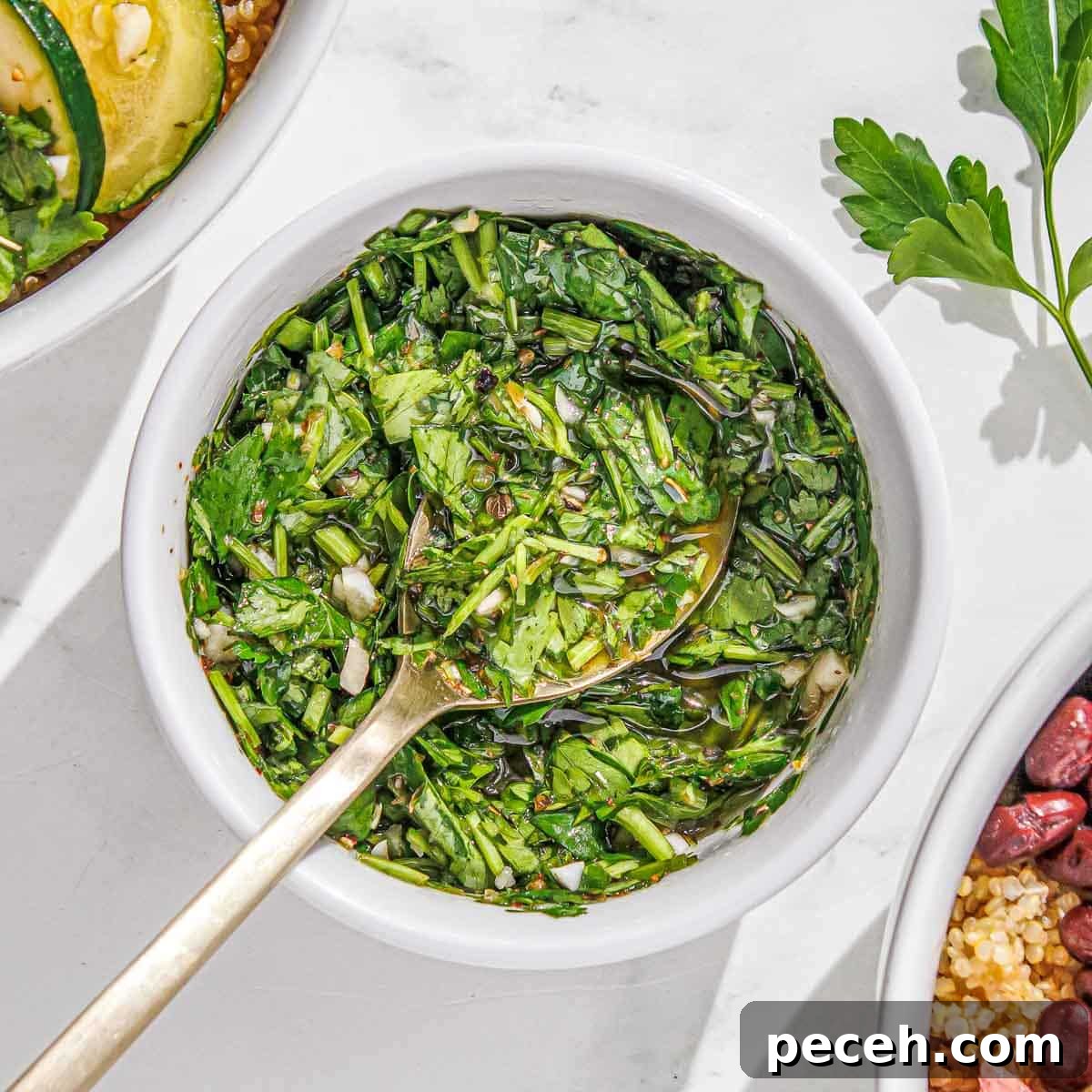
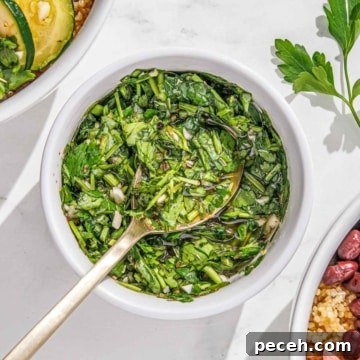
This cilantro chimichurri with parsley is a bright, herb-forward sauce that works as a marinade, condiment, or dressing. Use it to finish grilled meats, spoon it over tacos, toss it with roasted vegetables, or stir a little into grains for an instant flavor boost.
Why you’ll love this chimichurri recipe
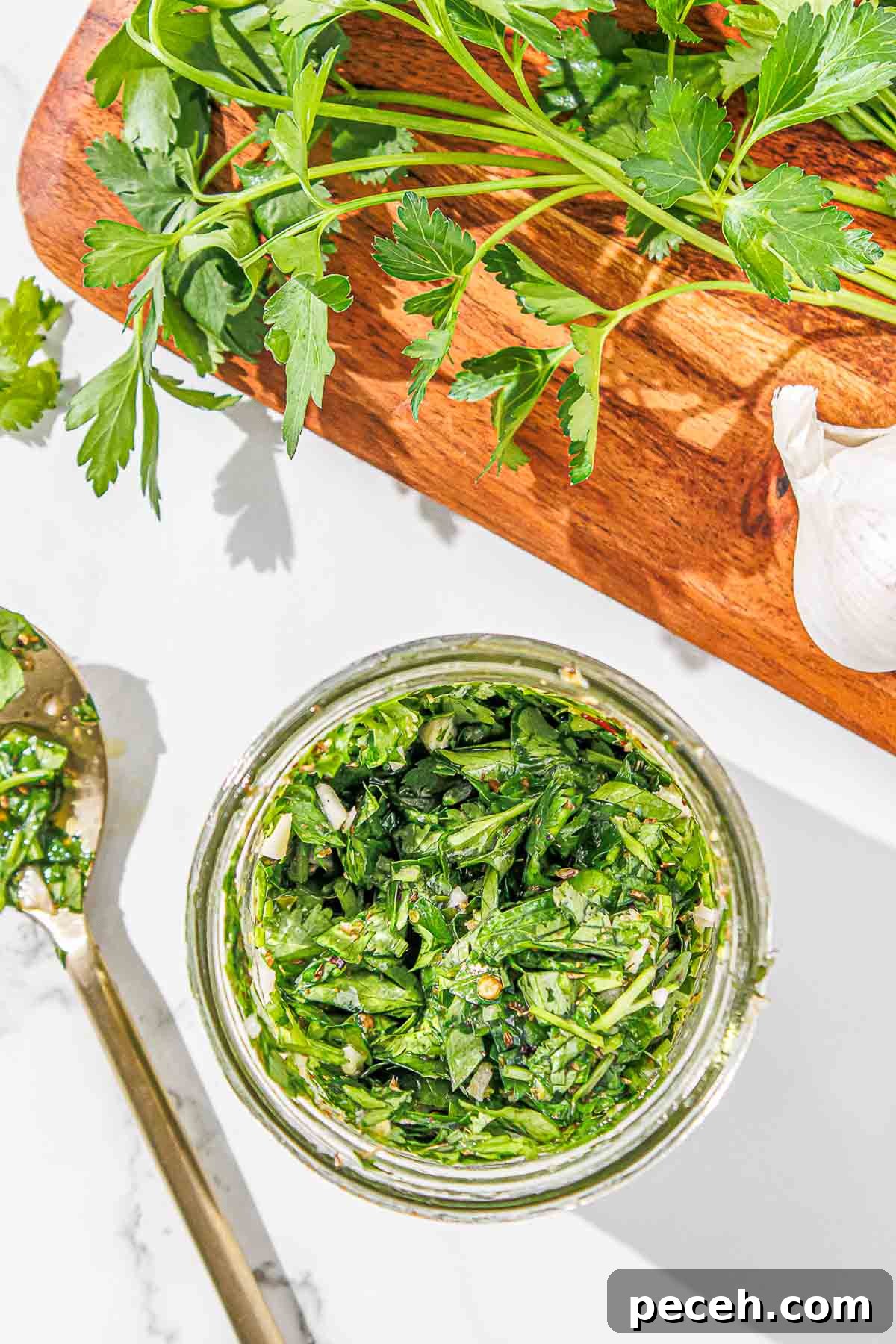
This version combines fresh parsley and cilantro for a bright, vibrant sauce with a little heat and plenty of garlic. It elevates simple weeknight meals and also shines on special-occasion grills. The ingredients are straightforward, the technique is quick, and you can adjust texture from silky to rustic depending on whether you blend or chop by hand.
Although traditional Argentinian chimichurri typically omits cilantro, adding it here deepens the herbaceous quality and gives the sauce a fresh, lively character. Use a food processor, immersion blender, or chop everything finely by hand—each method gives a slightly different but delicious result.
What you’ll need for chimichurri with cilantro
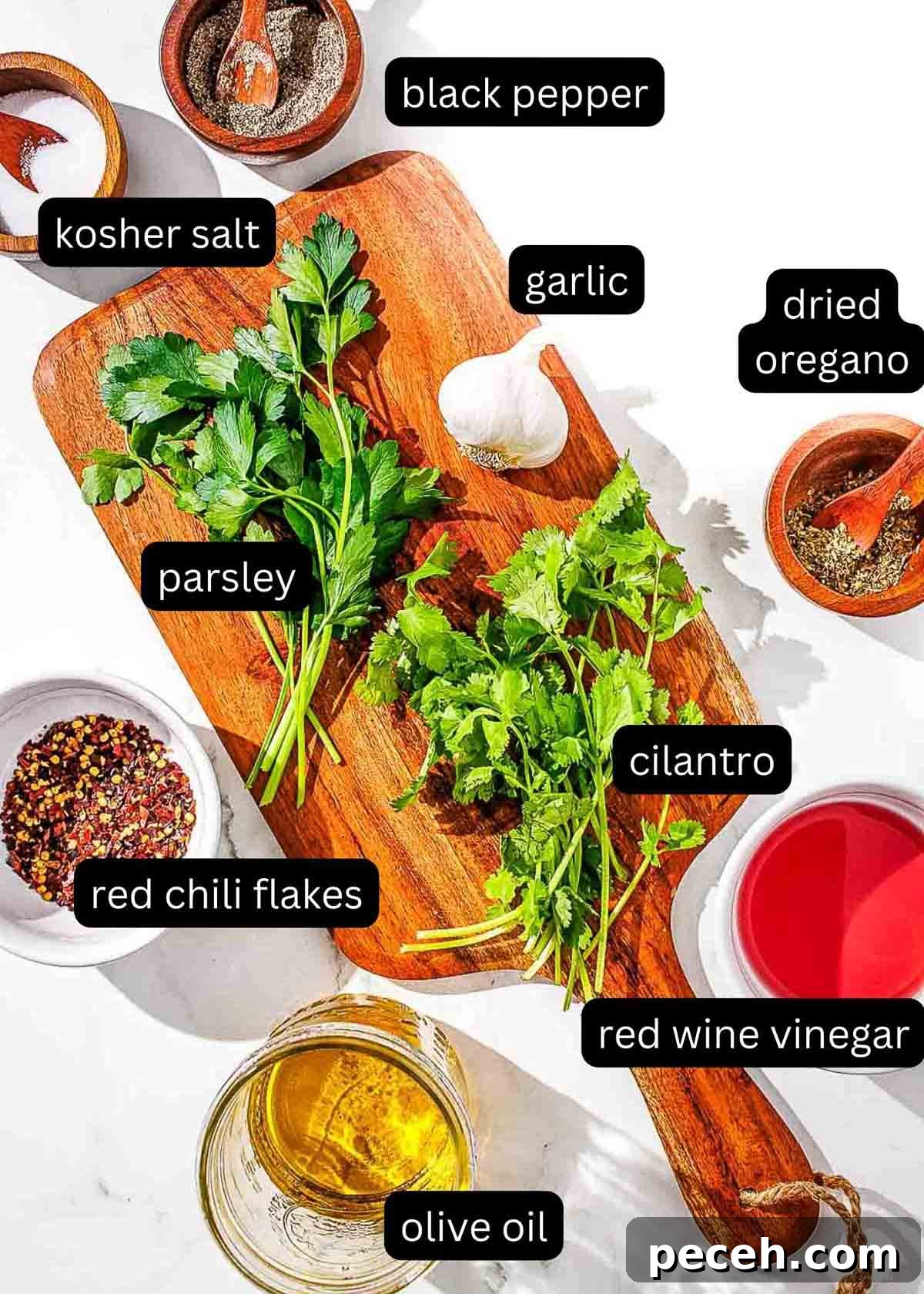
Parsley: Flat-leaf (Italian) parsley is preferred for ease of chopping and measuring, but curly parsley will work.
Cilantro: Use fresh cilantro leaves and tender stems; rinse and dry thoroughly to remove grit.
Dried oregano: Adds a savory depth; fresh oregano can be used if available.
Garlic: Fresh cloves provide the best flavor; minced or pressed into the sauce.
Red pepper flakes: A pinch or two for mild heat; increase to taste.
Extra-virgin olive oil: A good-quality oil complements the simple ingredient list.
Red wine vinegar: Gives brightness and acidity; white wine or apple cider vinegar can be substituted.
Kosher salt and black pepper: To taste; freshly ground pepper is recommended.
Recommended equipment
Basic tools are a cutting board and a sharp knife. For a smooth or more emulsified chimichurri, use a food processor, mini processor, or immersion blender. For a rustic texture, prepare everything by hand and whisk to combine.
How to make cilantro chimichurri
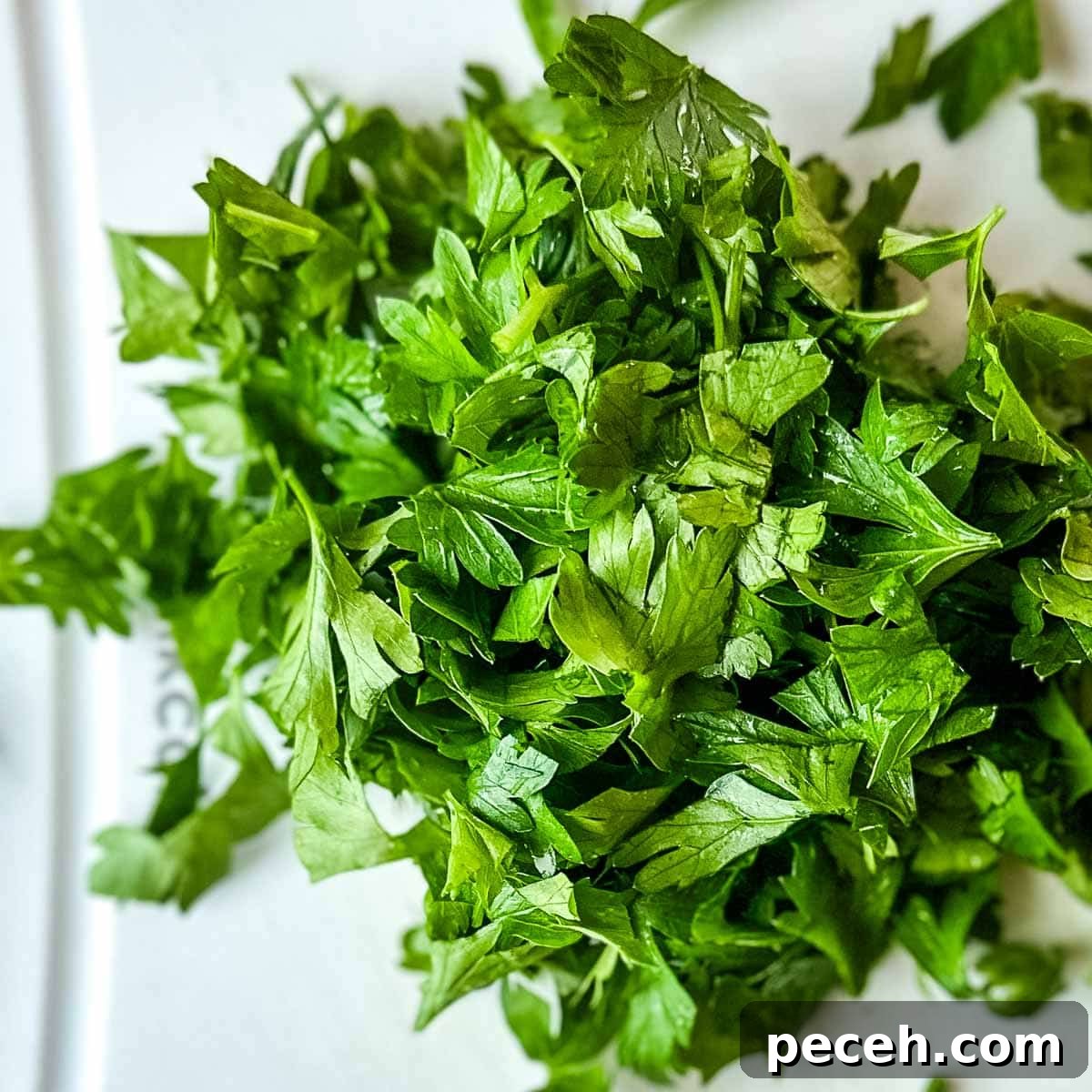
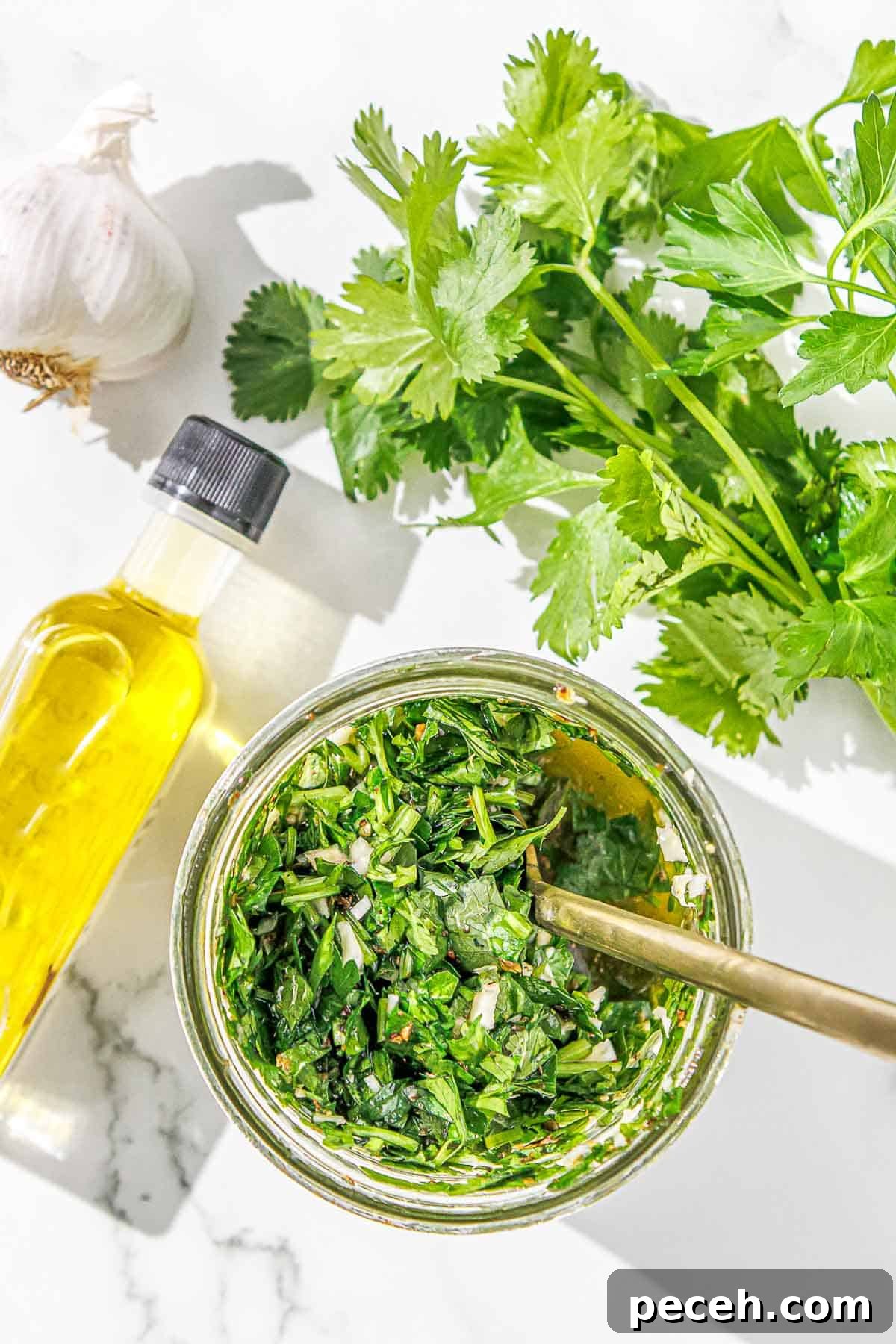
Step one: Finely chop the parsley and cilantro if working by hand. If using a blender or processor, a rough chop is sufficient.
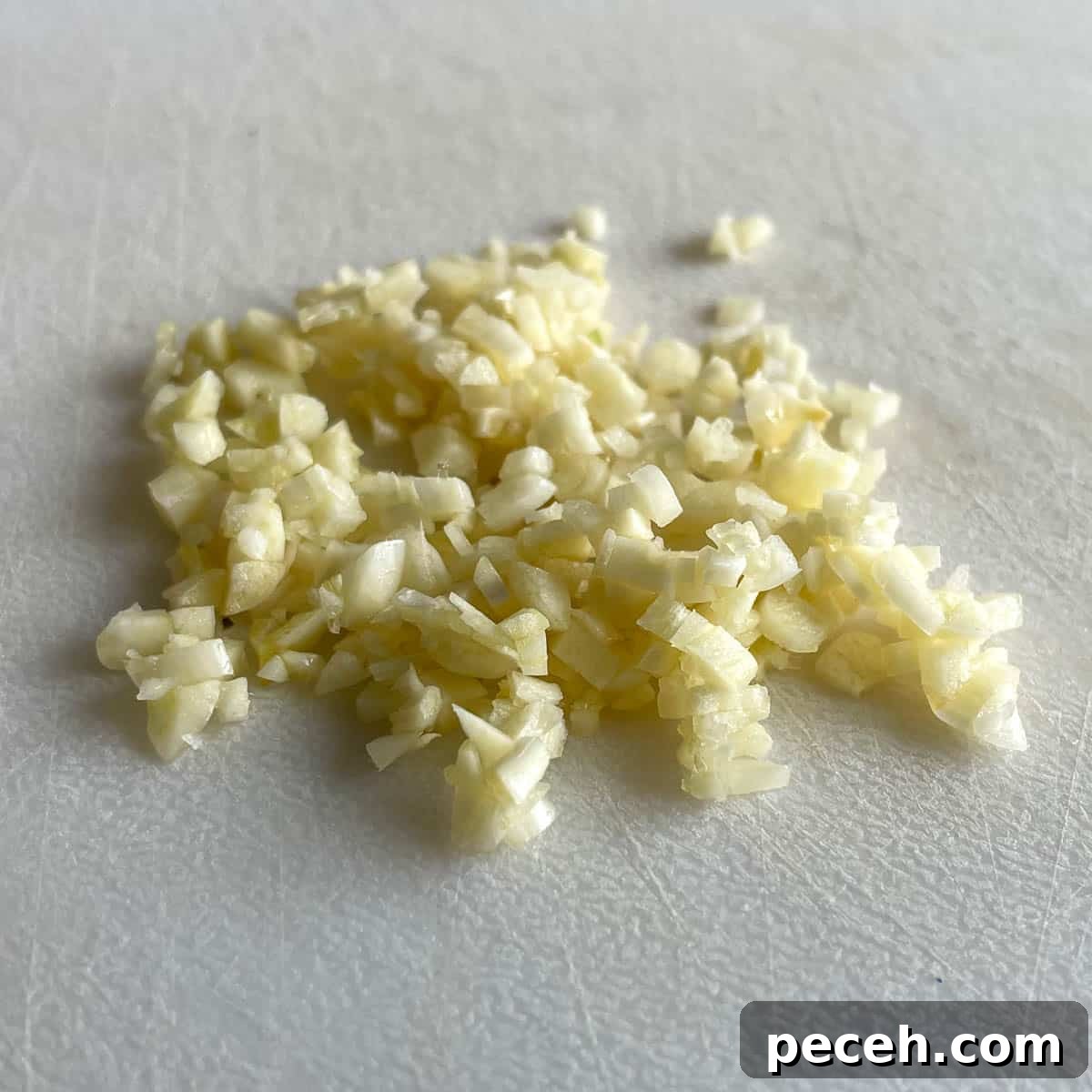
Step two: Mince the garlic finely; this ensures it distributes evenly and doesn’t overpower a single bite.
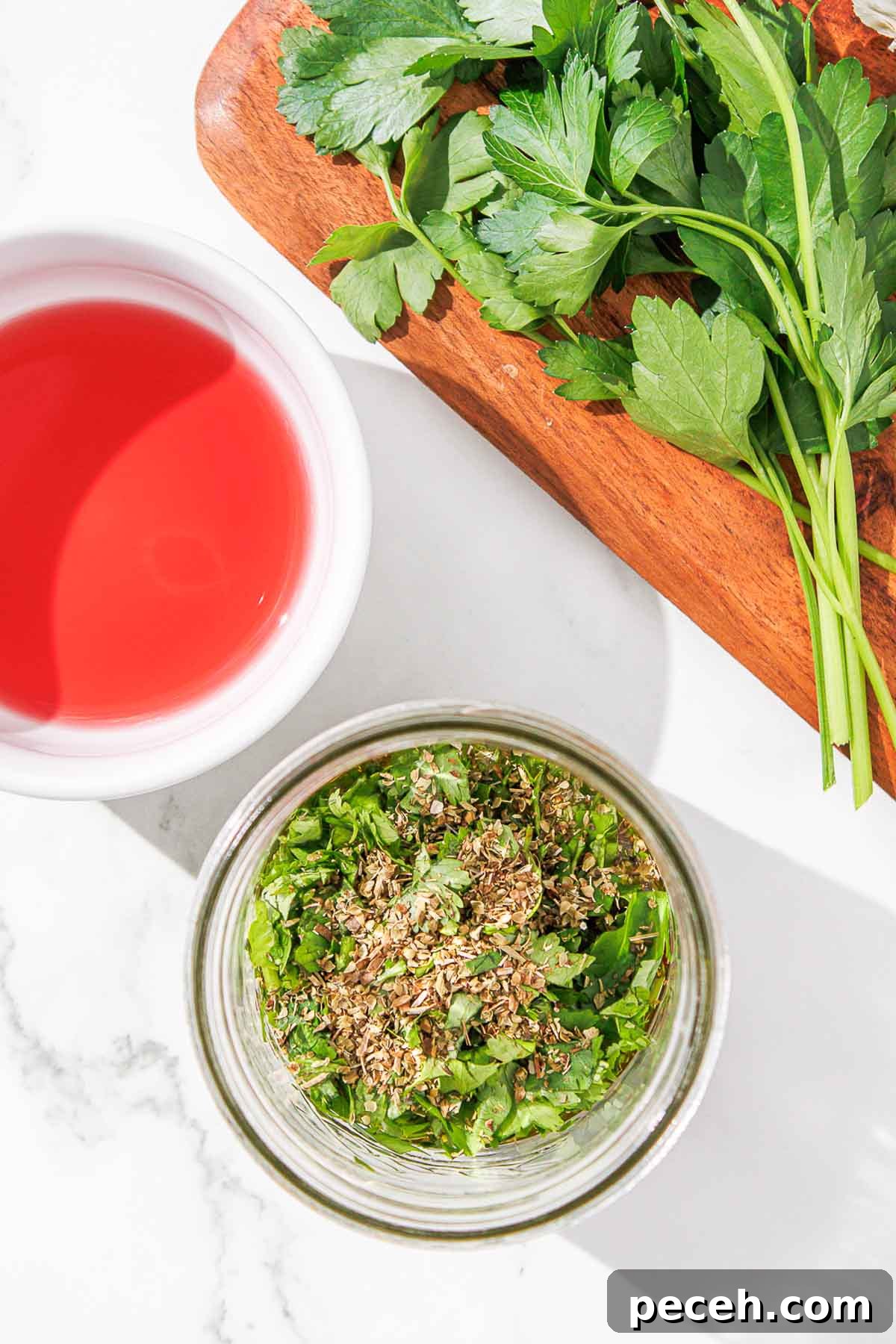
Step three: Combine herbs, garlic, oregano, vinegar, oil, red pepper flakes, salt, and pepper. In a food processor or blender, pulse until chopped and the oil and vinegar are emulsified. For a chunkier chimichurri, stir everything together by hand.
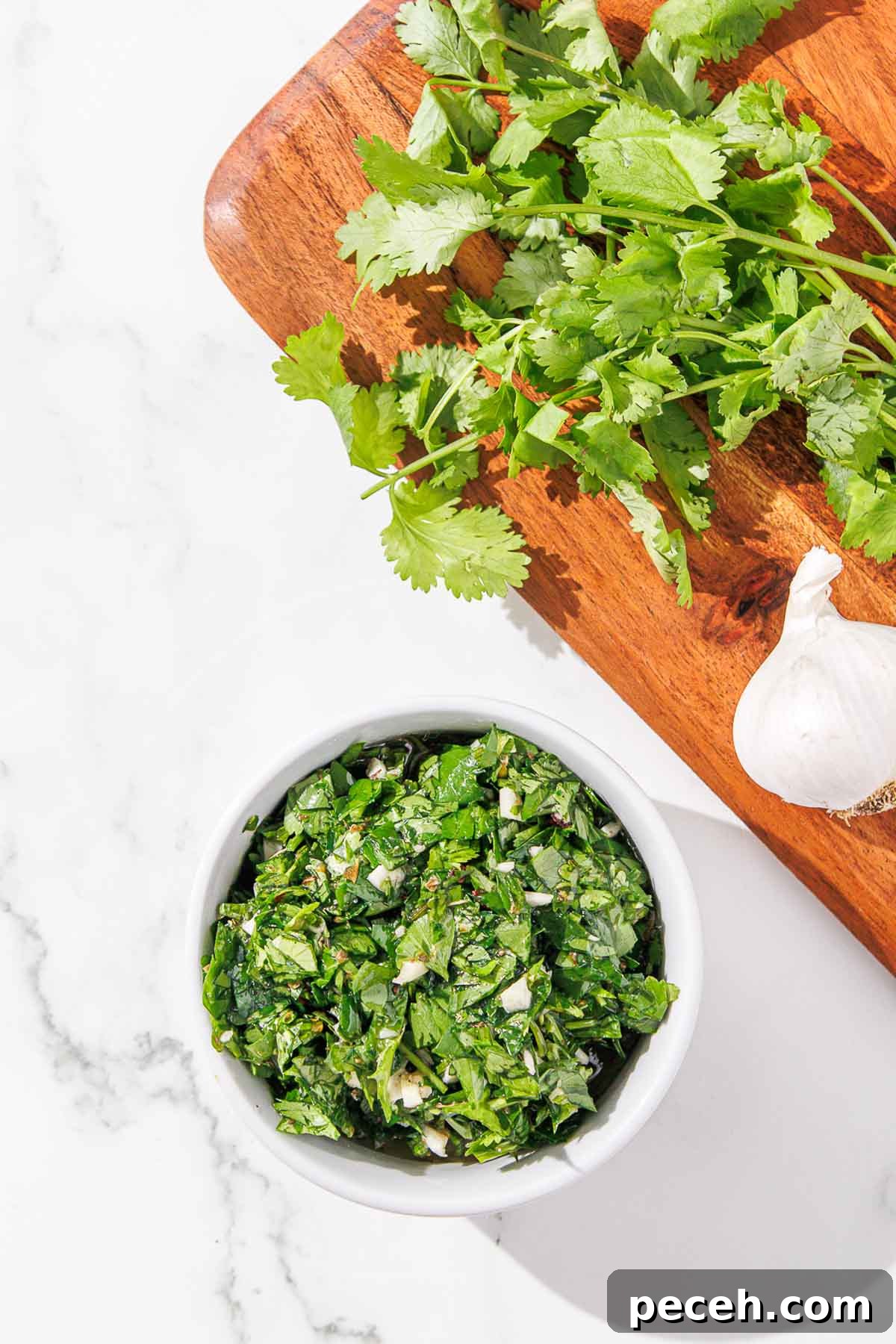
Step four: Taste and adjust seasoning. Let the sauce rest for at least 10–15 minutes so the flavors meld, or serve immediately if you prefer.
Variations and substitutions
Fresh oregano: Swap dried oregano for fresh if you have it for a brighter herb flavor.
Lime juice: A squeeze of fresh lime adds a citrusy brightness that pairs well with cilantro.
Shallot or red onion: Finely minced shallot or red onion can add sweetness and complexity; chop very finely so it blends into the sauce.
Different vinegar: White wine or apple cider vinegar will work in place of red wine vinegar for a slightly different tang.
Storage and reheating
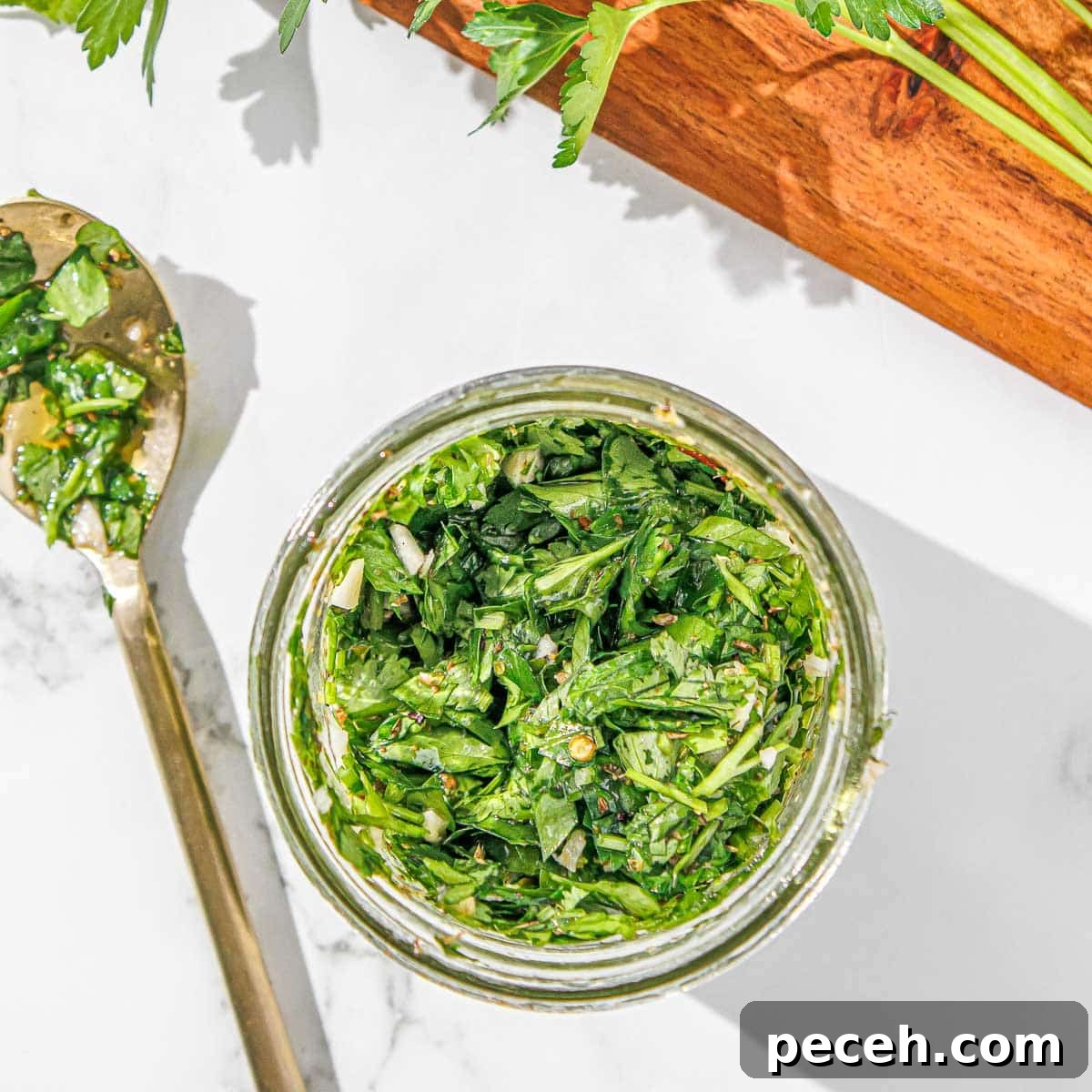
Fridge: Store chimichurri in an airtight container in the refrigerator for up to two weeks.
Freezer: Freeze in ice cube trays, then transfer frozen portions to a freezer-safe bag. Use within three months.
Reheating: This sauce is served cold or at room temperature. If you prefer it less chilled, let a jar sit at room temperature for about 30 minutes before serving.
Frequently asked questions (FAQs)
Traditional chimichurri is typically parsley-based without cilantro. This version keeps the classic profile but adds cilantro for an herbier, fresher taste.
Chimichurri is herbaceous, tangy, and savory with richness from olive oil and a touch of heat from red pepper flakes.
Both are herb-based sauces with oil and garlic, but pesto is richer and often uses nuts and cheese, while chimichurri is brighter, more acidic, and usually spicier.
How to serve
Chimichurri is versatile. Here are popular uses:
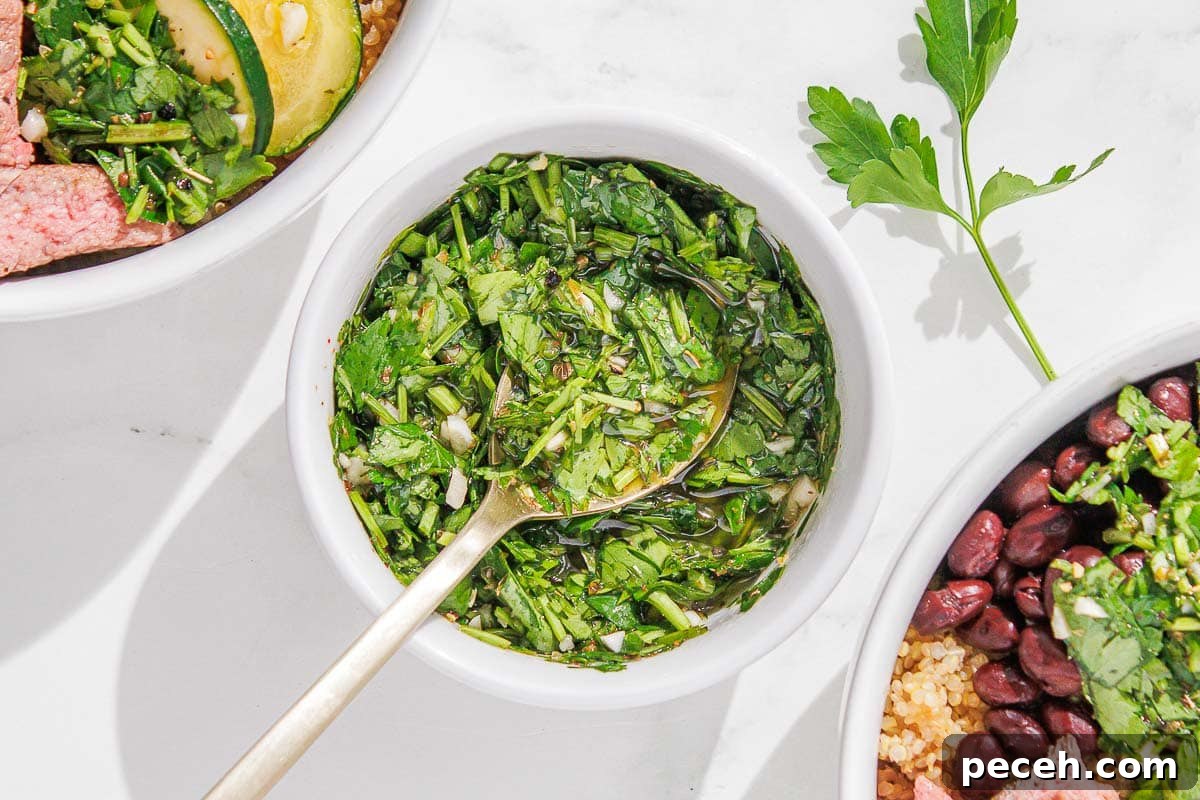
Steak: Spoon over grilled steak or steak tacos—skirt and flank steaks are excellent with this sauce.
Chicken and fish: Drizzle over simply cooked chicken or fish to add a fresh, herby finish.
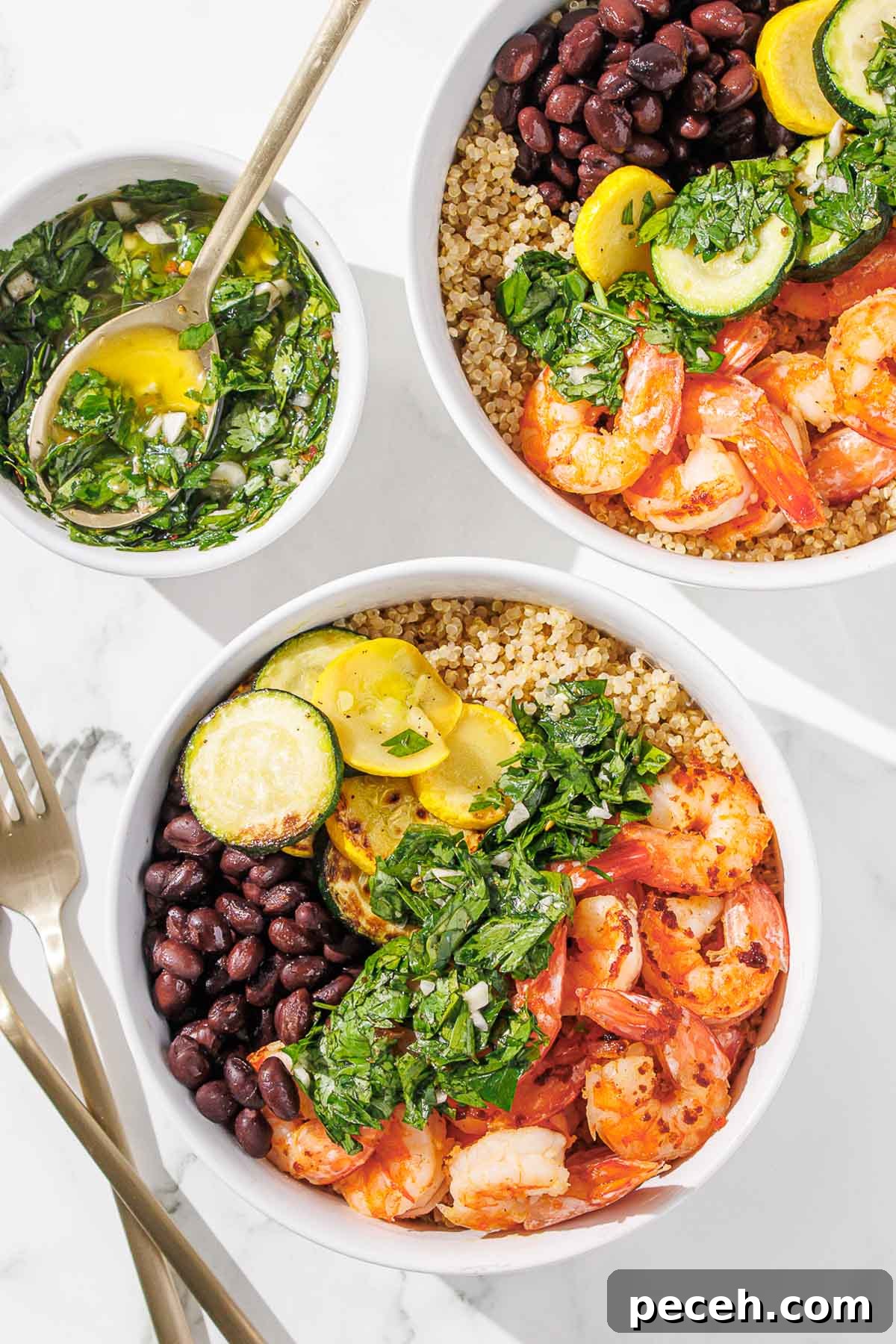
Grilled vegetables: Toss with grilled zucchini, summer squash, or peppers for a flavorful side.
Tacos and bowls: Use as a bright topping for tacos, grain bowls, or salads.
Dip or spread: Serve as a dip for crusty bread or mix with mayonnaise for a chimichurri aioli.
Expert tips
- Scale easily: This recipe doubles or triples well for larger groups.
- Use a sharp knife: When chopping by hand, a sharp knife saves time and improves safety.
- Taste and adjust: Always taste before serving and adjust salt, acid, or heat to your preference.
Did you make this recipe? Leave a comment and rating where you found the recipe, or share how you served your chimichurri.
More condiment recipes to try
-
The Best Lobster Ravioli Sauce
-
How to Make Chimichurri Butter
-
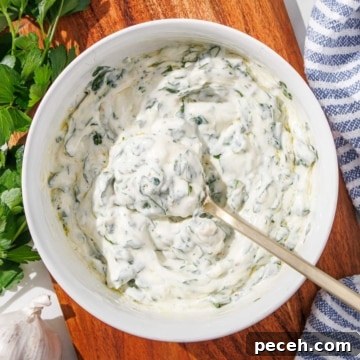
Chimichurri Aioli Recipe
-
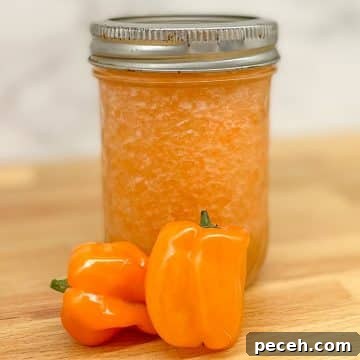
Pineapple Habanero Sauce

📖 Recipe
Chimichurri with cilantro
Equipment
- Cutting board
- Sharp kitchen knife
- Food processor, mini processor, or immersion blender (optional)
Ingredients
- 1 cup flat-leaf parsley, packed
- 1/2 cup cilantro leaves and tender stems, packed
- 2–3 cloves garlic, minced
- 2 tablespoons red wine vinegar
- 1/2 cup extra-virgin olive oil
- 1 teaspoon dried oregano
- 1/2 teaspoon red pepper flakes, or to taste
- Kosher salt and black pepper, to taste
Instructions
Blender, food processor, or immersion blender
- Mince the garlic and roughly chop the herbs. Add all ingredients to a food processor or blender, or place in a tall glass jar if using an immersion blender.
- Pulse or blend until herbs are finely chopped and the oil and vinegar look emulsified.
- Taste and adjust salt, vinegar, or red pepper flakes as needed.
- Let rest for a few minutes to allow flavors to meld, or serve immediately.
By hand
- Finely mince garlic and herbs. Combine all ingredients in a bowl and whisk until oil and vinegar are combined.
- Adjust seasoning to taste.
- Let sit briefly to meld flavors or serve right away.
Notes
General: For a more traditional chimichurri, omit the cilantro and increase the parsley.
Storage: Refrigerate in an airtight container up to 2 weeks. Freeze in portions for up to 3 months.