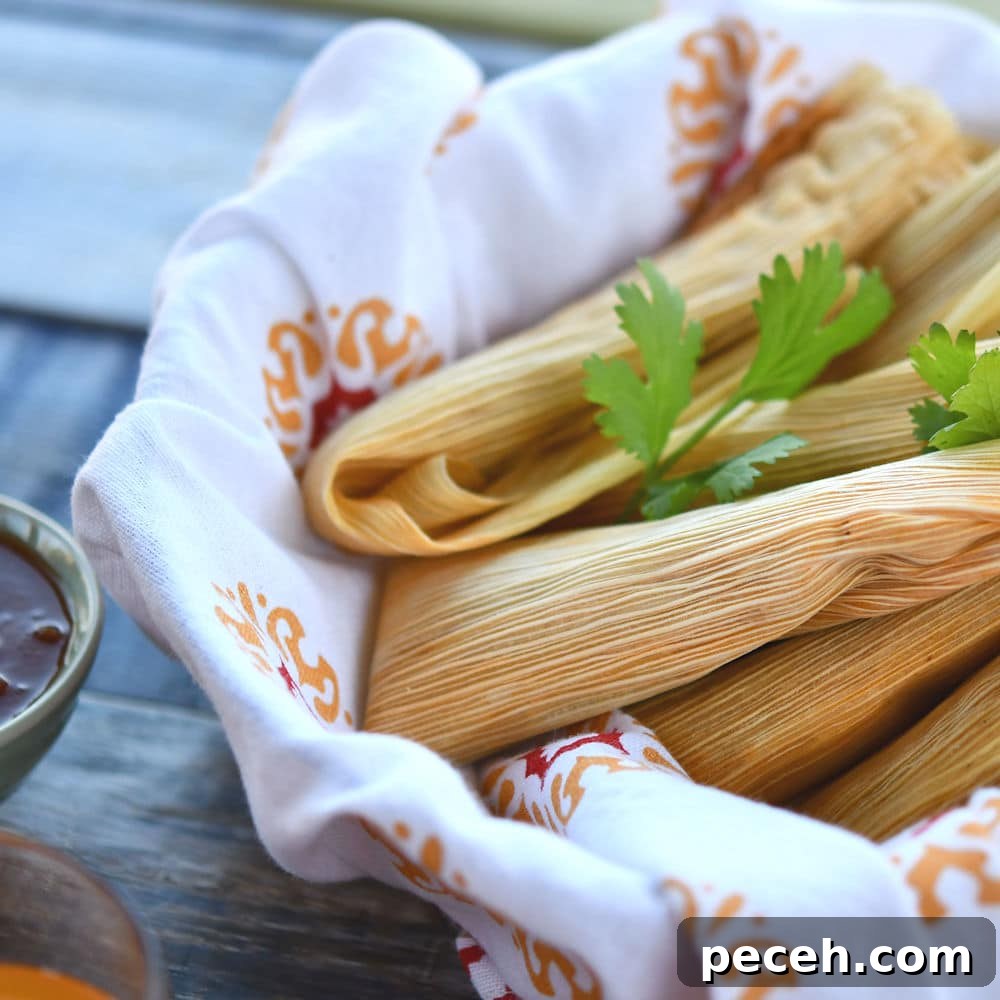
Making tamales is easy when you break it down into five steps. From classic pork tamales to creative fillings, this guide will help you make delicious tamales at home. Embrace the process and enjoy the results!
Tamales are tender parcels of corn-based masa filled with savory or sweet fillings like seasoned meat, beans, vegetables, or cheese. They take some time, but the steps are simple and rewarding.
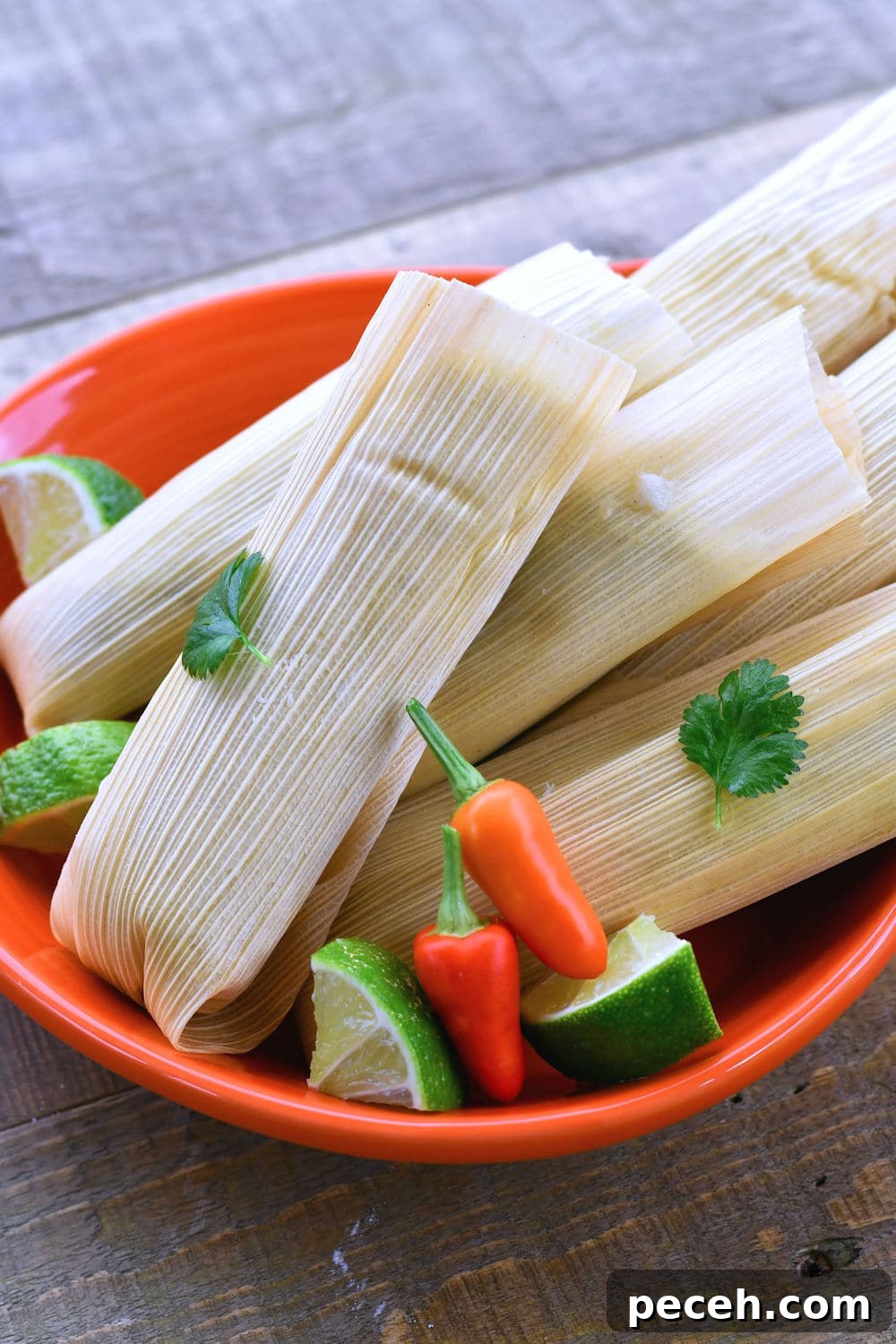
Once you choose the style of tamales you want, follow these clear, step-by-step instructions to make them at home.
 |
Explore more recipes to customize your own tamale experience. |
Step 1: Wrapping Tamales
Corn husks are the traditional wrapper used in most Mexican homes. You can find dried corn husks at grocery stores during tamale season and year-round at Mexican markets.
Because dried husks are brittle, soak them before use. Rinse and scrub off any debris or corn silk and discard any husks that look damaged or moldy.
Soak the husks in cool water until they become flexible; older husks may need to soak overnight. This is an easy prep task to do ahead of time.
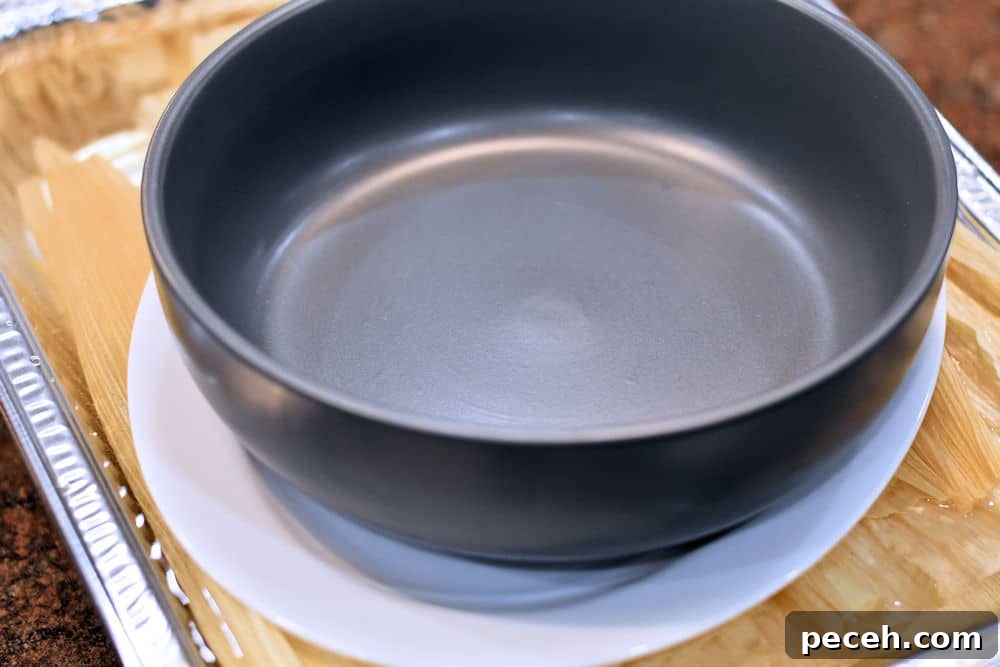
Place the husks in a tray or large bowl, cover with cool water, and weigh them down so they stay submerged.
What can be used instead of corn husks for tamales?
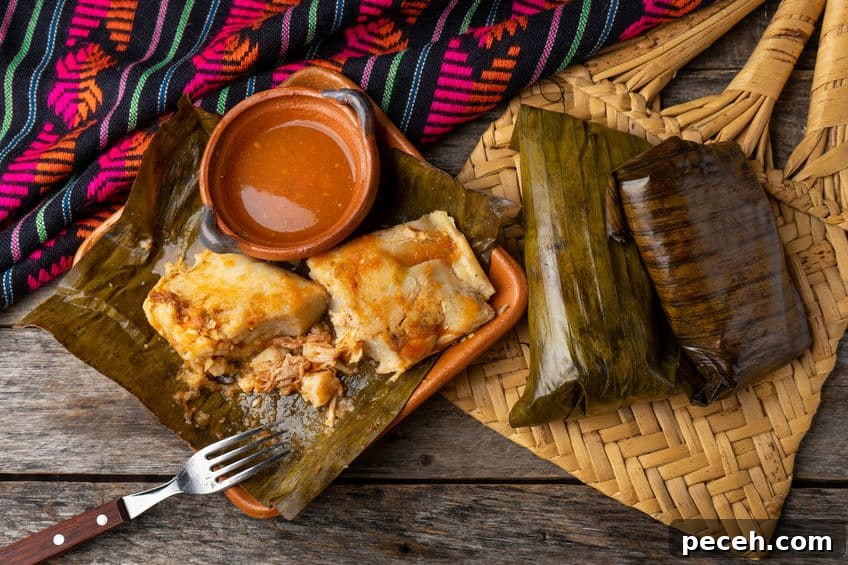
Banana leaves. Widely used in parts of Mexico, Central and South America, and the Philippines, banana leaves impart a unique flavor and work well as wrappers.
Parchment paper. If you’re in a pinch, 8-inch squares of parchment paper can substitute for husks.
Aluminum foil. Foil will work in an emergency, though some cooks prefer to avoid direct contact with foil for flavor reasons.
Try Something New



Step 2: Making Tamale Filling
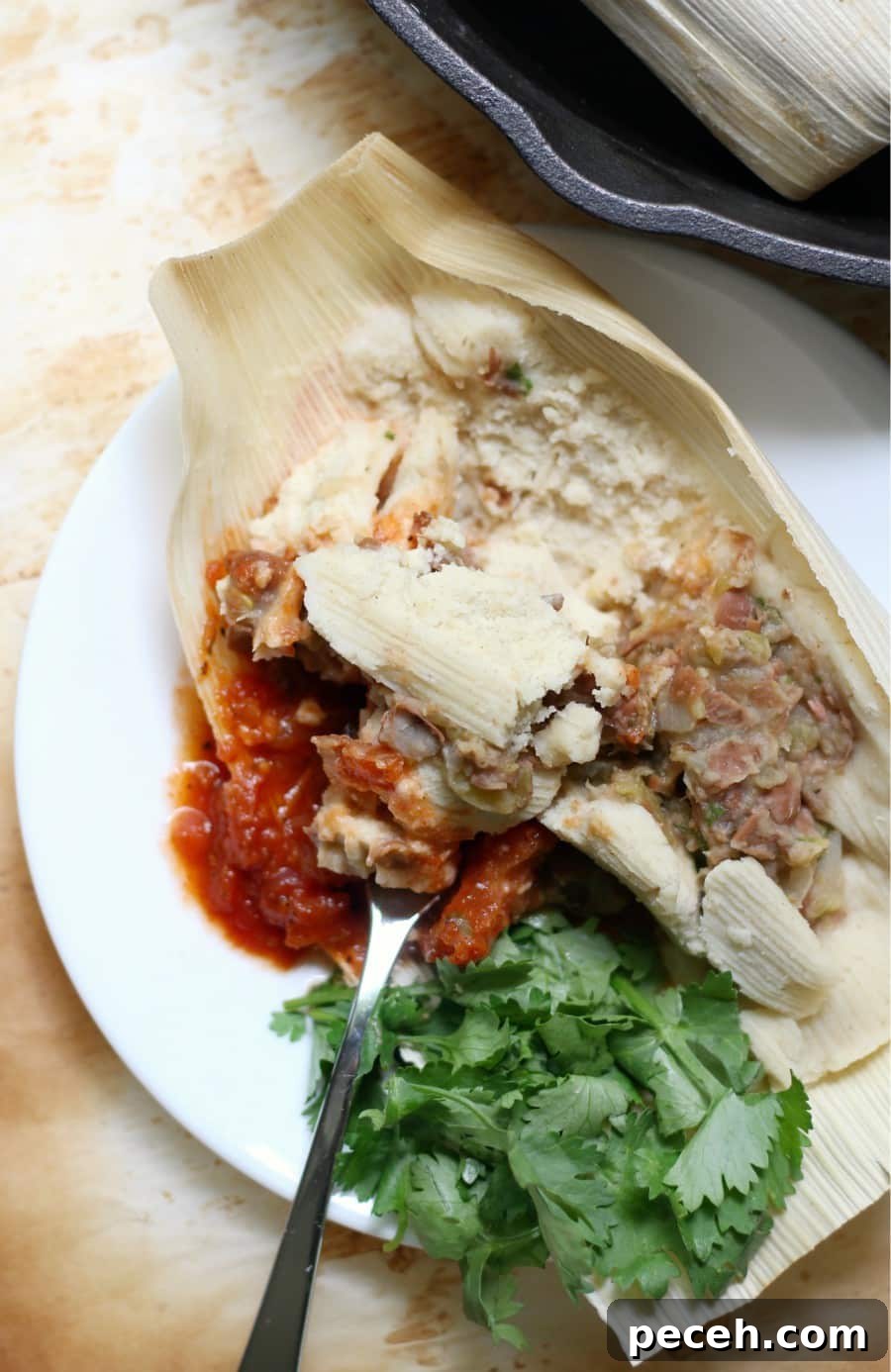
The most classic filling is pork in a red chile sauce (puerco rojo), but you can fill tamales with chicken, beef, chorizo, beans, cheese, or vegetables. Choose a filling that suits your taste and preparation time.
Choosing a Tamale Sauce
Red sauces, made from dried red chiles and tomatoes, are commonly paired with pork or beef. Green sauces, made from tomatillos and green chiles, often accompany chicken or vegetable tamales. You can fold some sauce into the masa for added flavor as well.
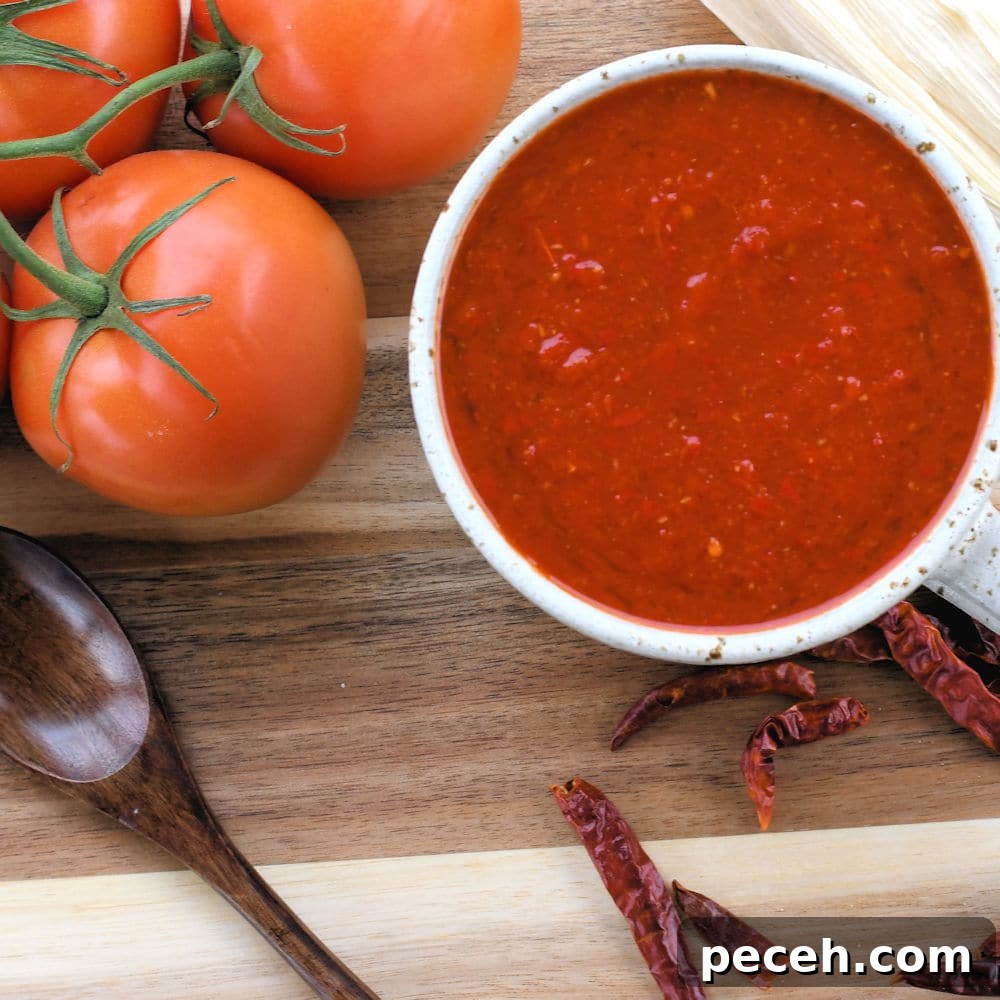
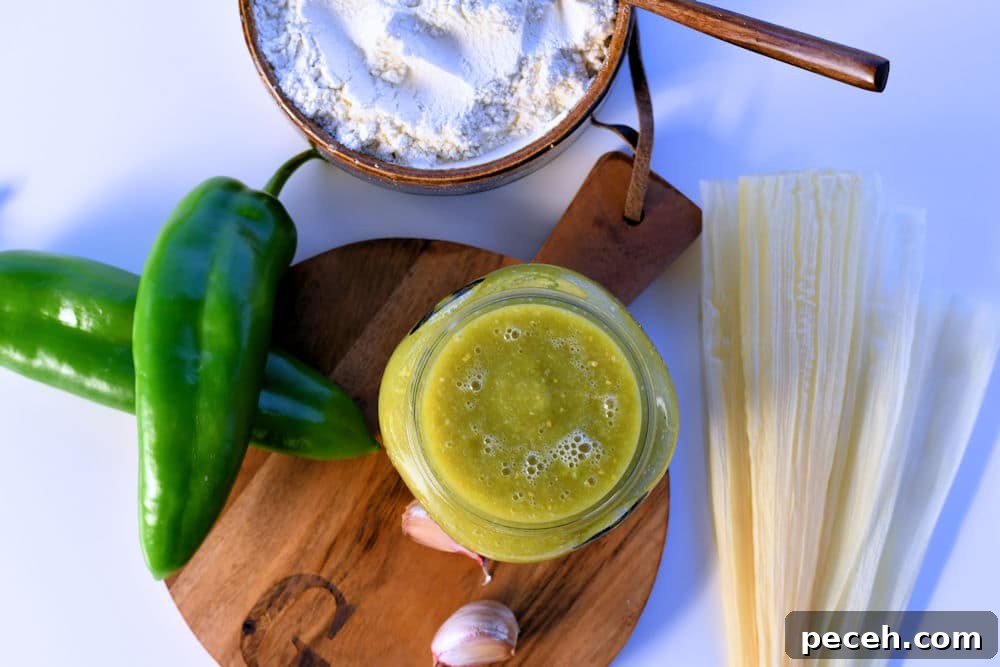
Prepare slow-roasted fillings, like pork, the night before to save time on assembly day. Chicken and many other fillings can also be made ahead and refrigerated.
Tamales Filling Variations
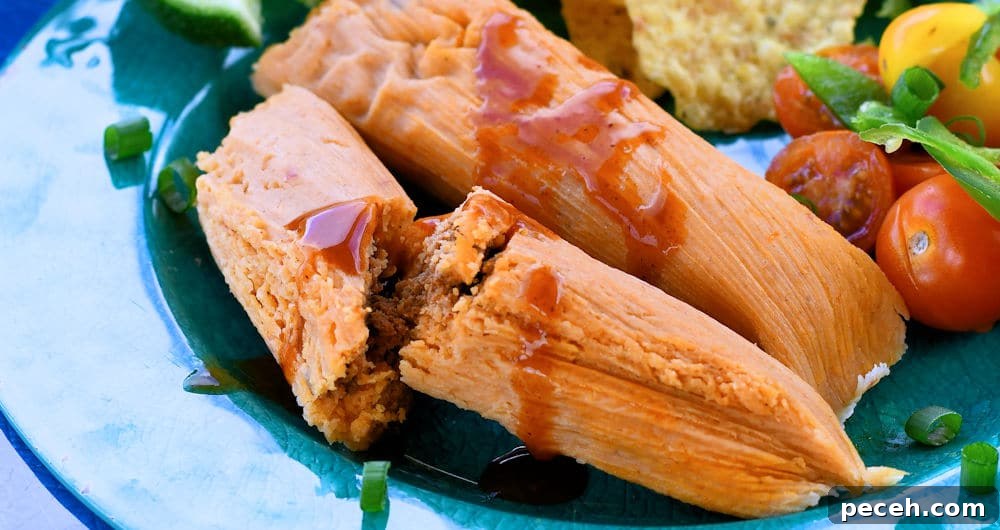
Chorizo and ground beef tamales are quicker than slow-roasted pork and still very flavorful. For a meatless option, bean-based fillings like pinto bean tamales are hearty and satisfying. Most tamales are naturally gluten free when made with masa harina.
Step 3: Masa Dough for Tamales
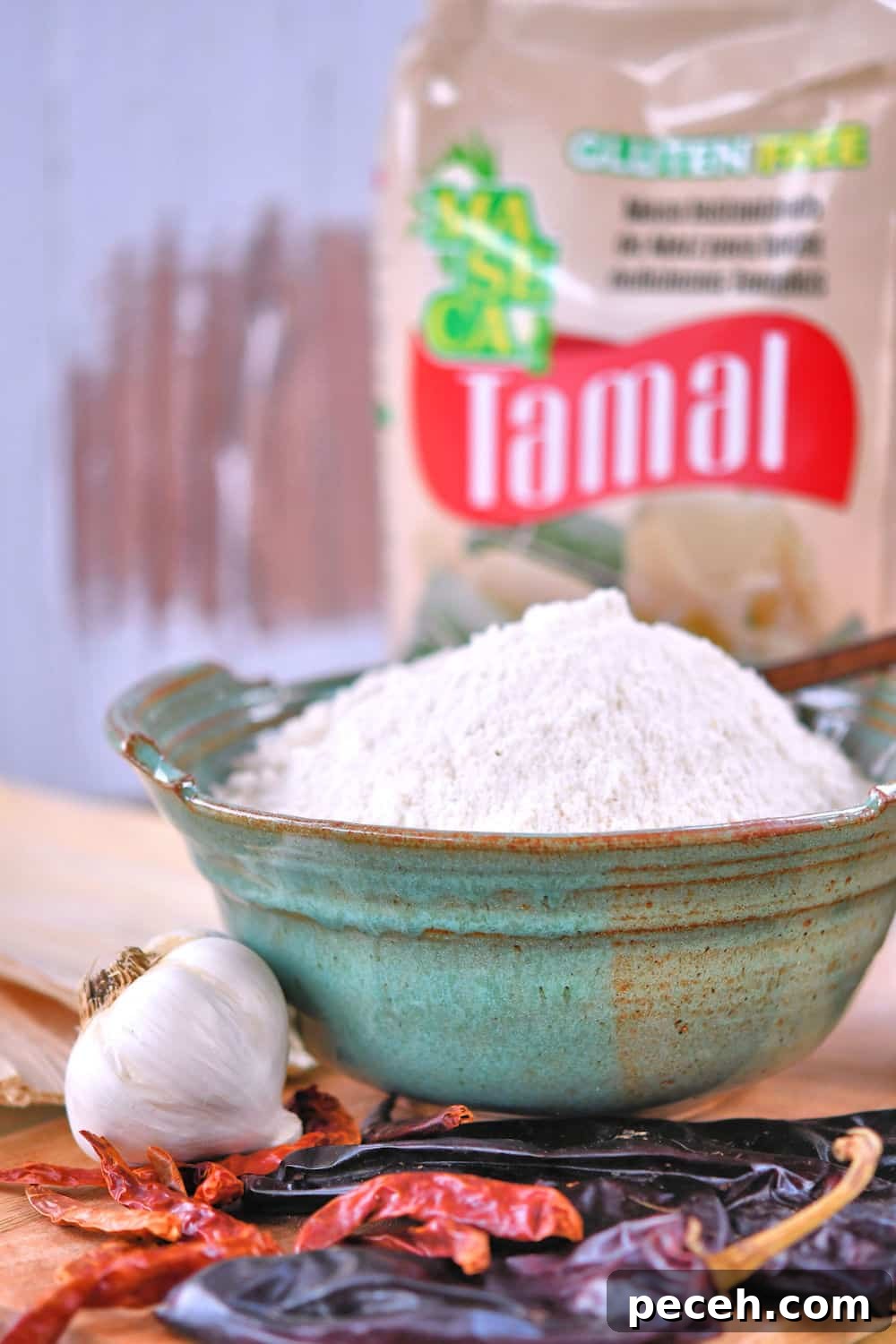
Masa harina, a fine corn flour, is the most common base for tamale dough. Prepare masa by combining masa harina, warm broth, fat (traditionally lard or vegetable shortening), and salt. Fold in a few tablespoons of your tamale sauce if you want extra flavor in the masa.
If you can source fresh ground masa, you can use that as well for a more traditional texture.
Step 4: Tamales Assembly
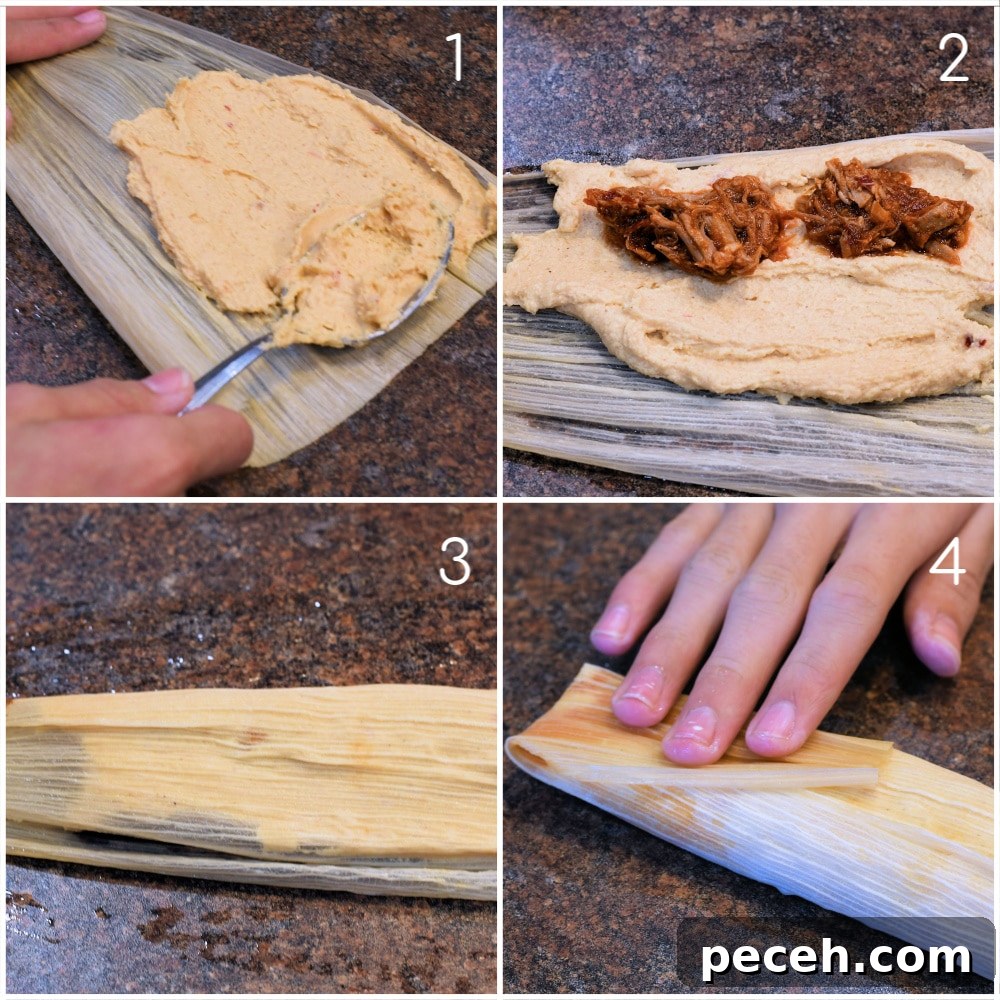
Assembly is the most time-consuming step. Sit comfortably and work in batches—assembly becomes faster with practice.
- Spread a thin layer of masa dough on the hydrated husk
- Place a spoonful of filling in the center
- Fold or roll the husk to enclose the filling
- Fold up the short end to secure the tamale
Most recipes yield dozens of tamales, so consider making a smaller test batch if you want to practice before committing to a large batch.
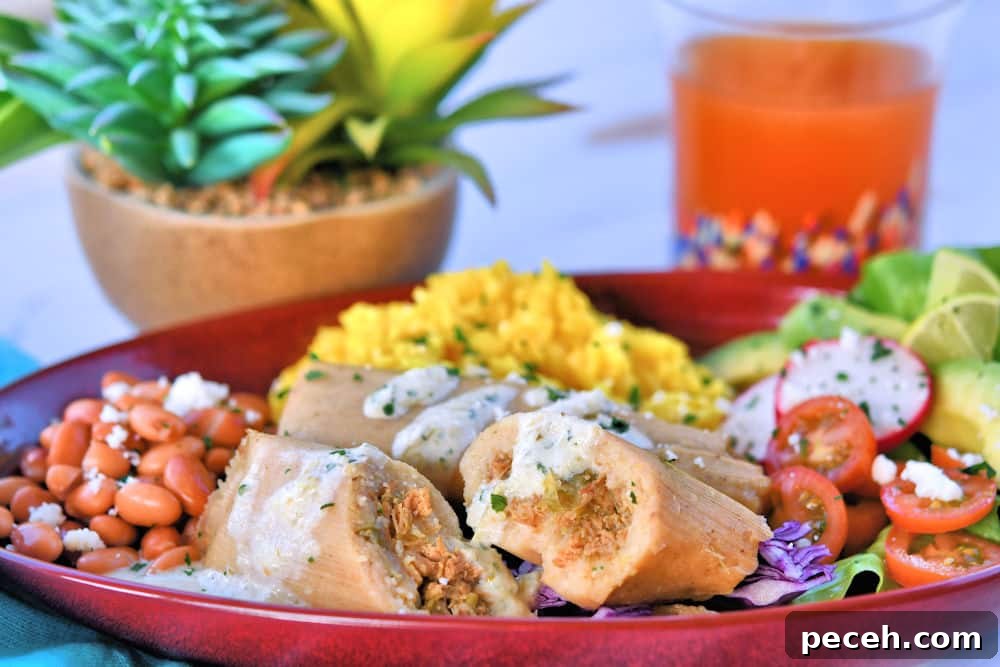
Step 5: Steaming the Tamales
Tamales are cooked by steaming so the masa stays moist and tender. Use a tamale steamer or any tall pot with a lid and a rack to keep tamales above the water level.
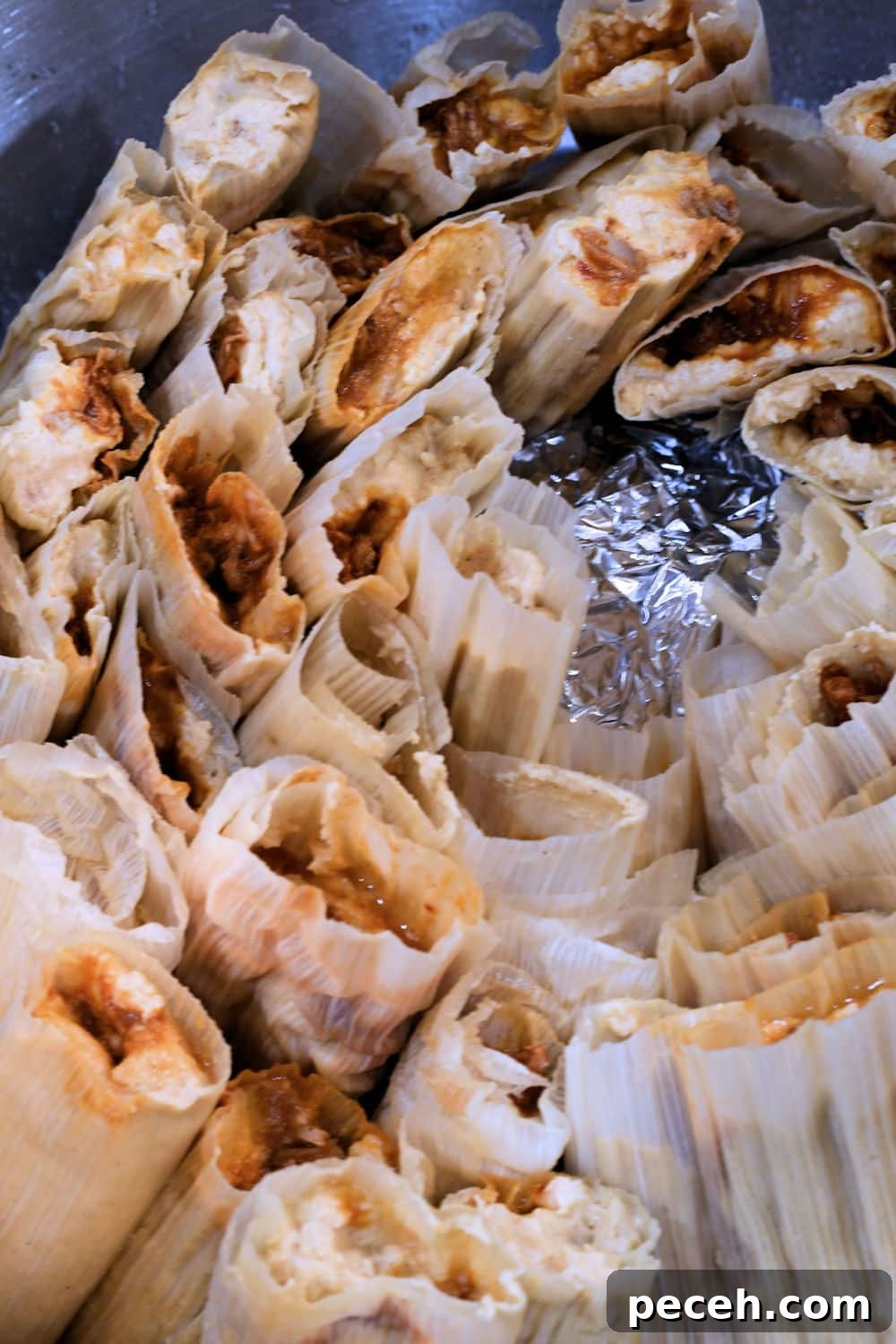
Fill the steamer with enough water to create consistent steam but not touch the tamales. Steam until the masa is set and pulls away easily from the husk—this often takes 1 to 1½ hours depending on size and quantity.
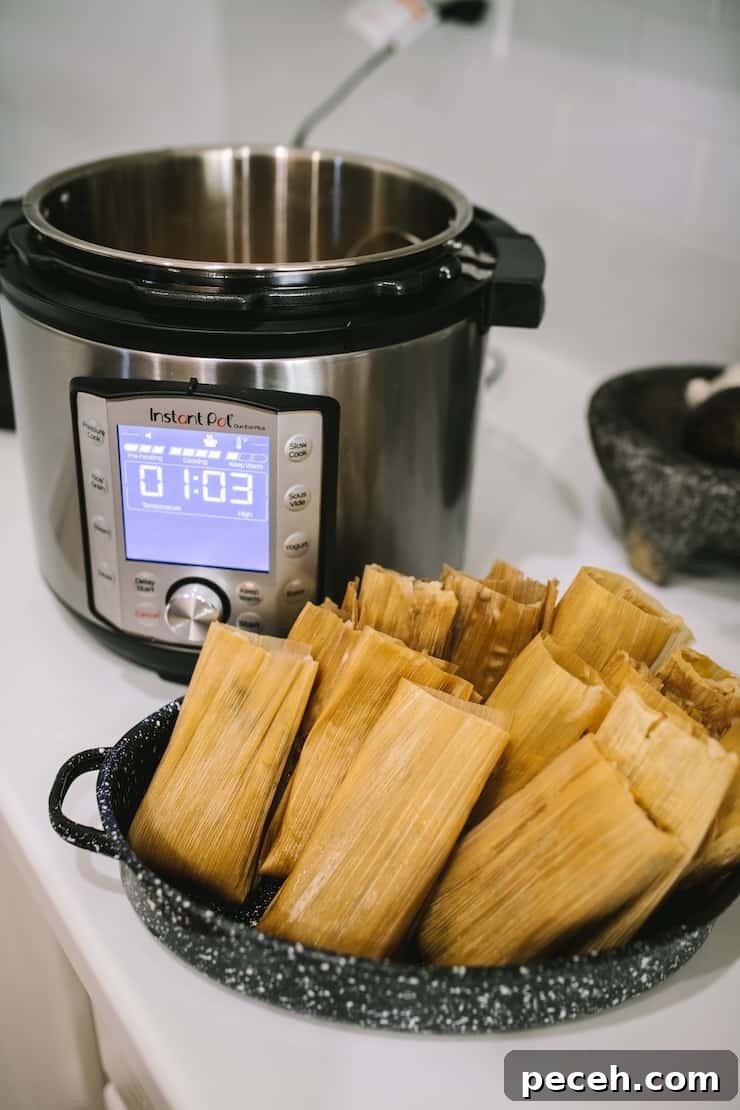
The Instant Pot and other electric pressure cookers also work well as steamers, offering a convenient, compact option for smaller batches.
Non-Traditional Tamales
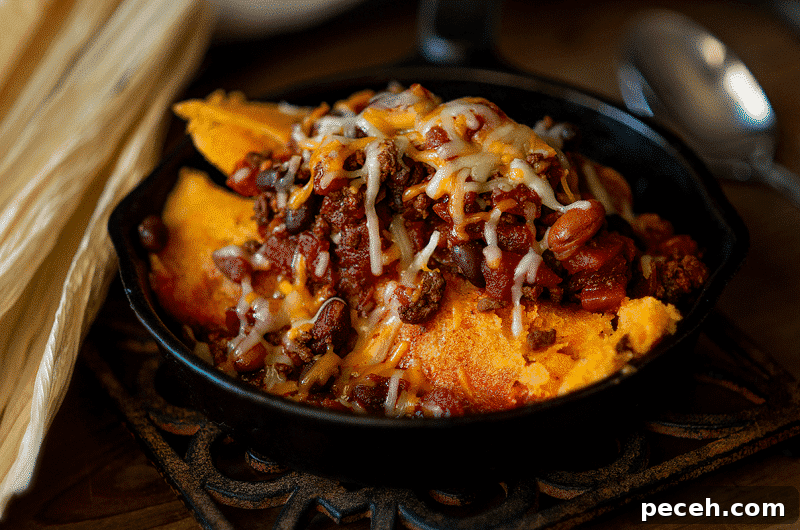
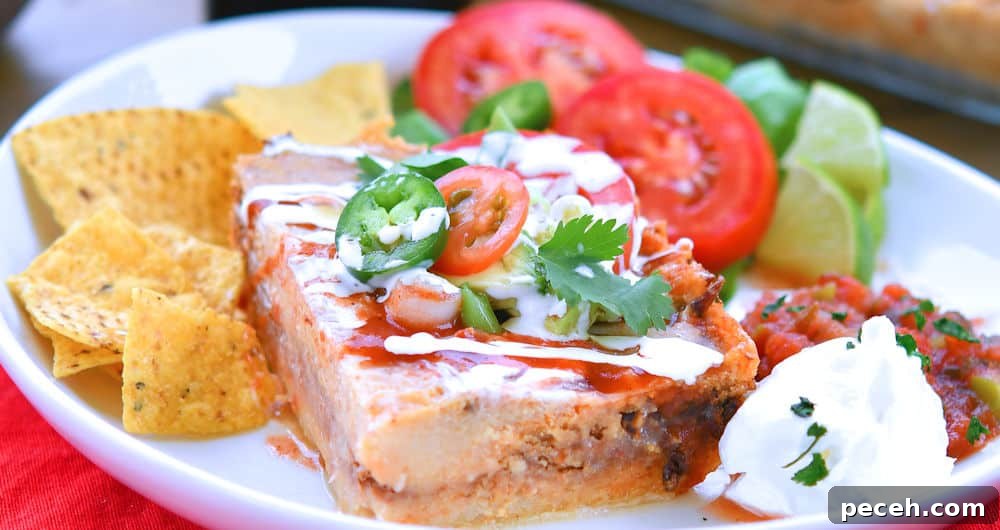
If you want tamale flavors without the time needed to roll individual tamales, try a tamale casserole or tamale pie. These dishes layer masa and filling for a similar taste with far less hands-on labor.
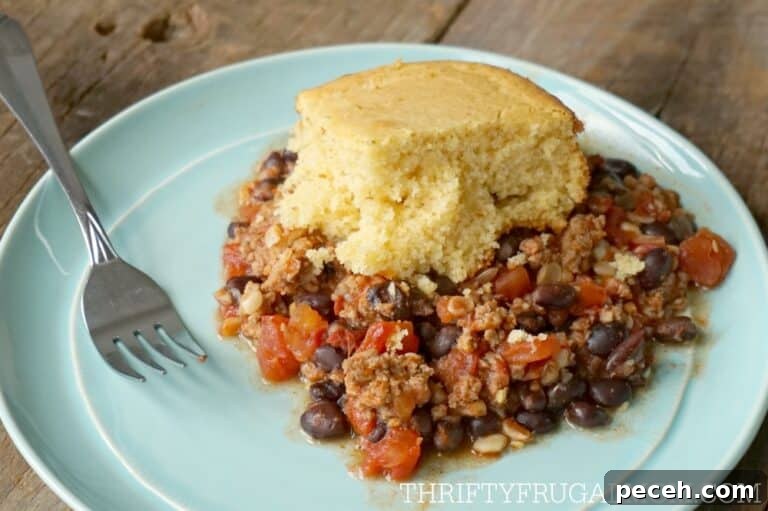
Sweet Dessert Tamales
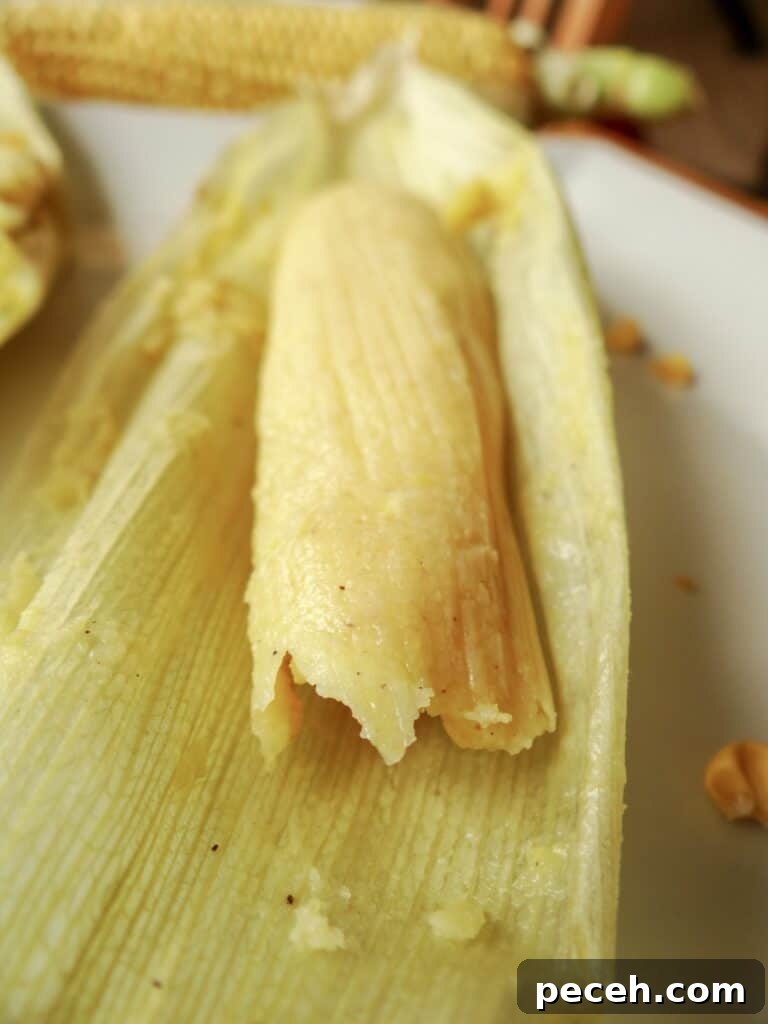
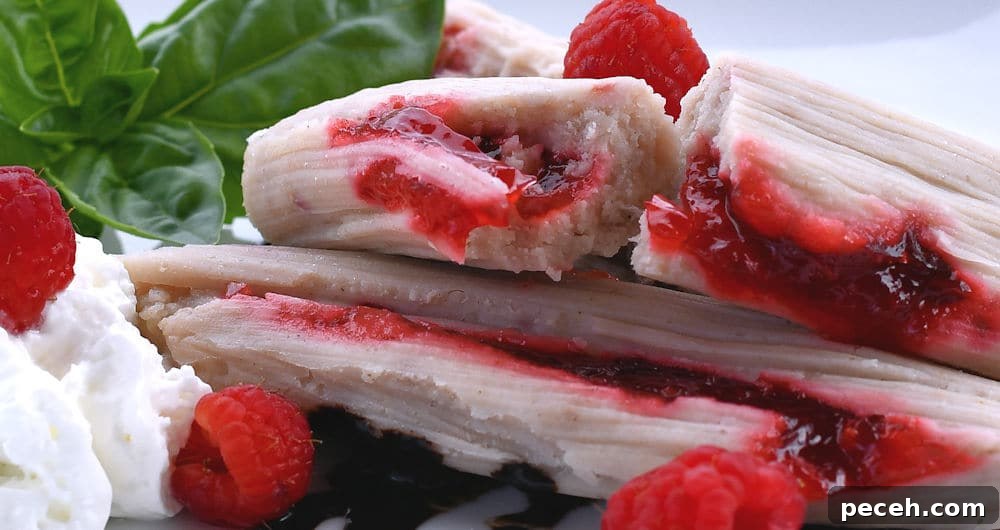
Sweet tamales swap savory ingredients for milk, sugar, fruit, or sweet corn. Popular versions include tamales de elote (sweet corn tamales) and fruit-filled tamales such as raspberry.
Conclusion
Breaking tamale-making into five clear steps—wrapping, filling, choosing sauce, preparing masa, assembling, and steaming—makes the process manageable. With a bit of preparation and practice, you’ll enjoy homemade tamales any time of year. Buen provecho!
All images used with permission.