There are two main natural methods for leavening dough. The most common today uses Saccharomyces, a cultivated baker’s yeast. The older method uses Lactobacillus bacteria in symbiosis with wild yeasts to create sourdough. Since commercial yeast makes quick work of wheat-based breads, sourdough has become less common because it requires more attention and care to maintain a starter. With a little effort, however, sourdough yields bread with deeper flavor, longer shelf life, and potential digestive benefits from its bacterial culture.
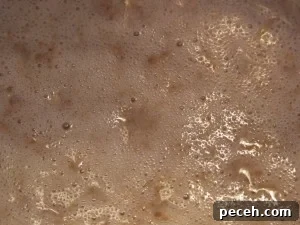
Sourdough starter bubbling away happily
Before you can bake sourdough bread, you need a sourdough starter, often called a levain. Technically, all you need is flour, water, a jar, and time. Capturing and encouraging the right balance of wild yeasts and bacteria can be tricky, but it’s straightforward with patience. Starters are available for purchase online, but the simplest method is this:
Use a clean, wide-mouthed jar or plastic container. Mix 2 tablespoons of rye flour with about 4 tablespoons of water into a loose paste. Loosely cover the container and leave it at room temperature. Within one to three days you should notice a vinegar-like lactic acid smell and small bubbles forming. If that happens, your starter is developing. If not, wait a bit longer or try again. If you don’t have rye flour, organic wholemeal or organic plain flour can work, though rye tends to be the most reliable.

Keeping a sourdough pet
Once established, treat your starter like a pet: feed and care for it. If you bake infrequently, store the starter in a sealed container in the refrigerator. Every three to four days, remove it from the fridge, discard or use half of it, then feed it with 1 tablespoon rye flour and 2 tablespoons water. Mix and return it to the fridge.
When you need to use starter to bake, take the discarded half and feed it to build enough leavening. Combine that portion with about 1 cup (150 g) flour — choose the flour type based on the bread you want to make — and 1 cup (150 ml) water. Mix, cover, and let it sit for a day until it doubles in size. Then incorporate it into your bread recipe, accounting for the starter’s weight when measuring other ingredients.
Starters may lose vigor over time; there are techniques to revive them, but it’s often easy to start a new culture. Some sourdough starters have been maintained for generations — notable examples in San Francisco are reported to be over 150 years old. Sourdough is excellent for white breads, pizza bases, rye loaves, pancakes, and more, offering richer flavor and a distinctive texture that is both crunchy and chewy. There are many recipes available for those interested in exploring sourdough baking.
For a light diversion related to kitchen antics and sock puppets, see the Alton Brown episode of Good Eats referenced in the original context.